
A Severe Kitchen Mix-Up at a North Carolina Chili’s Sent Diners to the Hospital After an Unlabeled Degreaser Was Mixed Directly Into Margaritas Instead of Sugar

A routine lunch turned into an emergency room visit for diners at a North Carolina Chili’s Grill & Bar after staff accidentally poured an industrial cleaning agent into the restaurant’s cocktail supplies. Several customers sustained severe chemical burns inside and around their mouths when powdered exterior degreaser was mistaken for drink sugar during morning bar preparation.
The Foothills Health District confirmed that the contamination occurred at the chain’s Forest City location on a Wednesday morning. Multiple patrons ordered margaritas shortly after opening, took their first sips, and immediately experienced agonizing burns that sent them rushing to local medical facilities for treatment.
The mishap did not stop at the dining room tables. When customers alerted staff to the caustic drinks, two restaurant employees tasted the concoction themselves to verify the complaints and suffered similar burning sensations.
How Did an Industrial Chemical End Up Behind the Bar?
According to county health investigators, the breakdown in protocol began two days before anyone took a sip of the tainted drinks. On a Monday, an employee took receipt of an industrial powdered degreasing chemical from an outside contractor who was pressure-washing the exterior of the building.
Rather than leaving the substance in its original, marked packaging or placing it in an approved utility closet, the worker transferred the loose powder into an unlabeled container. That unmarked vessel was carried directly inside the restaurant and left sitting near the bar area.
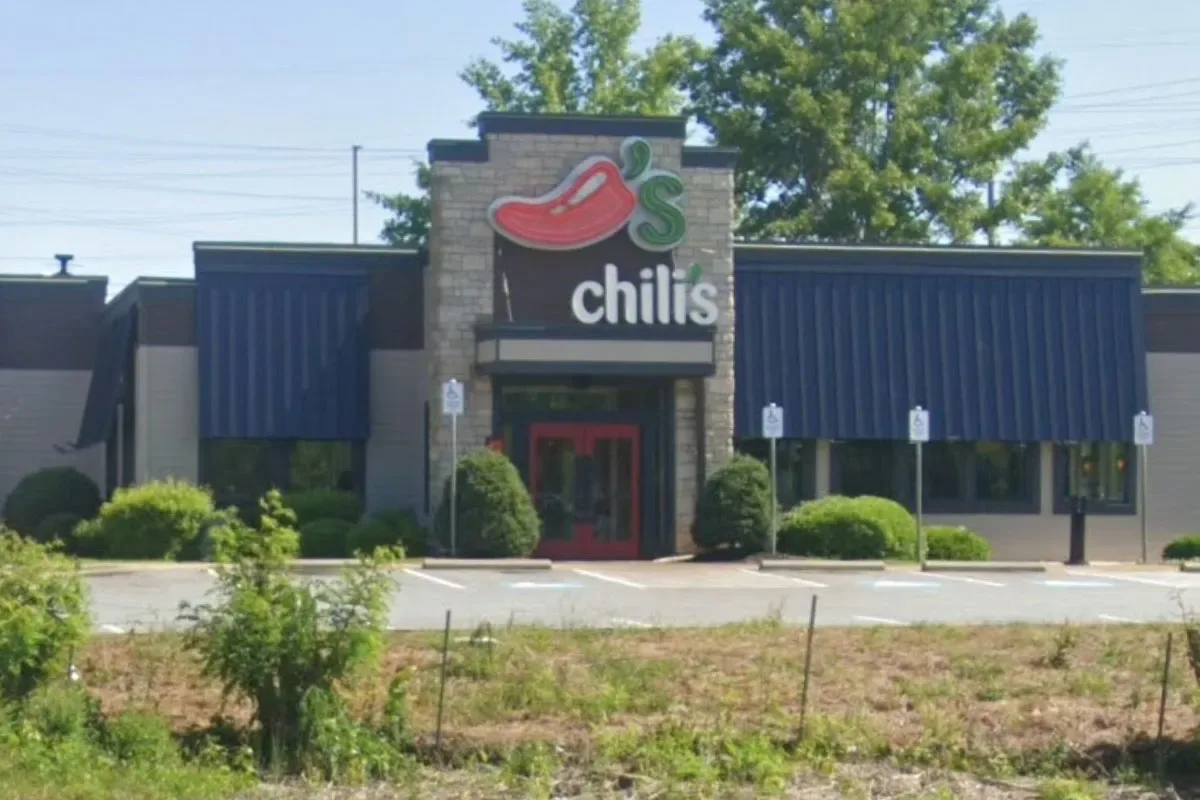
Chili’s restaurant location in North Carolina.
Two days later, an opening employee encountered the unmarked container sitting in the preparation area. Assuming the white crystals were simply extra sugar, the worker used the degreaser to stock the active margarita station ahead of the lunch rush.
By the time patrons ordered their cocktails, the potent chemical had dissolved directly into the drink mix.
Health Inspectors Suspend Operations and Deep-Clean the Facility
Following reports of patrons seeking urgent medical care, county health officials moved quickly to halt operations. The Foothills Health District immediately suspended the location’s food service permit to conduct an emergency inspection and quarantine all food contact surfaces.
“This incident highlights the importance of proper chemical labeling, storage, and handling in food service establishments, as required by the North Carolina Food Code, to prevent chemical contamination and protect public health.”
Sanitarians required management to strip down, sanitize, and flush all preparation areas, beverage dispensers, and bar equipment that came into contact with the toxic batch. Following deep sanitization and regulatory checks the following morning, officials permitted the dining room to reopen.

A classic margarita in a cocktail glass.
Corporate representatives for the chain confirmed an internal review was launched alongside county oversight.
“Our team took immediate action to support those affected and avoid any further injuries. We are actively investigating the circumstances related to this incident as the health and wellbeing of our guests and Team Members remain our top priority.”
The Breakdown: How Protocol Failures Escalated
A common misconception among restaurant diners is that kitchen safety risks are limited to biological contaminants like raw poultry, spoiled dairy, or poor refrigeration. In reality, mishandled utility chemicals create instantaneous toxic threats when basic labeling codes are ignored.
The sequence of regulatory oversights identified by health officials outlines how easily standard kitchen workflows can fail when warning labels vanish:
- Unapproved chemical transfer: Decanting an industrial degreaser into secondary containers without mandatory hazard warnings.
- Cross-zone contamination: Storing exterior utility products inside active food and beverage service areas.
- Sensory assumptions: Mistaking an unidentified white powder for a food ingredient based strictly on sight.
- Staff sampling risks: Workers physically tasting a reported chemical substance rather than securing the batch immediately.
Critical Events in the Forest City Chili’s Investigation
| Timeline Stage | Documented Circumstance |
|---|---|
| Chemical Delivery | Powdered degreaser received from an exterior pressure-washing contractor |
| Secondary Storage | Substance transferred into an unlabeled vessel and placed near the bar |
| Bar Preparation | Powder mistaken for sugar and mixed directly into cocktail stations |
| Patron Exposure | Multiple customers and two employees sustained mouth burns |
| Regulatory Response | Food service permit suspended until deep cleaning met state standards |
The Foothills Health District confirmed that it continues to track the incident, though long-term medical prognoses for the injured diners and employees have not been publicly detailed.
💬 Commercial kitchen codes exist for a reason, but single-step human errors can bypass even the strictest safety systems.
✨ Labeling and isolating non-food substances remains the absolute front line of restaurant safety.
📱 Have you ever encountered a serious food safety scare at a restaurant? Drop your thoughts in the comments below.
 1
 2
 3
 4
