
Abandoning a Dog at an Animal Shelter Gate Carries Severe Legal Penalties: How Pet Desertion Triggers Formal Criminal Charges

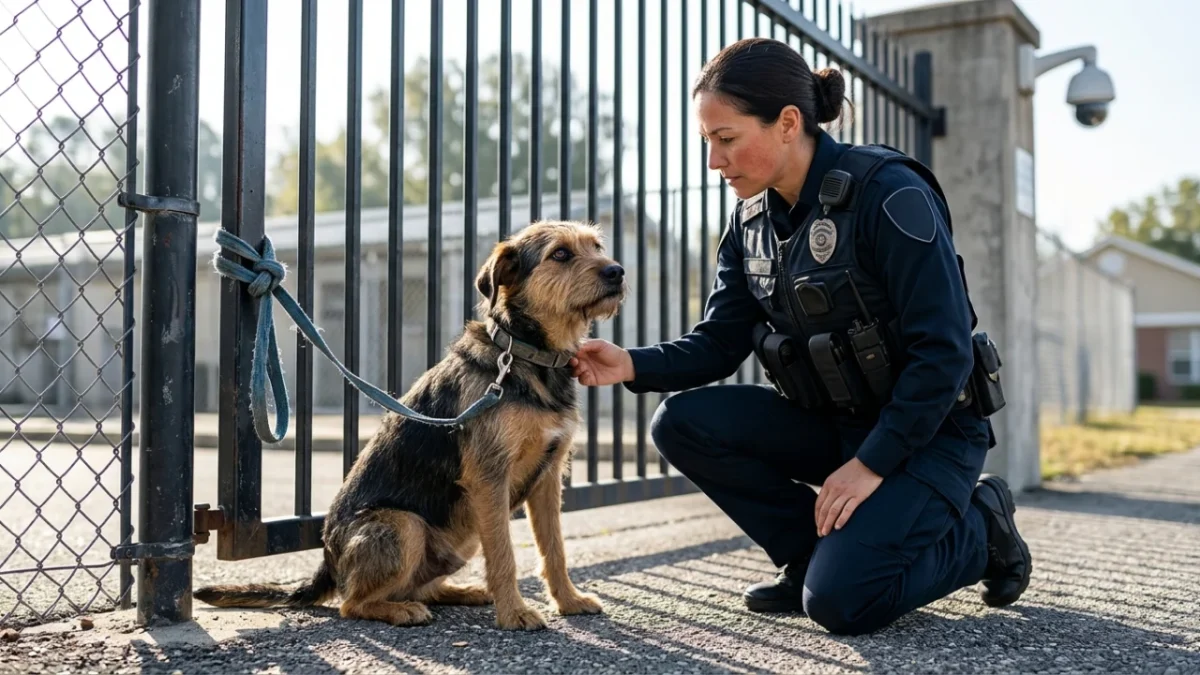
Leaving a dog tied to an animal shelter gate constitutes unlawful abandonment rather than a lawful pet surrender, carrying formal criminal charges, heavy fines, and potential jail time. Under animal cruelty and protection statutes, securing an animal outside a facility perimeter leaves the pet exposed to traffic, hypothermia, stress, and starvation, legally classifying the act as neglect rather than a responsible handoff.
Facility surveillance cameras, vehicle registration trackers, and mandatory microchip databases routinely allow investigators to trace the owner within hours. Once identified, the individual faces criminal citation under animal desertion statutes rather than administrative processing.
The practice highlights an ongoing friction between overwhelmed pet owners seeking desperate solutions and shelter infrastructure struggling to manage capacity limits safely.
Why Shelter Gate Drop-Offs Trigger Criminal Citations
Many pet owners mistakenly assume that tethering a canine to the outer fence of a rescue center guarantees immediate care. In practice, humane law enforcement officers treat unauthorized drop-offs as outright desertion under penal welfare codes.
When an animal is left outside operational hours or without formal intake, there is no guarantee shelter staff will find the animal before distress sets in. Tethered pets face immediate physical vulnerabilities:
- Exposure to extreme weather: Freezing night temperatures or blistering daytime heat can cause rapid thermal shock.
- Strangulation hazards: Panicked animals often twist leashes around metal fencing, restricting their breathing.
- Aggressive encounters: Frightened, restrained dogs cannot defend themselves against wild predators, off-leash canines, or hostile human interference.
Because these dangers are foreseeable, investigators cite the individual for reckless endangerment, which invalidates claims of good intentions.
Leaving an animal unattended outside a secured facility constitutes an immediate failure of duty of care, transforming what an owner views as a drop-off into actionable legal negligence.
The Legal Realities: Lawful Surrender vs. Gate Abandonment
Animal welfare codes establish distinct procedural lines between scheduled intake and unauthorized desertion. The legal divide centers directly on custody transfer.
| Intake Category | Legal and Animal Welfare Impact |
|---|---|
| Scheduled In-Person Surrender | Custody transfers lawfully; complete behavioral and medical history is gathered; no criminal exposure occurs. |
| Perimeter Gate Abandonment | Classified as active neglect or misdemeanor cruelty; triggers police reports, microchip tracing, and potential fines. |
Formal surrender procedures exist to document an animal’s medical allergies, bite history, and vaccination status. When an individual bypasses intake, staff lose vital context necessary to safely house the pet.
How Investigators Trace Abandoned Animals
Modern municipal facilities utilize layered security measures that make anonymous drop-offs nearly impossible. Law enforcement agencies rely on three primary investigative tools:
- Perimeter Surveillance Footage: High-definition gate cameras capture vehicle license plates, drop-off timestamps, and driver descriptions.
- Subcutaneous Microchip Scanning: Veterinary technicians immediately scan the animal, identifying registration numbers linked to central pet databases.
- Community Tip Lines: Public bulletins featuring photos of the animal frequently generate rapid neighborhood leads regarding prior ownership.
Once ownership records correlate with security footage, authorities issue a summons for abandonment, rendering evasive attempts completely ineffective.
Dispelling the Myth of the Anonymous Shelter Drop-Box
A prevalent misconception suggests that animal shelters maintain anonymous drop boxes similar to infant safe-haven locations. In reality, safe surrender laws apply exclusively to human infants under specific statutory mandates, not domestic pets.
Animal control officers emphasize that no veterinary facility endorses leaving unattended animals outside perimeter boundaries. Unsupervised animals frequently escape loose slip-leads, wandering directly into nearby traffic or busy thoroughfares.
Owners experiencing financial hardship, housing displacement, or behavioral challenges must contact rescue organizations well in advance. Pet food pantries, emergency boarding initiatives, and subsidized veterinary clinics offer practical alternatives before a crisis spirals into a criminal charge.
💬 Facing an impossible pet ownership situation? Contact local rescue organizations directly to arrange legal, structured support options.
📱 Share this guide across social feeds to inform pet owners about the strict legal boundaries separating surrender from abandonment.
👇 Have you encountered pet surrender challenges in your local community? Sound off with your perspective below.
 1
 2
 3
 4
