
Barbara Barrie Chose Her Final Chapter at 95: Inside the Oscar Nominee’s Decision Under New York’s New Medical Aid in Dying Act

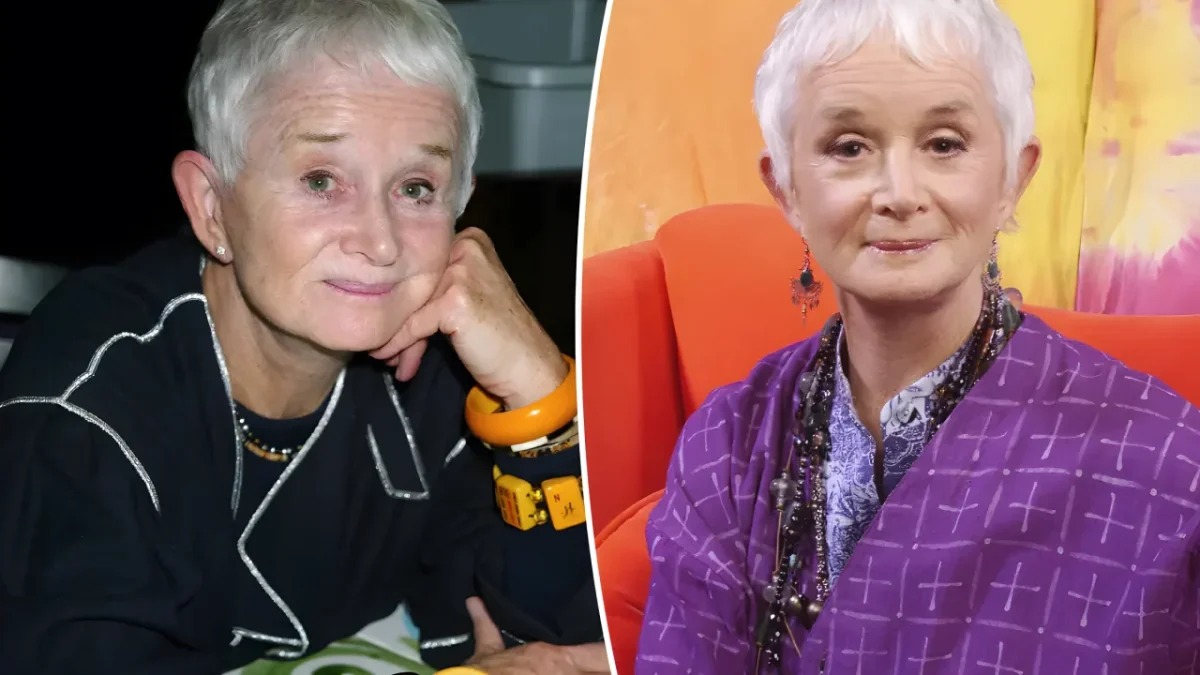
Oscar-nominated actress and Suddenly Susan star Barbara Barrie died peacefully at age 95 in her Manhattan home after choosing to end her life through New York’s newly implemented Medical Aid in Dying Act. Facing a sudden terminal cancer diagnosis, the veteran performer exercised a legal option that took effect mere weeks before her health took a critical turn.
Her family confirmed that the decision was deliberate, fully supported, and carried out strictly on her own terms. For Barrie, the ability to control her final moments was the culmination of a personal conviction she held for decades.
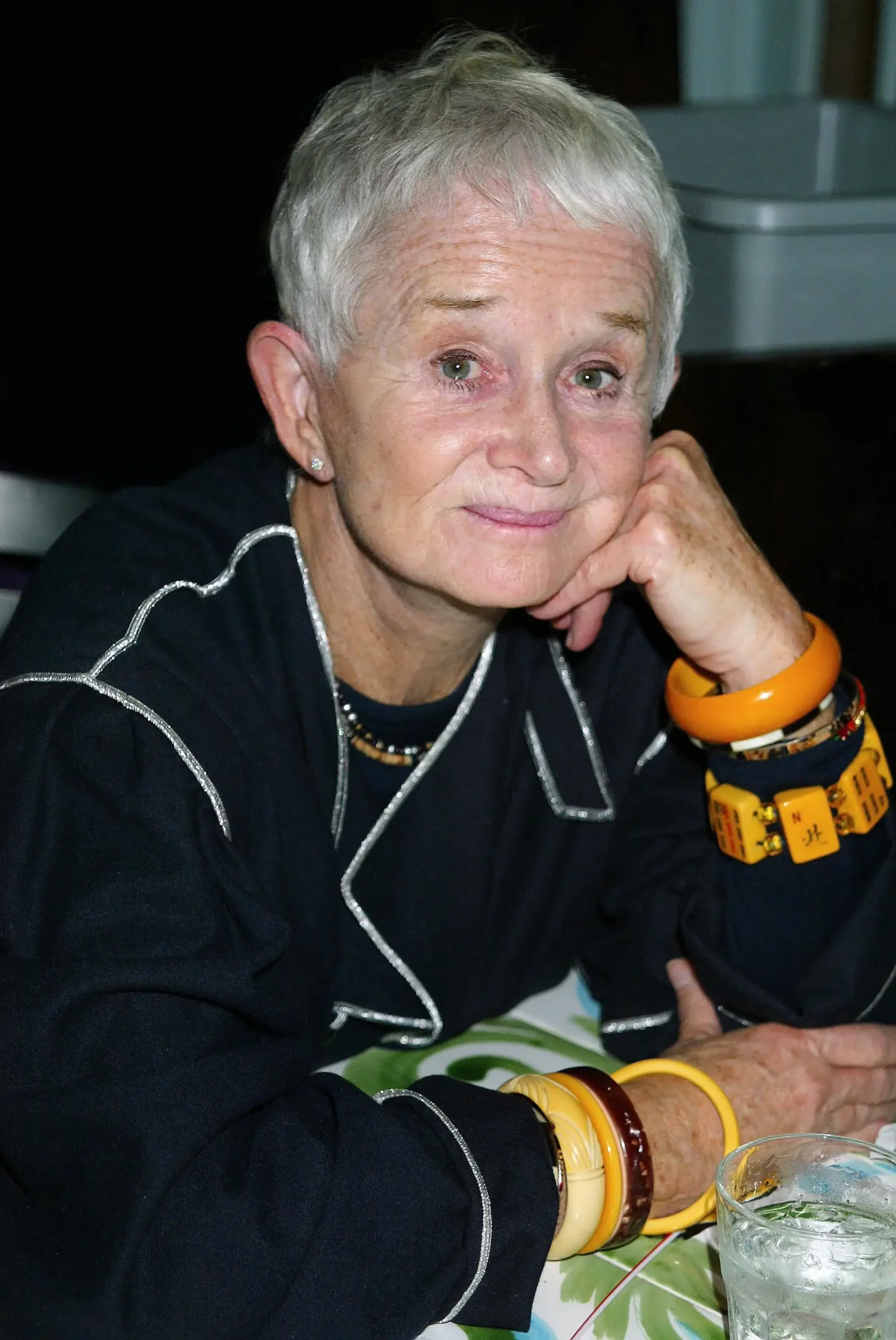
Barbara Barrie resting her chin in her hand while attending an event.
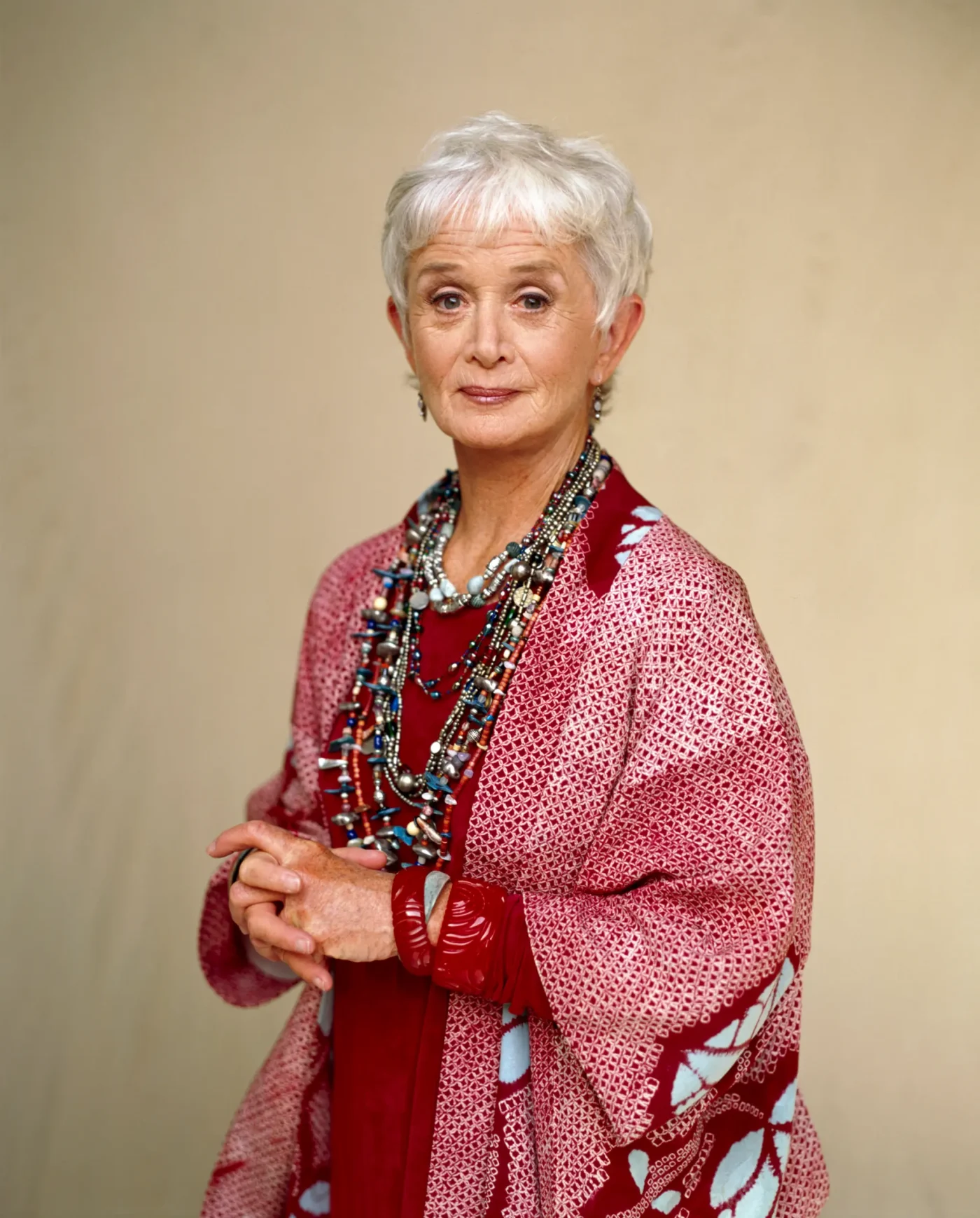
Barbara Barrie as Helen.
How New York’s Landmark Law Changed Everything for Barbara Barrie
The timing proved decisive for the beloved actress. New York Governor Kathy Hochul signed the controversial legislation in January, and the statute officially took effect in August, creating a legal pathway for terminally ill adults to self-administer life-ending medication.
Prior to the measure taking effect in New York State, Barrie had weighed drastic travel plans simply to preserve autonomy over her end-of-life care.
“She wanted it to be her path,” Barrie’s daughter, actress Jane Harnick, shared. “She was so grateful that it had been instituted in New York State really in the nick of time.”
Before the New York legislation took effect, Barrie contemplated traveling to jurisdictions where assisted dying had already been legalized, including Switzerland and Vermont. The state statute allowed her to remain comfortably in her own residence instead.

Actress Barbara Barrie wearing a silver jacket and a dark sparkly turtleneck.
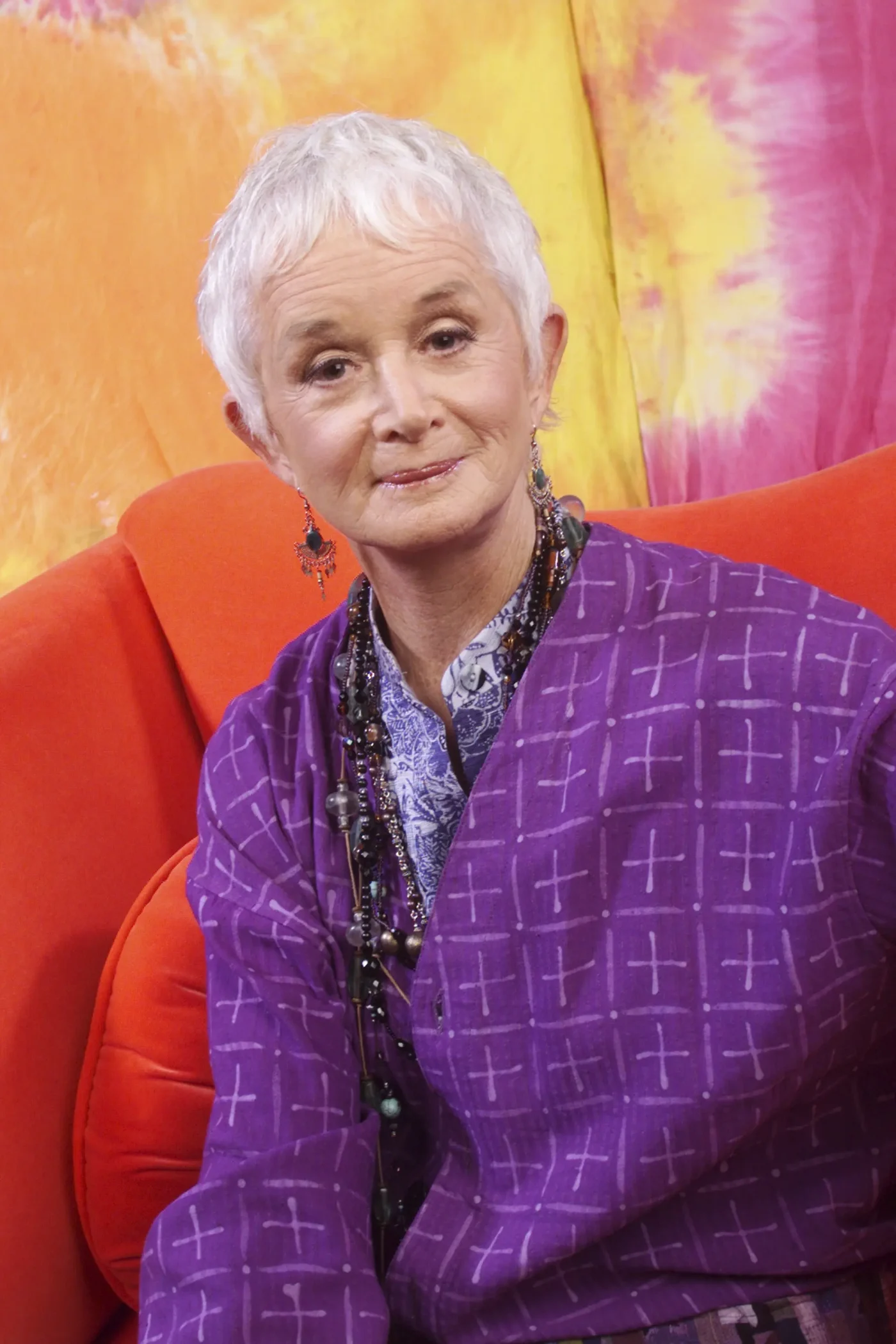
Barbara Barrie as Helen.
A Lifelong Conviction and the Search for Legal Options
Barrie’s stance on end-of-life autonomy was neither sudden nor reactive. Her daughter emphasized that Barrie had voiced support for the principle long before experiencing severe illness.
“For years and years, her whole life before she was ever sick with any illness, she always used to say, ‘When my time comes, I just want to take something and go to sleep.’ She just really believed that that was a human right.”
When Barrie entered the hospital three weeks before her passing, physicians confirmed her terminal status. Because the statute was active, medical providers could legally approve her request right away.

Portrait of Barbara Barrie sitting at a window, wearing a striped shirt.

Black-and-white portrait of actress Barbara Barrie with her hand to her chin.
Inside the Final Days: Planning Her Memorial and Parting Words
Barrie spent her remaining days engaged in familiar routines. She read the daily news, listened to her favorite radio programs, and actively directed the arrangements for her own memorial service.
Rather than feeling burdened by the process, Barrie took complete control of the program, selecting the music and designating who would speak. At 95, she openly expressed that she had lived a full, complete life.
When physical pain began to surface on her final day, the timing aligned precisely with her wishes. Gathered around her were her daughter Jane, son Aaron Harnick, and son-in-law Adam Freifeld.
As the medication took effect, her family offered their collective love. Barrie whispered her final words back to them: “I love you too.”
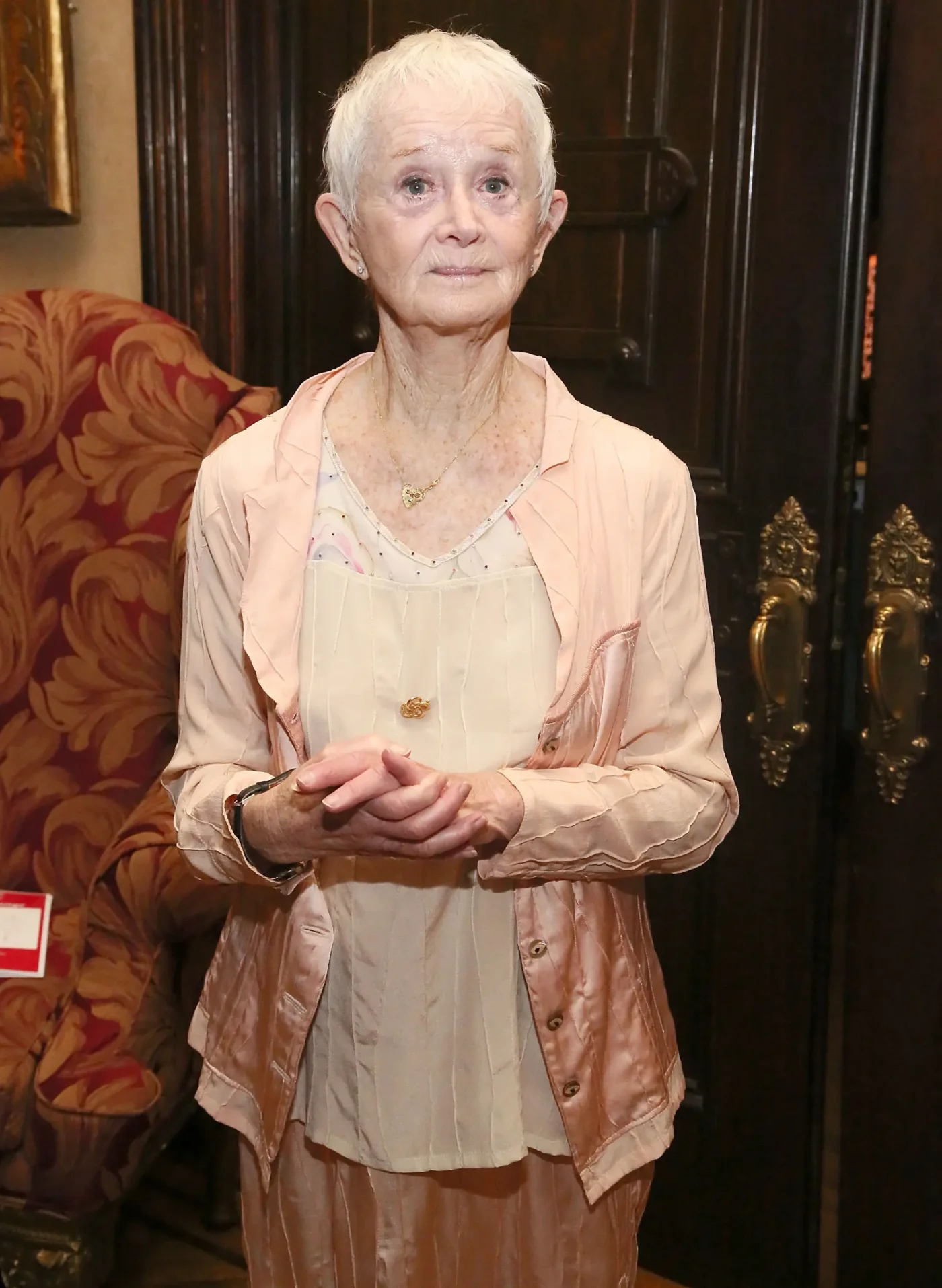
Barbara Barrie standing indoors and wearing a light pink jacket.
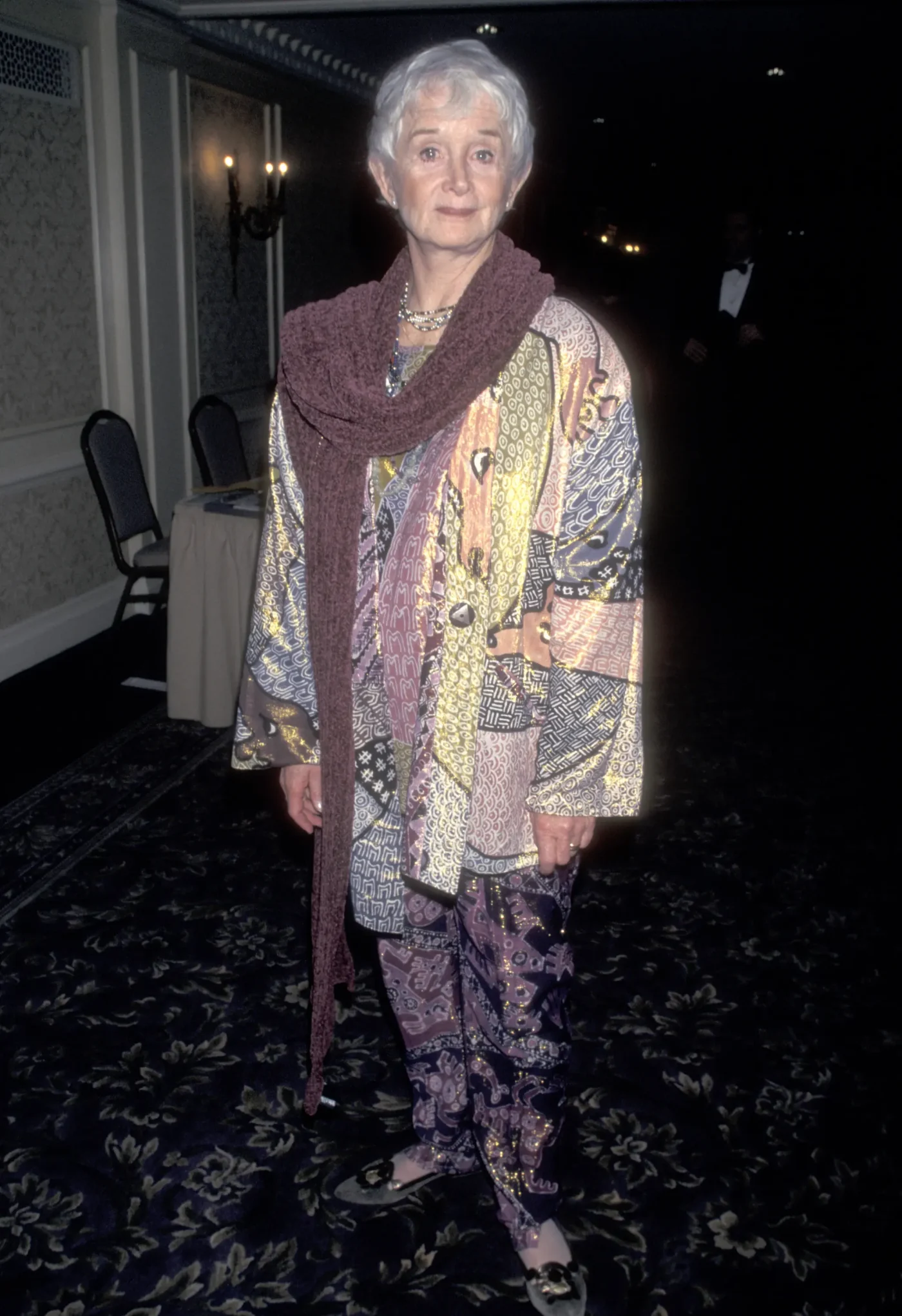
Actress Barbara Barrie attends an awards ceremony wearing a patterned tunic, matching pants, and a dark scarf.
Debunking Misconceptions About Medical Aid in Dying
Public discussions around end-of-life measures frequently suffer from significant misunderstandings regarding legal criteria and clinical oversight.
- Myth: Anyone facing chronic illness can request medical aid in dying on demand.
- Reality: The law strictly mandates a confirmed terminal diagnosis with a limited prognosis, certified by attending physicians.
- Myth: Medical staff or relatives make the final decision to end life.
- Reality: The patient must possess full mental capacity and initiate, direct, and self-administer the medication personally.
| Statutory Factor | Application in Barrie’s Case |
|---|---|
| Qualifying Diagnosis | Diagnosed with terminal cancer following hospital admission |
| Location of Care | Administered within the comfort of her Manhattan residence |
| Family Support | Full backing from children Jane and Aaron Harnick |
| Prior Advocacy | Lifelong supporter; considered travel to Switzerland or Vermont |
Barrie’s final wish was explicit: she asked her loved ones to carry forward her public advocacy for end-of-life autonomy across the United States.
✨ Barbara Barrie closed her 95-year journey exactly as she intended: clear-headed, surrounded by loved ones, and entirely in control of her dignity.
💬 Her openness has sparked a renewed national dialogue on terminal illness, patient rights, and the future of healthcare legislation.
👇 Drop your thoughts in the comments below: Should more states adopt laws like New York’s Medical Aid in Dying Act?
 1
 2
 3
 4
