
CDC Issues Mandatory Travel Attestation: International Passengers Flying to the US Must Sign New Health Declaration or Face Denied Boarding

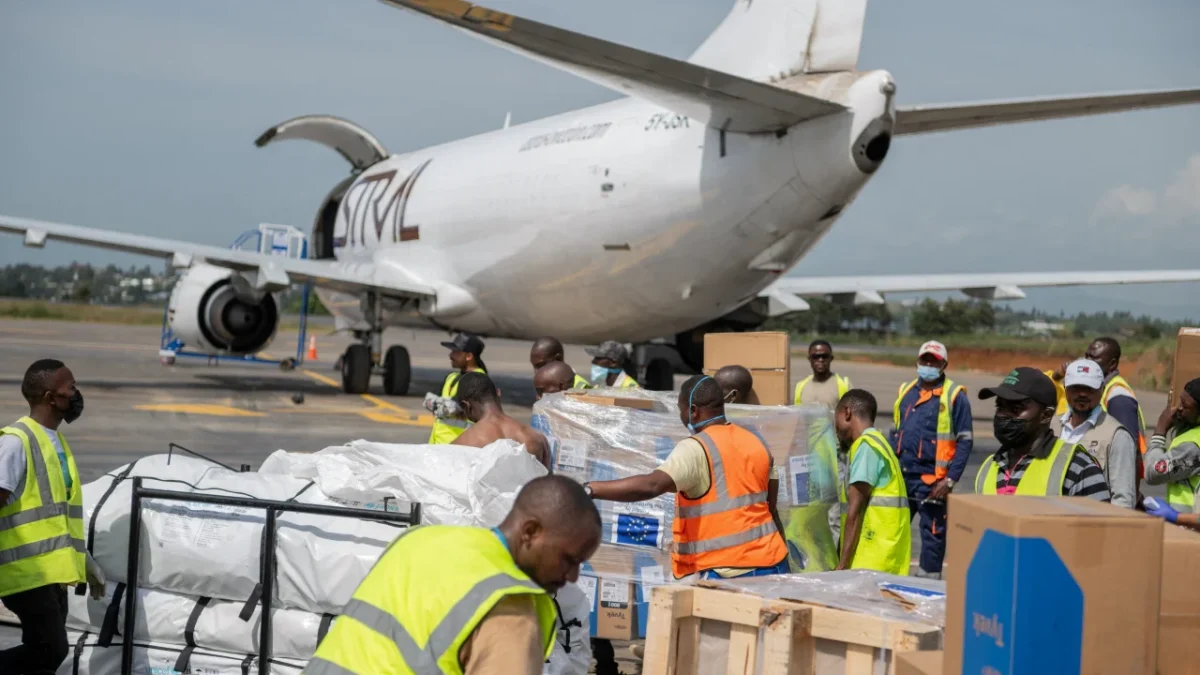
Every traveler boarding an international flight to the United States must now complete a mandatory CDC travel attestation confirming they have not visited the Democratic Republic of the Congo within the previous 21 days. Refusing to sign means airlines will block you from boarding the plane entirely.
The Centers for Disease Control and Prevention instituted the emergency directive in response to the second-largest Ebola outbreak on record. With confirmed figures in the DRC topping 10,200 cases and nearly 5,000 deaths, federal officials are closing off potential transmission corridors before an infection can reach American soil.
While the CDC maintains that the likelihood of the virus spreading within the U.S. remains low, federal border health officials are taking zero chances with inbound air corridors.
Who Must Complete the CDC Attestation?
The scope of this federal order applies across the board. If an aircraft is wheels-up from foreign soil and touching down inside the United States, everyone on board falls under the requirement.
The CDC mandate applies directly to:
- U.S. citizens, permanent residents, and foreign nationals entering or transiting through the country.
- Adults and children on all passenger manifests.
- Flight crews operating the aircraft.
- Commercial flights, general aviation, and private cargo planes.
Exceptions remain extremely narrow. The CDC will only issue exemptions for urgent humanitarian needs, vital government operations, or authorized medical transports carrying patients under strict federal supervision.
How the 21-Day Rule Works at Airport Check-in
Travelers must physically or digitally sign the legal declaration before an airline can issue a boarding pass. This statement certifies that the passenger has not set foot in the DRC at any point during the preceding three weeks.
“Connecting through an airport in DRC also counts as being present in the country, even if you did not leave the airport or the plane.”
Federal health authorities selected the 21-day timeline specifically because it represents the maximum incubation period for the Ebola virus. If an individual contracts the pathogen, symptoms emerge within this window.
What Happens If You Cannot Sign for Yourself?
For traveling minors, a parent, legal guardian, or authorized adult must legally execute the document on the child’s behalf.
Adult passengers unable to sign due to a physical or cognitive disability can have an accompanying family member, travel companion, or designated representative complete the attestation for them.
Busting the Airport Transit Myth
Many travelers assume that remaining airside during an international layover shields them from local health declarations. Under this federal order, that assumption is completely incorrect.
Even if you never clear customs, never collect luggage, and never step outside the terminal gate in the DRC, the CDC legally classifies you as having been present in the country. The same restriction applies if you merely sat on the tarmac during a scheduled refueling stop.
| Requirement Detail | Federal Policy Rule |
|---|---|
| Transit / Layover Status | Connecting through a DRC airport counts as full physical presence in the country. |
| Covered Travel Modes | Applies exclusively to international air travel, not land or sea border crossings. |
| Incubation Window | 21 full consecutive days prior to boarding any inbound U.S. flight. |
| Failure to Comply | Immediate denial of boarding across commercial and private aviation. |
| False Statements | Subject to federal prosecution, criminal fines, and possible imprisonment. |
Airlines Push Back on Implementation Deadlines
The sudden timeline sparked swift friction between the aviation industry and public health authorities. Carrier coalitions, including Airlines for America and the International Air Transport Association, urged federal regulators to reconsider the operational parameters and rollout schedule.
Despite industry appeals, the mandate took effect promptly at 11:59 p.m. EST, placing the enforcement burden directly onto gate agents and airline check-in software worldwide.
“Passengers who do not sign an attestation will not be allowed to board a flight to the United States.”
Compounding the health order, the U.S. State Department maintains a Level 4 “Do Not Travel” advisory for the DRC, citing widespread violent crime, civil unrest, kidnapping, and severe health threats.
Providing false or deceptive information on a federal health attestation carries severe legal consequences. Travelers caught misrepresenting their flight itineraries or travel history face criminal prosecution, substantial federal fines, and potential jail time.
💬 Have you experienced unexpected check-in delays or extra paperwork on your recent international flights? Let us know in the comments below.
✨ Make sure to share this critical travel update with friends and family flying back into the states this season.
📱 Bookmark your airline’s mobile portal early to submit health declarations before heading to the departure gate.
👇 Drop your thoughts in the comments below: do you support mandatory declarations for international flights?
 1
 2
 3
 4
