
Cockatoos Caught Dipping Noodles in Blueberry Yogurt in Vienna Lab Study, Revealing Rare Food-Flavoring Behavior in Animals

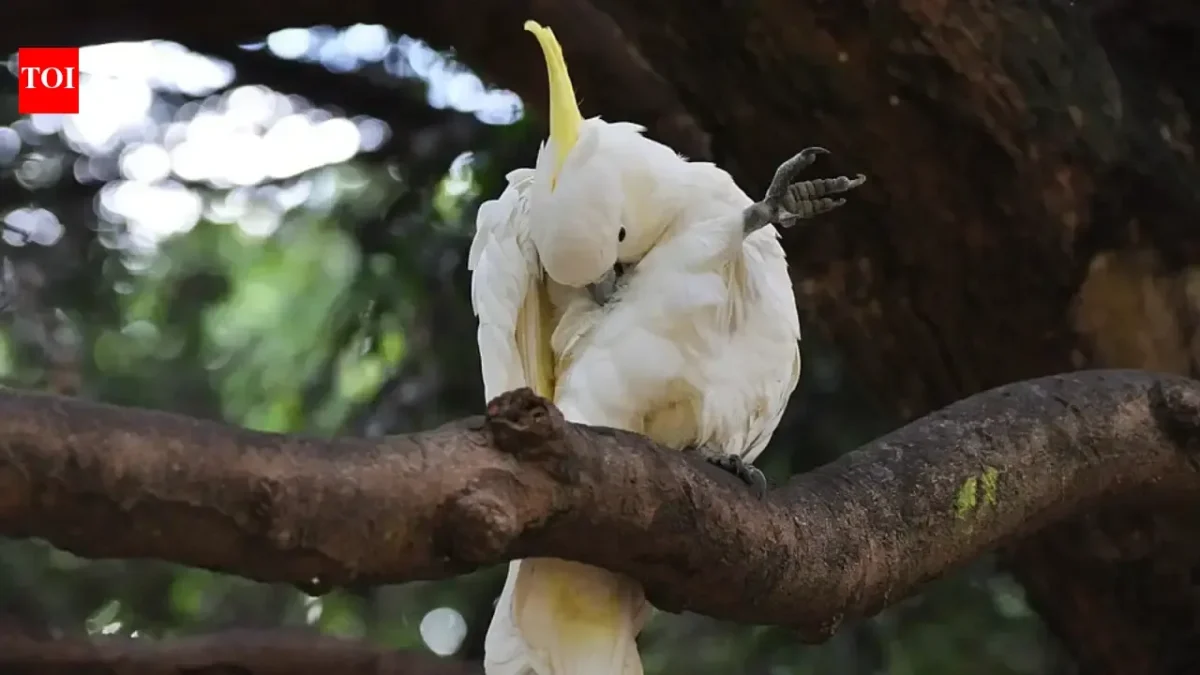
Goffin’s cockatoos in an Austrian laboratory have been observed deliberately dipping boiled noodles and potatoes into blueberry-flavored soy yogurt, providing rare evidence of intentional food-flavoring behavior in non-human animals. Researchers at the University of Veterinary Medicine Vienna documented nine out of 18 birds dunking their breakfast into yogurt bowls.
The behavior goes far beyond accidental dropping or simple food softening. The birds demonstrated clear culinary preferences, repeatedly choosing flavored options over plain alternatives and ignoring certain vegetables altogether.
This surprising habit first came to light in November 2022. During routine breakfast observation, two individual cockatoos named Irene and Renki were caught plunging cooked potato pieces directly into blueberry soy yogurt.
The Vienna Breakfast Experiment: How the Birds Chose Their Dip
Following that initial sighting, researchers Jeroen Stephan Zewald and Alice Marie Isabel Auersperg launched a formal investigation into the flock’s habits. They set up 14 controlled breakfast sessions, each running for 30 minutes, to track how 18 birds interacted with their food.
The birds were presented with a central feeding station containing cooked noodles, boiled potatoes, fresh carrots, and cauliflower. Alongside the food dishes sat three liquid choices: clean water, blueberry-flavored soy yogurt, and a neutral, unsweetened soy yogurt designed as a texture control.
Half the flock took to dipping immediately. Nine cockatoos dunked their food into yogurt, showing a distinct and measurable preference for the blueberry variety over the neutral one.
The findings align with the hypothesis that cockatoos actively alter the taste of their food, marking an exceptional example of culinary innovation in birds.
Color did not drive the selection. Follow-up testing confirmed the birds had no inherent preference for the blue-purple shade. Instead, the blueberry yogurt offered higher sugar levels and distinct fruit flavoring, which the birds actively sought out.
Flavoring vs. Soaking: A Sharp Behavioral Divide
A widespread assumption among observers is that birds only dunk food in liquids to make tough items easier to chew. Previous work by the same team, published in Biology Letters, had established that seven of the 18 cockatoos placed hard, dry rusk into water bowls before eating it.
However, the yogurt study, published in Current Biology, proved that this new habit serves an entirely different purpose. The laboratory team analyzed the mechanics and timing of both actions to identify the distinction.
| Soaking Behavior (Water) | Flavoring Behavior (Yogurt) |
|---|---|
| Targeted hard, dry rusk biscuits | Targeted already soft, cooked noodles and potatoes |
| Submerged for an average of 22.9 seconds | Held in yogurt for an average of 3.2 seconds |
| Left submerged to soften texture | Pressed, rolled, and dragged without release to coat surface |
| Water applied to facilitate swallowing | Flavored yogurt selected over neutral texture control |
The physical handling of the food made the intent clear. When interacting with yogurt, the cockatoos did not let go of their food. They pressed, rolled, and dragged the noodles through the yogurt before pulling them out coated and ready to eat.
Selective Appetites and Individual Innovators
The cockatoos also showed clear boundaries regarding what belonged in yogurt. While boiled noodles were dunked frequently and potatoes occasionally, carrots and cauliflower were never dunked once across all 14 sessions.
Furthermore, dunking was not universal across the entire group. Individual innovation played a significant role in which birds adopted the habit.
- Kiwi and Moneypenny: The only two birds that dunked in both the dry rusk soaking trials and the yogurt dipping sessions.
- Irene and Renki: The original innovators who sparked the study by dipping potatoes during morning feedings.
- The Non-Dunkers: Half the flock chose to consume their food without mixing flavors or textures.
While intentional seasoning has been informally reported in Japanese macaques washing sweet potatoes, controlled experimental demonstrations remain exceedingly scarce across the animal kingdom. These findings confirm that Goffin’s cockatoos possess the behavioral flexibility to innovate new food-preparation techniques strictly for taste.

Here
💬 What do you make of these culinary-minded cockatoos?
✨ Have you ever seen a pet or wild bird alter its food in an unexpected way? Let us know in the comments below!
📱 Share this study with fellow animal lovers and science fans.
 1
 2
 3
 4
