
From Layoff to Lifesaver: How One Man Rescued Nearly 500 Donkeys and Built the First Dedicated Equine Hospital of Its Kind

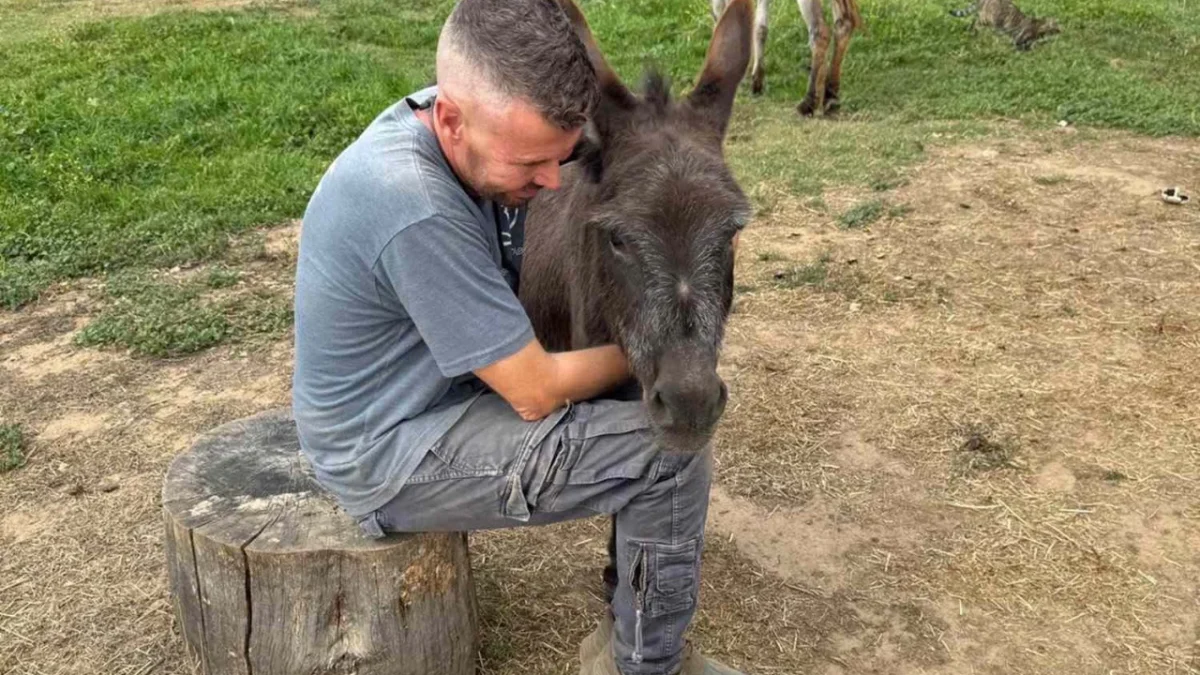
After losing his job during the pandemic, Ron King channeled personal hardship into saving vulnerable animals, creating a donkey rescue network that has protected nearly 500 equines from slaughterhouses across the United States. Today, that emergency mission has expanded into a multi-state sanctuary network featuring the nation’s first specialized medical facility built entirely for donkeys.
The turning point arrived unexpectedly on social media. King stumbled upon a TikTok clip documenting donkeys bound for commercial slaughterhouses, an eye-opening reality that prompted him to draft an immediate business plan to secure nonprofit funding.
What started with just three rescued animals quickly redefined his life’s trajectory.
“I fell madly in love. Now we’ve rescued, I think, 496 donkeys in total since we opened five-and-a-half years ago.”
The Vision Behind Oscar’s Place
The organization was christened Oscar’s Place, honoring co-founder Phil Selway’s late cat. King quickly realized that addressing the systemic risks facing these animals required far more than temporary corrals—it demanded permanent infrastructure.
Initial operations launched in Hopland, California, establishing a home base for rehabilitation, handling, and adoptions. However, the sheer volume of equines requiring long-term intervention soon outgrew the original footprint.
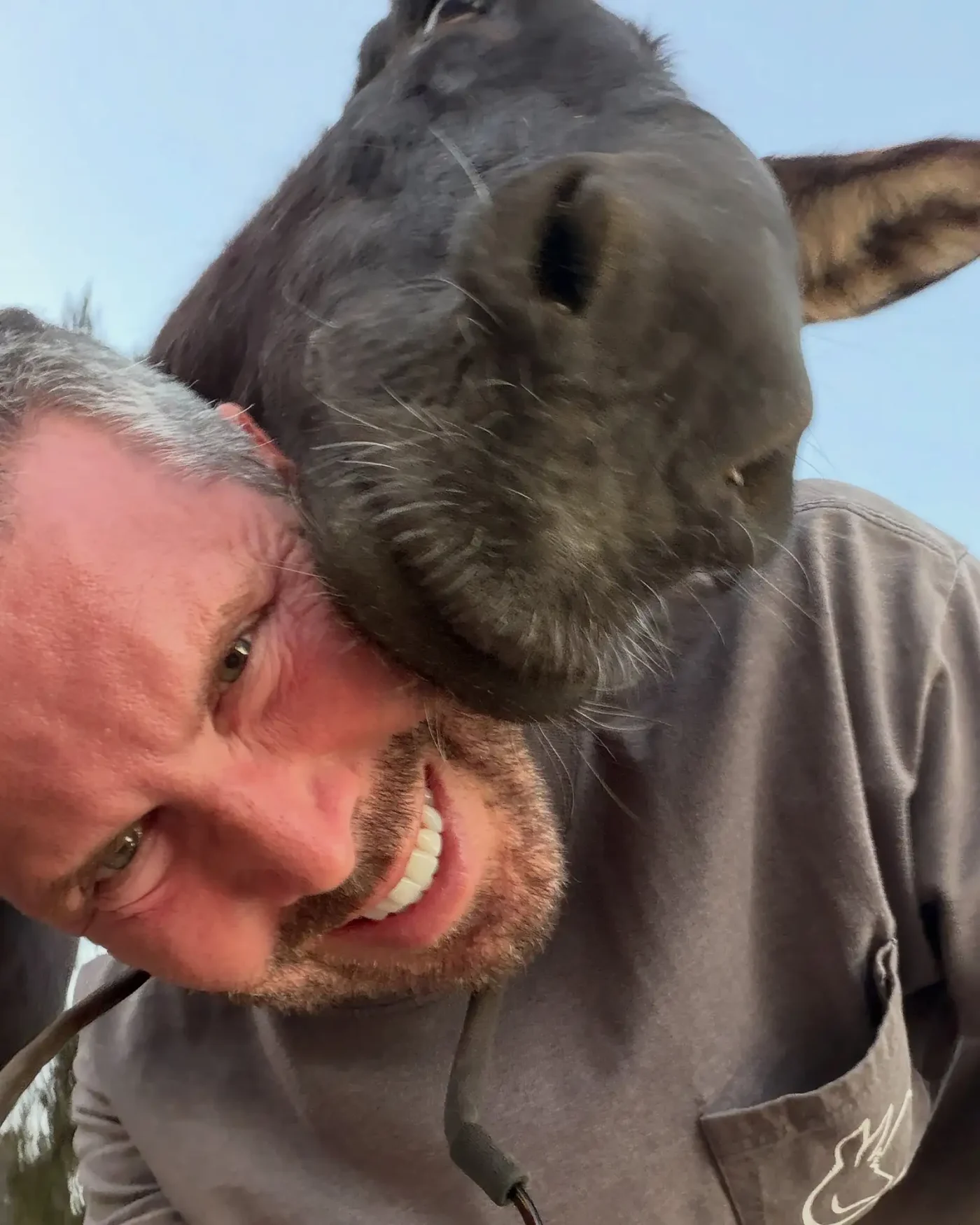
Oscar’s Place Adoption Center & Sanctuary
A transformative gift shifted the sanctuary’s scale dramatically: a 116-acre parcel in Potter Valley, California. This second location was designated specifically for animals unsuited for conventional domestic adoption.
As the nonprofit noted regarding the Potter Valley expansion, the open acreage serves as a sanctuary for donkeys that prefer minimal human interaction, allowing them to roam freely and live undisturbed. Across both California sites, the organization maintains the capacity to support 500 donkeys at any single moment.
Addressing the Cross-Country Transport Crisis
Rescuing animals from livestock auctions in Texas presented a severe logistical hurdle. King brought on board full-time veterinarian Dr. Kate Schoenhals to oversee herd health, uncovering an urgent flaw in the rescue pipeline.
Solving the Transit Sickness Dilemma
Dr. Schoenhals identified that hauling newly acquired, stressed donkeys straight from Texas auctions into long-distance trailers bound for California was causing critical illnesses. The solution required establishing clinical roots directly at the source.
To stop preventable travel complications before they began, King spearheaded the construction of America’s first dedicated donkey hospital in Collinsville, Texas. The clinical outpost provides rapid intake, stabilization, and diagnostics prior to long-haul transit.
| Operational Stage | Intake Timeline & Protocol |
|---|---|
| Previous Routine | Purchased Sunday at noon; initial veterinary examination delayed until Tuesday at 5:00 p.m. |
| Current Hospital Protocol | Purchased Sunday at noon; comprehensive veterinary assessment completed by 2:00 p.m. the same day. |
Busting Common Equine Misconceptions
Many assume donkeys share the exact hardiness and veterinary requirements of horses. In reality, donkeys display subtle signs of pain, metabolize medications differently, and can decline rapidly under transport-induced stress.
By cutting clinical intervention wait times down to just two hours post-purchase, the Collinsville facility dramatically reduces mortality rates during cross-country relocations.
“We would buy our donkeys on Sundays at noon, and they would be seen by the doctor for the first time on Tuesday night at 5 p.m. Now we buy them at noon, and they’re seen by a doctor by 2 p.m.”
King’s long-term objective remains straightforward: leveraging these coordinated medical and sanctuary hubs to deliver a lasting, positive impact across the entire welfare landscape for working equines.
✨ Inspiring turnarounds show how personal resilience can reshape animal welfare nationwide.
📱 Grassroots rescues continue to rewrite the standard of veterinary care for overlooked farm animals.
💬 What do you think of this nationwide rescue model? Drop your thoughts in the comments below!
 1
 2
 3
 4
