
Inside Balmoral Castle: Why Queen Elizabeth Chose Scotland Over London for Her Final Days—and the Funeral Concern That Almost Kept Her Away

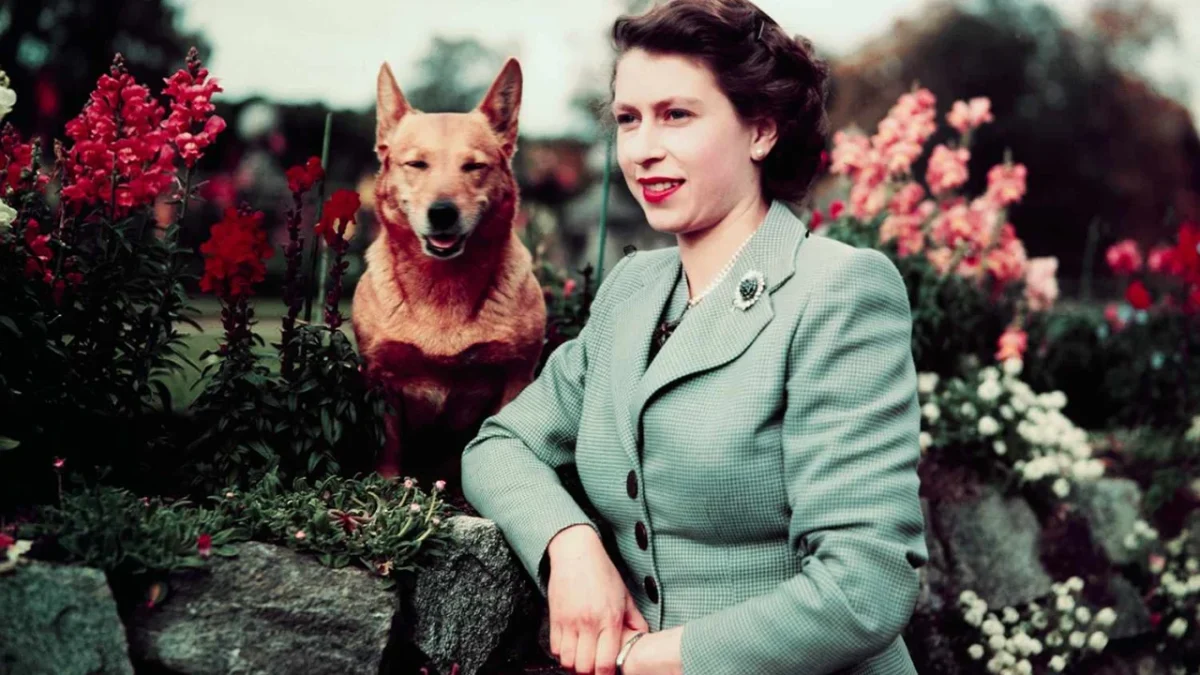
When Queen Elizabeth passed away on Sept. 8, 2022, at age 96, she was not surrounded by the state apartments of Buckingham Palace or Windsor Castle. Instead, she spent her final moments at Balmoral Castle, her expansive retreat in Aberdeenshire, Scotland—a deliberate personal choice that she nearly reconsidered out of pure concern for royal protocol.
Her son, King Charles, later revealed to the Scottish Parliament that his mother deliberately “chose” to spend her closing chapters at the historic Scottish estate. Yet behind that peaceful decision stood an internal dilemma: Princess Anne disclosed that the late monarch feared passing away in the Highlands would create logistical nightmares for state funeral planners.
Her family successfully persuaded her to put her comfort first. For a monarch who spent seven decades balancing public service with private sacrifice, that choice underlined what the 53,000-acre sanctuary meant to her identity.
A Royal Sanctuary Spanning Over 170 Years
The British royal family’s deep connection to Balmoral is not a modern development. Prince Albert, husband to Queen Victoria, purchased the original Aberdeenshire estate in 1852.
At the time of purchase, the grounds encompassed roughly 17,000 acres. Over more than 170 years, the royal family steadily expanded the property into a breathtaking 53,000-acre domain featuring towering hills, wild moorland, protected woodlands, manicured gardens, mazes, and a nine-hole golf course.
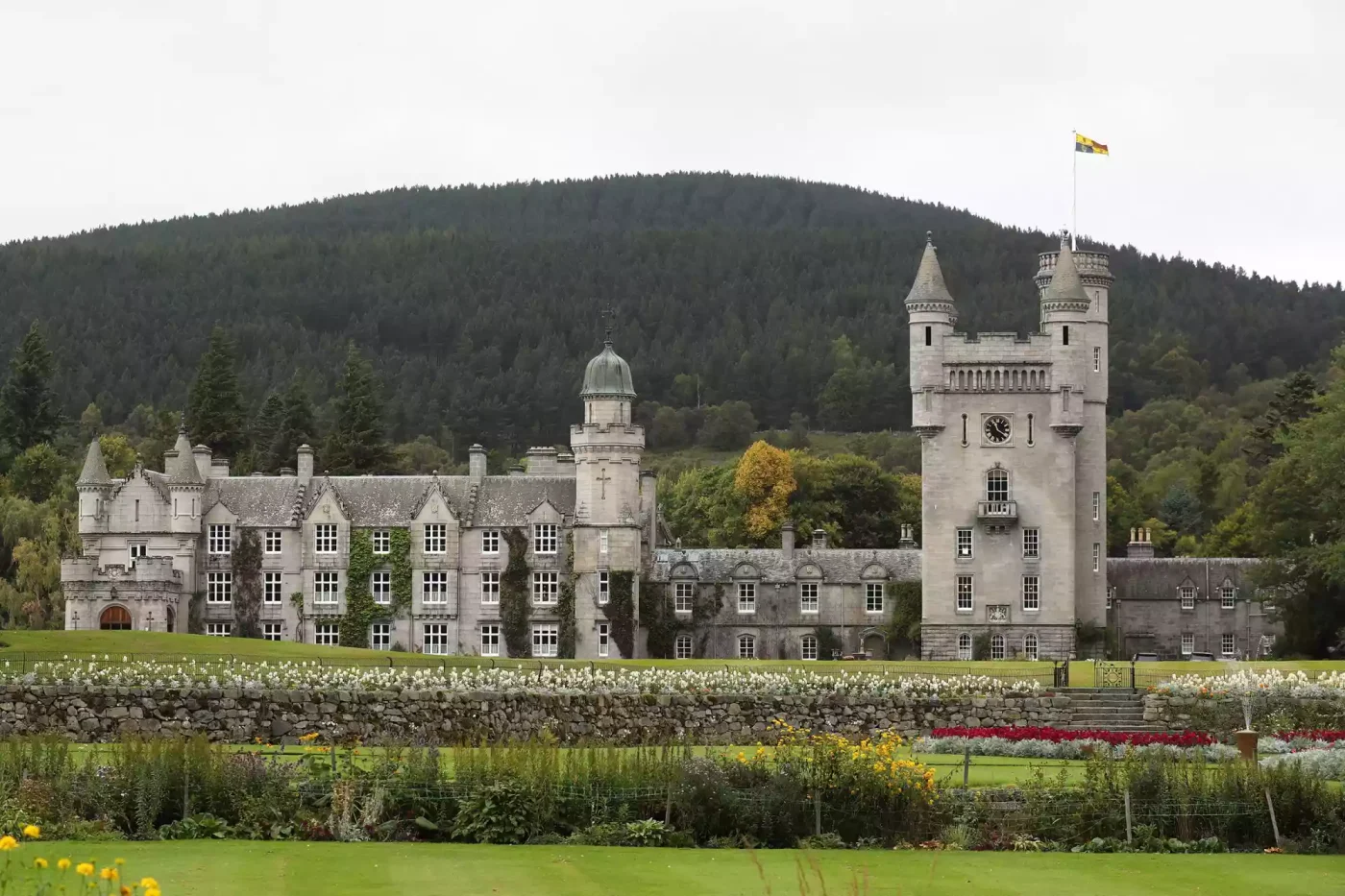
Balmoral Castle in Scotland.
Every August, the estate transformed into a private haven away from public scrutiny. Free from cameras, the royal family spent late summers hosting shooting parties, fishing, organizing dances, and holding rustic countryside picnics.
“I think Granny is the most happy there. I think she really, really loves the Highlands,” Princess Eugenie shared in the 2016 documentary Our Queen at Ninety.
The late Sir Malcolm Ross, former Comptroller of the Royal Household, once explained the unique relief the estate offered the monarch to the BBC:
“It’s the wide open spaces. No distractions, no aeroplanes, no noise, no traffic. Just this lovely estate where she can freely roam everywhere. She can relax, with her dogs, just doing what she thought normal people did, and indeed what normal people do.”
Red Boxes, Horseback Rides, and Mistaken Identity
Balmoral was never an ordinary vacation home; it was a functioning outpost of the British state. While Queen Elizabeth spent hours outdoors riding horses and walking her dogs, royal duty followed her to the Scottish Highlands without interruption.
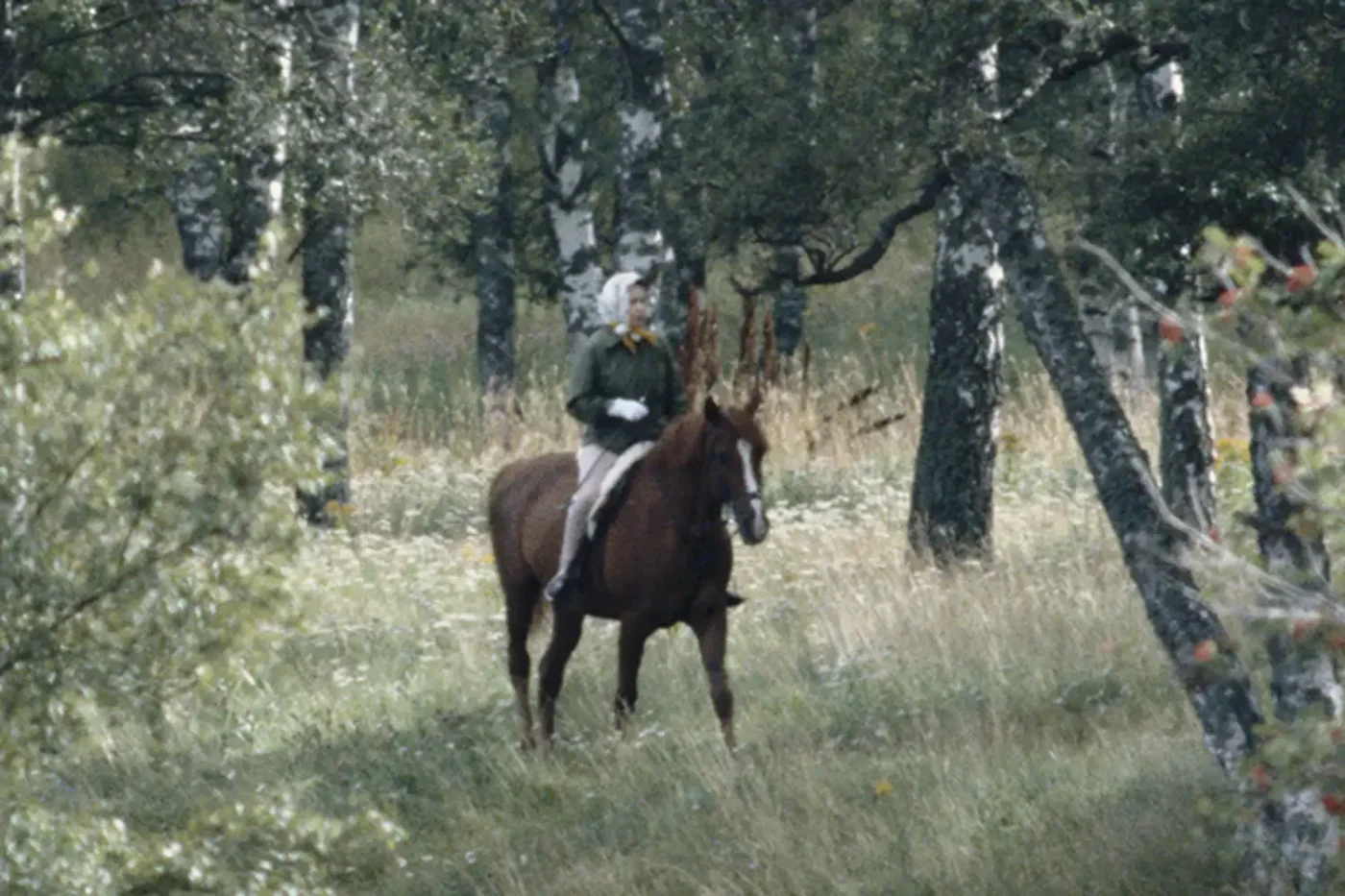
Queen Elizabeth II horse riding on the Balmoral estate.
Every morning, government couriers delivered the monarch’s daily diplomatic papers in official red boxes. She regularly hosted visiting prime ministers for annual visits and welcomed foreign dignitaries to the remote estate.
The American Tourist Encounter
Despite heavy security, the vastness of Balmoral Castle allowed the Queen rare moments of anonymity. She once observed that on the grounds, “You can go out for miles and never see anybody; there are endless possibilities.”
That isolation once produced an iconic encounter recounted by former royal protection officer Richard “Dick” Griffin. While walking the estate grounds, the Queen and Griffin encountered two visiting American tourists who failed to recognize the sovereign dressed down in country tweeds.
When the tourists casually asked if she had ever met the Queen, she reacted without missing a beat:
“Quick as a flash she said, ‘I haven’t, but Dick here meets her regularly.’”
The tourists never realized they had just handed their camera to Queen Elizabeth herself so she could snap a vacation photo of them posing with Griffin.
The Funeral Logistics Dilemma
A widespread assumption among royal observers was that monarchical deaths are scripted decades in advance without personal hesitation. Documented accounts reveal that Queen Elizabeth wrestled deeply with the real-world fallout of dying in Scotland rather than London.
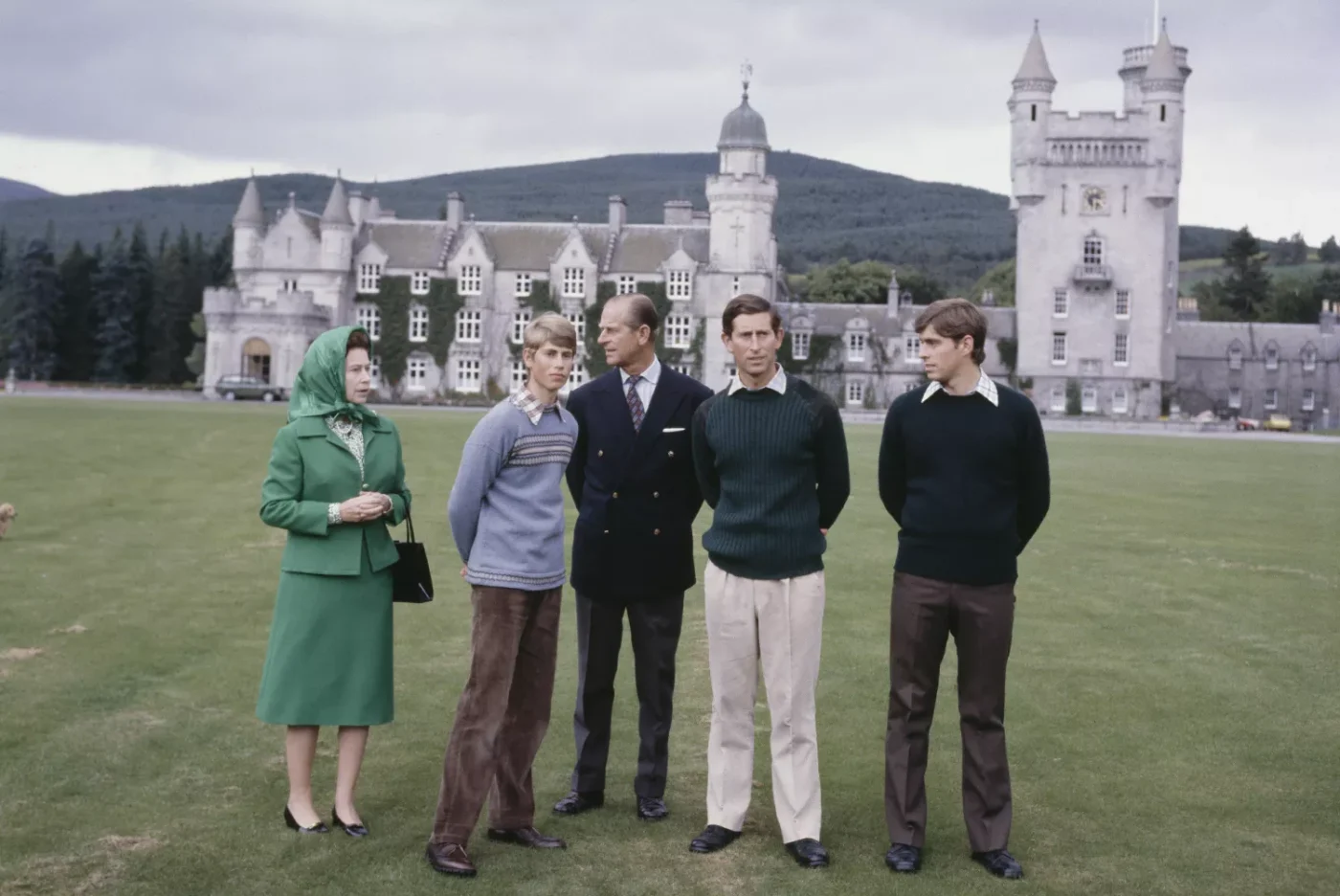
Queen Elizabeth II with Prince Philip and their sons Prince Edward, Prince Charles, and Prince Andrew on the Balmoral Castle grounds.
In the documentary Charles III: The Coronation Year, Princess Anne explained that the Queen worried passing away at Balmoral would burden authorities with complex cross-border state funeral operations.
“I think there was a moment when she felt it would be more difficult if she died at Balmoral. I think we did try to persuade her that that shouldn’t be part of the decision-making process. So I hope she felt that was right in the end, because we did.”
Balmoral Today: Royal Ownership vs. Public Access
Following Queen Elizabeth’s death, Balmoral Castle passed into the private ownership of King Charles. While the King and members of the royal family continue the annual late-summer tradition, the estate operates differently for the public throughout the rest of the year.
| Estate Dimension | Operational Reality |
|---|---|
| Total Land Area | Over 53,000 acres in Aberdeenshire, Scotland (expanded from 17,000 acres in 1852) |
| Public Access | Open seasonally for garden tours, woodland walks, dog walking, and historical exhibitions |
| Visitor Accommodations | Holiday cottages located directly across the private estate grounds |
| State Traditions | Annual official visits from the British Prime Minister alongside daily diplomatic review |
Visitors can now walk their dogs across select parts of the property, tour curated exhibits, wander the castle gardens, or rent one of several holiday cottages tucked into the landscape.
The estate remains an enduring symbol of the late monarch’s seven-decade reign—a place where she balanced state papers with private country life until her very last day.
💬 Queen Elizabeth’s quick-witted prank on unsuspecting American tourists remains one of the most beloved Balmoral stories.
✨ From rural dog walks to managing national affairs from red boxes, the estate held a role unlike any other royal palace.
👇 What surprises you most about Queen Elizabeth’s private life at Balmoral Castle? Share your thoughts in the comments below.
 1
 2
 3
 4
