
Rock Legend John Mellencamp Reveals Severe Hearing Loss and Pulsatile Tinnitus Battle, Vowing Never to Wear Hearing Aids

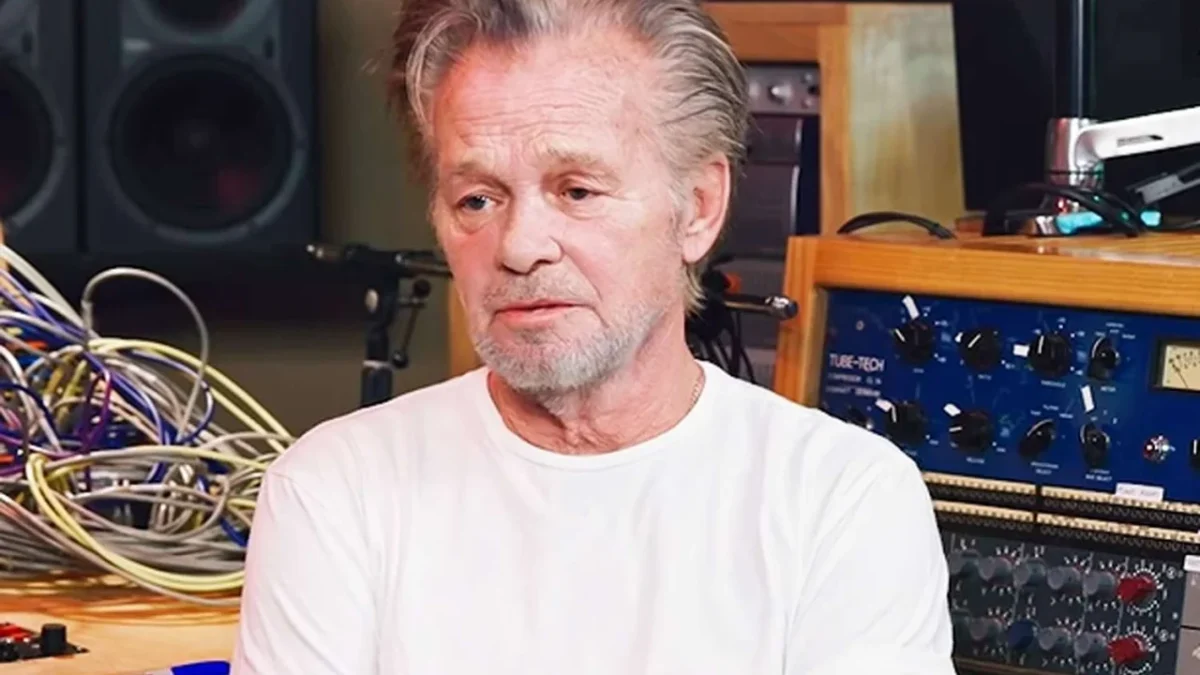
Rock icon John Mellencamp revealed he is battling severe hearing loss and a condition known as pulsatile tinnitus, warning that decades on stage may leave him completely deaf by the time he steps away from live touring. Even with his ears ringing constantly and hearing his own heartbeat drown out public conversations, the 75-year-old Grammy winner refuses to ever wear hearing aids.
Speaking alongside his son Hud on the Nepo, Baby! podcast, the “Jack & Diane” singer laid bare the steep physical toll five decades of live amplified sound have taken on his ears.
“I’ll probably be totally deaf by the time the tour’s over. I wear earplugs and stuff, but I do not ever, will I ever get hearing aids.”
The Family Advice Behind Mellencamp’s Hearing Aid Refusal
While millions of older adults rely on medical devices to restore auditory clarity, Mellencamp’s resistance stems from family advice passed down decades ago. His grandmother gave him a stern warning that permanently shaped his perspective on assistive devices.
“She said, ‘John, don’t ever get hearing aids because once you get them, you can’t live without them. If you think chasing around a pair of glasses is a drag, wait till you start chasing around a pair of glasses and some hearing aids.’”
That rigid mindset remains unchanged, even as basic social interactions have become nearly impossible to navigate in everyday public settings.
Living With Pulsatile Tinnitus: When Background Noise Takes Over
Standard tinnitus typically presents as an internal buzzing or high-pitched whistle. John Mellencamp, however, suffers from a more debilitating variant called pulsatile tinnitus, which the Cleveland Clinic describes as a rhythmic swooshing or whooshing noise inside the head that syncs directly with blood flow and pulse rates.
This relentless internal rhythm makes ordinary outings, particularly dining out, an exhausting sensory battle.
“I don’t like going out [to eat] ‘cause I can’t hear. Right now, my ears are ringing like crazy and I have pulsatile tinnitus, which is I hear my heartbeat,” Mellencamp explained. “And we go into a restaurant and it’s just like, ‘Well, I’m out.’ Because I can’t hear anything, because I hear all this noise and stuff and you know, I’m sure people don’t want to keep [yelling] in my face or… so just add tinnitus on top of that and it’s impossible.”
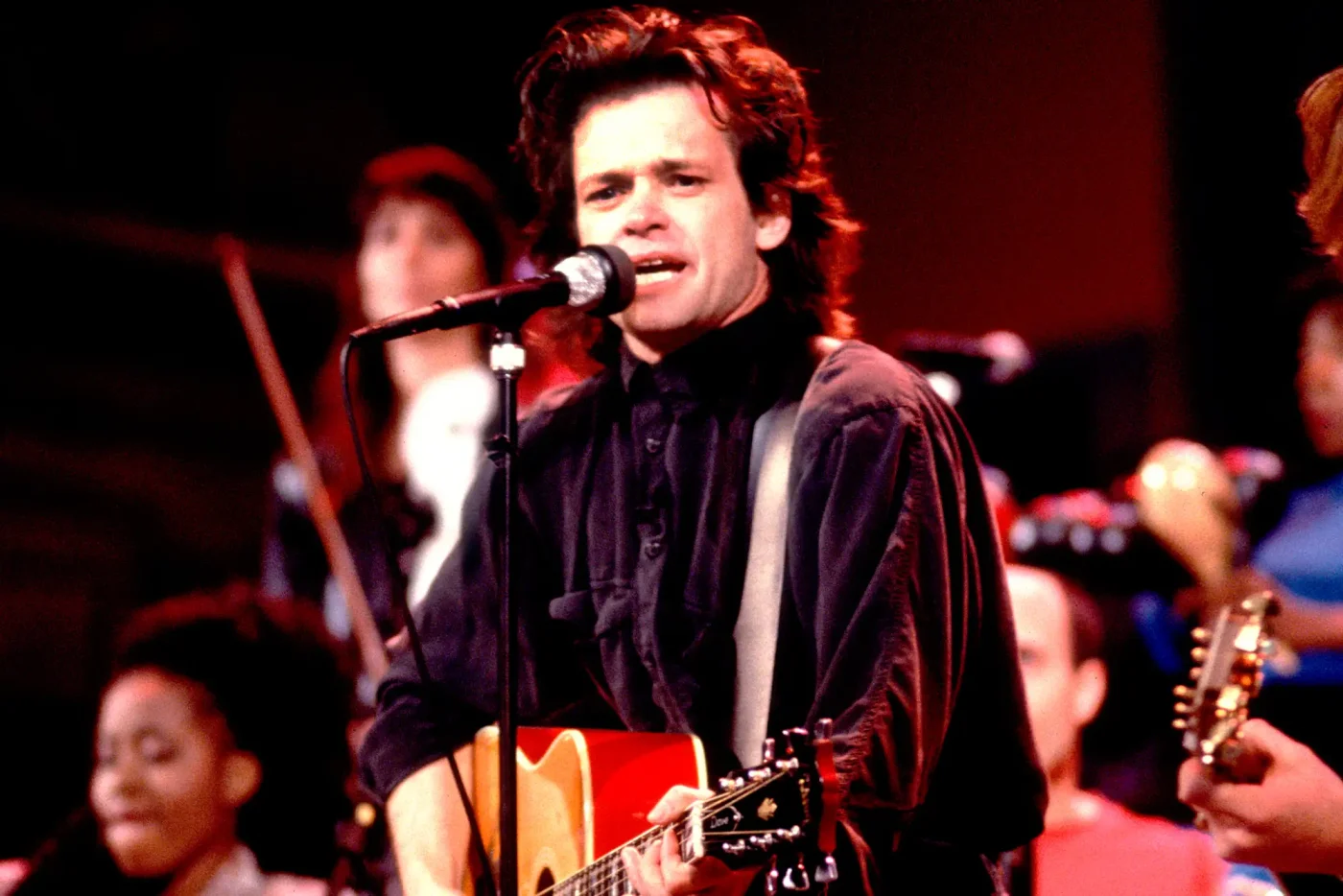
John Mellencamp appearing on the David Letterman Show filmed at the Chicago Theater in Chicago, Illinois, May 4, 1989.
A Generation of Rockers Facing Auditory Damage
Mellencamp is far from alone in dealing with permanent auditory damage from long careers on stage. Decades before custom modern in-ear monitoring systems became standard, performers stood inches from massive speaker cabinets and roaring crowds night after night.
Other legendary figures across American and international rock music have shared remarkably similar battles:
- Eric Clapton revealed that persistent tinnitus has left him going deaf after decades of stadium performances.
- Dave Grohl admitted on The Howard Stern Show that he has been reading lips for over 20 years due to severe left-ear hearing damage.
- Paul Simon and Pete Townshend have publicly addressed profound hearing struggles stemming from long-term musical careers.
How Common Tinnitus Differs From Pulsatile Tinnitus
The public frequently confuses common ringing in the ears with the vascular condition Mellencamp manages daily. Understanding the difference highlights why public environments prove so challenging for the rocker.
| Auditory Condition | Documented Symptoms & Characteristics |
|---|---|
| Standard Tinnitus | Continuous or intermittent high-pitched ringing, buzzing, or hissing generated by damaged inner ear hair cells. |
| Pulsatile Tinnitus | Rhythmic whooshing or thumping that matches the heartbeat, often linked to vascular changes and blood flow near the ear. |
50 Years of Music and New Creative Milestones
Despite his escalating auditory limitations, Mellencamp has not stepped away from artistic output. He wrapped his nearly 20-date Dancing Words Tour — The Greatest Hits run in August, demonstrating his enduring stage presence.
Expanding into literary projects, he released John Mellencamp: The Songbook: 50 Years of Songs and Poetry on September 29. The comprehensive volume features previously unpublished images, behind-the-scenes lyric histories, and an exclusive foreword penned by author Stephen King.
While his creative legacy remains firmly intact, Mellencamp’s candid admissions highlight the heavy physical cost that comes with a lifetime dedicated to loud American rock.
💬 Mellencamp’s refusal to adopt hearing aids highlights how stubborn family advice can dictate health choices, even amid serious hearing loss.
📱 Decades of rock performances have taken a documented toll on legendary musicians from Dave Grohl to Eric Clapton.
👇 Have you or someone in your family dealt with pulsatile tinnitus or severe hearing loss? Share your perspective in the comments below!
 1
 2
 3
 4
