
Tennessee Death Row Inmate Christa Pike Rushed to ER, Now Fighting Prison Isolation After Surviving Botched Execution

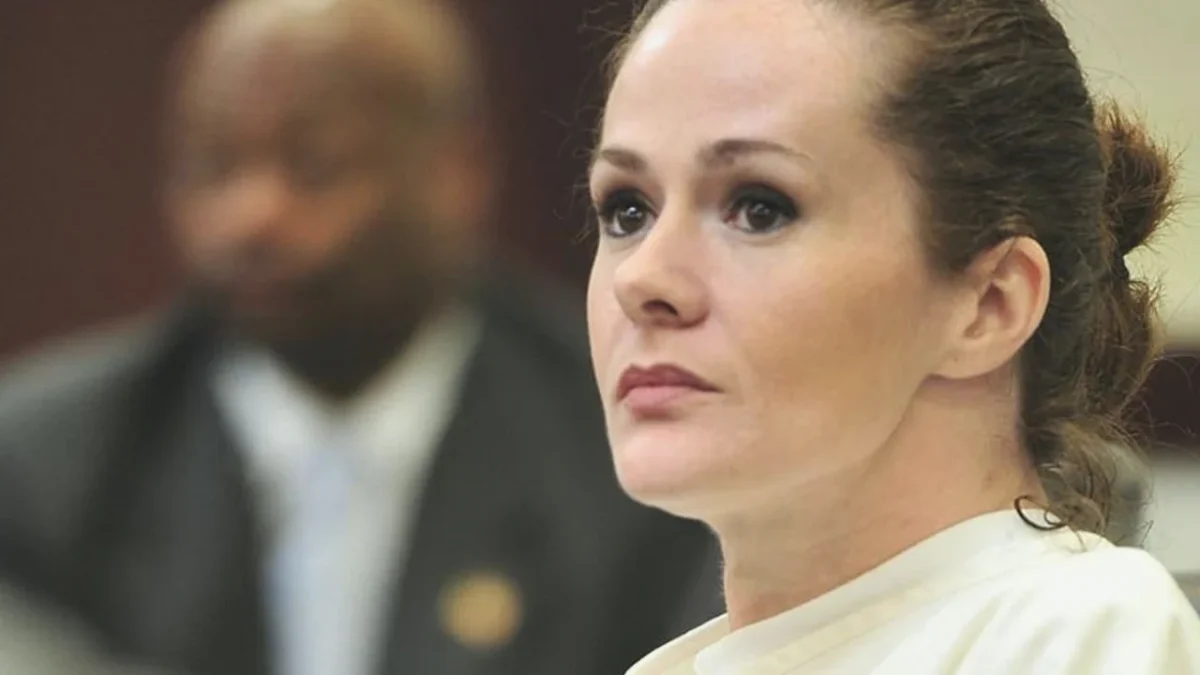
Tennessee death row inmate Christa Pike has returned to a hospital emergency room and is now locked in an emergency legal battle against severe infirmary isolation following her botched execution. Pike, who was released from a Nashville hospital back into state custody on Oct. 9, argues in court filings that her current confinement conditions pose imminent dangers to her physical health.
In a personal declaration filed alongside an urgent legal motion, Pike revealed she required emergency medical evaluation shortly after her prison transfer. While hospital staff did not readmit her for inpatient care, she claims her ongoing physical weakness leaves her uniquely vulnerable behind bars.
Her attorneys are demanding immediate intervention from state officials, arguing that her complete seclusion in the prison infirmary causes measurable daily harm.
Emergency Filings Detail Sanitation Risks and Infirmary Isolation
According to sworn statements obtained from court records, Pike spends virtually all of her time alone in a prison infirmary cell, leaving only for scheduled consultations with her legal defense team. The motion seeks to overturn this total segregation and reintegrate her into standard congregate activities.
Pike detailed specific living conditions that she asserts directly threaten her recovery, including mandatory sanitation chores in unsanitary environments.
“I am being forced to carry out tasks that put me at a high risk of infection and further injury, such as having to clean my roach-infested shower.”
Her legal team maintains that keeping Pike confined to the infirmary under these conditions breaches previous administrative agreements regarding her treatment and housing.
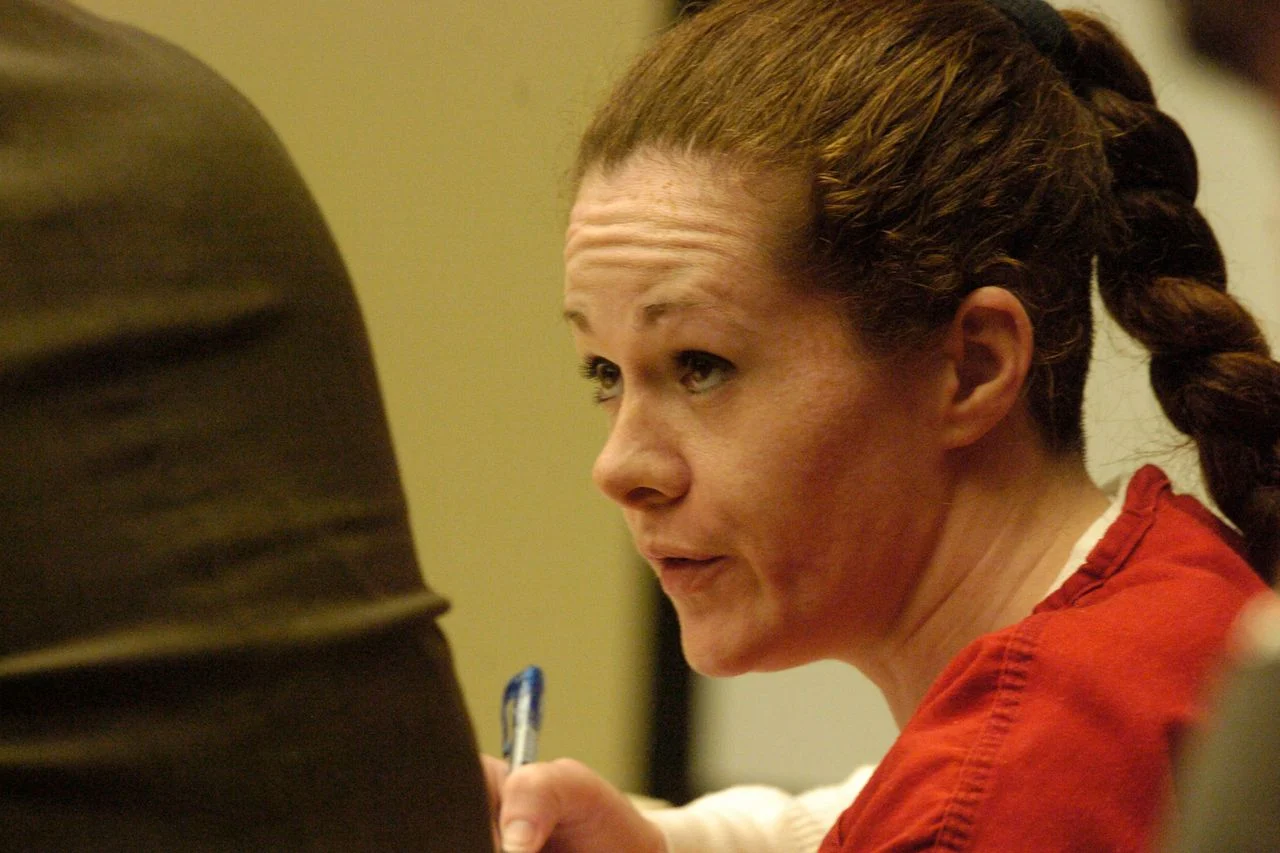
Christa Pike in 2008. Credit: J. Miles Cary-USA TODAY NETWORK via Imagn Images
Physical Fragility Prevents Return to Previous High-Security Housing
While the emergency motion requests an end to total isolation, Pike explicitly stated she cannot safely return to the housing unit where she lived prior to the failed execution procedure. That unit housed inmates classified under close custody with extensive records of violence.
“This pod houses inmates with significant histories of assaults and disciplinary problems. In my two years living in this pod after entering into the settlement, I witnessed multiple assaults by close custody inmates of other inmates and guards, multiple individuals who were undergoing acute psychological breakdowns, and significant danger.”
Pike emphasized that her current physical state leaves her completely unable to withstand any potential confrontation or physical threat from other residents in that tier.
“I could not defend myself or get away if another inmate attacked me,” Pike explained in her declaration. “I am afraid that I will be seriously hurt if I am moved to that pod while I am this weak.”
The Gap Between Prison Custody and Reintegration Requests
A widespread assumption surrounds post-medical prison protocol: that inmates returning from outside hospitals automatically transition back to general population housing. In reality, security classifications, medical restrictions, and active litigation often trap individuals in extended administrative limbo.
Rather than seeking specialized privileges, Pike’s filing requests access to standard group environments alongside other inmates, provided security and medical precautions are observed.
| Requested Privileges | Current Confinement Status |
|---|---|
| Group meals and communal lobby time | 24-hour confinement in the prison infirmary |
| Participation in shared religious services and classes | Exclusion from all congregate programming |
| Shared recreation and prison work assignments | Isolation broken only by legal visits |
| Protection from high-violence security units | Unresolved permanent housing placement |
Legal Deadlines and the State Execution Moratorium
The legal fight unfolds against an unprecedented halt to capital punishment across the state. Gov. Bill Lee placed a one-year moratorium on all Tennessee lethal injections following the technical failure of Pike’s scheduled execution.
Pike was originally sentenced to death for the 1995 murder of 19-year-old Colleen Slemmer in Knoxville, where Pike, then 18, and an accomplice tortured and fatally attacked the victim with a box cutter.
No final determination has been announced regarding any future execution attempts, keeping her legal status tied directly to the state’s broader death penalty review.
The presiding judge established strict procedural deadlines to rule on the emergency filing:
- State Response Deadline: The defendants must submit their formal response to Pike’s claims by Nov. 4.
- Defense Reply Deadline: Pike’s legal team has until Nov. 6 to file their final reply brief before a judicial ruling.
“The motion was filed on an emergency basis because each day of continued isolation causes further harm to Ms. Pike. It asks the court to order the State to end her isolation and restore the protections in the agreement as far as her medical needs and safety allow.”
Her defense counsel affirmed they continue pursuing a cooperative agreement with correctional authorities to secure safe housing that accommodates her medical care.
💬 Legal battles surrounding prison infirmary care and capital punishment protocol continue to test constitutional boundaries.
📱 Pike’s case highlights the complex medical challenges states face when capital procedures fail.
👇 Drop your thoughts in the comments below: How should corrections departments balance inmate safety and medical recovery during an execution moratorium?
 1
 2
 3
 4
