
Why Former Twitter Head and NATAS CEO Adam Sharp Calls Elon Musk’s X ‘Unrecognizable’ as Daytime Soaps Surge

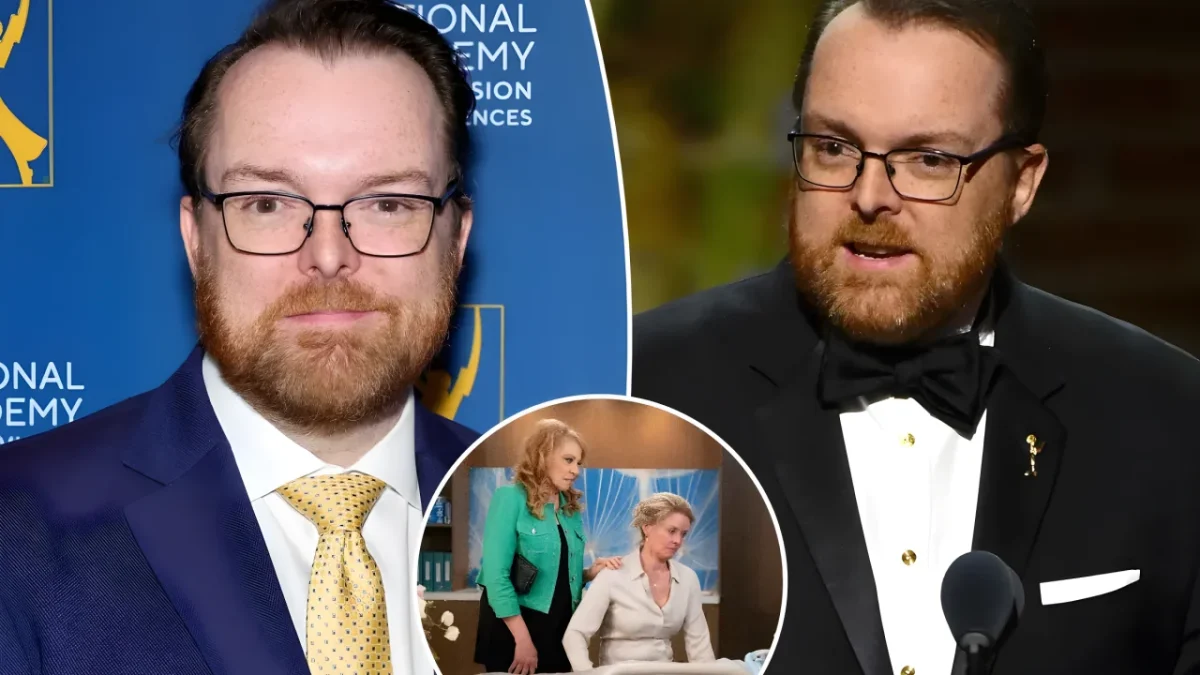
Daytime television is not dying—it is quietly dominating digital streaming, while social media platforms are running into unprecedented identity crises. National Academy of Television Arts & Sciences (NATAS) president and CEO Adam Sharp confirmed that daytime dramas frequently outpace primetime shows on streaming platforms, even as digital spaces like Elon Musk’s X become unmoored from their founding principles.
Sharp occupies a rare vantage point at the crossroads of entertainment, technology, and media literacy. As the former head of news, government, and elections at Twitter, his perspective bridges classic Hollywood broadcast models and high-stakes algorithmic information ecosystems.
Ahead of the Daytime Emmys at the Hollywood Palladium, Sharp revealed critical shifts reshaping the business: legacy soaps are thriving on on-demand apps, television academies are exploring historic structural changes, and generative AI is destabilizing democratic trust.
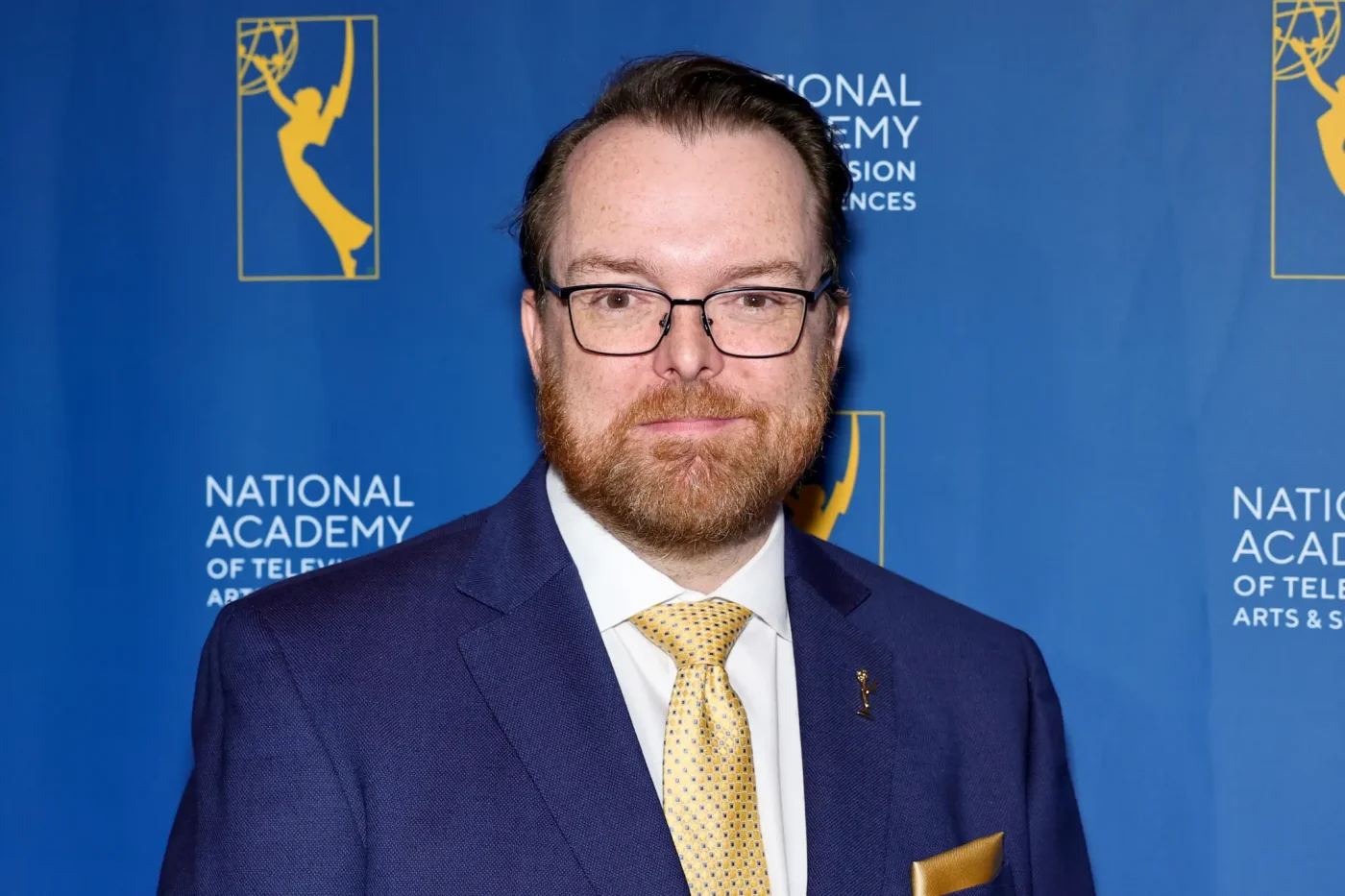
Adam Sharp attends the 46th Annual Sports Emmy Awards.
The Streaming Myth: Why the Daytime Soap Opera Never Actually Died
For decades, conventional industry wisdom declared the broadcast soap opera a dying medium. Linear network ratings steadily slipped as viewership patterns shifted, leading casual observers to conclude that audiences had simply outgrown serialized melodrama.
That widespread assumption is entirely false. Sharp pointed out that the collapse of daytime broadcast figures was never driven by declining creative appeal, but by economic shifts in American households.
Forty years ago, single-income households were commonplace, allowing millions of viewers to tune in during afternoon time slots. As dual-income households became standard, audiences could no longer sit in front of a television set at 1:00 PM.
Streaming platforms eliminated that barrier entirely. Viewers have returned in droves on a time-shifted basis, pushing daytime staples past big-budget evening dramas in catalog metrics.
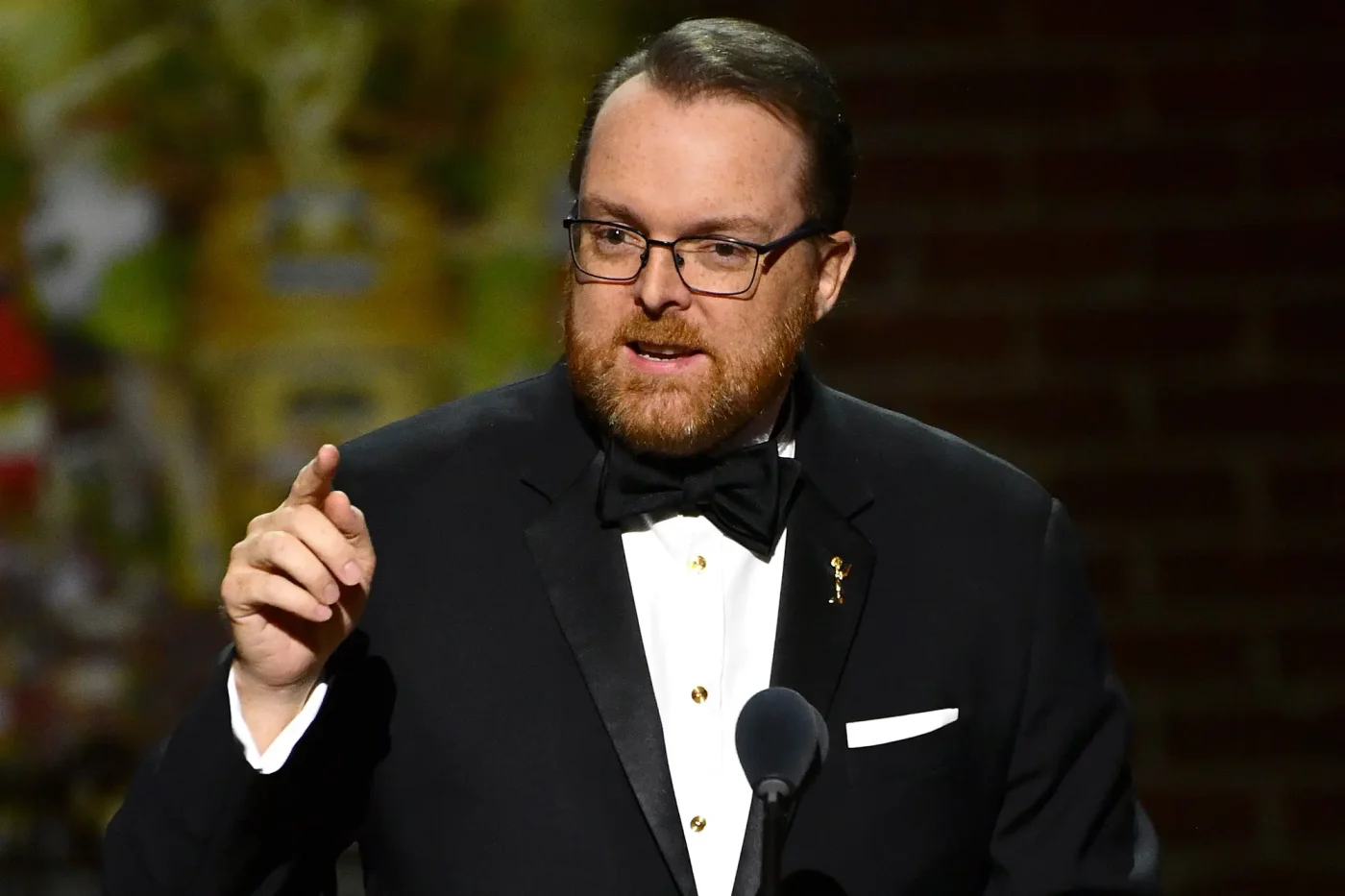
Actor and writer Dave Horwitz speaking at a podium.
Streaming Outlets Cashing In on Serial Drama
When NBC moved legacy giant Days of Our Lives exclusively to Peacock, critics predicted audience attrition. Instead, daytime viewership transitioned seamlessly into high engagement.
Similar trends play out across rival apps. Serial programming produces consistent, daily viewing habits that short-season prestige dramas struggle to sustain.
| Platform | Top Performing Daytime Title |
|---|---|
| Peacock | Days of Our Lives |
| Paramount+ | The Young and the Restless & The Bold and the Beautiful |
| Hulu | General Hospital |
| Broadcast & Digital | Beyond the Gates (15 Emmy nominations) |
The appetite for serialized storytelling remains massive. The business model evolved to fit consumer lifestyles, proving that content delivery methods—not the stories themselves—were the real hurdle.
Healing a 50-Year Split: NATAS and Television Academy Reunification
The changing technological landscape is also forcing Hollywood institutions to reconsider borders drawn nearly half a century ago. NATAS and the Television Academy announced discussions regarding potential reunification after separating in the late 1970s.
Sharp noted that naming organizations after physical transmission devices or time slots no longer matches reality. When institutions were created mid-century, honors were grouped around specific equipment.
“There was a time when all of the Academies were founded, mid-last century, based on the physical piece of hardware they were recognizing… And if we were all still defined that way, we would all be merged into the iPhone Academy of Arts & Sciences long ago.”
Arbitrary barriers dividing industry professionals across daytime, primetime, news, and documentary fields no longer serve working talent. Navigating modern contraction and labor shifts requires unified institutional representation.
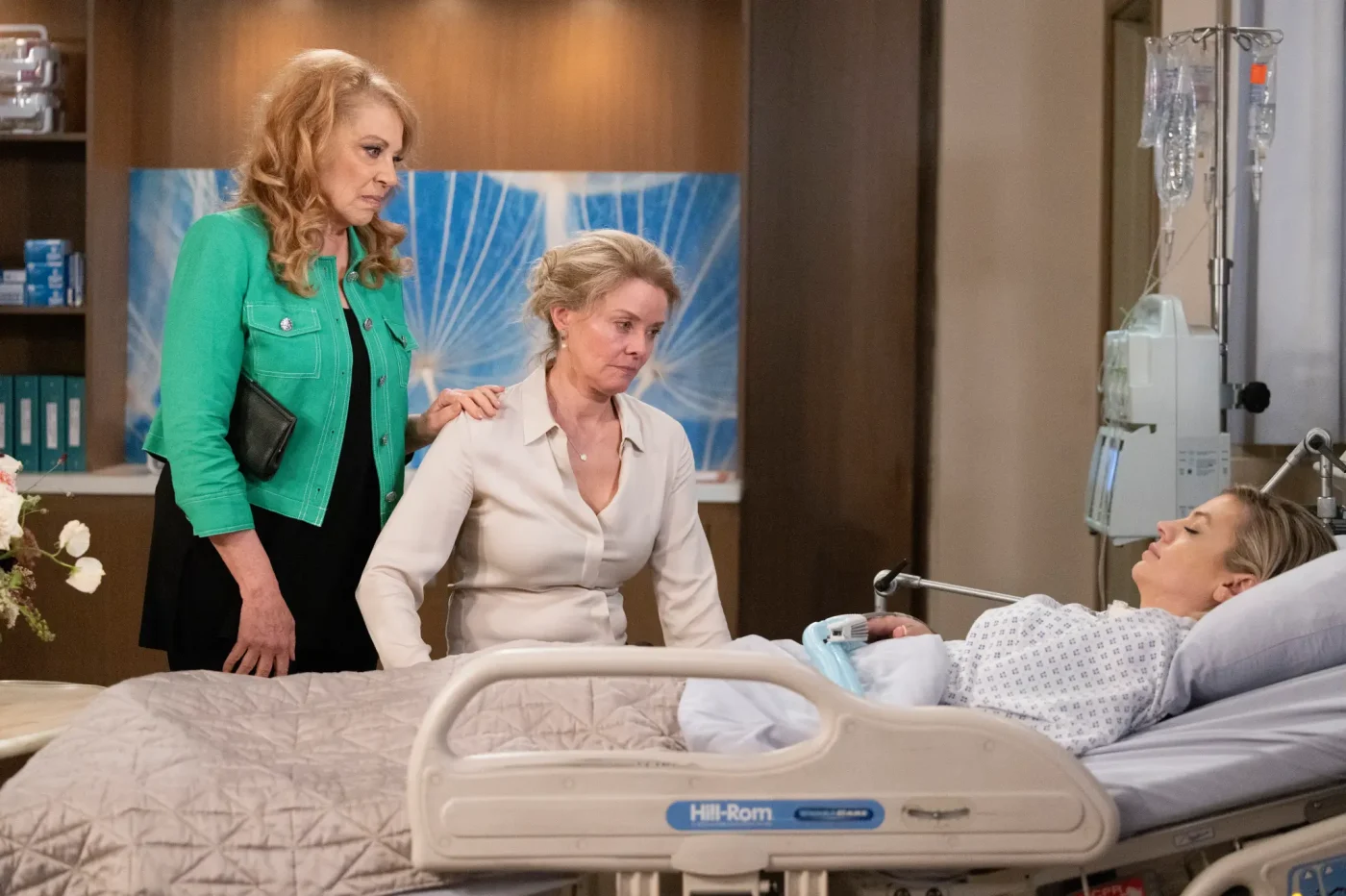
Daytime drama hospital sequence.
AI Deepfakes and the Crisis of Public Trust
Sharp spent six years guiding news, government, and elections at Twitter before taking the helm at NATAS. Having navigated early political disinformation during the 2016 and 2020 election cycles, he warns that the rapid rise of artificial intelligence creates an unprecedented challenge.
Modern generative software produces hyper-realistic synthetic video, audio, and images at scale. The barrier to entry for coordinated manipulation campaigns has vanished.
Yet the primary danger extends beyond manufactured media itself. Sharp highlighted that the total erosion of institutional trust poses a much greater risk to the public sphere.
“Now we are at a stage of overcorrection where when you look across the political spectrum, you have those who trust only the mis- or disinformation and you have those who trust nothing. But there’s no one left who really seems to trust anyone who should be trustworthy, and I think that is dangerous.”
Audiences increasingly dismiss verified, rigorously reported facts while falling prey to hyper-partisan fabricated content, paralyzing civic discourse.
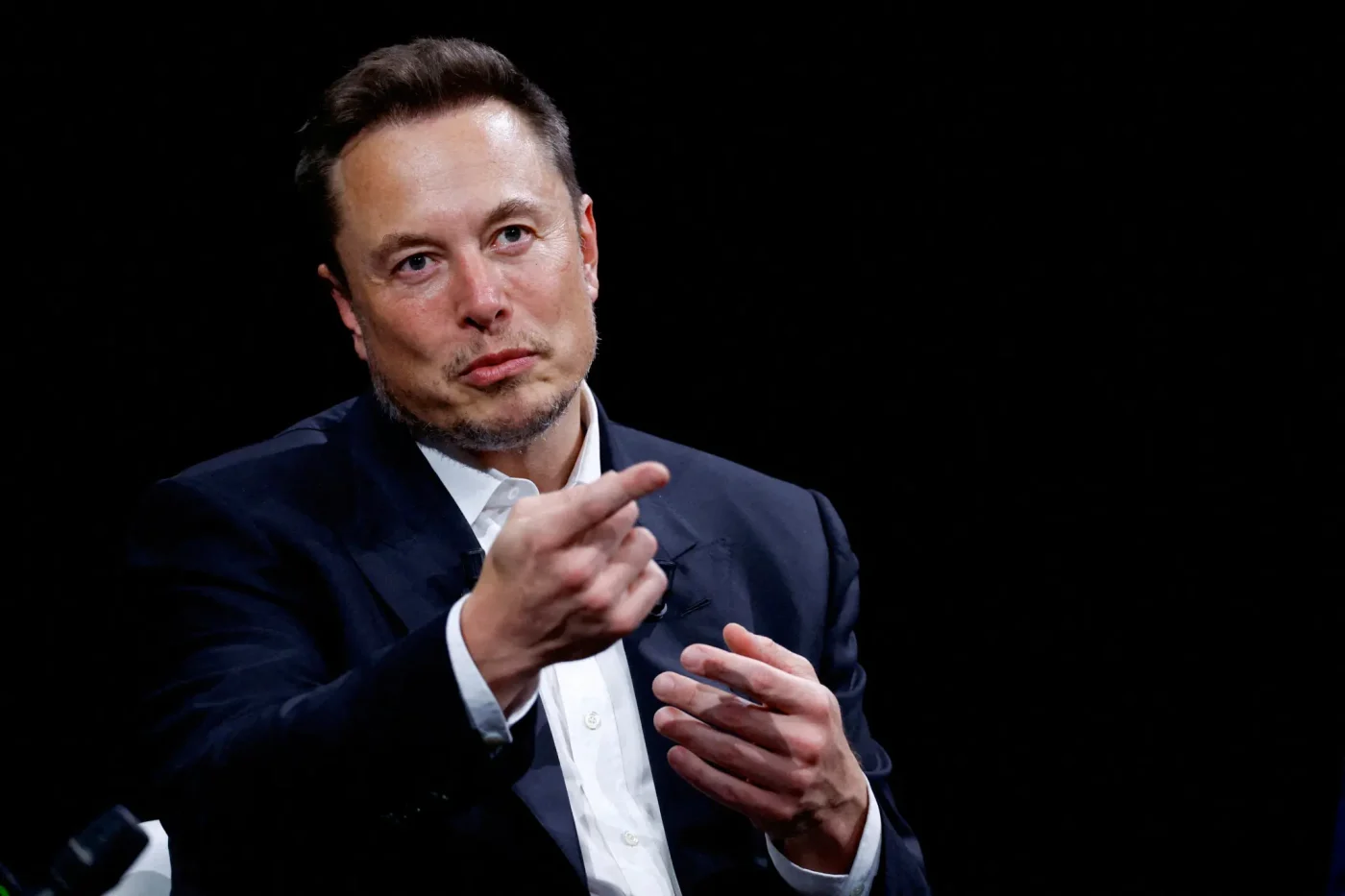
Elon Musk
Why Adam Sharp Considers Musk’s X ‘Unrecognizable’
Having witnessed the internal policy evolution of pre-acquisition Twitter, Sharp acknowledged that the company had previously overcorrected to appease corporate advertisers, sometimes leading to uneven standards.
Under Elon Musk, however, the platform swung into an extreme, destabilizing reverse direction. By removing critical guardrails, the microblogging service compromised genuine free expression.
- Loss of Speech Protections: Early platform principles recognized that individual speech does not include the right to harass or silence others.
- Unchecked Harassment: Condoning hostility drives measured participants out of public forums.
- The Chilling Effect: Runaway abuse actively discourages open, safe conversation across ideological spectrums.
Sharp characterized the platform today as unrecognizable from its original mission. Instead of expanding the marketplace of ideas, total deregulation has chilled authentic public participation.
📱 The media landscape is fundamentally transforming, from the living room television screen to the digital town squares on your phone.
✨ While traditional institutions fight to protect journalistic integrity, legacy soap operas demonstrate that resilient storytelling always finds a way forward.
💬 Are you streaming classic daytime soaps on apps like Peacock and Hulu, or have you noticed platform shifts on X firsthand? Join the discussion below.
👇 Share this piece with fellow entertainment and tech followers tracking the changing future of television.
 1
 2
 3
 4
