
Why Modern Homeowners Are Ditching Traditional Marble and Ceramic Tile for High-Strength Fiberglass Panels

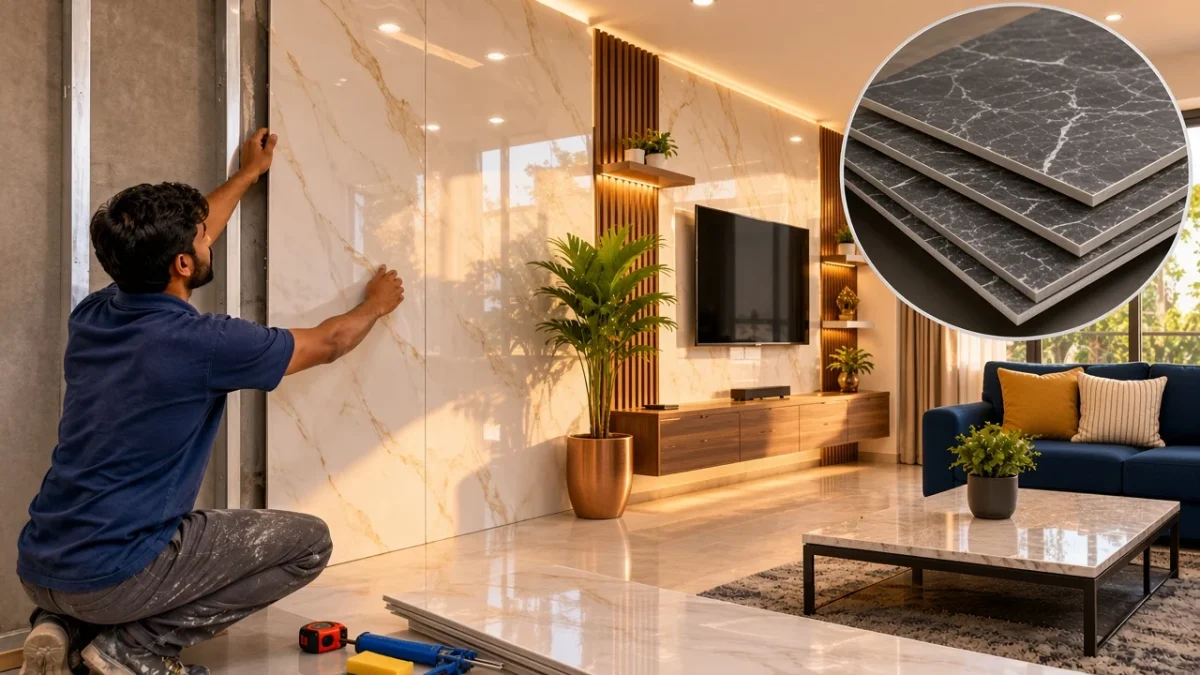
Homebuilders and renovators are quietly walking away from heavy stone slabs and ceramic tile in favor of high-performance fiberglass panels. Engineered from ultra-fine glass fibers bound in specialized plastic resins—technically known as glass-reinforced plastic—this modern composite delivers the structural durability to rival steel at a tiny fraction of the weight.
For decades, natural marble and glazed tiles served as the default benchmark for upscale kitchens and luxury bathrooms. Yet their significant bulk, vulnerability to accidental impact, and high maintenance demands are driving property owners toward smarter alternatives.
By eliminating fragile grout lines and cutting installation labor substantially, glass-reinforced surfaces are changing the fundamentals of architectural surfacing.
The Hidden Vulnerabilities of Classic Tile and Marble
Natural stone carries undeniable aesthetic appeal, but it brings severe structural challenges to residential construction. Traditional marble and ceramic tiles are exceptionally heavy, requiring reinforced subfloors and extensive physical labor to transport and lay.
Beyond installation hurdles, classic masonry surfaces remain brittle under daily stress. When a heavy pot, tool, or appliance drops onto tile or marble, the impact regularly produces permanent fractures or shattered corners that demand costly localized replacement.
From Grout Leaks to Structural Strain
The weakest link in any traditional masonry wall or floor is rarely the tile itself—it is the mortar and grout surrounding it. Standard tile lines inevitably develop micro-fissures over time, allowing moisture to seep into subflooring and behind drywall.
Marble is also naturally porous. Common household spills like lemon juice, tea, wine, and cleaning acids easily penetrate the surface, leaving behind permanent discoloration and stripping away factory polish unless sealed repeatedly.
Unlike porous stone that absorbs everyday household spills, non-porous composite surfaces prevent staining agents from penetrating the material core.

Busting the Durability Myth: Plastic vs. Natural Stone
A widespread misconception assumes that composite synthetics are inherently fragile or inferior to quarried rock. In reality, the molecular design of glass-reinforced plastic provides both tensile flexibility and high impact resistance, allowing it to absorb physical shocks that would instantly crack rigid slate or ceramic.
Furthermore, fiberglass panels remain entirely impervious to outdoor elements. Direct exposure to continuous sunlight, torrential rain, and humidity will not trigger rotting, rusting, or warping. The inorganic makeup also provides complete resistance against wood-destroying insect pests and termites.
| Performance Metric | Material Comparison |
|---|---|
| Structural Load | Significantly lighter than dense stone; reduces dead-load stress on home framing. |
| Impact Resistance | Flexes under blunt force to resist chipping, unlike brittle ceramic surfaces. |
| Moisture Barrier | Completely non-porous and seamless; eliminates leaking grout joints entirely. |
| Thermal Comfort | Acts as an insulator; stays comfortable underfoot rather than retaining winter chill. |
| Upkeep Required | Cleans with a simple damp cloth; never requires commercial resurfacing or polishing. |
Thermal Insulation and Everyday Energy Efficiency
Stepping onto barefoot tile or cold marble during winter highlights another major drawback of traditional stone: rapid thermal transfer. Ceramic materials readily absorb ambient cold, pulling heat away from living spaces and increasing indoor climate control demands.
Engineered fiberglass functions as a natural thermal insulator. By resisting rapid temperature swings, it prevents living spaces from overheating in direct summer heat and retains interior warmth during freezing conditions, supporting household energy conservation.
Strategic material selection acts as a passive barrier, reducing temperature loss through interior partitions and ceilings.
Where Modern Builders Are Installing Composite Panels
Because the material can be cast into customized molds, curved contours, and textured profiles, manufacturers can replicate the exact look of polished marble, grain wood, or modern slab tile without the structural drawbacks.
Contractors are integrating these versatile components across multiple functional living zones:
- Full Bathroom Enclosures: Watertight bathtubs, walk-in shower surrounds, and moisture-proof ceiling panels.
- High-Traffic Kitchens: Stain-resistant kitchen countertops and seamless, grease-deflecting backsplashes.
- Architectural Features: Lightweight decorative wall panels, durable entry doors, and weatherproof exterior roof panels.
By marrying industrial-grade durability with flexible design, modern composites continue to displace heavy masonry in forward-thinking residential builds.
✨ The shift toward low-maintenance, high-efficiency building materials is changing how we approach modern home renovations.
💬 Choosing between the authentic weight of classic stone and the functional durability of engineered composites often comes down to your everyday lifestyle needs.
📱 Would you replace traditional bathroom tile with modern composite panels in your next remodel? Drop your thoughts in the comments below!
👇 Share this guide with anyone currently planning a kitchen or bathroom upgrade.
 1
 2
 3
 4
