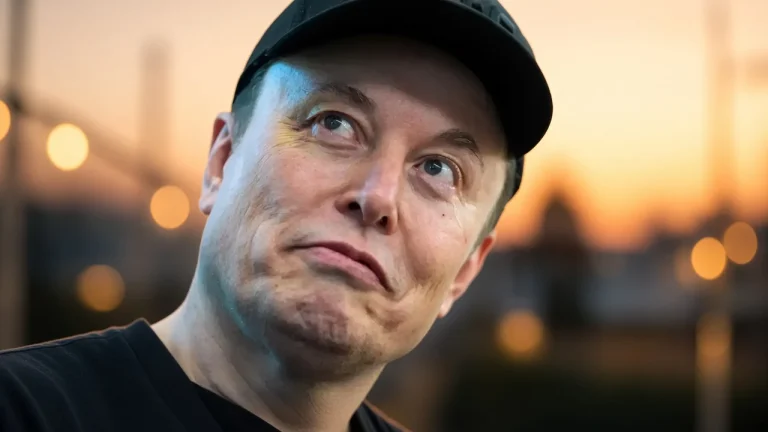
Tesla Stock Drops 3.6% as Broad Markets Surge 1,000 Points: How the Midterm Shakeup and Elon Musk’s $445M Bet Rattled Wall Street

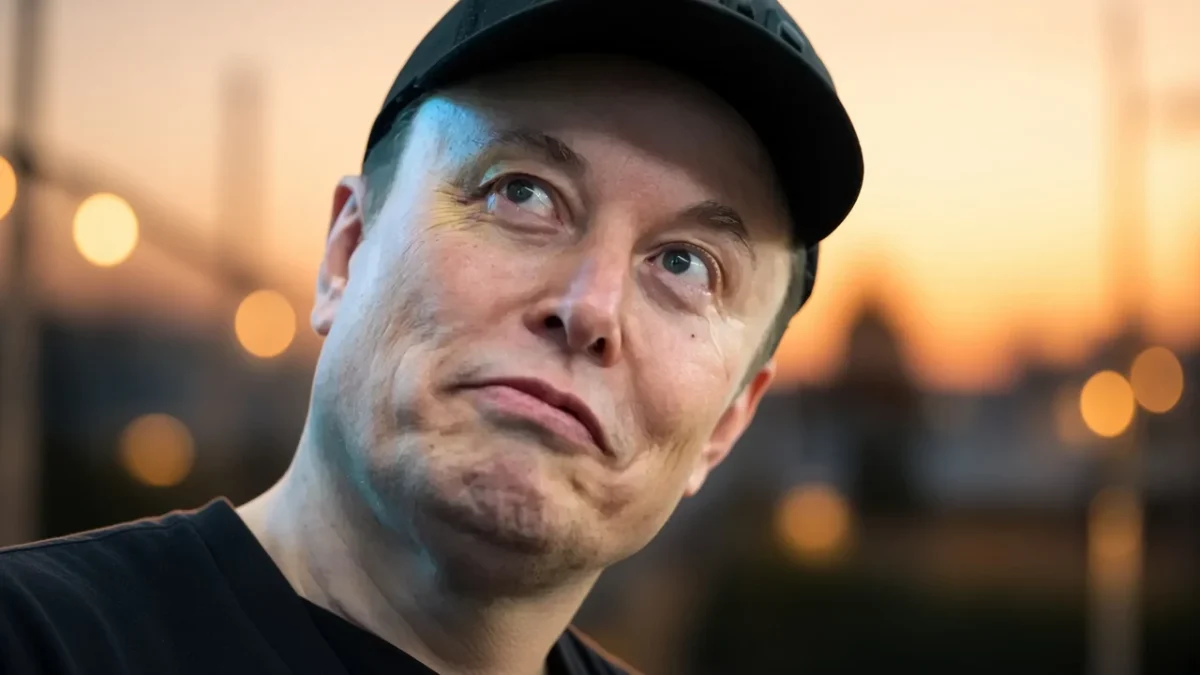
Tesla stock dropped roughly 3.6% in pre-market action as political shockwaves rippled through Washington and Texas, contrasting sharply with a broader market rally that propelled the Dow Jones Industrial Average up by more than 1,000 points. While the S&P 500 and Nasdaq climbed on the prospect of divided federal governance, electric vehicle investors hit the sell button after major election upsets reshuffled the regulatory landscape surrounding Elon Musk’s industrial footprint.
The sudden divergence between mainstream market indices and electric transport equities highlights an abrupt shift in corporate exposure. Investors are recalibrating how government contracts, clean energy incentives, and state-level infrastructure resources will function under newly elevated legislative oversight.
Why Tesla Stock Diverged From the 1,000-Point Market Rally
The broader financial markets responded enthusiastically to the latest balance of power in Washington, betting that split governance prevents disruptive federal policies. Yet, tesla stock slid immediately because the automaker’s strategic advantages are intimately tied to public policy frameworks and regulatory approvals.
Federal Election Commission filings reveal that Musk channeled roughly $445.77 million into right-wing political organizations leading up to late October, including $216 million directly into America PAC. With Democratic majorities capturing both houses of Congress, Wall Street quickly recognized that the high-stakes political expenditure created an immediate legislative overhang for his companies.
A sharp political realignment instantly alters the risk premium for capital-intensive companies heavily reliant on regulatory goodwill and government energy frameworks.
While standard consumer tech firms navigate shifting market demand, vehicle manufacturers face direct friction whenever clean energy subsidies, battery procurement guidelines, and automotive tax credits land under legislative re-examination.
The Austin Factor: A Historic Texas Leadership Shift
The national political pivot was accompanied by an equally seismic event in Tesla’s home state. Democrat Gina Hinojosa won the Texas gubernatorial race against Republican incumbent Greg Abbott, marking the end of three consecutive decades of Republican control over the state executive branch.
Tesla shifted its corporate headquarters and key manufacturing hubs to Texas partly to benefit from favorable regulatory conditions, rapid industrial permitting, and streamlined utility support. However, Governor-elect Hinojosa has previously pushed for stricter controls on resource allocations, specifically questioning preferential corporate packages, water consumption, and electrical grid priority for massive manufacturing and data center sites.
Regulatory Friction Versus Existing Contracts
State-level administrative shifts do not dissolve existing commercial deals overnight. Gigafactory Texas remains a primary assembly pillar, and existing contracts stay legally binding.
Even so, prospective expansions require sustained cooperation with state environmental departments and regional utility coordinators. Navigating permits for expanded production, dedicated energy infrastructure, and autonomous vehicle testing could face noticeably stricter review standards than under previous administrations.
Federal Scrutiny and Corporate Policy Realities
Beyond state lines, federal lawmakers are preparing to increase committee oversight on major federal vendors and infrastructure operators. While SpaceX manages mission-critical agreements alongside NASA and defense operations, Tesla remains directly exposed to federal transportation agency rules and energy credit distributions.
| Market Indicator / Factor | Immediate Post-Election Shift |
|---|---|
| Tesla Stock Movement | Fell approximately 3.6% in pre-market activity |
| Dow Jones Industrial Average | Gained over 1,000 points during trading |
| Federal Legislative Balance | Democratic majorities elected across both chambers of Congress |
| Texas Gubernatorial Office | Democrat Gina Hinojosa elected, ending 30 years of GOP control |
| Musk Campaign Contributions | Approximately $445.77 million directed to political groups |
Widespread market perception frequently assumes that electric car equities naturally benefit under Democratic majorities due to pro-climate rhetoric. Yet, the current reality demonstrates that targeted political activism can overshadow baseline environmental policy alignment, drawing intensified legislative scrutiny toward individual executives rather than industry-wide tailwinds.
What Investors Should Monitor Next
Translating political friction into equity valuations requires observing key institutional milestones rather than reacting to short-term pre-market swings. Investors assessing the health of tesla stock should watch these specific areas:
- Congressional Committee Leadership: Changes in federal transport and commerce panels determine whether regulatory inquiries into autonomous technology and safety systems expand.
- State Resource Approvals: Permitting updates concerning water rights, grid hookups, and land usage around central Texas industrial sites.
- Federal Vehicle Tax Credits: Any adjustments proposed to commercial and retail clean vehicle incentive qualifying structures.
💬 Market valuations are reacting swiftly to Washington’s altered power dynamics. Did the divergence between Tesla and the broader market surprise your portfolio strategy?
✨ As regulatory hearings take shape over the coming weeks, corporate political spending will remain under intense scrutiny on Wall Street. Share your perspective in the comments below on how executive political ties affect retail stock choices.
📱 Tap below to share this market breakdown with fellow traders tracking automotive equities. 👇
 1
 2
 3
 4