
Why You Should Never Throw Away Used Coffee Grounds This Fall: 3 Smart Ways to Recharge Soil Before Winter

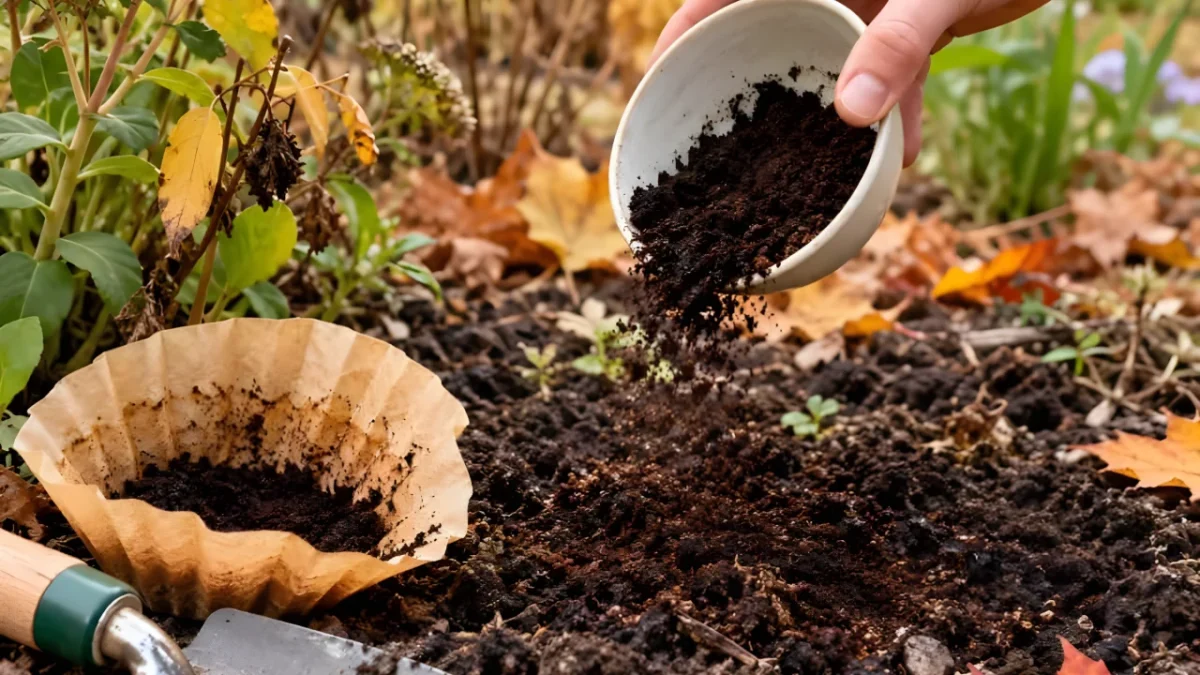
Your morning cup of coffee produces one of the most effective organic amendments you can feed your garden before winter sets in. Spent coffee grounds deliver vital nitrogen and raw organic material straight to resting garden beds, breaking down quietly to restore depleted soil structure for next spring.
Instead of tossing those dark grounds into the trash, you can immediately repurpose them across empty raised beds, perennial borders, and slow-moving autumn leaf piles. But dumping an entire bucket onto your plants could backfire if you skip a few essential rules.
The Hidden Power of Used Grounds in Autumn
The biggest value of spent grounds is not just the plant nutrients they deposit. As coffee particles decompose, they form stable humus that aerates compacted ground, retains moisture, and feeds active earthworms and microorganisms.
Applying them during the autumn months gives the material a major head start. Decomposition begins while the soil retains late-season warmth, continuing at a slower, steady pace as winter temperatures settle in.
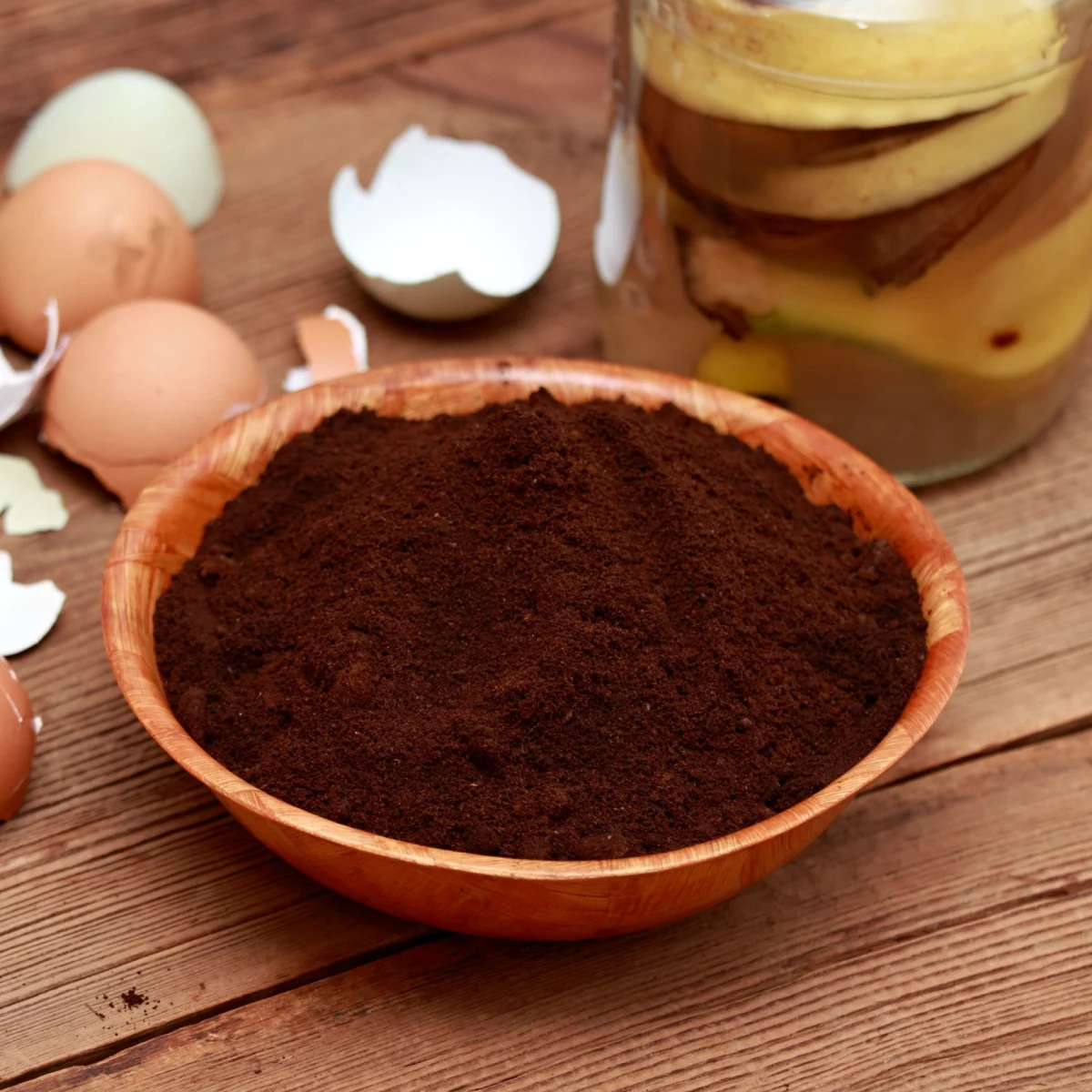
how to recharge raised bed soil in the winter
Busting the Acidity Myth
Many home gardeners mistakenly believe that used coffee grounds will severely acidify their dirt. Fresh, unbrewed coffee beans are naturally acidic, but the brewing process washes the majority of those acids straight into your morning mug.
Spent grounds are safe for practically any planting area, not just acid-loving specimens like blueberries or hydrangeas. However, keep the mix clean: never add flavored syrups, creamer, plastic single-serve cups, or foil lids to your soil.
Ordinary unbleached paper coffee filters break down naturally and can be recycled right alongside your spent grounds.
1. Rebuilding Depleted Raised Beds
Once your summer vegetables finish their run, raised beds often sit stripped of fundamental organic material. Daily kitchen waste offers the quickest way to jumpstart soil recovery before freezing weather arrives.
To apply grounds to an empty raised bed correctly, follow these basic steps:
- Scatter thinly: Dust loose particles evenly over the bed instead of dropping compressed pucks.
- Break up lumps: Crumble solid clumps with your fingers so air and moisture can pass freely.
- Work into the surface: Blend the grounds into the top two to three inches of dirt.
- Combine kitchen scraps: Mix in crushed egg shells and chopped banana peels to build a diverse nutrient reserve.
Never leave a thick layer of grounds sitting bare on top of the bed as mulch. Fine coffee particles bind together tightly, forming an impermeable crust that repels water and chokes out soil aeration.
After blending in your amendments, shield the bed with a loose cover of shredded autumn leaves or clean straw to prevent erosion over the winter.
2. Direct Trench Composting in Flowerbeds
You do not need a massive outdoor bin to process organic waste. You can bury modest portions of used grounds and torn paper filters directly between perennial flowers.
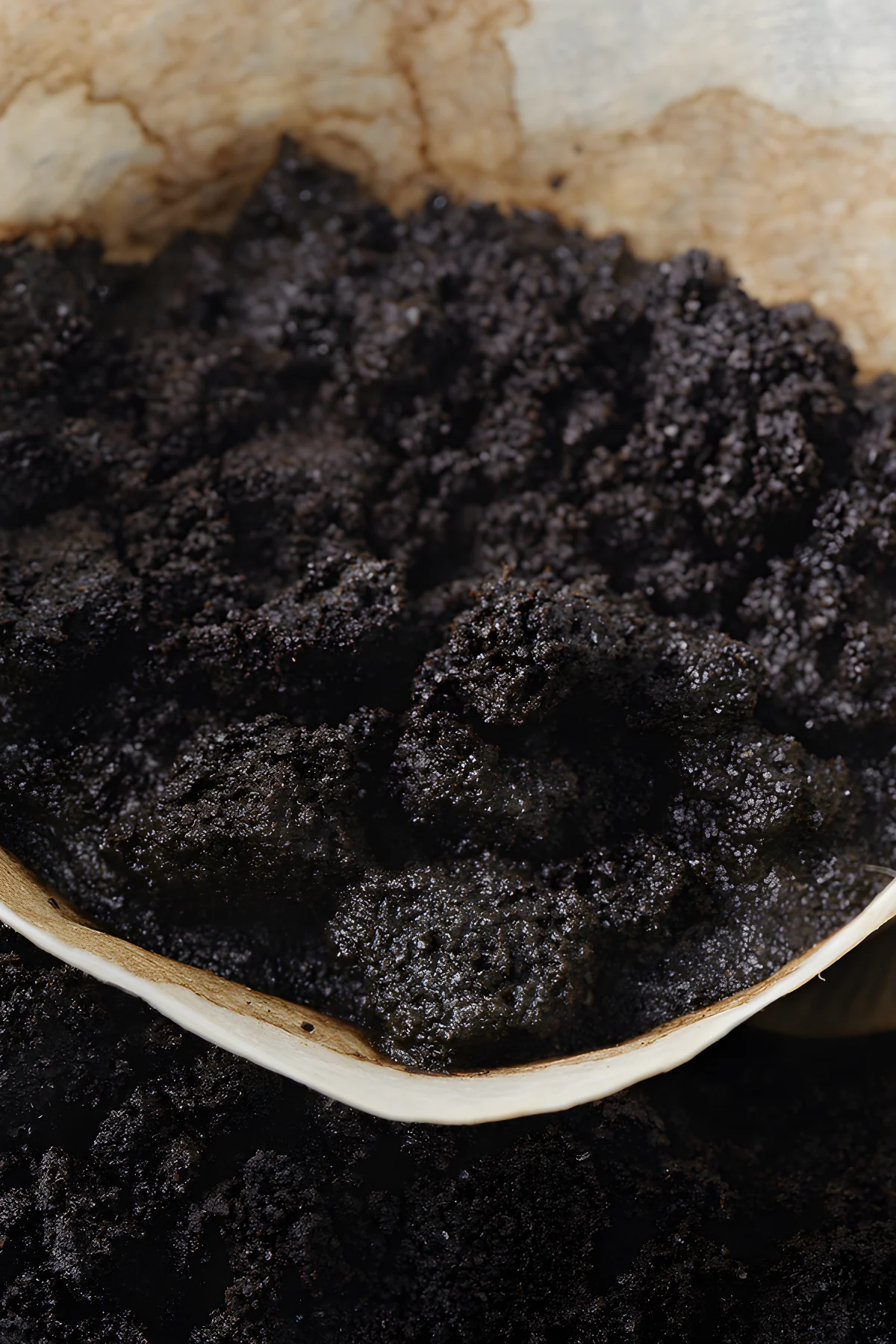
coffee grounds – trench composting
Always dig into open pockets between plants rather than hacking through dense root networks or pressing against the base of stems. Pull back existing mulch, scoop out a small hole, mix the grounds thoroughly into the excavated soil, and backfill the space level with the surrounding ground.
Tear the paper filter into small shreds before burying it so it does not trap dense moisture pockets. Rotate spots with every application so you do not overload any single root zone.

keep zinnias blooming all summer
3. Heating Up Autumn Compost Piles
Dry autumn leaves pack tremendous amounts of carbon, but a leaf pile left alone decomposes at a snail’s pace. It needs nitrogen to spark the biological engine.
Despite their deep brown shade, coffee grounds function chemically as a “green,” nitrogen-rich compost input. They supply the identical activation fuel found in fresh lawn clippings or raw kitchen scraps.
| Compost Role | Recommended Application Rule |
|---|---|
| Nitrogen activator | Mix thoroughly with dry, shredded leaves to speed decomposition. |
| Volume limit | Cap grounds at no more than 20% of the total pile volume. |
Keep your total coffee input below one-fifth of the entire pile volume to maintain optimal airflow. Mix shredded filters evenly throughout the center of the pile to prevent matting.
Piling grounds in thick, unmixed blankets stops water infiltration and slows down the natural composting process.
💬 Putting your leftover morning grounds to work takes only a few minutes and saves valuable organic waste from the local landfill.
✨ By mixing small batches into raised beds, trenching them between perennials, or balancing dry autumn leaves, your garden beds will wake up richer and healthier when warm weather returns.
👇 Have you used coffee grounds in your fall garden routine? Drop your favorite soil-building tips in the comments below!
 1
 2
 3
 4
