
8 Legendary Movies That Completely Bombed at the Box Office Before Becoming Timeless Masterpieces


Some of the most celebrated cinematic masterpieces in American history were outright commercial disasters during their initial theatrical runs. Industry giants like The Wizard of Oz, The Shawshank Redemption, and Fight Club failed to generate immediate profits, leaving studios with deep losses before finding cultural immortality years later.
A disastrous opening weekend does not mean a movie lacks greatness. In reality, inflated production costs, botched marketing strategies, intense theatrical competition, and even political feuds have derailed future classics before audiences ever gave them a fair chance.
Second-life avenues like syndicated television broadcasts, public domain airings, home video releases, and theatrical re-releases ultimately rescued these box office flops from obscurity, rewriting their commercial legacies.
Golden Age Financial Disasters: When Classics Lost Fortunes
A common misconception across movie fandom is that Golden Age Hollywood classics were runaway commercial triumphs from the second they premiered. In truth, historical records show that even groundbreaking technical achievements and critically acclaimed masterworks struggled under heavy studio accounting.
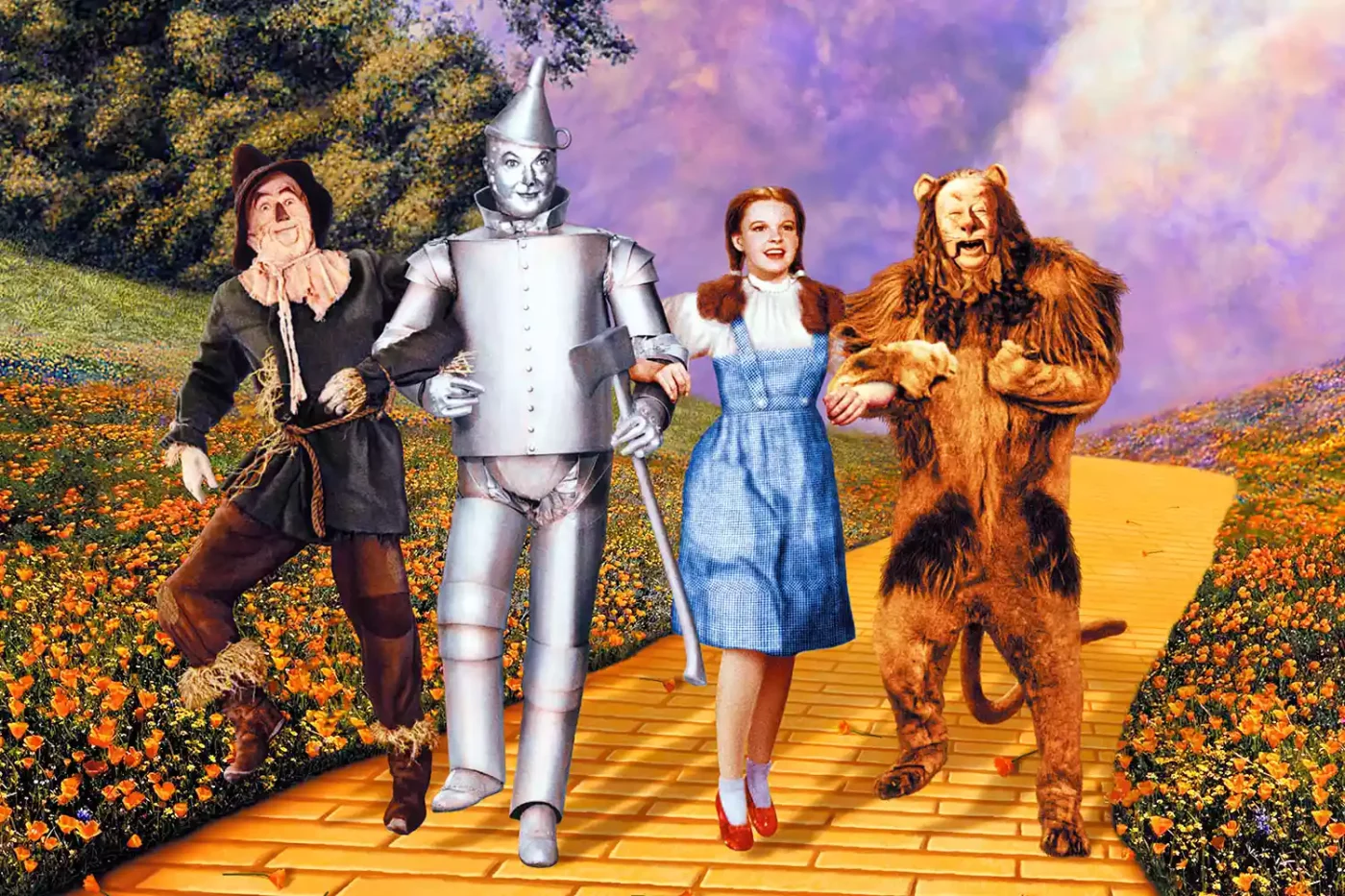
Ray Bolger, Jack Haley, Judy Garland, and Bert Lahr in a scene from The Wizard of Oz.
When MGM released The Wizard of Oz in 1939, Dorothy’s journey down the Yellow Brick Road stood as the studio’s most expensive production to date. The production budget alone reached $2.77 million due to elaborate Technicolor sets, pushing the film into an initial loss of over $1 million once distribution and marketing costs cleared.
The film pulled in just $3 million during its debut run. Only after subsequent re-releases pushed its lifetime theatrical gross beyond $25 million did the title recoup its investments, ultimately spawning the modern Wicked cinematic franchise, which has generated over $1 billion worldwide.
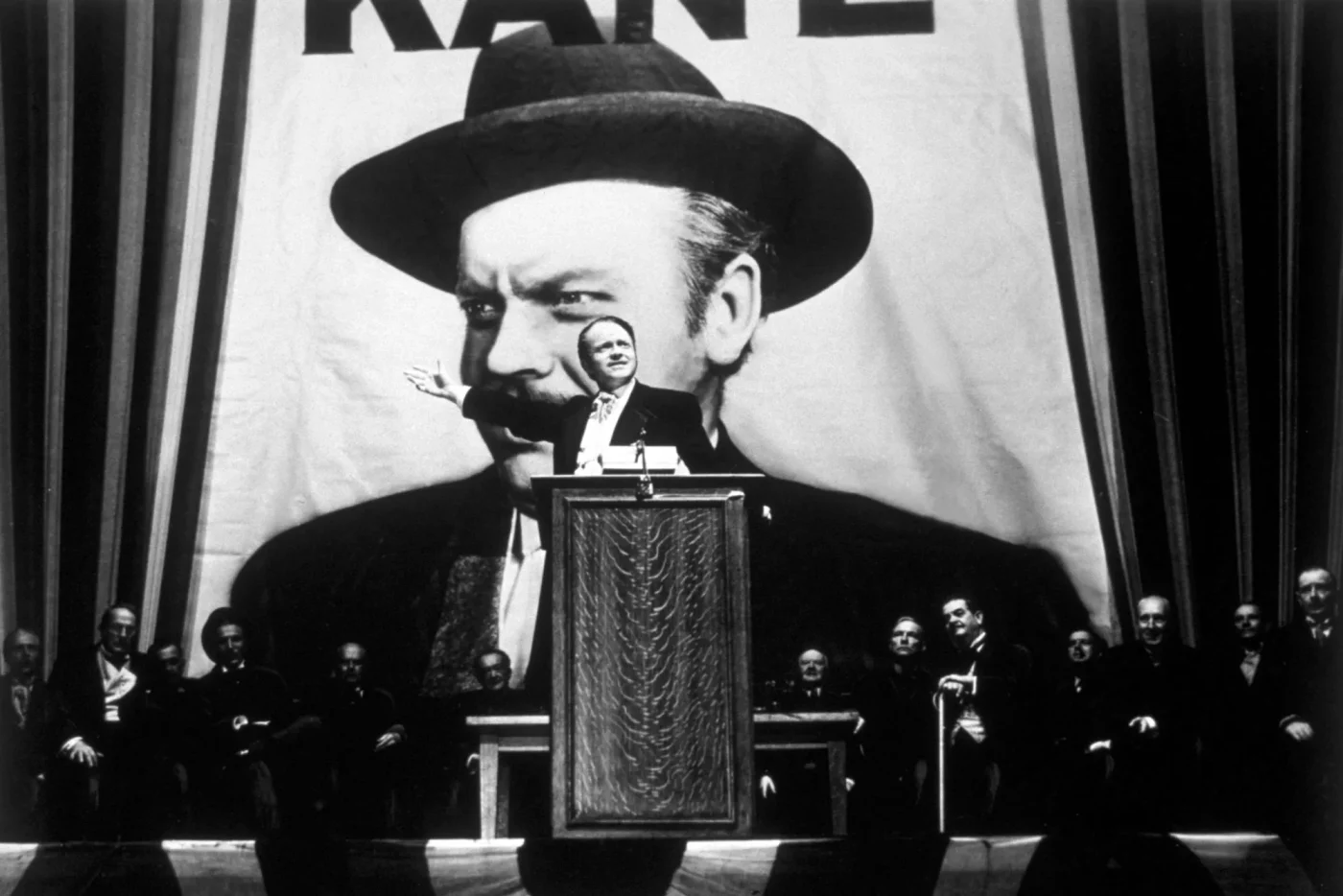
American actor and filmmaker Orson Welles in Citizen Kane.
Two years later, Orson Welles faced an entirely different obstacle with Citizen Kane (1941). The thinly veiled portrait of newspaper magnate William Randolph Hearst triggered an immediate, coordinated boycott from Hearst-owned publications such as the San Francisco Examiner and New York Journal.
Widespread distributor fear kept the film out of numerous theater chains, limiting ticket sales to a meager $160,000 against an $840,000 budget. The Academy still awarded Welles nine Oscar nominations, including a win for Best Original Screenplay, cementing its artistic reputation despite the early financial ruin.
How Television Transformed Seasonal Holiday Viewing
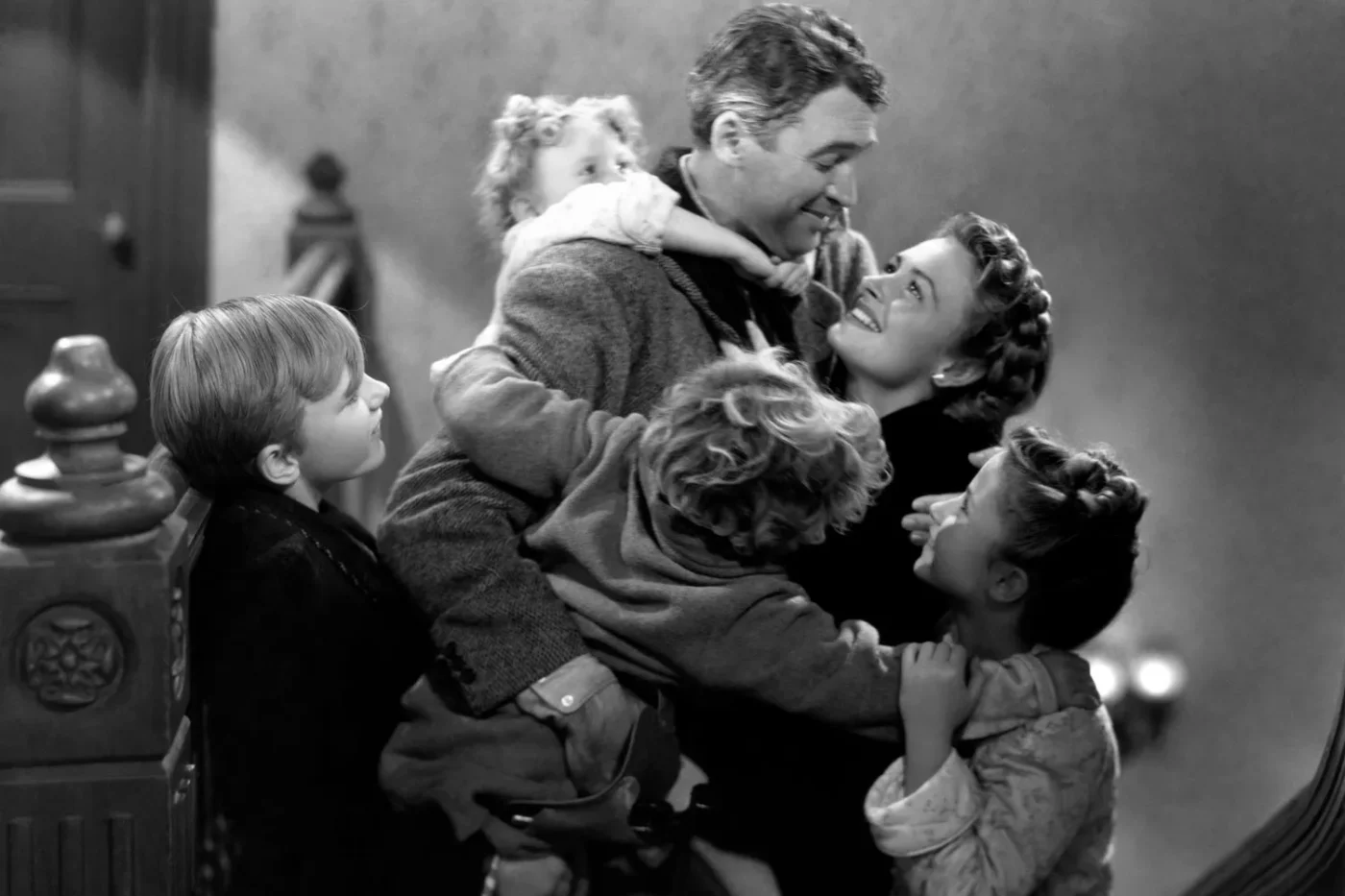
Scene from Frank Capra’s holiday classic It’s a Wonderful Life.
Frank Capra’s 1946 masterpiece It’s a Wonderful Life failed to connect with post-war theatergoers. Jimmy Stewart’s performance as George Bailey earned five Academy Award nominations, yet the feature brought in just $3.3 million and left RKO with steep operational losses.
The real turning point arrived purely by legal accident. A clerical oversight caused the movie’s copyright to lapse into the public domain in 1974, allowing local television networks to air Capra’s holiday drama without paying licensing fees, making it an inescapable seasonal tradition.
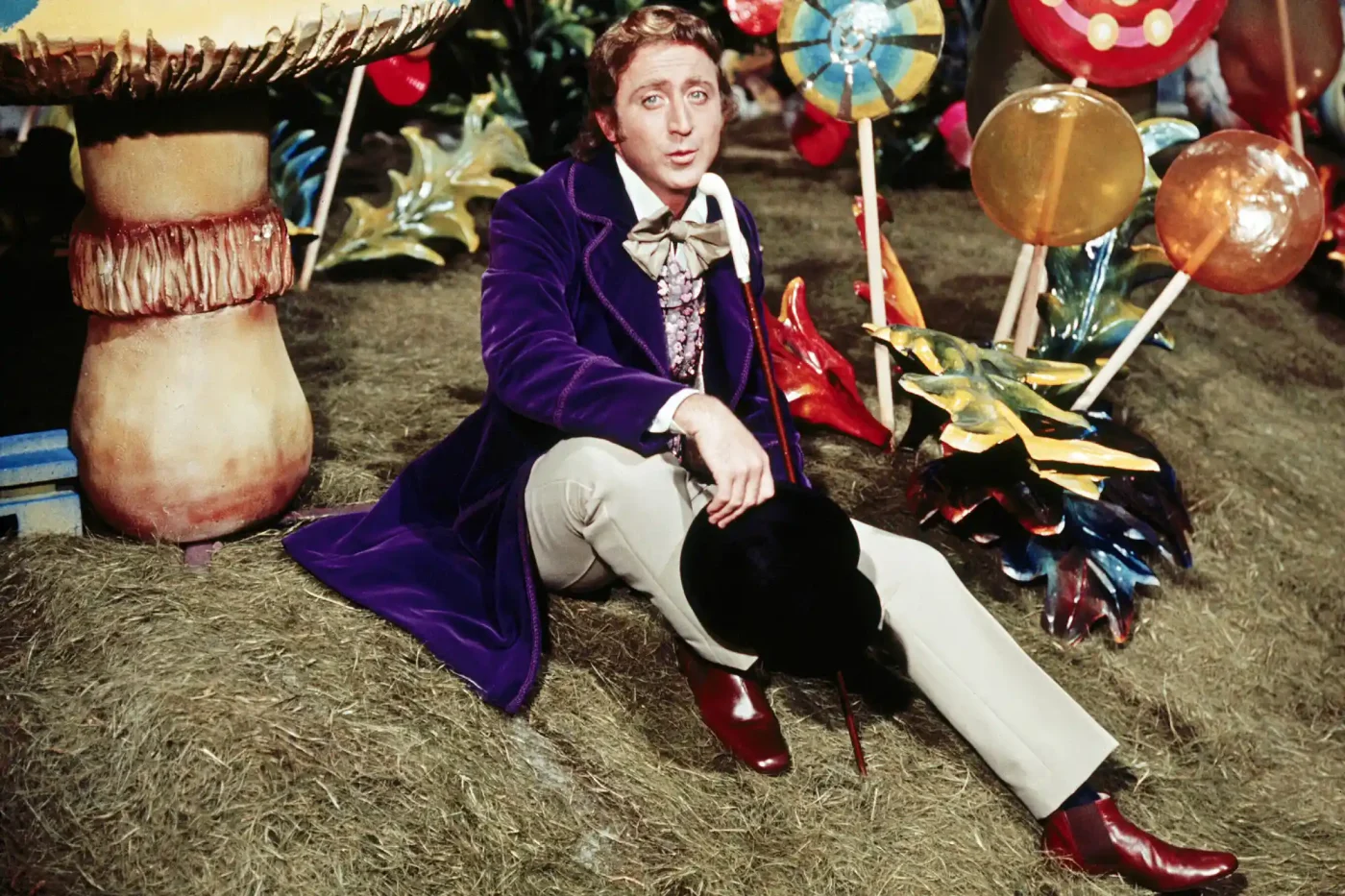
Gene Wilder as Willy Wonka in Willy Wonka and the Chocolate Factory.
Gene Wilder encountered an equally lukewarm reaction in 1971 with Willy Wonka and the Chocolate Factory. The adaptation grossed just $4 million against a $3 million production budget, crippled when original book author Roald Dahl publicly disowned the production after unauthorized script rewrites.
Widespread syndication on cable television across the 1980s rebuilt the film’s reputation from scratch. By the time Paramount staged a 25th-anniversary theatrical re-release in 1996, the title generated millions more in fresh box office receipts.
The 1990s Cult Explosion: Marketing Blunders and Theatrical Clashes
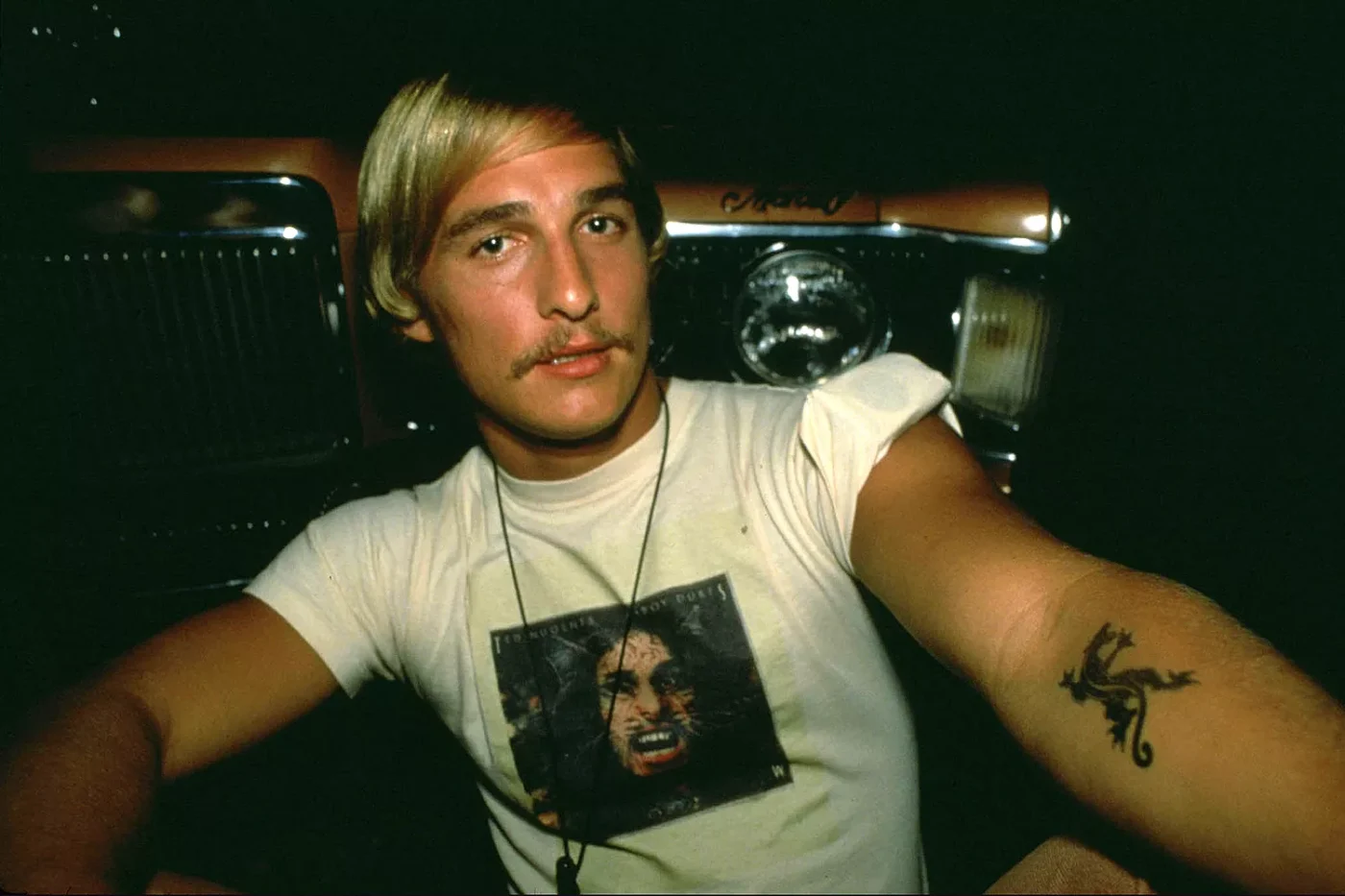
Matthew McConaughey in Richard Linklater’s Dazed and Confused.
Richard Linklater’s high school comedy Dazed and Confused (1993) featured a powerhouse ensemble including Matthew McConaughey, Ben Affleck, and Parker Posey. Yet Gramercy Pictures mismanaged its release campaign by framing the character study as a generic stoner movie and scheduling it for September instead of the end of the school year.
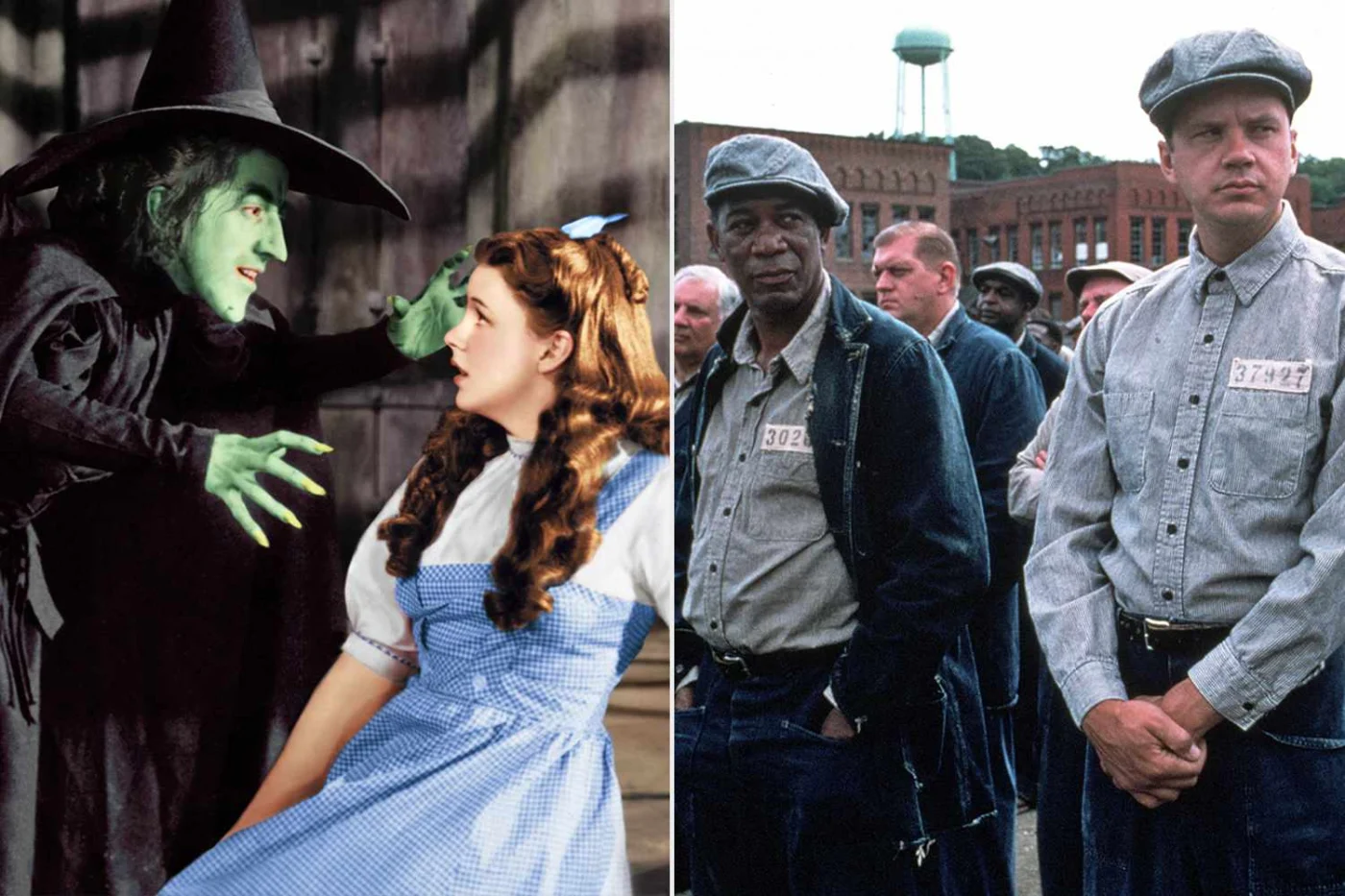
The film stalled at $8.2 million against a $6.9 million budget. A best-selling double-platinum soundtrack and massive home video rentals helped it rebound as an authentic snapshot of youth culture.
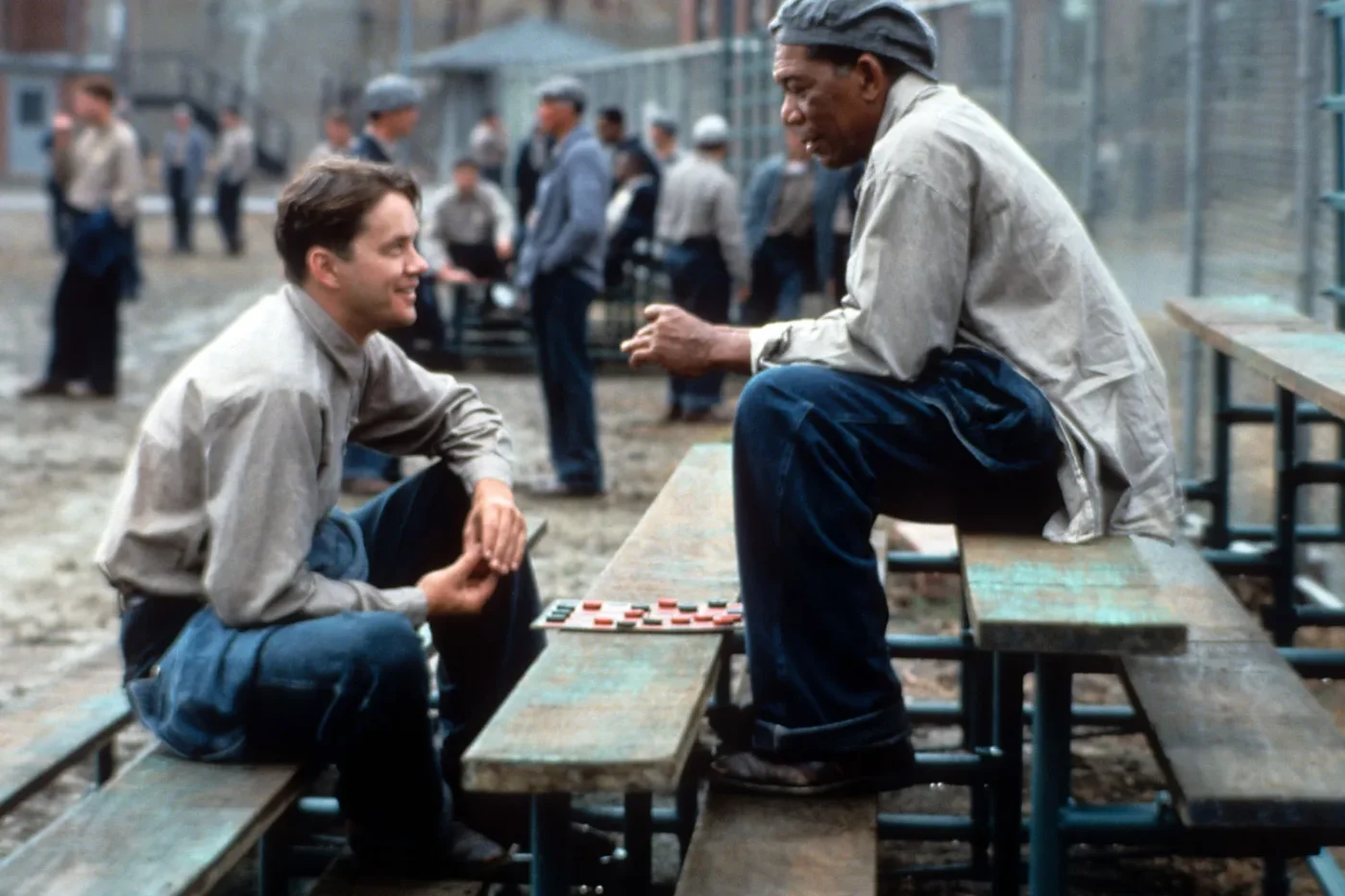
Tim Robbins and Morgan Freeman in The Shawshank Redemption.
The fall of 1994 delivered one of Hollywood’s most punishing theatrical schedules. Frank Darabont’s The Shawshank Redemption opened the exact same day as Quentin Tarantino’s Pulp Fiction, all while Robert Zemeckis’s Forrest Gump dominated domestic multiplexes.
Audiences found the title confusing, while studio ads promoted a bleak prison drama rather than an uplifting story of resilience. The film crawled to just $16 million on a $25 million budget before seven Academy Award nominations propelled it into heavy cable rotation.
The Edge of the Millennium: Violence and Distribution Breakdowns
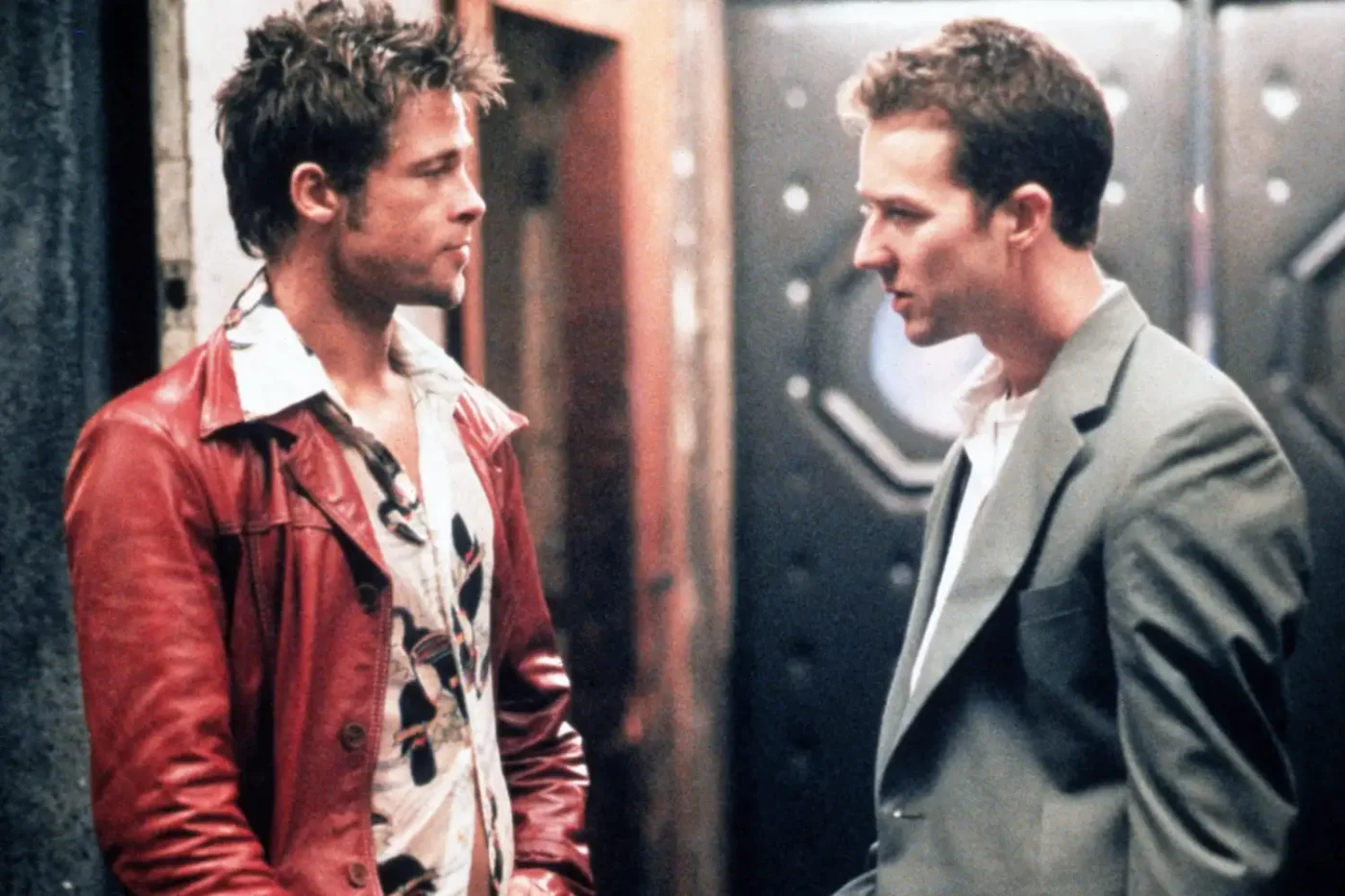
Brad Pitt and Edward Norton in David Fincher’s Fight Club.
David Fincher’s psychological thriller Fight Club (1999) pushed boundary lines that studio executives failed to market effectively. The film opened at the Venice Film Festival to vocal boos, and critics panned its visceral violence, leaving theater seats empty.
“Fight Club, it was a total financial bomb,” Edward Norton stated. “I think that movie cost $60 to $70 million bucks to make and I don’t even know if it got to $40 million at the U.S. box office.”
Box Office Mojo tracking confirmed Norton’s assessment, showing the film grossed just $37 million domestically against a production budget of $63 million. Word of mouth and DVD sales eventually transformed the movie into a defining cultural touchstone.
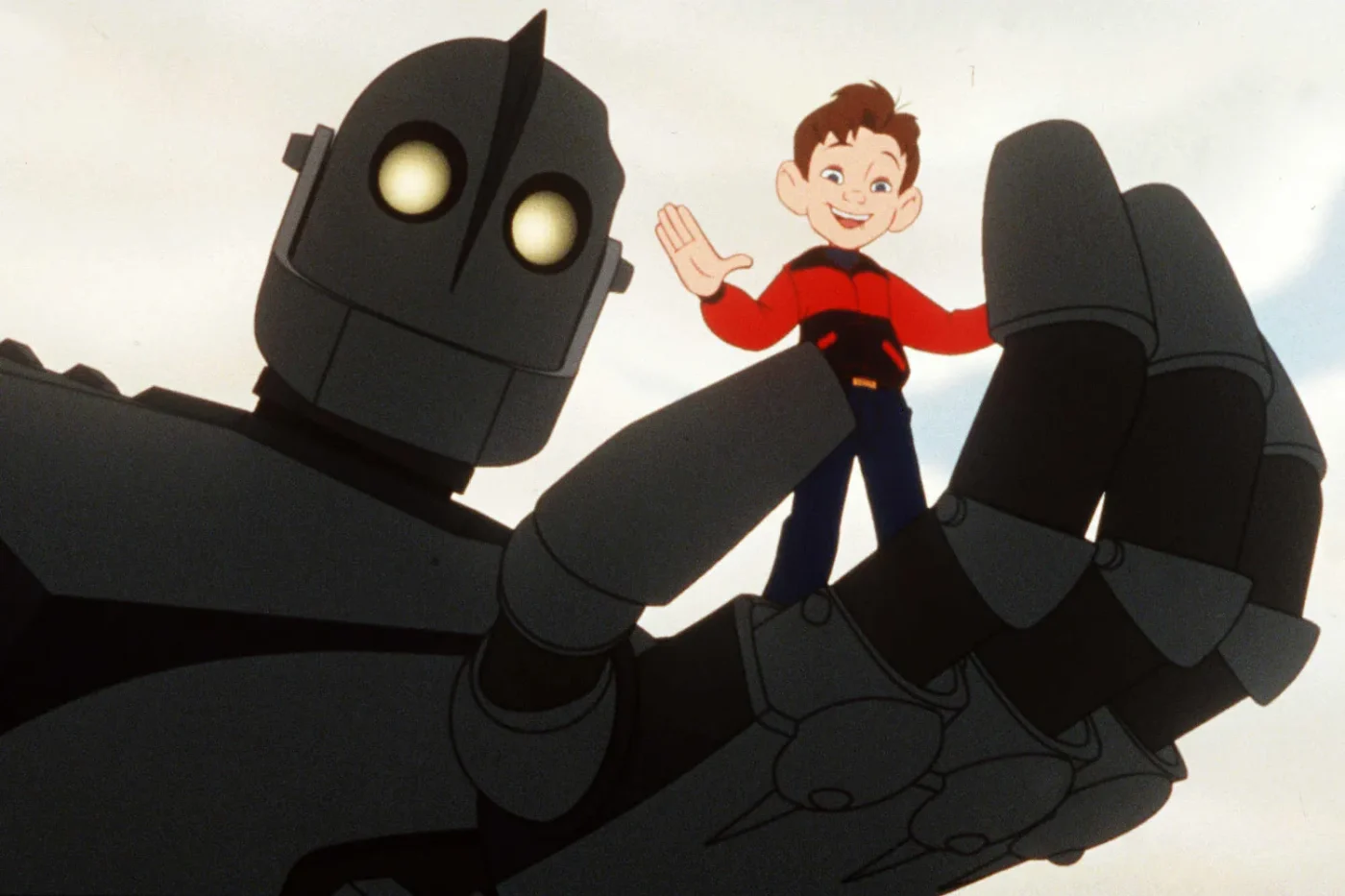
Animated sci-fi adventure The Iron Giant, directed by Brad Bird.
That same year, Brad Bird made his directorial debut with The Iron Giant, featuring voice work from Vin Diesel, Jennifer Aniston, and Harry Connick Jr. Shaken by the box office failure of 1998’s Quest for Camelot, Warner Bros. abandoned promotional support for the animated feature, even skipping critical fast-food promotional partnerships.
As a result, The Iron Giant pulled in just $23 million against its hefty $70 million budget. Overwhelming critical praise eventually drove explosive home video sales, securing its status among animation’s greatest triumphs.
At a Glance: Initial Theatrical Deficits vs. Second-Life Resurgence
| Film & Initial Deficit | Second-Life Resurgence |
|---|---|
| The Wizard of Oz (1939) Lost over $1M initially against a $2.77M budget |
Grossed over $25M in re-releases; built a billion-dollar franchise |
| Citizen Kane (1941) Grossed $160K on an $840K budget |
Secured 9 Academy Award nominations and critical immortality |
| It’s a Wonderful Life (1946) Took in $3.3M, failing to break even |
Became an annual holiday staple via public domain TV airings |
| Willy Wonka (1971) Managed only $4M on a $3M budget |
Earned millions via cable syndication and 25th-anniversary re-releases |
| Dazed and Confused (1993) Brought in $8.2M against a $6.9M budget |
Achieved cult status via a double-platinum soundtrack and video rentals |
| The Shawshank Redemption (1994) Made $16M on a $25M budget |
Leveraged 7 Oscar nominations into record-setting cable syndication |
| Fight Club (1999) Earned $37M domestically on a $63M budget |
Generated massive home video revenues as an all-time cult favorite |
| The Iron Giant (1999) Grossed $23M against a $70M budget |
Attained historic animated acclaim via home video and remastered editions |
Why Great Movies Stumble Out of the Gate
A film’s immediate box office return reveals far more about studio release mechanics than narrative quality. Several critical pitfalls consistently sink future classics:
- Unfavorable Release Calendars: Direct scheduling against established cultural sensations—like The Shawshank Redemption battling Pulp Fiction and Forrest Gump simultaneously.
- Misaligned Marketing Hooks: Promoting complex, character-driven narratives with reductive ad campaigns, as seen with Gramercy’s mishandling of Dazed and Confused.
- Aggressive External Sabotage: Powerful media gatekeepers, such as William Randolph Hearst, shutting down promotional avenues for Citizen Kane.
- Studio Abandonment: Executive teams cutting marketing support after previous studio losses, leaving titles like The Iron Giant without promotional toy deals.
✨ The box office receipts of opening weekend tell only a fraction of a movie’s true story.
📱 Through syndicated television, video rentals, and persistent word-of-mouth praise, true artistic masterworks always find their audience.
💬 Which of these legendary box office misfires is your personal favorite? Drop your thoughts in the comments below!
 1
 2
 3
 4
