
A High-Profile Mystery Celebrity Is Fighting to Conceal Multiple Sexual Misconduct Claims, Telling a London Court Publication Could Prove Fatal

An unnamed male celebrity, identified in legal filings only as PPT, is fighting an urgent legal battle at London’s High Court to block major news organizations from publishing his name alongside extensive sexual misconduct allegations. His defense team told the court that naming him would trigger a third suicide attempt, arguing that public exposure presents a fatal risk to his life.
The individual stands accused of leveraging his celebrity status and industry influence to pursue sexual relationships with teenagers and young women. The public figure vehemently denies all allegations, while his legal counsel argues that immediate media reporting would amount to an irreversible trial by media.
The legal clash pits personal privacy and medical vulnerability directly against public interest journalism. On the opposing side, major British media outlets Guardian News Media and ITN are fighting for the legal right to name him, insisting the public deserves full transparency regarding their extensive investigation.

Silhouette of a businessman seated at a conference table, backlit by a grid window.
The Emergency Injunction and Mental Health Claims
The emergency hearing centered entirely on whether public disclosure would lead to catastrophic harm. According to his defense attorney, Sara Mansoori KC, the celebrity attempted suicide on two separate occasions immediately after receiving formal requests for comment from Guardian News Media and ITN.
Following his first suicide attempt, the claimant was discharged from medical care, only to make a second attempt shortly thereafter. That crisis resulted in months of psychiatric hospitalization and involuntary detention under professional care.
“The claimant has attempted suicide twice as a result of these matters, been hospitalized for months, been the subject of involuntary detention and been examined by multiple — now more than 10 doctors,” Mansoori told the court, adding that PPT “has no intention of returning to public life.”
His counsel pushed back against the widespread public assumption that legal suppression tactics are merely cynical ploys to evade accountability. Mansoori stated this is not an instance where an individual raised spurious mental health concerns to halt unfavorable coverage, emphasizing that over 10 independent doctors have evaluated him.
Silhouette of a witness in protection.
Inside the Newsrooms’ 100-Interview Investigation
Attorneys representing the media organizations argued that the court has no lawful justification to suppress reporting on matters of profound public interest. Counsel Gavin Millar outlined that reporters conducted a rigorous investigation, directly interviewing 100 people before preparing their reports.
The Human Toll Behind the Allegations
The news organizations emphasized that shielding the figure overlooks the well-being of those who came forward. Millar argued that multiple women involved suffered severe emotional and psychological harm directly tied to the alleged behavior.
- Pattern of behavior: Accusations claim the figure exploited his professional prominence to target young women and teenagers.
- Documented impact: Legal counsel stated numerous alleged victims suffered severe mental health crises and ongoing trauma.
- Investigation scope: Journalists verified evidence across interviews with 100 individuals before approaching the claimant for comment.
- Total denial: The anonymous public figure denies every misconduct claim presented by the reporting outlets.
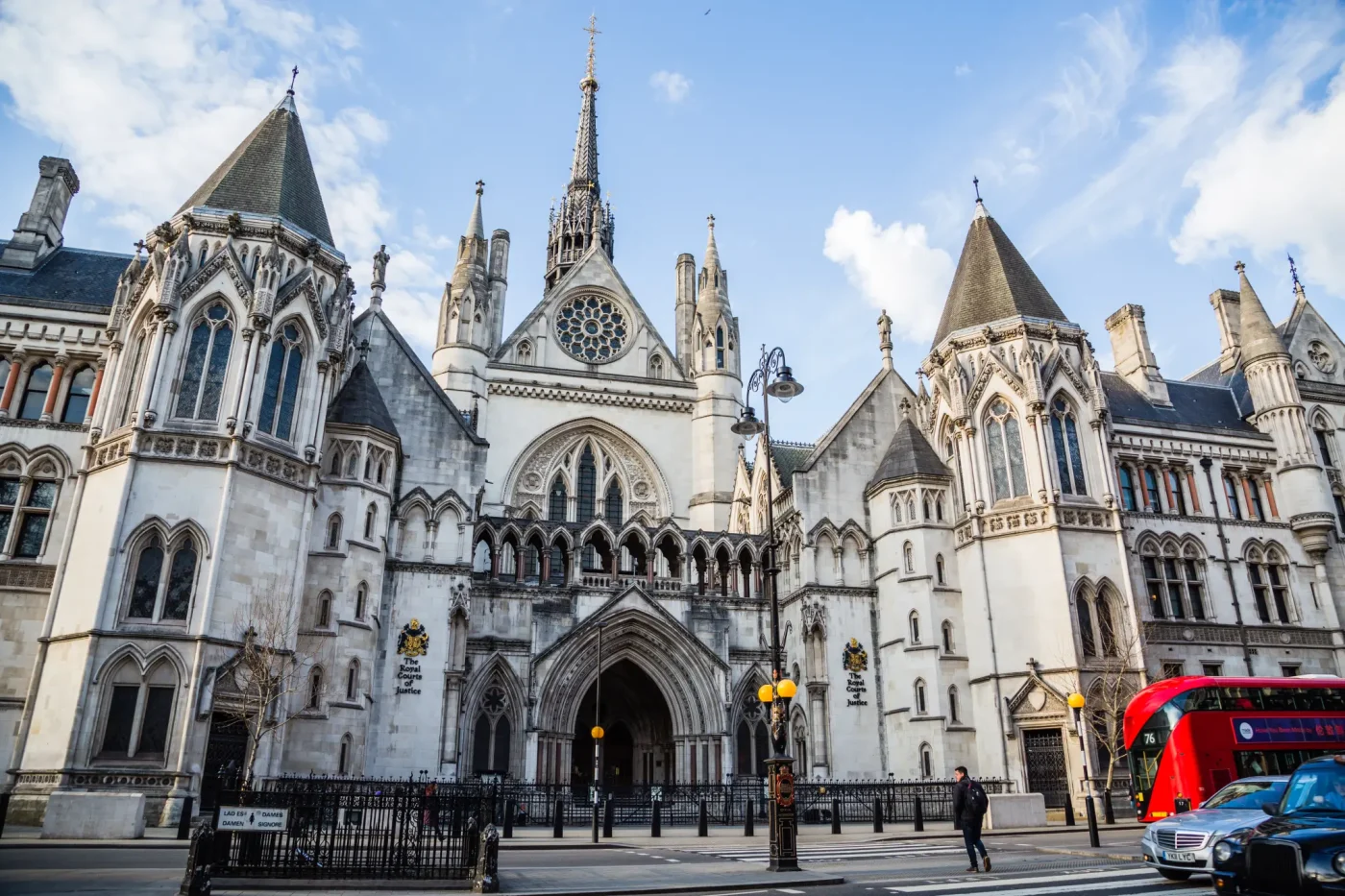
People crossing the road in front of the Royal Courts of Justice in London.
Weighing Press Freedom Against Life Safety
The high-stakes hearing highlights a profound legal conflict inside London’s judicial system: determining where the boundary lies between an individual’s right to life and the freedom of the press. While defense attorneys assert exposure would be fatal unless the claimant remains constantly detained, news organizations argue that clinical intervention can manage his acute risks.
| Legal Party | Core Argument Before the Court |
|---|---|
| PPT (Defense) | Naming the claimant would lead to a third suicide attempt due to trial by media, backed by evaluations from over 10 medical professionals. |
| Media Outlets (GNM & ITN) | The public has a right to know the findings of a 100-person investigation into misconduct that left alleged victims severely traumatized. |
Medical documentation submitted during the proceedings indicated that specialized psychiatric care could significantly stabilize his condition, though clinical experts acknowledged it would not eliminate every risk completely.
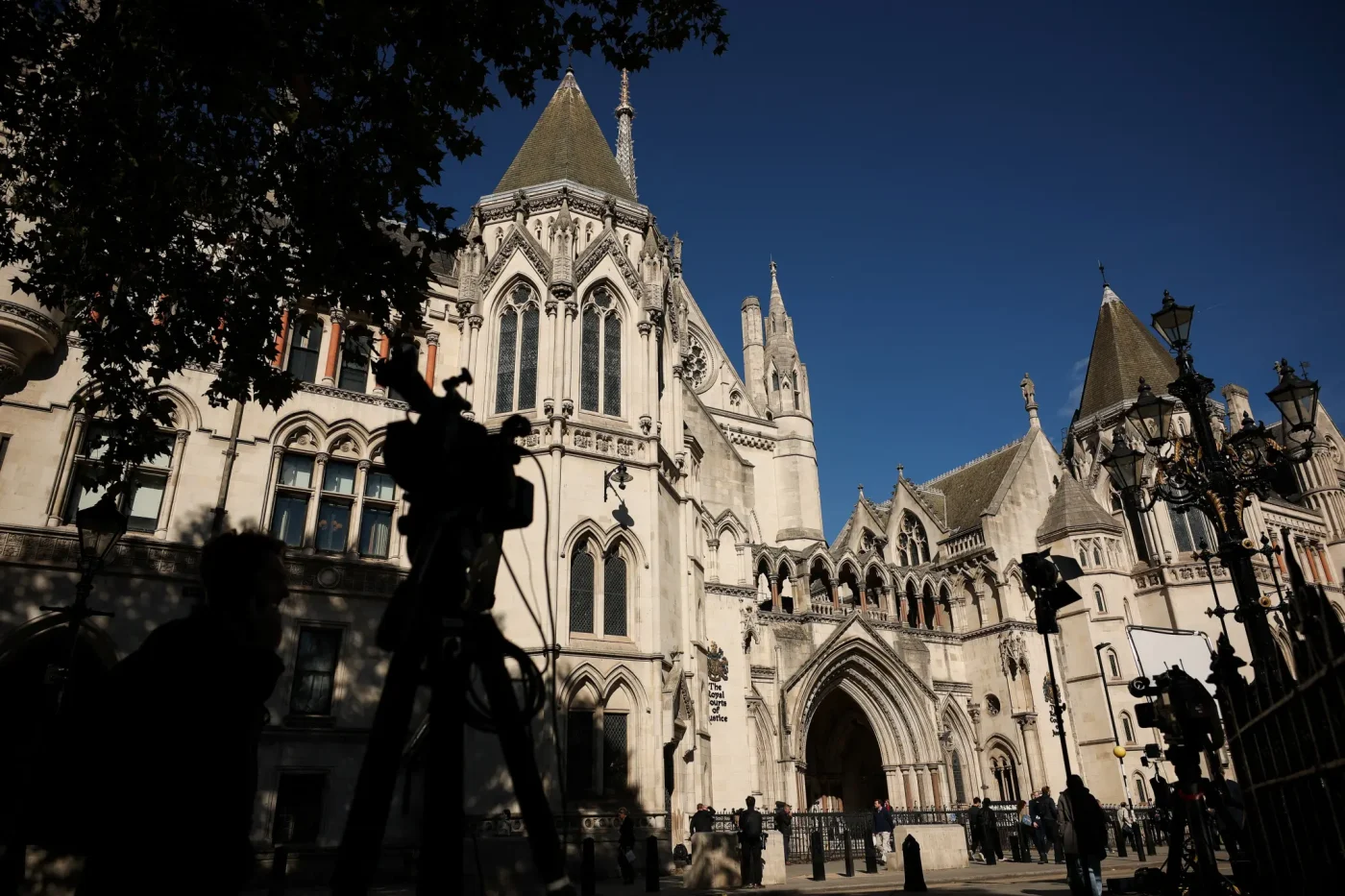
Members of the media and equipment gathered outside the High Court in London.
Presiding over the dispute, Mr. Justice Nicklin described the legal dilemma as both difficult and exceptionally important. The judge clarified that the court’s role is strictly limited to deciding whether journalists may publish the man’s name, not ruling on the factual validity of the underlying misconduct allegations.
Justice Nicklin explicitly urged the public and online commentators to avoid guessing or spreading speculation regarding the figure’s true identity while the court weighs its decision.
💬 This rare clash between press freedom and mental health protections sets a major legal precedent for reporting on public figures.
📱 As the High Court decides whether to lift the reporting restrictions, the boundary between journalistic duty and personal safety remains sharply divided.
👇 Do you believe courts should ever suppress public interest journalism to protect an individual’s mental health? Share your perspective in the comments below.
 1
 2
 3
 4