
As Aggressive ICE Raids Roil Communities From Texas to New York, Former Border Supporters Revolt Over Masked Arrests and Crippling Labour Chaos

Massive federal enforcement sweeps conducted across southern Texas and New York City by the agency known in federal alerts as the Servicio de Control de Inmigración y Aduanas are triggering an intense political and economic revolt, alienating the very business owners and border residents who previously backed hardline enforcement policies. Rather than securing uniform public approval, these escalating ICE raids have plunged construction sites into paralysis, triggered hostile standoffs in hospital districts, and caused key conservative support along the southern border to fracture dramatically.
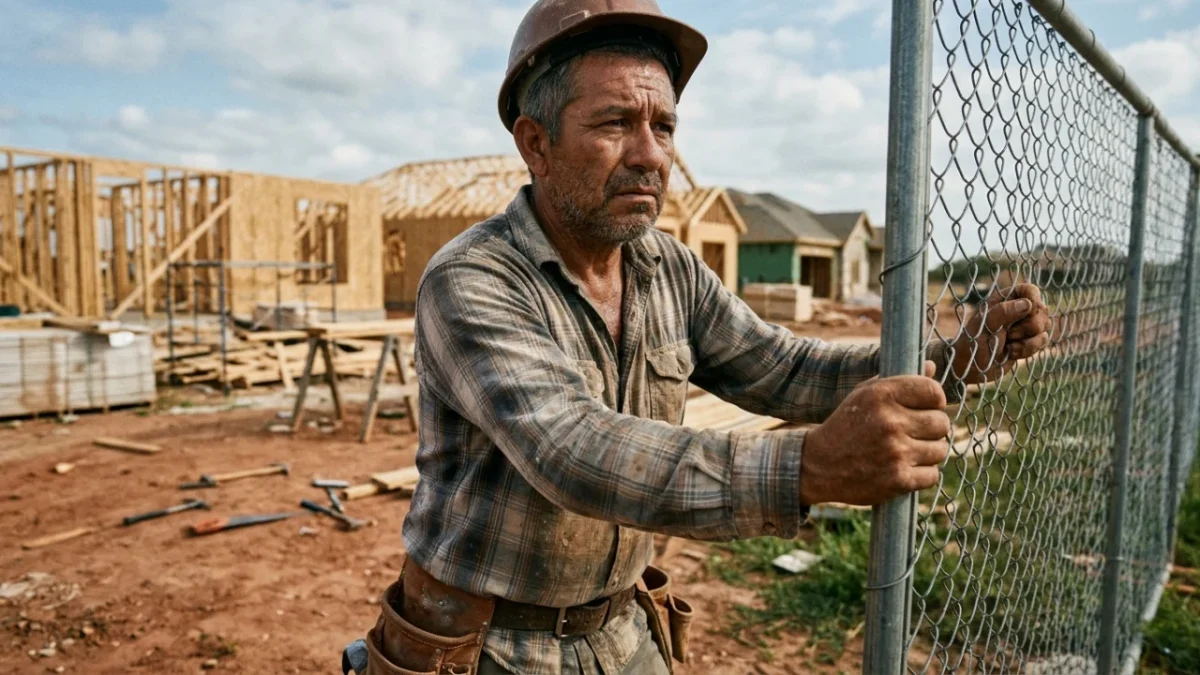
In the border hub of McAllen, Texas, the consequences are starkly visible on building sites that have ground to an absolute halt. Local construction company proprietor Benny Melendez, who cast his vote for Joe Biden before backing Donald Trump, now expresses profound regret over both choices as he erects physical security fences around his developments purely to bar federal agents from dragging off his workforce without formal judicial warrants.
A home construction that once required four months now stretches across an entire year because tradespeople are terrified to report for duty. With his crew reduced to just two builders, Melendez has found himself trapped between severe labour deficits and heavy-handed federal tactics that offer no viable path for honest enterprise.
Border Enclaves Face Economic Paralysis and Escalating Backlash
The sentiment echoing across the Rio Grande Valley reveals a rapid collapse in backing for aggressive immigration measures among working-class voters. Jessica Vuittonet, a small cafe proprietor based in San Benito, openly voiced remorse after initially backing the administration out of religious convictions, stressing that she never anticipated federal roundups targeting blameless, hard-working residents who anchor local commerce.
Local political leaders are sounding alarms over the optics and reality of these unyielding operations. Javier Villalobos, the Republican mayor of McAllen, has identified these enforcement sweeps as the single greatest concern among his constituents, warning that heavily armed, masked agents pulling individuals from civilian vehicles create a disturbing spectacle that threatens to wipe out recent party progress across south Texas.
Fresh polling data underscores the depth of this political rupture across the state:
- Latino approval for the federal administration in Texas has plummeted to just 34 percent, trailing 11 percentage points behind general state electorate figures.
- National surveys reveal that nearly 60 percent of surveyed Hispanic residents believe deportations have far exceeded what was originally promised.
- Broader polling from NBC News and Telemundo placed overall policy approval among Latino voters at an anaemic 27 percent, with 69 percent outright rejecting existing enforcement tactics.
The electoral fallout is already shaking traditional battlegrounds. In Texas’s 15th Congressional District, Democratic challenger Bobby Pulido has surged ahead with a 51 percent to 44 percent lead over Republican incumbent Monica De La Cruz, while the statewide Senate contest between James Talarico and Ken Paxton sits on a knife edge.
Yet federal leadership remains utterly unyielding. White House border tsar Tom Homan dismissed potential electoral damage outright, stating bluntly that impending midterm contests do not dictate his operational priorities, which remain anchored exclusively in hardline statutory enforcement.
Intense Confrontations Paralyse New York Neighbourhoods
While economic tremors disrupt Texas, northern urban centres are witnessing sharp, direct confrontations on public thoroughfares. Outside Elmhurst Hospital in Queens, New York, two dozen unmarked federal enforcement vehicles staged a ten-hour continuous operation just south of Roosevelt Avenue, sending shockwaves through surrounding immigrant communities.
Civic defence coalitions, led by Hands Off NYC—an alliance spanning over 250 trade unions, faith organisations, and grassroots networks—rushed to the perimeter to disrupt potential detentions. Local monitors deployed emergency whistles, filmed every movement of federal officers, and actively notified pedestrians of enforcement perimeters.
Civilian Monitoring Clashes With Masked Units
Community co-director Rebecca Rodriguez reported that federal personnel operated at excessive speeds down one-way residential streets, threatened witnesses with pepper spray, and attempted to intimidate residents who asserted their constitutional right to observe federal actions. In one viral street confrontation, neighbours surrounded an agent wearing skeletal combat gloves and a full tactical balaclava, demanding he remove his mask or resign rather than terrify local families.
The aggressive posture near sensitive medical and residential facilities follows a string of alarming incidents across the country:
- In the Bronx neighbourhood of Marble Hill, an immigration agent opened fire on a Dominican driver accompanied by his five-year-old child, leaving the motorist detained with a bullet lodged in his neck.
- In Texas, a Latino American citizen came forward detailing a severe beating by federal agents before officers even bothered to verify his lawful citizenship documents.
- In Charlotte, two American citizens reported being held at gunpoint and handcuffed by agents during sweeping street interceptions before their legal status was confirmed.
- Long-term diaspora communities in Florida have been rocked by sudden expulsions, including the removal of a Florida businessman’s Cuban partner following 25 years of continuous residence.
From Queens hospital corridors to Texas building developments, aggressive ICE raids have shifted from a distant policy debate into a volatile everyday reality. As grassroots monitoring groups expand and business owners battle workforce decimation, the divide between uncompromising federal mandates and community resilience grows wider by the day.
💡 Communities across multiple states are increasingly establishing rapid-response networks, distributing multilingual guidance on constitutional rights, and deploying legal observers to monitor federal activity in residential hubs.
🔍 The intersection of severe labour shortages and hardline border enforcement is rapidly reshaping electoral dynamics, proving that local economic realities often overpower partisan loyalties.
📌 As federal agents maintain high-visibility sweeps in sensitive public corridors, local municipalities and civic coalitions continue to test the legal limits of monitoring and resisting federal intervention.
👇 Have aggressive immigration enforcement actions altered your local neighbourhood or affected local businesses around you? Share your experience in the comments below.
 1
 2
 3
 4