
California Pumpkin Patch Linked to Severe E. Coli Outbreak: 3 Children Hospitalized in Pediatric ICU

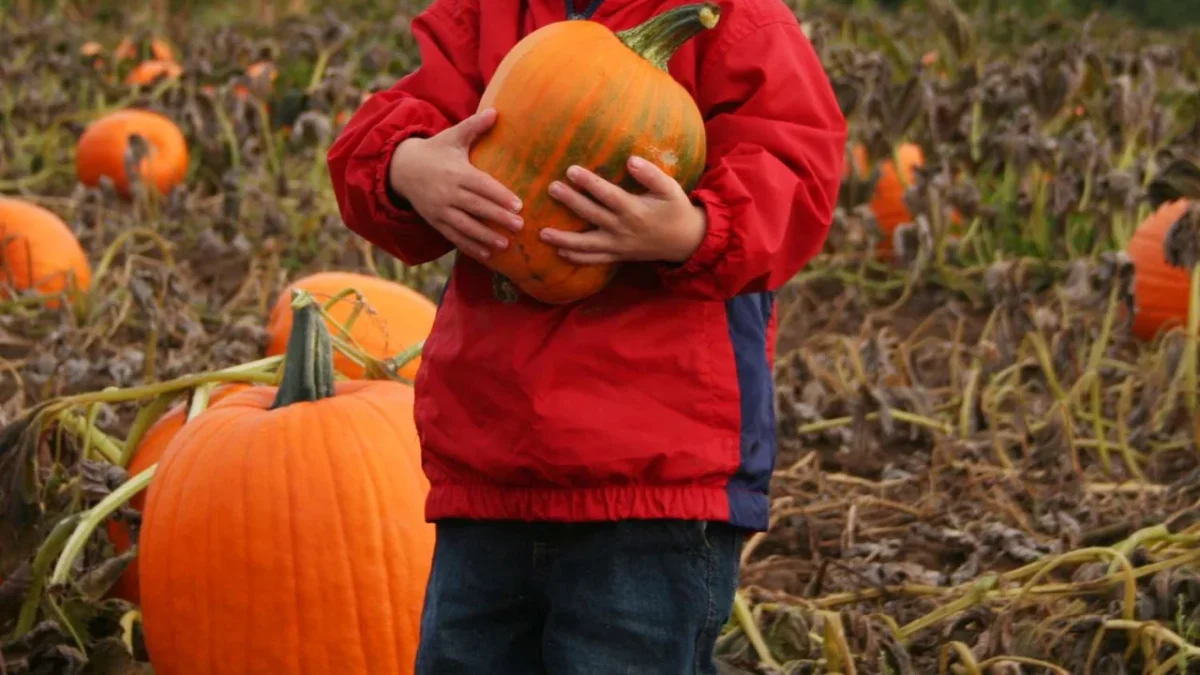
A severe E. coli outbreak potentially linked to a popular California agritourism destination has sickened five people, leaving three young children fighting for their health in a pediatric intensive care unit. County health investigators are actively probing Brookshire Farms after visitors developed serious gastrointestinal infections following seasonal visits.
The San Luis Obispo County Public Health Department confirmed that all five individuals contracted Shiga toxin-producing Escherichia coli (STEC). Health officials have urged anyone who visited the farm between October 16 and October 26 to monitor themselves closely for severe abdominal cramps and bloody diarrhea.
Three of the patients are pediatric cases admitted to the hospital in serious condition, according to public health officials. The severity of the bacteria strain has raised urgent concerns among local families who attended the farm’s fall attractions.
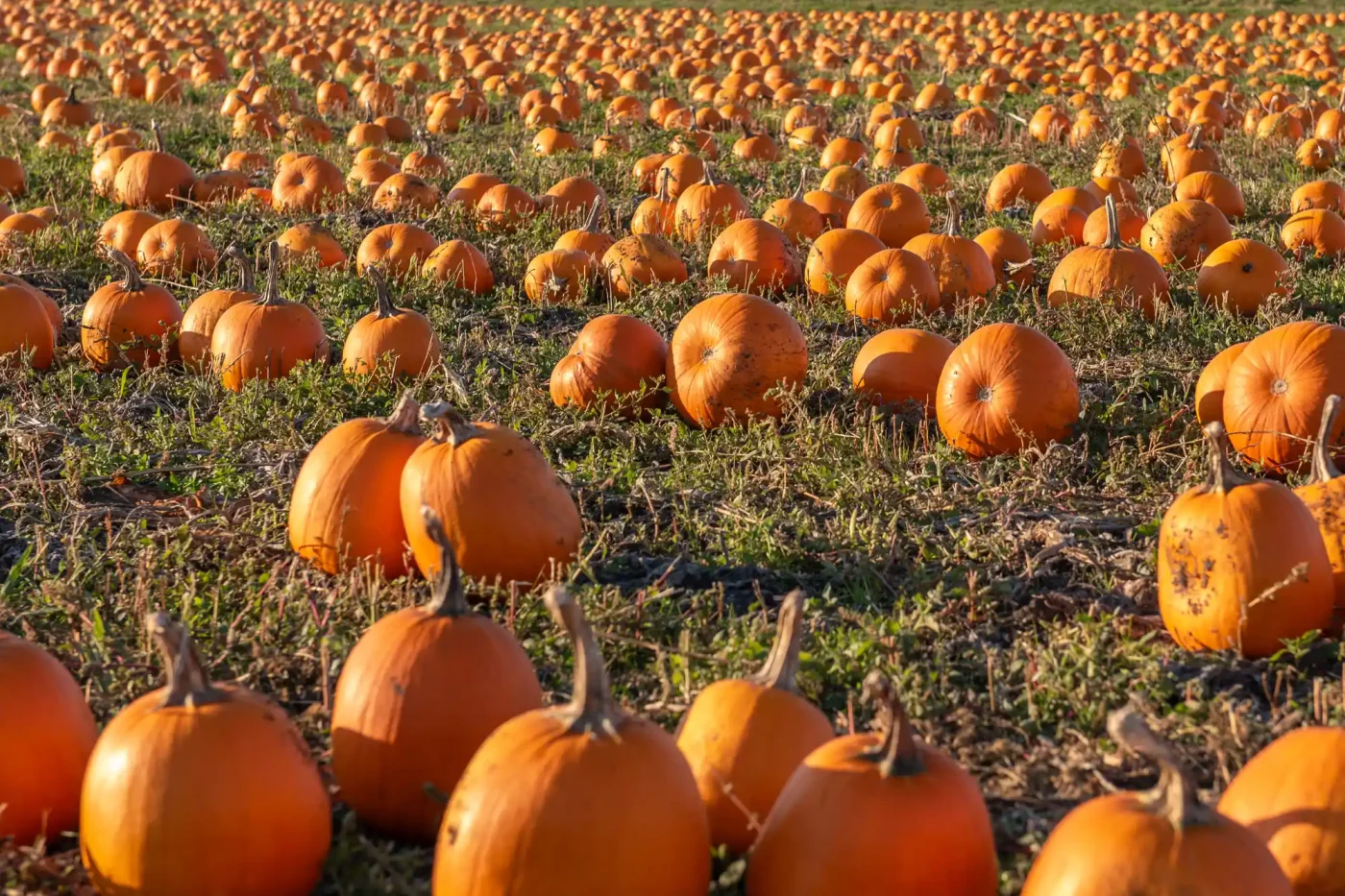
Stock, Pumpkin Patch
Understanding STEC and the Severe Risks to Children
Shiga toxin-producing E. coli is categorized by the National Library of Medicine as one of the most potent bacterial toxins known. While many general strains of bacteria reside harmlessly in the human gut, STEC produces aggressive poisons that attack the intestinal lining.
The Centers for Disease Control and Prevention (CDC) warns that STEC infections can progress to hemolytic uremic syndrome (HUS). This critical complication causes the destruction of red blood cells and can trigger acute kidney failure, lifelong medical conditions, or death.
Children face significantly higher risks of developing HUS than healthy adults. Because young immune and renal systems are especially vulnerable, pediatric intensive care is often required to manage fluid levels and monitor organ function.
“We are working diligently to identify the source of these infections to protect the health of our community. We encourage anyone who may have been exposed and is experiencing symptoms consistent with E. coli infection to seek immediate medical attention.” — Dr. Christy Mulkerin, County Health Officer
How Contamination Spreads in Farm Environments
Health specialists at the Cleveland Clinic note that E. coli bacteria spread primarily through fecal-oral pathways. Microscopic amounts of fecal matter can easily transfer to hands, objects, food items, or surfaces without being visible to the naked eye.
Outdoor farm settings present multiple common points of exposure during autumn visits:
- Direct contact with farm animal pens, fences, and petting areas.
- Unwashed hands handling food, treats, or drinks after touching ground surfaces.
- Consuming unpasteurized juices, raw cider, or raw milk products.
- Eating undercooked meats or food prepared in contaminated environments.
The Myth of “Clean” Outdoor Attractions
A widespread public misconception is that bacterial infections on farms only stem from petting visibly soiled livestock. In reality, pathogens can persist on hay bales, fences, pumpkin rinds, and soil long after an animal has moved away.
Hand sanitizers alone do not always eliminate stubborn farm-borne pathogens, making thorough washing with running water and soap the essential standard for prevention.
| Factor | Clinical Reality |
|---|---|
| Pathogen Type | Shiga toxin-producing E. coli (STEC) |
| Primary Warning Signs | Severe stomach cramps and bloody diarrhea |
| High-Risk Complication | Hemolytic Uremic Syndrome (Kidney Damage) |
| Confirmed Farm Exposure Window | October 16 through October 26 |
Farm Operations Suspended Amid Active Inquiry
In response to the confirmed cases and the ongoing investigation, Brookshire Farms decided to shut down all operations for the rest of the autumn season. The venue, which traditionally draws crowds for its hayrides, corn maze, and pumpkin patch, announced the move across its official social media channels.
“Safety is our main concern. We are waiting on the test results from the county health department. Until then there is nothing to comment on. We have opted to remain closed for the remainder of the pumpkin season until test results have been determined.” — Brookshire Farms Statement
This California investigation follows an earlier outbreak at Bengtson’s Pumpkin Farm in Homer Glen, Illinois. That location also closed voluntarily after five people tested positive for STEC strains linked to farm and petting zoo exposures.
Public health authorities continue to process environmental tests at the California property to pinpoint whether the bacteria originated from water lines, animal interaction zones, or seasonal refreshments.
📱 If your family visited Brookshire Farms between October 16 and October 26, monitor every household member for digestive distress or sudden fatigue.
✨ Swift medical intervention remains critical when dealing with STEC strains, especially among toddlers and school-age children.
💬 Did your family visit any fall farm attractions this season? Share your thoughts and experiences in the comments below.
 1
 2
 3
 4
