
Dermatologists Confirm the Exact Retinol Formula to Use at Every Age—From Your 30s to Your 70s

Selecting the wrong retinol skincare formula can strip your barrier and trigger severe redness, yet board-certified dermatologist Dr Jessie Cheung confirms that matching specific active concentrations to your exact decade unlocks transformative collagen renewal without the irritation.
While vitamin A derivatives remain unmatched for reversing visible signs of ageing, the exact formula that clears pores in your thirties will often cause excessive flaking or contact dermatitis on the thinner skin of your sixties.
According to Dr Cheung, retinol actually changes how skin cells behave rather than merely altering surface appearance. By ramping up cellular turnover and accelerating collagen synthesis, regular application yields a refined texture, fewer blemishes, and visibly firmer skin.
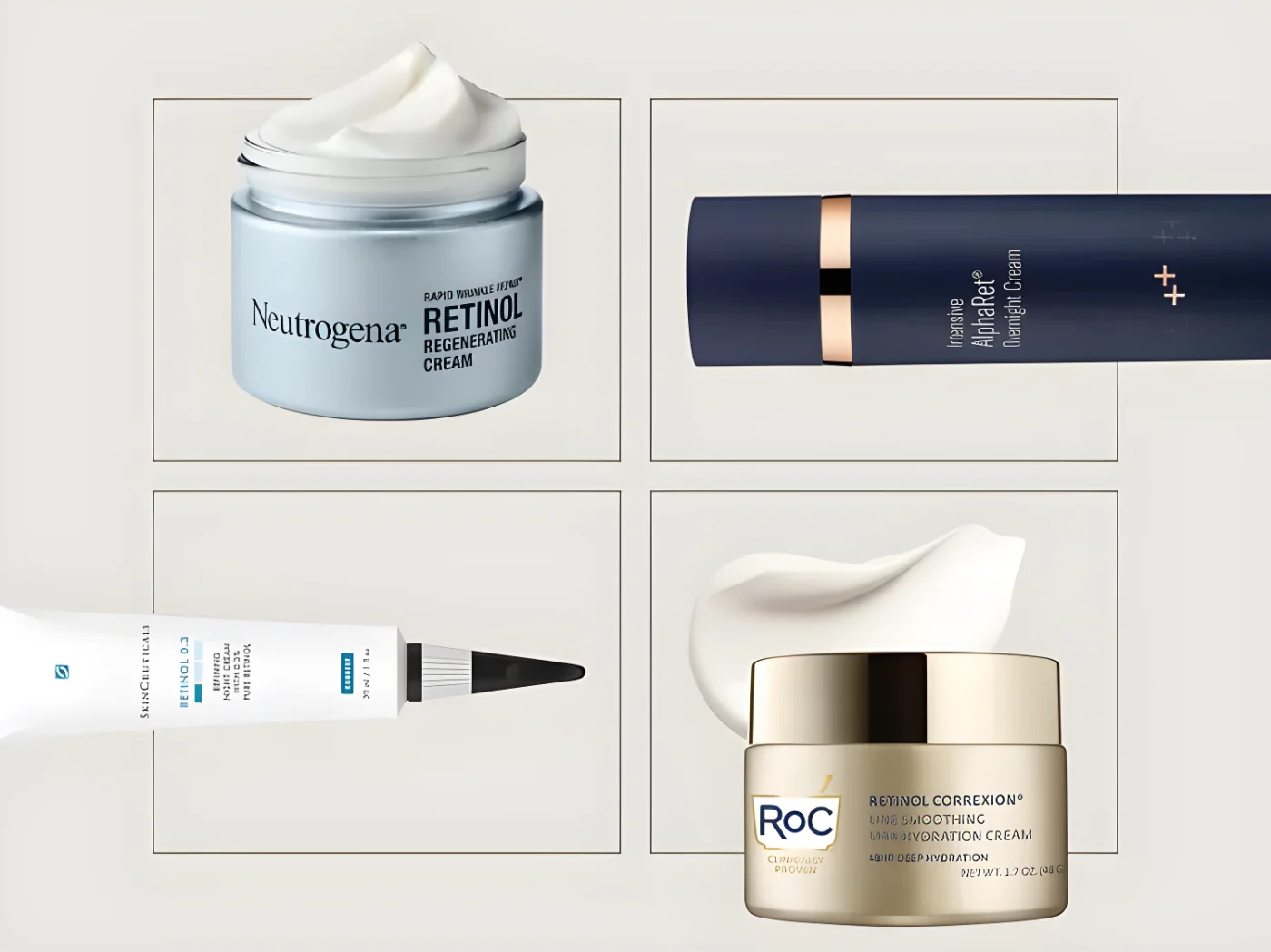
A selection of retinol skincare products including Neutrogena, RoC, and other targeted treatments.
The secret lies in adapting your active ingredients as natural cellular resilience evolves over time.
Navigating Your 30s: Preventing Wrinkles and Managing Early Texture Shifts
Entering your thirties shifts skincare priorities toward cellular preservation. The primary objectives centre on buffering early fine lines, warding off adult breakouts, and correcting subtle texture shifts before they become deep-set wrinkles.
Dr Cheung recommends introducing mild, conditioning treatments that condition the skin while delivering a steady dose of vitamin A.
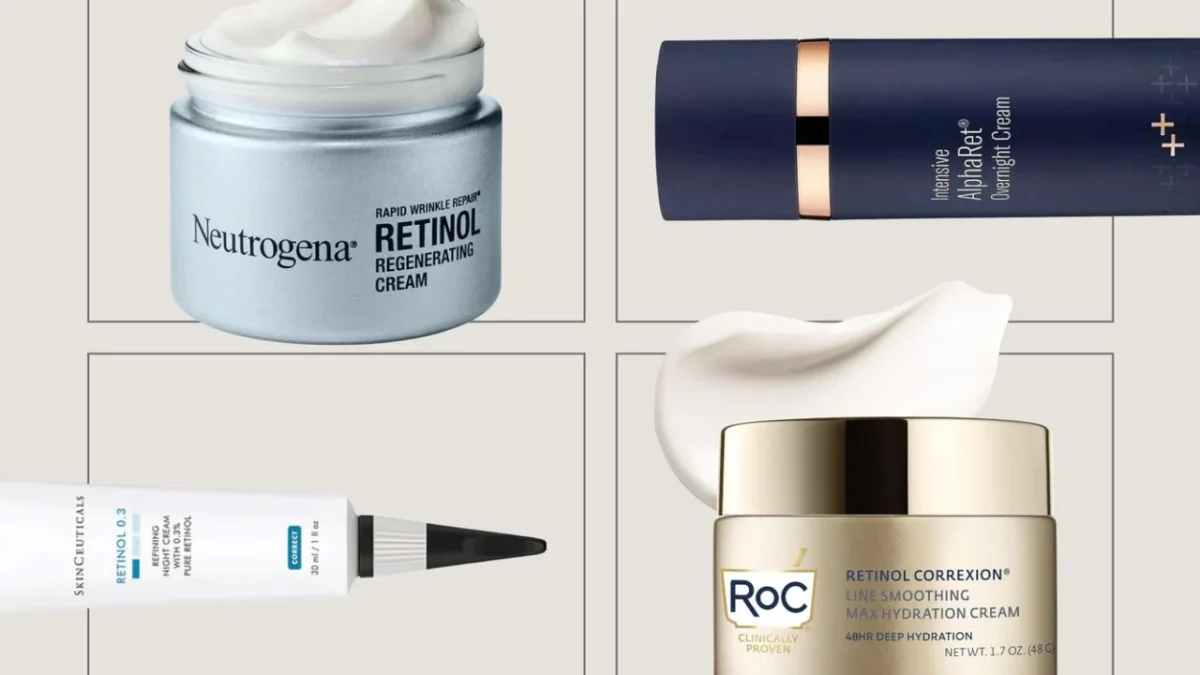
- Neutrogena Rapid Wrinkle Repair Retinol Regenerating Cream: A balanced starter cream engineered to hydrate without leaving a greasy sheen, making it well-suited for sensitive complexions.
- SkinCeuticals Retinol 0.3 Refining Night Treatment: A clinical favourite that balances a modest 0.3 per cent active concentration with chamomile and frankincense extracts to soothe redness and accelerate skin recovery.
Introducing active ingredients at this stage builds foundational tolerance, preparing the epidermis for more intensive treatments in future years.
Strengthening Barrier Support in Your 40s and 50s
During your forties and fifties, the natural lipid barrier begins to lose moisture more rapidly, requiring formulations that balance intensive cell stimulation with robust barrier repair.
Hormonal changes frequently deplete skin plumpness, making slow-release active delivery far superior to high-potency, destabilising doses.
To prevent chronic dryness, dermatologists turn to modern encapsulation technologies that release active compounds beneath the surface layers.
Advanced Peptide and Hydration Complexes
Formulations designed for mid-career skin often combine vitamin A with intensive humectants and structural signalling peptides.
- RoC Retinol Correxion Max Hydration Cream: Combines active retinol with intensive hydration agents to lock in essential moisture while smoothing stubborn lines.
- Alastin Renewal Retinol Serum: A go-to formulation favoured by aesthetic practitioners and lifestyle authority Martha Stewart. It utilises micro-encapsulated retinol to bypass surface friction alongside targeted peptides that restore bounce and structural integrity.
Encapsulation ensures the primary active reaches deeper living tissue, dramatically mitigating flaking across the outer stratum corneum.
Managing Fragile, Thinner Skin in Your 60s
Skin in your sixties undergoes marked thinning, becoming increasingly reactive and naturally dry. Dr Cheung advises shifting focus towards formulas fortified with lipid-replenishing ceramides, peptides, and botanical antioxidants.
Aggressive peeling must be avoided at all costs, as mature skin requires longer recovery windows when irritated.
- CeraVe Resurfacing Retinol Serum: Features encapsulated retinol blended with essential ceramides and soothing liquorice root extract to reinforce natural defences.
- Dr. Dennis Gross Advanced Retinol and Ferulic Intense Wrinkle Cream: Blends retinol with antioxidant ferulic acid and gentle plant-based bakuchiol to stimulate collagen synthesis without igniting inflammatory cascades.
By pairing cellular stimulants with natural anti-inflammatory agents, mature skin maintains vital collagen synthesis safely.
Prioritising Consistency Over Strength in Your 70s
By your seventies, maintaining skin quality and building comfort take absolute precedence over aggressive resurfacing. Dr Cheung notes that the single biggest mistake among older individuals is abandoning vitamin A entirely due to poorly managed irritation.
Consistency consistently outperforms high concentration, meaning gentle, nourishing formulas yield the most reliable visible improvements.
- The Ordinary Retinol 0.2% in Squalane: An accessible, low-strength formula suspended in lipid-dense squalane that provides deep moisturisation and barrier protection.
- Isdin Isdinceutics Retinal Advanced Night Serum: An innovative dual-phase treatment that deploys gentle retinaldehyde and bakuchiol alongside melatonin and soothing niacinamide to calm inflammation.
Pairing nightly active application with broad-spectrum sun protection remains essential at every stage of life to protect delicate new cells.
💡 Finding a sustainable balance between active potency and barrier comfort ensures healthy cellular turnover at any age.
🔍 Selecting targeted formulations tailored to your decade protects against chronic redness while maximising rejuvenating benefits.
👇 Which decade-specific retinol formula best fits your current skincare routine? Share your experiences and questions in the comments below.
Source: www.instyle.com
 1
 2
 3
 4