
Dustin Hoffman Reveals the Behind-the-Scenes Agony on ‘The Graduate’: ‘I Felt Like I Was About to Be Fired’

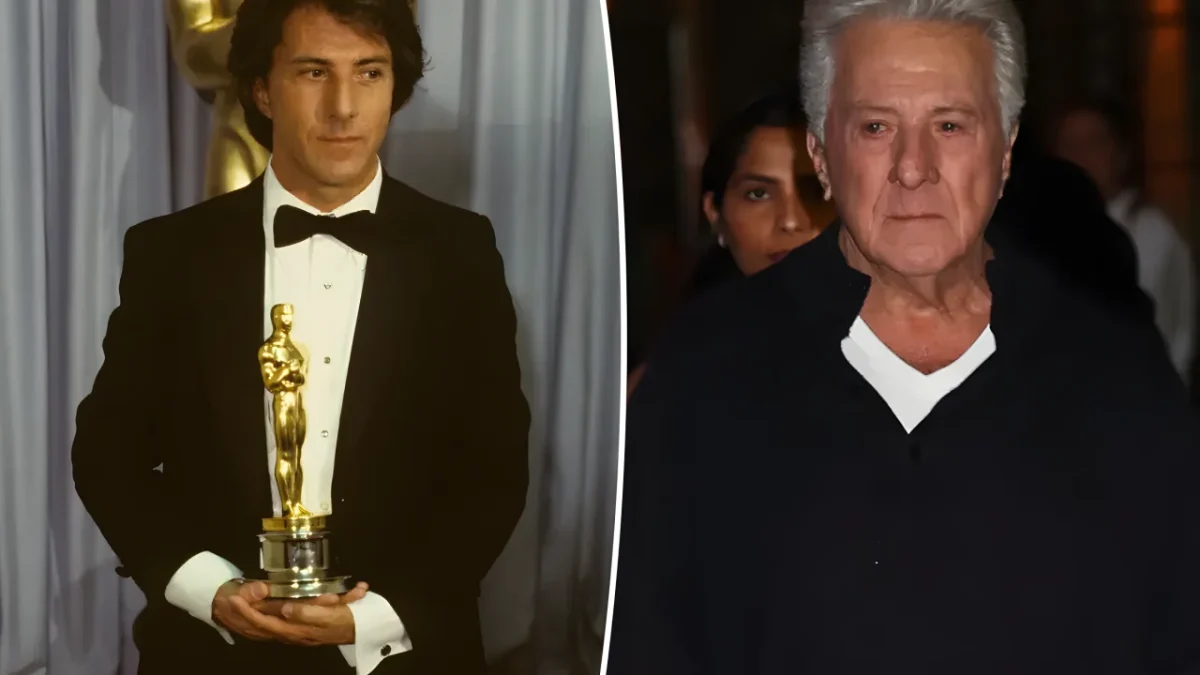
Dustin Hoffman endured a deeply distressing ordeal while making the 1967 cinematic masterpiece The Graduate, living in daily terror that director Mike Nichols was on the verge of firing him from the career-defining production.
The landmark role turned the young performer into an overnight sensation, but the reality behind the camera was consumed by extreme stress, severe self-doubt, and harsh on-set critique.
In an excerpt from his memoir, Look at Me, published by The New Yorker, the celebrated actor pulls back the curtain on the psychological toll of working under Nichols during his Hollywood breakthrough.
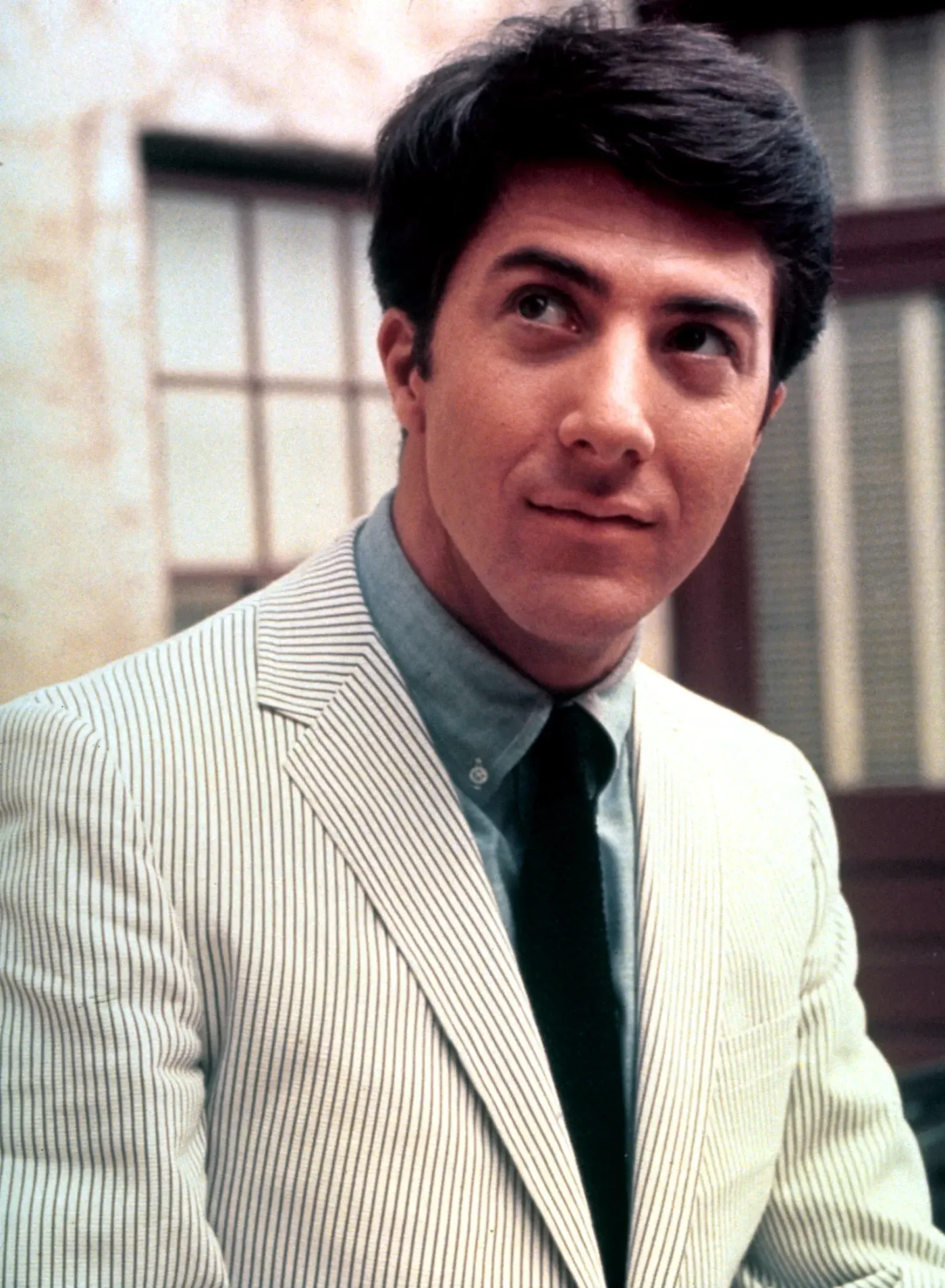
Dustin Hoffman in The Graduate.
A Sudden Shift in the Director’s Chair
Before cameras started rolling, the creative relationship seemed promising. Once filming launched, however, Hoffman witnessed a rapid change in demeanor that caught him completely off guard.
The transition from supportive collaborator to biting critic felt immediate. Hoffman described the change as both shocking and destabilizing to his confidence as a young lead.
“The whole time, I felt Mike was angry at me, either because I was doing something wrong or because he had realized what everybody else already knew, that he had miscast the lead in his film.”
The working environment pushed Hoffman into a constant state of panic on set.
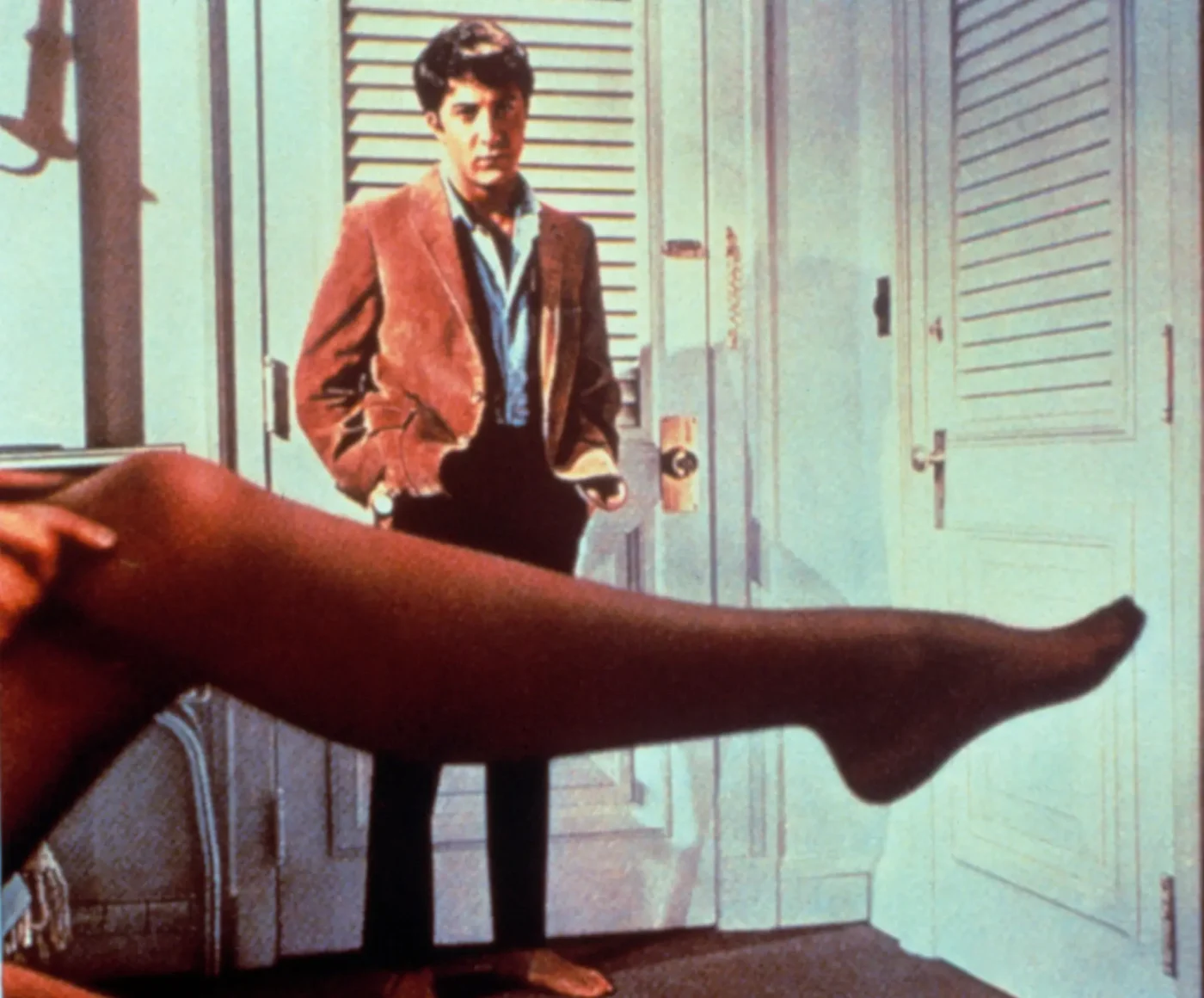
Dustin Hoffman as Benjamin Braddock in a scene from the film The Graduate, with a woman.
Harsh Notes and Microscopic Scrutiny
The pressure extended far beyond acting choices into minute physical details. Nichols delivered sharp critiques regarding Hoffman’s facial features, taking aim at his eyebrows and complaining that his neck appeared too thick on screen.
A routine take could dissolve into immediate frustration without warning.
“His mood would shift dramatically. I don’t remember the scene, but I will never forget Mike’s acid voice saying to me, after one take: ‘What were you doing?’ … Do the opposite of that.”
The intensity reached a point where theater director Ulu Grosbard confirmed Hoffman’s worst fears after visiting the production. Grosbard revealed that Nichols openly admitted he was deeply regretting the decision to cast Hoffman as Benjamin Braddock.
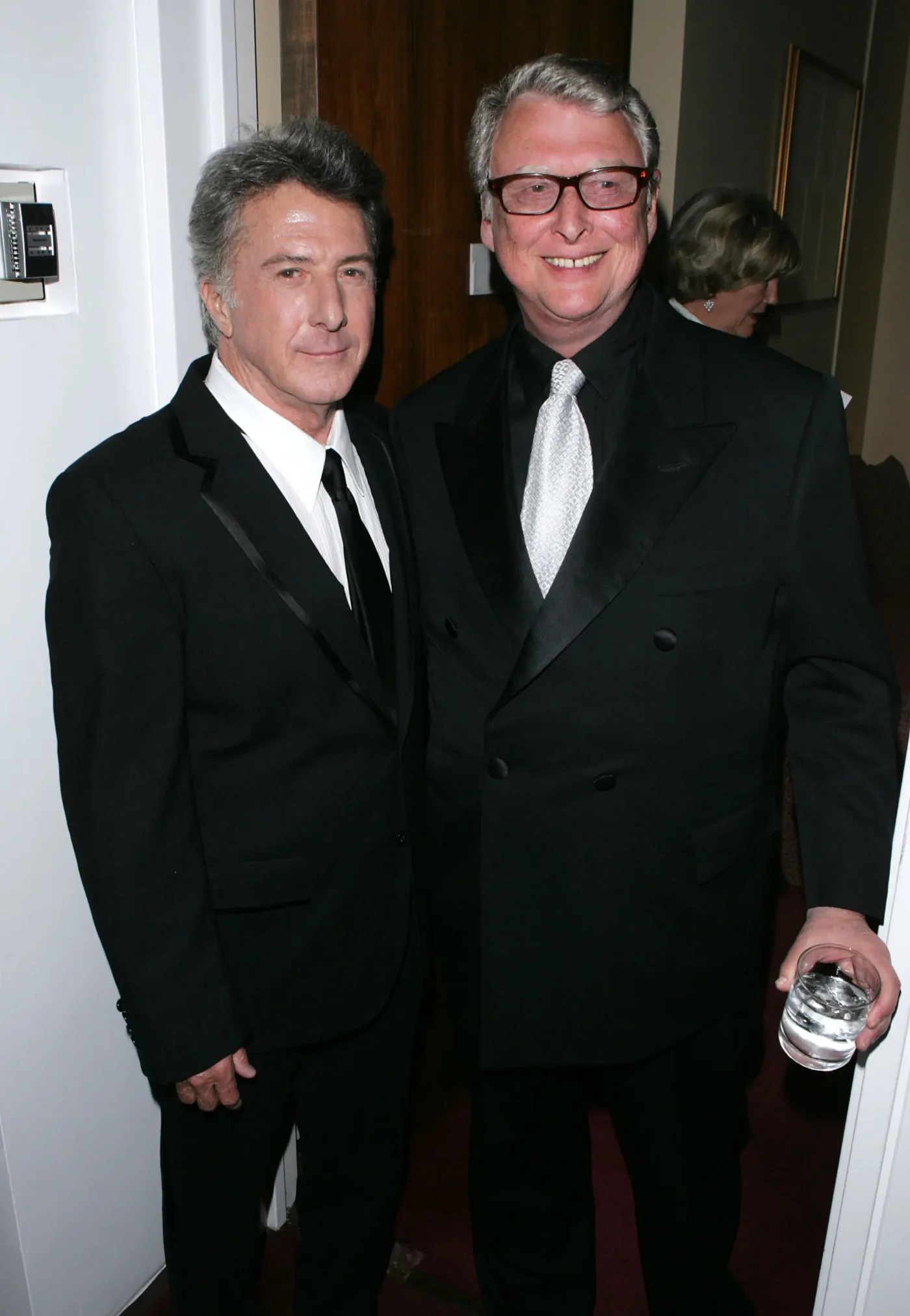
Actor Dustin Hoffman and Director Mike Nichols posing together at an event.
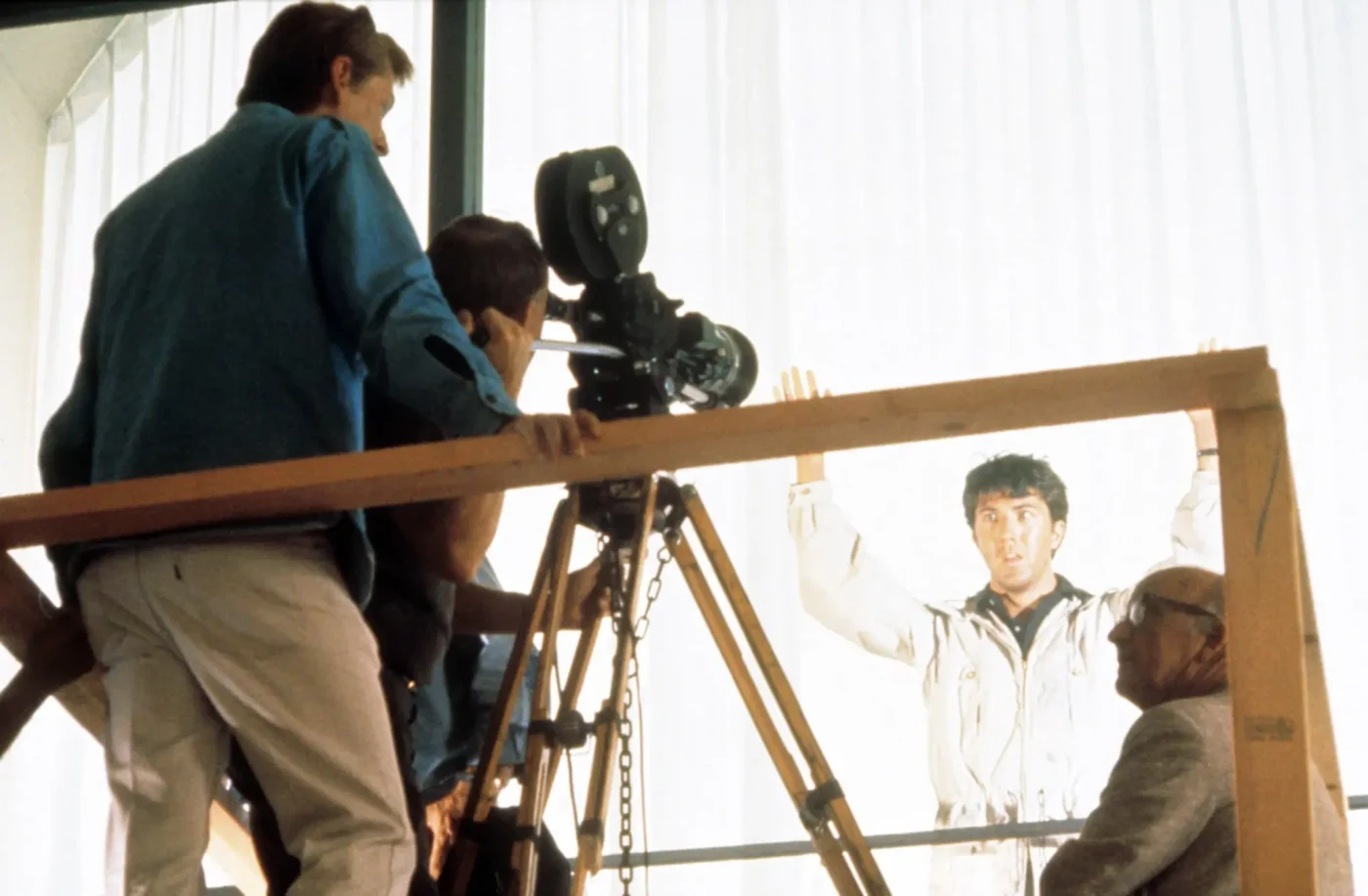
Director Mike Nichols and Dustin Hoffman on the set of The Graduate.
Physical Toll and Disillusionment
The rigorous shoot pushed the actor to his physical limits. Hoffman recalled walking away from filming sessions completely drained, suffering from exhaustion and dehydration.
The experience was so punishing that Dustin Hoffman privately resolved to leave the film industry entirely once the shoot wrapped, hoping to never step in front of a movie camera again.
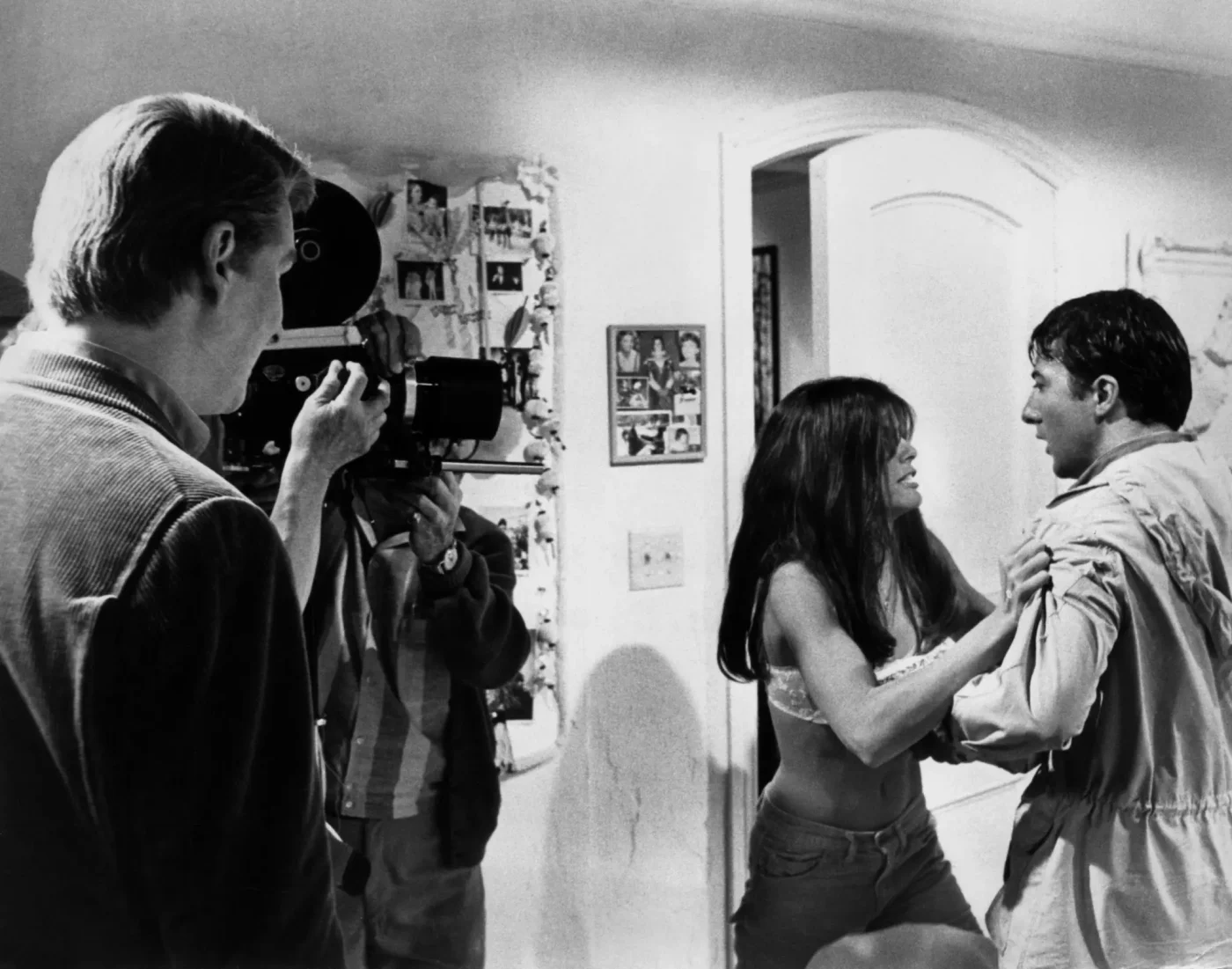
Director Mike Nichols watches as Katharine Ross confronts Dustin Hoffman in a scene from The Graduate.
Unpacking the Director’s Psychological Vision
With years of perspective, Hoffman came to view the tension through a very different lens. Nichols, who passed away in 2014 at the age of 83, had once acknowledged that his unconscious was driving the film’s creation.
In his memoir, Hoffman frames the character of Benjamin Braddock as an emotional stand-in created to absorb the director’s own inner turmoil and self-loathing.
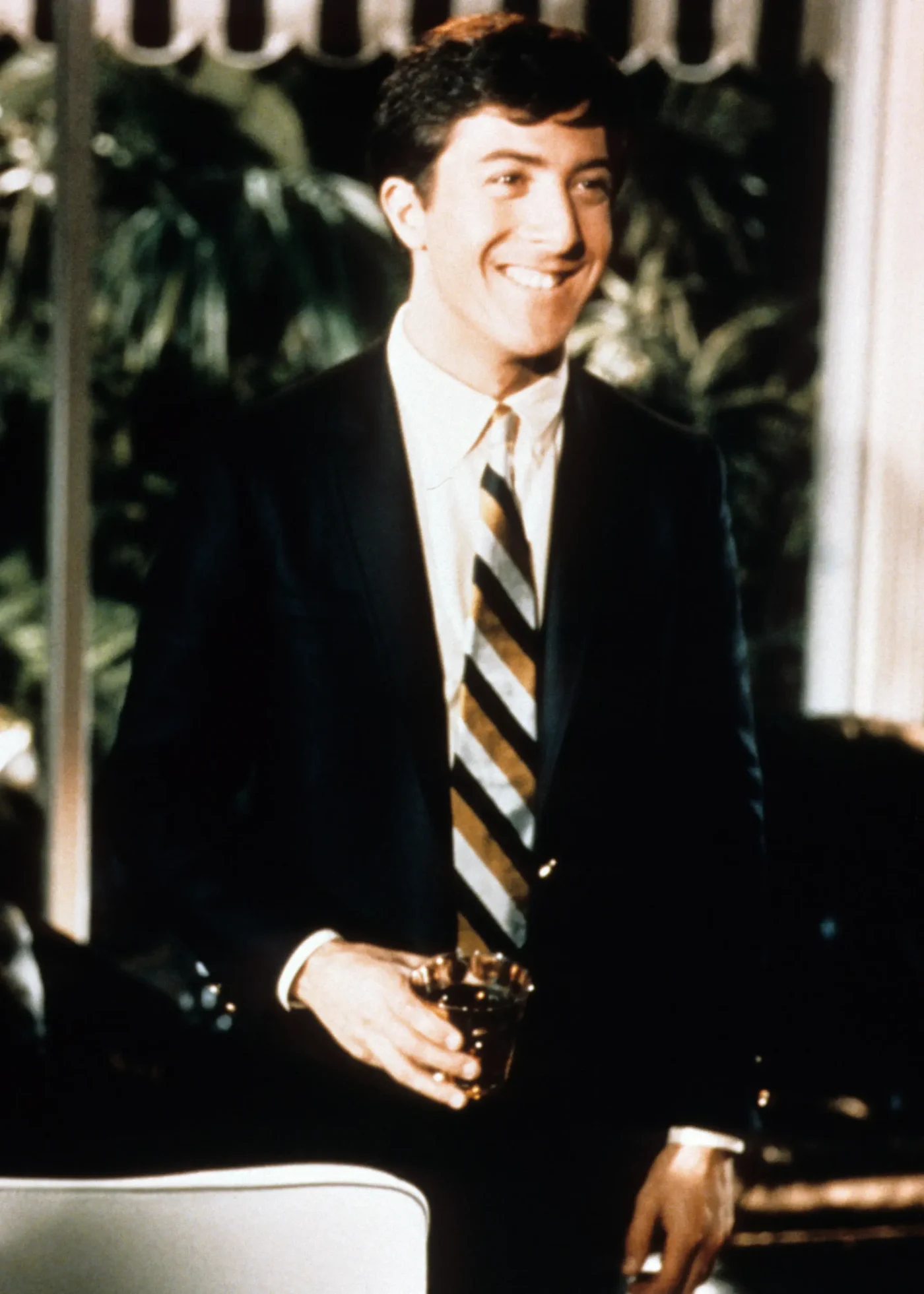
Dustin Hoffman smiling in a suit and tie while holding a drink in The Graduate.
Separating Legend from Reality
Decades after its premiere, public memory surrounding Hollywood classics often overlooks the grueling conflict that produces them.
- Myth: The effortless, detached demeanor of Benjamin Braddock came from relaxed, instinctive acting on set.
- Fact: The performance was forged amid relentless friction, exhaustion, and severe anxiety over job security.
- Myth: Nichols and Hoffman shared an effortless, seamless artistic partnership during production.
- Fact: Hoffman regularly felt despised and miscast, while Nichols actively expressed regret over the hiring choice to outside colleagues.
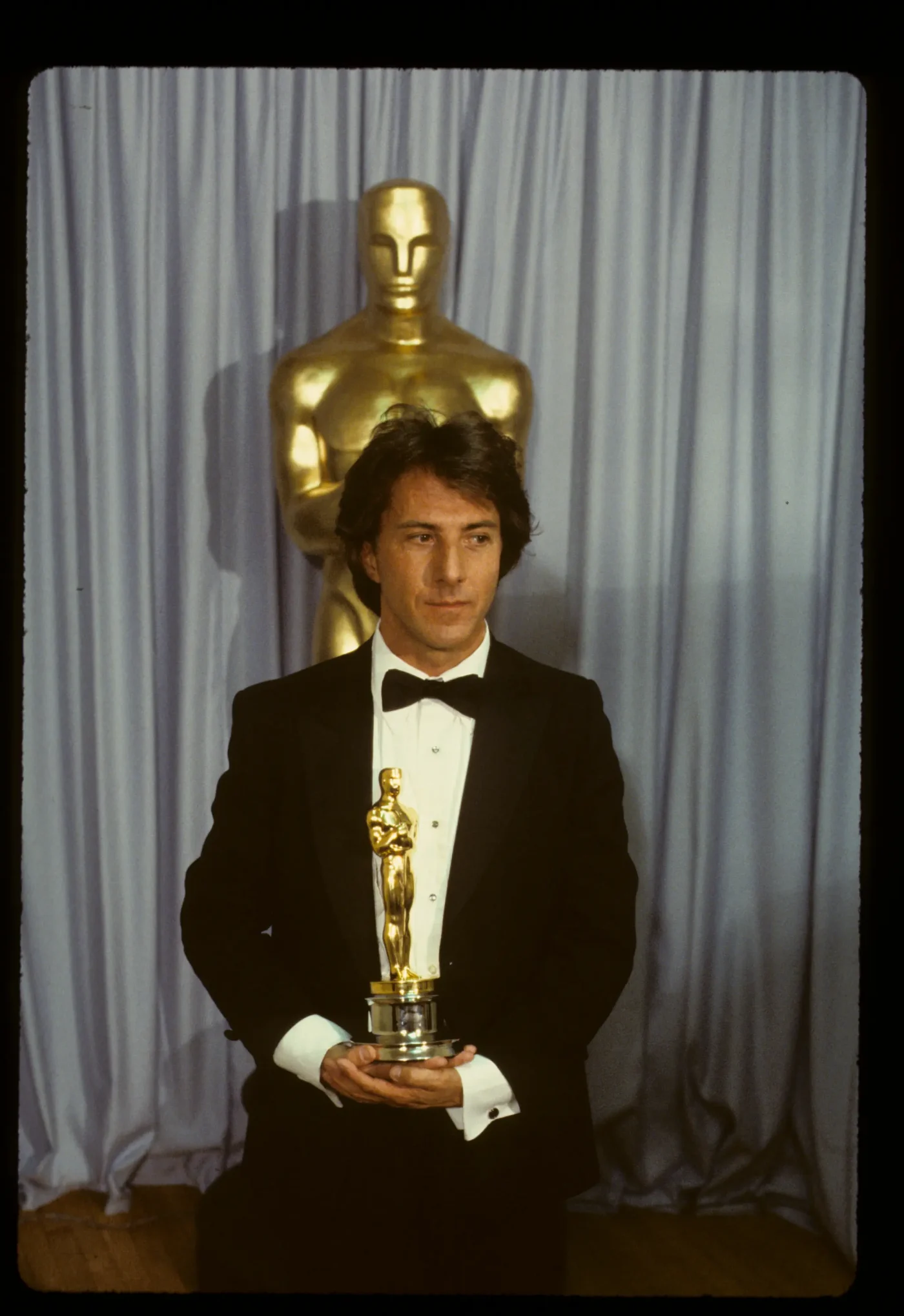
Dustin Hoffman holding his Best Actor Oscar.
The Impact of ‘The Graduate’
Despite the misery endured during production, the final work reshaped modern American cinema and launched Hoffman to the top tier of the industry.
| Element | Historic Milestone |
|---|---|
| Box Office & Cultural Status | Became an instant classic exploring the affair with Mrs. Robinson (Anne Bancroft) |
| Director Mike Nichols | Won the Academy Award for Best Director in 1968 |
| Dustin Hoffman Accolades | Secured a Golden Globe win and the first of seven Oscar nominations |
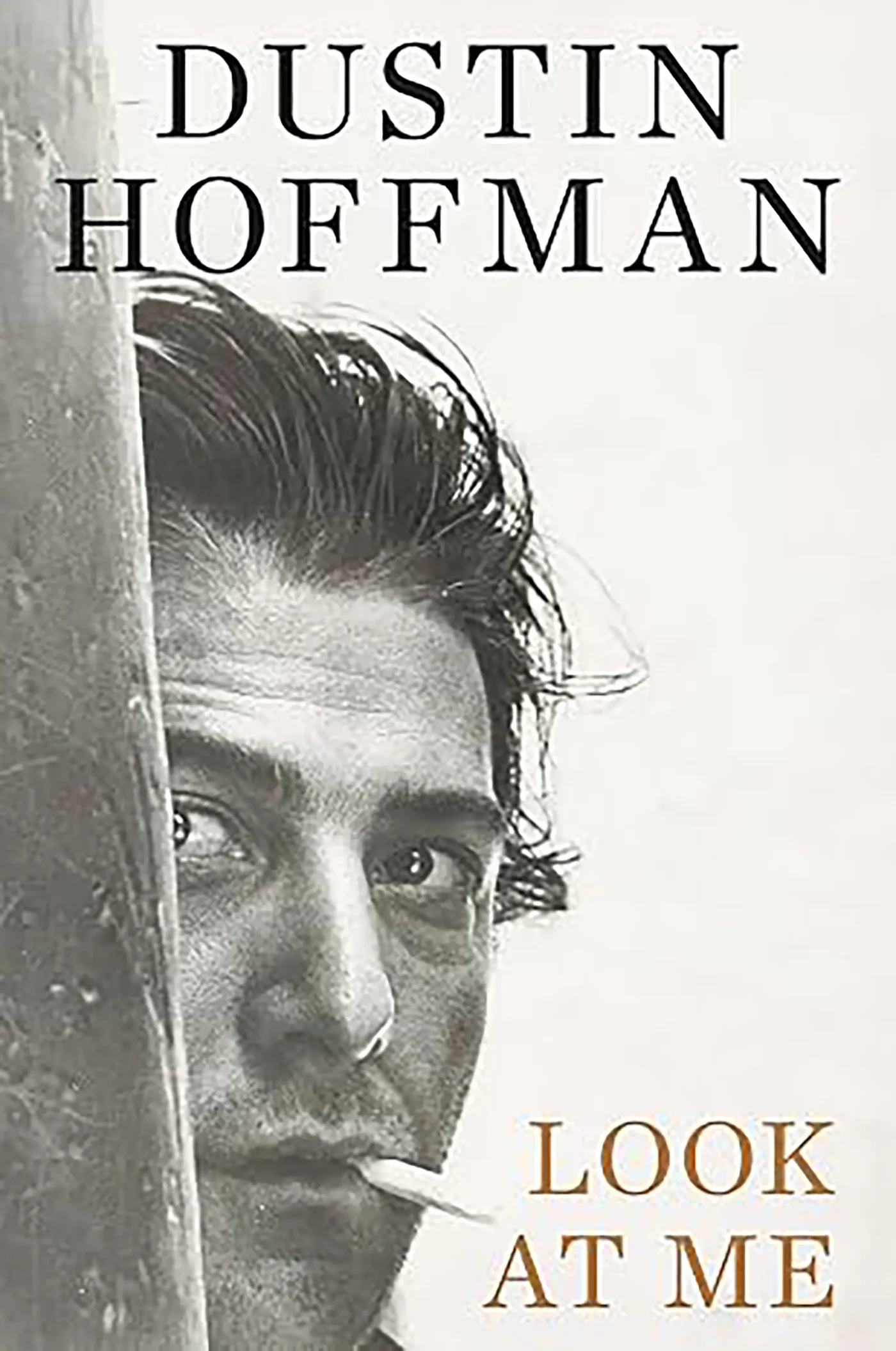
Book cover of Look at Me.
✨ Hoffman’s candid revelations prove that Hollywood’s most celebrated achievements often carry a heavy emotional toll behind the scenes.
💬 The candid reflections arrive as readers prepare for the official launch of Look at Me on November 10.
👇 Were you surprised to learn how painful the making of this classic film really was? Drop your thoughts in the comments below!
 1
 2
 3
 4
