
Encountering an Albino Snail in the Wild Reveals a Ghostly Genetic Anomaly That Leaves Gastropods Dangerously Exposed Under the Open Sun

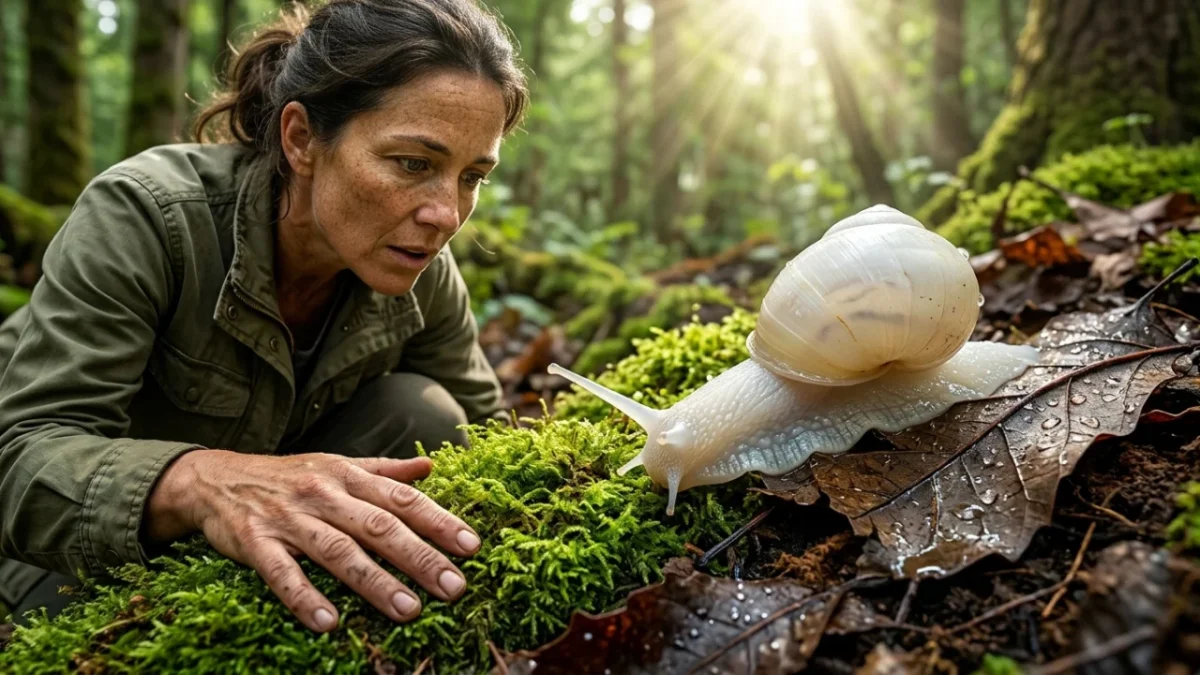
A ghostly, milk-white creature creeping across leaf litter is not a newly discovered woodland oddity, but an exceptionally rare albino snail stripped of the vital dark pigments that shield its soft flesh from solar damage and sharp-eyed predators.
Spotting such an individual in natural habitat borders on the miraculous.
While garden foliage across temperate woodlands frequently hides thousands of brown and banded gastropods, true albinism disrupts this natural camouflage entirely, creating an animal that practically glows against damp soil and decaying bark.
The Biological Reality Behind a Translucent Wild Snail
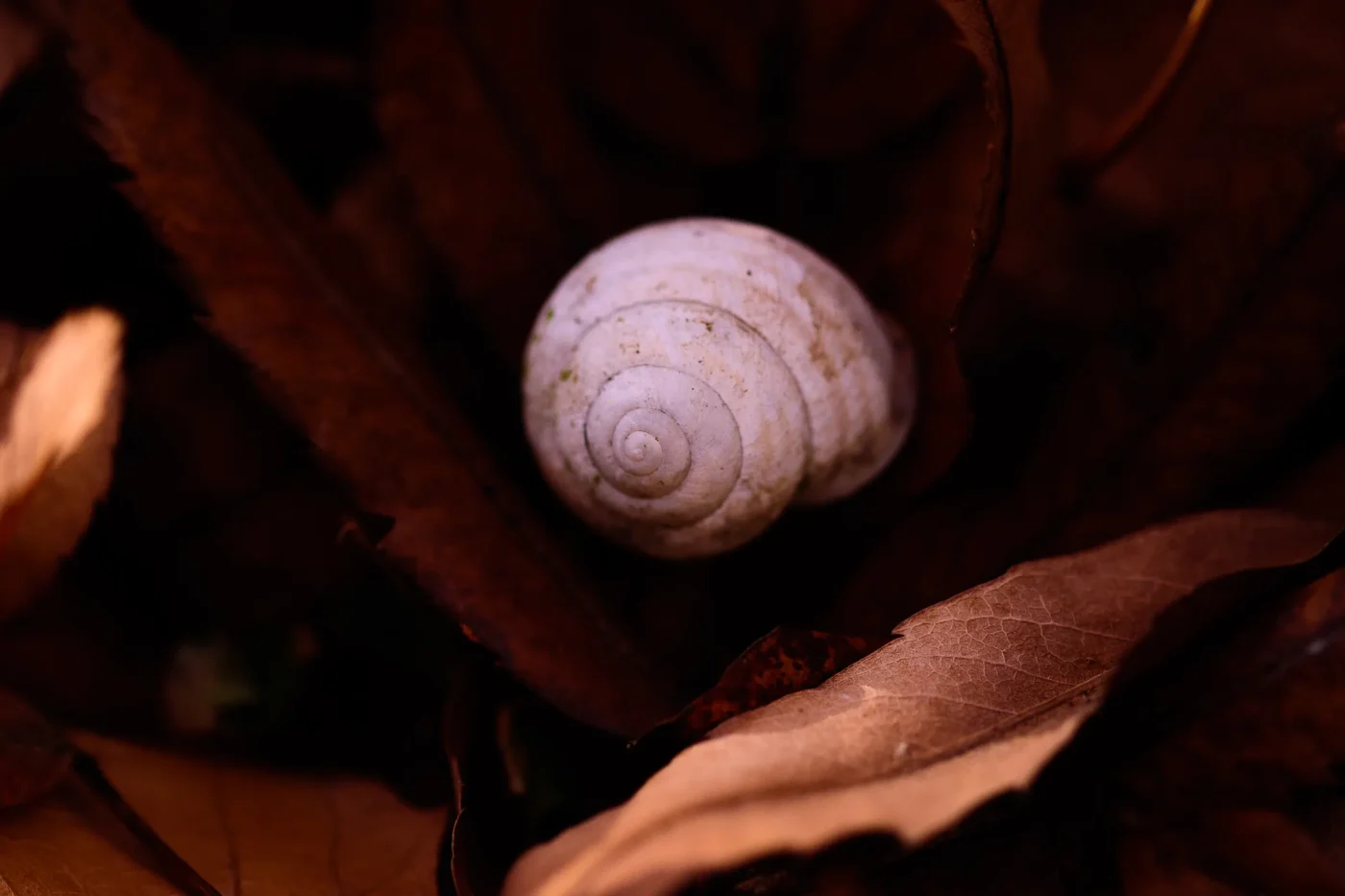
An albino snail is not a distinct species. Instead, the condition manifests as an uncommon genetic variation within documented groups, including the Giant African Land Snail (Achatina fulica) and the Tiger Land Snail (Achatina achatina).
The anomaly stems from an inherited genetic mutation that halts the biological synthesis of melanin, the primary dark pigment responsible for typical colouration.
Without melanin, the gastropod develops a pale, translucent, or creamy white body that exposes the faint outlines of underlying fluids and tissues.
Curiously, the mutation does not always express uniformly across the entire mollusc.
In many observed cases, albinism alters only the soft body, leaving a pigmented, patterned shell overhead, while other individuals produce both a colourless body and a strikingly pale, patternless casing.
Why Survival Outside Captivity Is Almost Impossible
A wild land snail depends heavily on dark, earthy tones to survive daily encounters with foraging birds, small rodents, and ground beetles.
Lacking natural camouflage, an albino snail becomes an immediate target the moment it ventures from damp crevices to graze.
Beyond predation, the genetic defect introduces severe environmental hurdles:
- Extreme Light Sensitivity: The total absence of protective pigment leaves the snail acutely sensitive to daytime brightness, restricting normal movement.
- Heightened Sun Damage: Without melanin to diffuse harmful rays, prolonged exposure to sunlight rapidly damages the delicate outer skin and accelerates moisture depletion.
- Loss of Thermal Protection: Standard pigmentation assists in balancing internal thermal conditions, a barrier these pale snails lack entirely.
Because of these compounding hazards, wild specimens rarely survive long enough to reach full maturity.
A Shared Fragility Across the Animal Kingdom
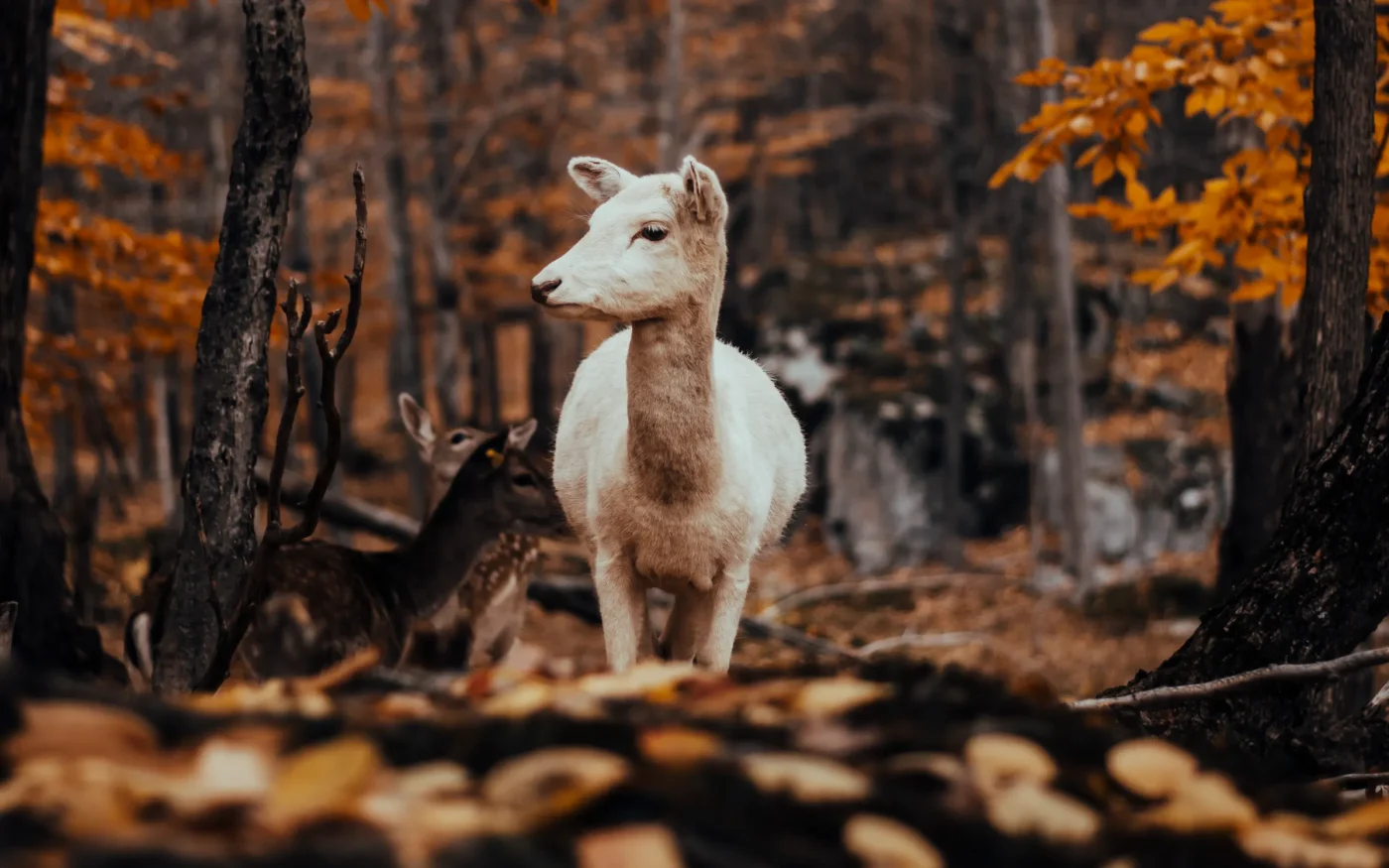
The perilous conditions facing a pale snail mirror the hardships observed across all wild albino animals. When melanin synthesis breaks down, basic survival mechanisms collapse alongside it.
Consider the albino northern white-breasted hedgehog (Erinaceus roumanicus), whose pale spines and pink eyes leave it stripped of its standard leafy disguise, distinct from leucistic variants that retain dark eyes.
Larger animals fare no better in open landscapes.
An albino white-tailed buck (Odocoileus virginianus) stands stark white against North American timberlands, suffering from compromised eyesight alongside its unmistakable pink nose and hooves.
In reptiles, the phenomenon is equally stark; fewer than 50 albino American alligators (Alligator mississippiensis) are known worldwide, with their extreme sun sensitivity and missing aquatic camouflage driving wild survival rates near zero.
Even the historic western lowland gorilla named Snowflake, who lived for 37 years at Barcelona Zoo carrying a specific mutation in the SLC45A2 gene, ultimately suffered from skin cancer directly linked to his lifelong lack of pigment.
Whether scaled, quilled, or shelled, the absence of melanin transforms natural wilderness into a hostile environment.
💡 For nature observers scanning forest trails, encountering a genuine albino snail represents a rare glimpse into how fragile life becomes when protective genetics vanish.
🔍 Documenting these unique gastropods without disturbing their damp microclimates provides valuable records of how rare recessive traits express in local ecosystems.
👇 Have you ever spotted an albino snail or another unusually pale animal in the wild? Share your findings and sightings in the comments below.
 1
 2
 3
 4