
Found 460 Miles Off San Diego: How an 86-Year-Old Sailor and His Dog Survived Over Two Months Lost at Sea

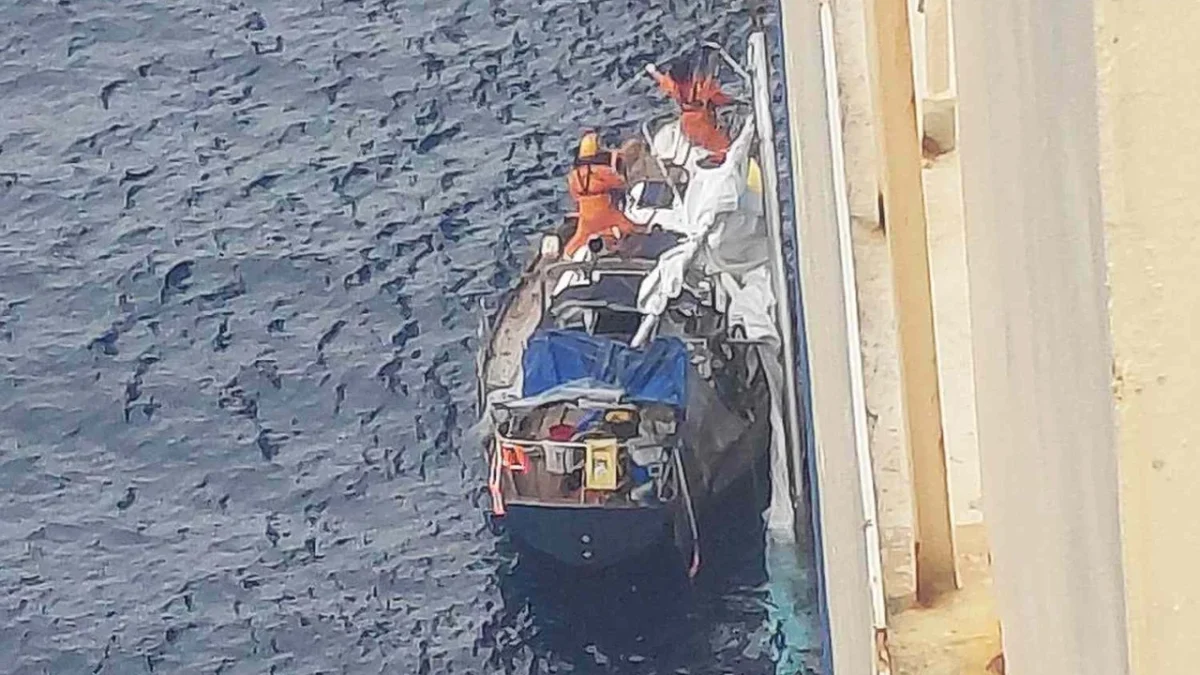
An 86-year-old mariner and his dog are safe after surviving more than two months lost in the Pacific Ocean, culminating in an extraordinary offshore rescue 460 miles off the coast of San Diego. The pair had vanished without communication while attempting an ambitious 5,000-mile solo crossing to American Samoa.
The solo voyage began in Astoria, Oregon, aboard the sailboat Willow Wind, bound for the South Pacific port of Pago Pago. Radio silence fell almost immediately. Family and maritime authorities had not heard a single transmission from the vessel since August 20.
The vast silence stretched into autumn before the missing voyage triggered an urgent federal search.
The Critical Beacon Signal That Triggered a Massive Coast Guard Search
The mariner was officially reported overdue on Saturday, October 24. For three agonizing days, search crews had little data to narrow down the vast stretch of ocean between the Pacific Northwest and the South Pacific.
Everything changed on Tuesday, October 27, when an emergency transmitter registered to the Willow Wind suddenly fired an alert signal across satellite networks. The U.S. Coast Guard Southwest District immediately launched a massive, coordinated search operation.
Specialized aircraft took to the skies to track the pinging beacon:
- Coast Guard Air Station Sacramento C-27 Spartan: Deployed for medium-range maritime surveillance and high-speed vectoring.
- HC-130 Hercules: Dispatched for long-range oceanic search capabilities and persistent air support.
- Coast Guard Cutter Robert Ward: Diverted to steam toward the remote coordinates in heavy seas.
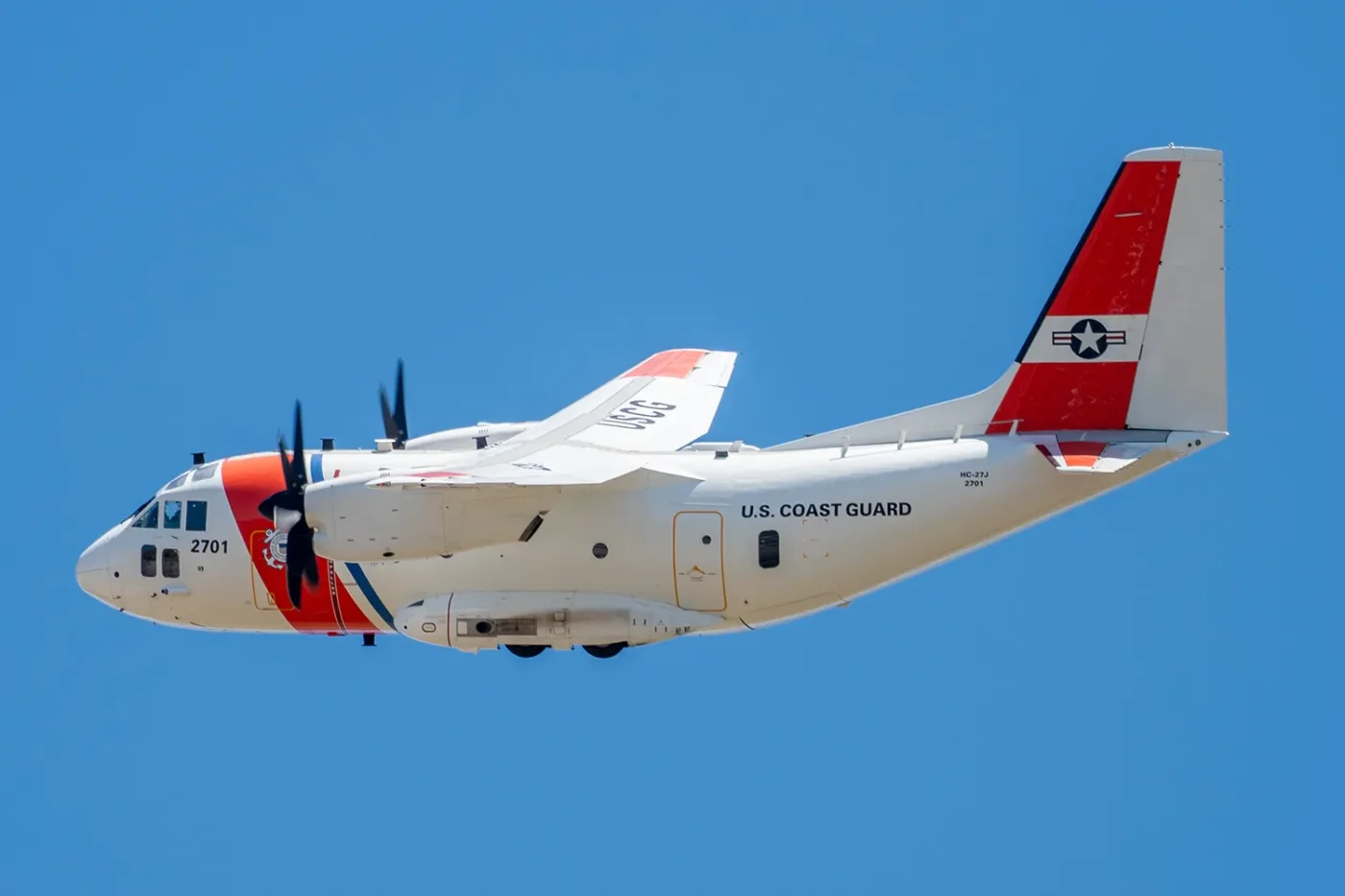
US Coast Guard C-27 J-Spartan
That same evening, the crew aboard the C-27 Spartan spotted the battered Willow Wind drifting roughly 460 miles southwest of San Diego. The vessel was crippled, its sails shredded by ocean winds, leaving the elderly mariner and his pet completely at the mercy of open currents.
How Commercial Mariners and Rough Seas Complicated the Rescue
Locating the vessel was only half the battle. The commercial car carrier Grand Orion answered the emergency broadcast and arrived on scene around 3:20 a.m. on Wednesday, October 28.
Towering swells and violent conditions made an immediate boarding impossible. The commercial crew stood by through the morning as the disabled sailboat pitched violently in deep water.
At 5:36 p.m.—over fourteen hours after first arriving—the crew of the Grand Orion seized a brief weather window and successfully pulled the 86-year-old man and his dog onto their deck. The damaged Willow Wind was left adrift in the Pacific.
The Final Helicopter Hoist to Safety
The journey was not over. The following morning, as the Grand Orion navigated approximately 170 miles west of Ventura, California, a Coast Guard Air Station San Diego MH-60 Jayhawk helicopter intercepted the carrier.
The flight crew executed a precise deck hoist, lifting both the mariner and his companion into the cabin before flying directly to Coast Guard Sector San Diego. First responders immediately transferred the survivor to Scripps Mercy Hospital for evaluation.
“When emergency medical personnel were able to evaluate the mariner, he was weak and had difficulty walking, but no major injuries.”
Considering the grueling two-month ordeal at sea, the outcome defied the odds.
Offshore Survival: Common Assumptions vs. Reality
A widespread misconception among recreational boaters is that maintaining an active marine radio is enough protection on transoceanic crossings. In reality, VHF radios have a line-of-sight range rarely exceeding 20 miles, leaving long-distance sailors completely isolated without satellite telemetry.
| Common Assumption | Documented Reality |
|---|---|
| Radio contact is reliable across major offshore crossing lanes. | Vessels lose conventional communication shortly after leaving coastal waters. |
| Overdue reports trigger immediate pinpoint rescues. | Without an emergency transmitter, search grids cover millions of square miles. |
| Commercial freighters can pull sailors from small craft instantly. | Severe ocean swells frequently delay vessel-to-vessel transfers for hours. |
| Damaged sailboats must be towed to harbor. | Vessels with destroyed rigging are routinely abandoned when safety is at stake. |
Authorities emphasized that having the right survival gear aboard was the sole reason this story had a happy ending.
“This case highlights the importance of carrying emergency communication equipment and creating a float plan so someone ashore knows your voyage plans.”
💬 An 86-year-old mariner and his companion proved that preparation and proper emergency gear can turn the tide against impossible odds.
✨ From the commercial crew of the Grand Orion to the military aviators executing deep-ocean hoists, the response serves as a testament to maritime teamwork.
📱 Would you ever attempt a solo 5,000-mile ocean crossing? Share your thoughts in the comments below!
👇 Drop a message of support for the survivor and his brave dog as they recover onshore.
 1
 2
 3
 4
