
Inside the Brutal Emotional Truth of Chappell Roan’s ‘Good Luck, Babe!’: How an Unflinching Warning About Compulsory Heterosexuality Redefined Pop Culture

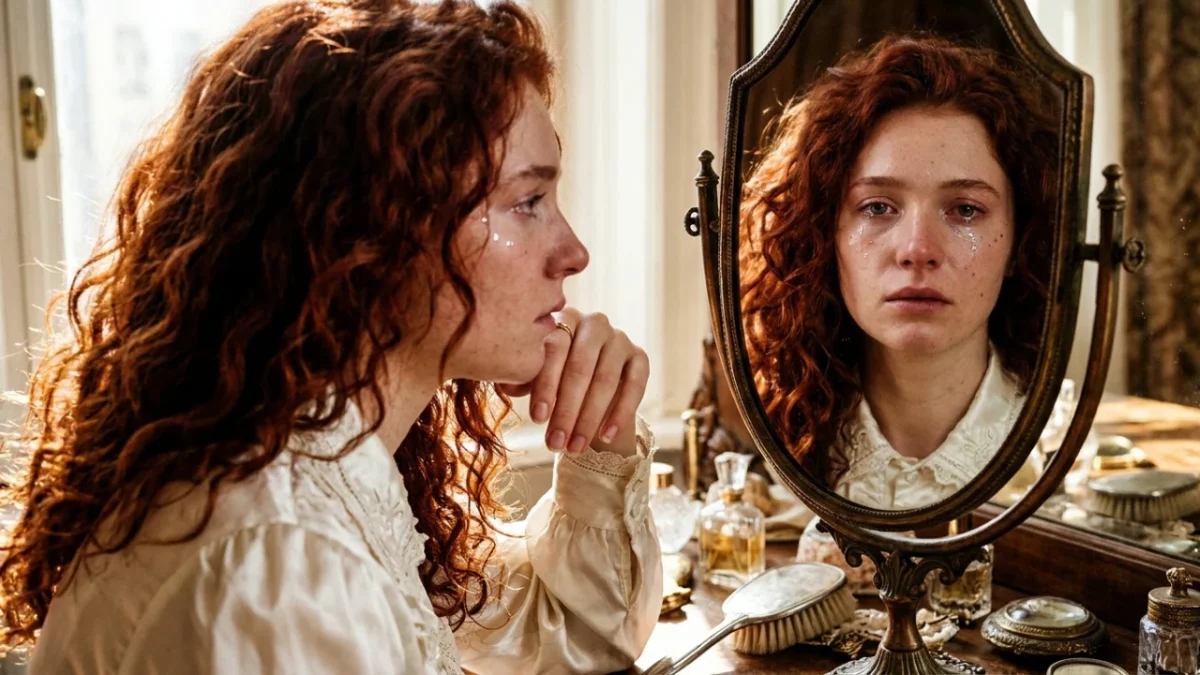
Good Luck Babe is not merely a bittersweet farewell between past lovers; it is an uncompromising indictment of compulsory heterosexuality and the lingering agony of suppressing one’s true queer identity.
From the moment its dramatic synth-pop arrangements swell, the track lays bare the psychological toll of choosing social conformity over genuine affection. Rather than wallowing in passive grief, singer-songwriter Chappell Roan turns the traditional heartbreak narrative on its head by delivering an urgent, prophetic caution to someone terrified of loving openly.
The song exposes the quiet tragedy of self-denial, making it one of the most culturally galvanising queer anthems of the modern era.
The Psychology of Compulsory Heterosexuality in the Lyrics
At the beating heart of the track lies the concept commonly analysed in sociological and queer theory as compulsory heterosexuality. This social conditioning pressures individuals to fit into heteronormative paradigms regardless of their actual desires, forcing genuine romantic attraction into the shadows.
Roan constructs the opening verses around stolen intimacies and hidden meetings, where physical passion exists purely behind closed doors. The subject attempts to rationalise these moments as meaningless experiments or transient phases, trivialising what both participants recognise as deeply felt love.
Rather than accepting this quiet erasure, the lyricism directly confronts the performance of artificial normalcy.
- The Illusion of Detachment: The verses capture the hollow reassurance that a person can simply walk away untouched, pretending an intense connection never occurred.
- The Predictable Script: The narrative maps out the conventional domestic template—marrying a man, buying a home, and playing a curated role for neighbours and family.
- The Delayed Reckoning: The central warning predicts that while denial provides immediate social shelter, the suppressed truth inevitably resurfaces decades down the line.
The Haunting Foresight of the Bridge
The emotional apex arrives during the blistering vocal delivery of the bridge, shifting the point of view to a devastating imagined future. Roan visualises her former lover years later, waking up in middle age beside a husband she does not love, abruptly confronted by the memory of what was deliberately abandoned.
The lyrics frame this moment not with malice, but with a visceral, unvarnished pity. When someone stands in the bathroom mirror examining their reflection, external validation vanishes, leaving only the cold reality of a life lived as a performance.
That psychological trap transforms the repeated refrain into a sharp irony: wishing someone good luck when genuine peace is impossible to achieve through counterfeit living.
Defiance as an Act of Liberation
Pop records tackling queer romance historically leaned heavily on melancholia, unrequited shame, or covert subtext. In stark contrast, Roan discards euphemisms entirely, refusing to soften the blow for listeners who might prefer ambiguous language.
By framing the narrator’s position from a place of unshakeable self-worth, the power dynamic pivots dramatically. The speaker is not broken by the abandonment; instead, the speaker recognises their own emotional freedom while observing the partner retreat back into a self-constructed cage.
This clarity resonates powerfully with younger listeners who increasingly reject rigid societal conventions around romance and self-expression.
An Enduring Shift in Contemporary Music
The cultural footprint of the track signals a decisive evolution in mainstream music consumption. Audiences consistently gravitate toward storytelling that strips away artificial sheen in favour of raw, unvarnished emotional accountability.
By articulating the exact mechanics of romantic denial with such sharp specificity, the composition functions as both a cathartic release and an awakening. It reminds anyone caught between societal approval and genuine truth that the price of fitting in is far too steep when it costs your authentic self.
💡 The narrative potency of the track proves that listeners crave unfiltered honesty over sanitised escapism.
🔍 As listeners continue dissecting each vocal nuance, its message remains an enduring mirror for modern relationships.
📌 Did the message of the song alter how you perceive modern breakup anthems? Share your thoughts in the comments below.
 1
 2
 3
 4