
Jenna Ortega Leaves Her Gothic Style Behind: Why the 1970s Ponytail Is Officially Replacing the Slick Bun

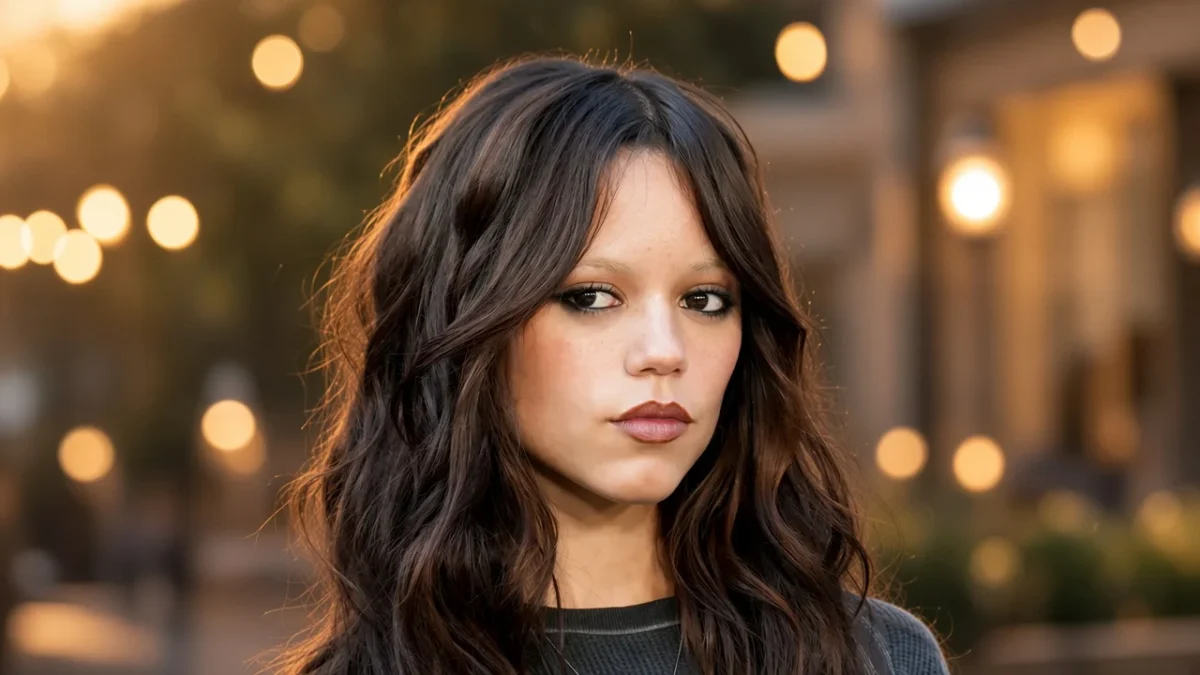
The reign of the ultra-tight, slick-back bun is finally facing serious competition, thanks to an unexpected style pivot from Jenna Ortega. Stepping out for the London press conference of her film Klara and the Sun, the actress sidelined her signature gothic aesthetic in favor of a relaxed, carefree 1970s ponytail.
While her dystopian project focuses on a technologically advanced future, Ortega reached directly into the past for beauty inspiration. Her look channeled classic bohemian muses like Brigitte Bardot, Jane Birkin, and Jane Fonda, swapping rigid hold for romantic, lived-in volume.
She paired the voluminous ponytail with understated retro makeup, using an elongated kitten liner on the upper lid, soft lashes, groomed brows, and a satin nude lipstick over sheer skin that let her freckles show through.
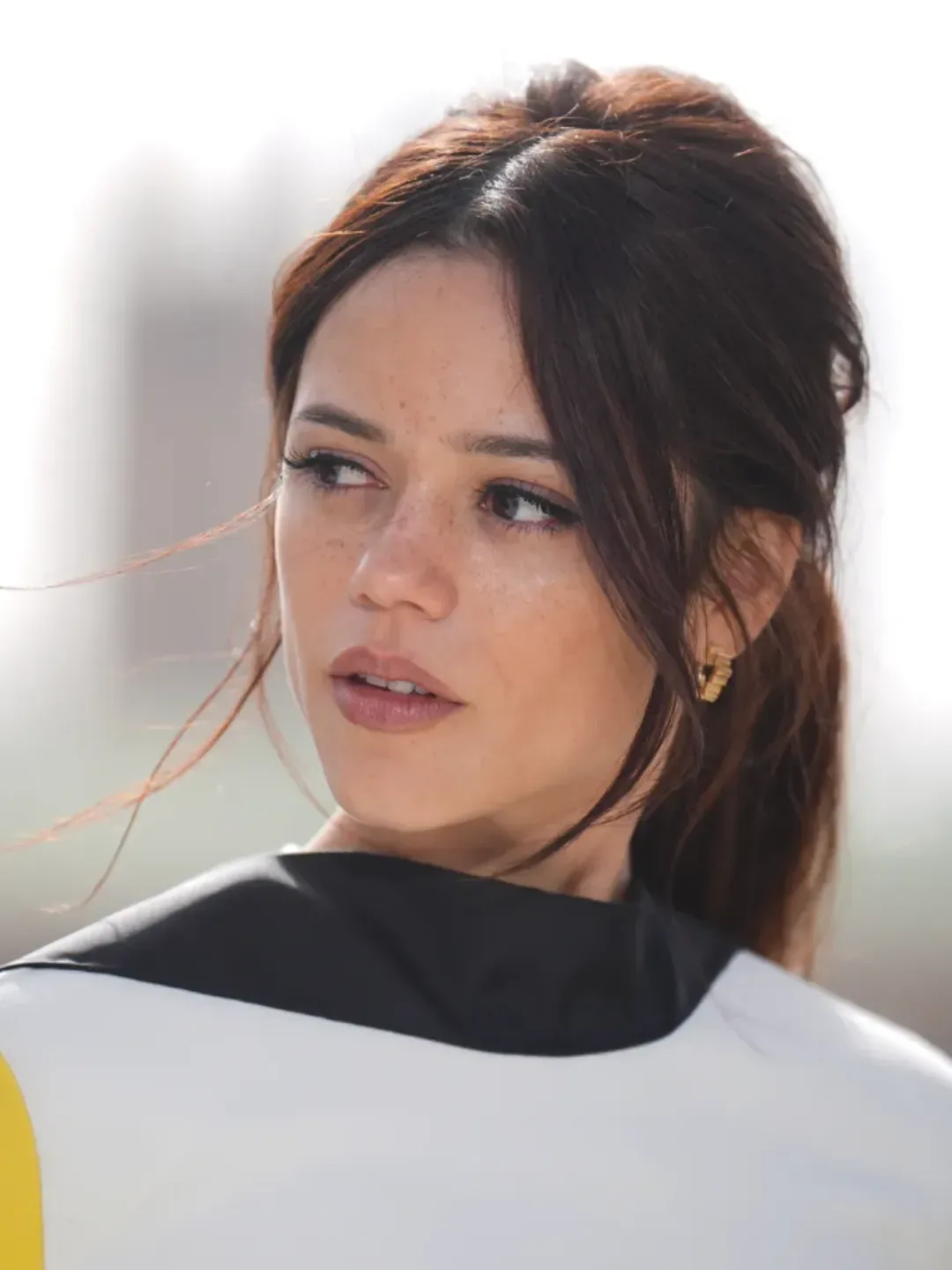
Jenna Ortega attends the London press conference for Klara and the Sun.
Why Is the 1970s Ponytail Replacing Sleek Updos?
For several seasons, hair trends prioritized ultra-straight strands, high shine, and scalp-pulling sleekness. The 1970s ponytail dismantles that rigidity entirely by elevating natural hair textures and softer silhouettes.
Instead of relying on heavy styling gels or flattening irons, this retro revival emphasizes height at the crown and casual framing around the face. The result is a versatile updo that moves easily from a red carpet appearance to everyday work wear.
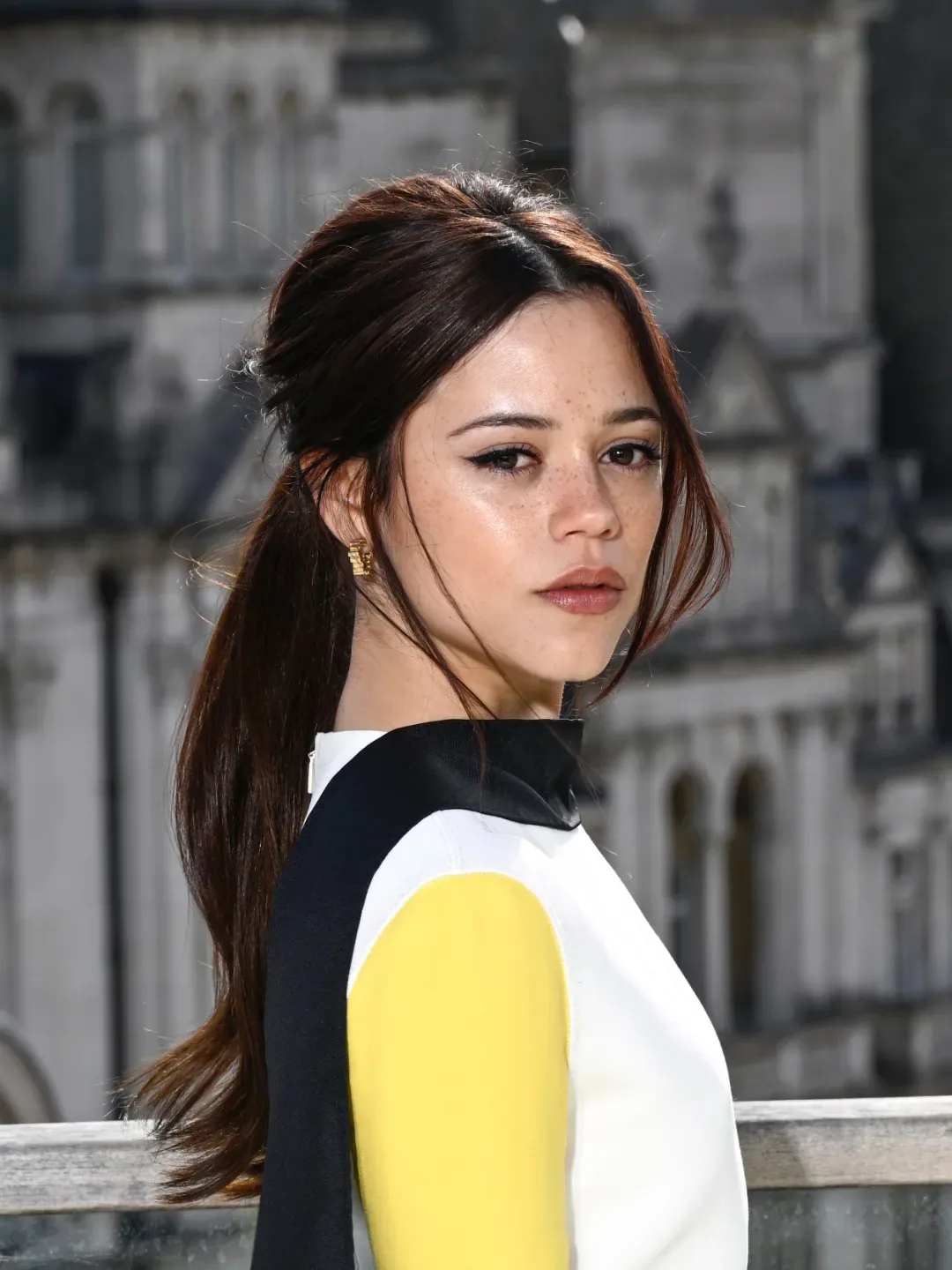
Jenna Ortega showcases the relaxed crown volume and low gather of the retro ponytail.
Embracing simplicity can be just as powerful as an intense, dramatic beauty moment.
The Anatomy of the Retro Ponytail: How to Get the Look
The silhouette borrows strategic volume from the 1960s bouffant while adopting the casual, undone mood typical of the 1970s. Recreating the style requires just four key structural elements:
- The Sharp Center Part: Part hair down the center from the hairline back toward the crown, keeping the front sections symmetrical.
- Bouffant Crown Volume: Lightly tease or back-comb hair at the crown behind the parting to create subtle height and lift.
- The Low Gather: Secure the hair loosely at the nape of the neck rather than pulling it tight toward the middle of the head.
- Undone Framing: Release face-framing strands or curtain bangs to add a soft, bedhead finish.
Myth vs. Reality: Natural Movement Over Flawless Precision
A common misconception is that vintage hairstyles require excessive hairspray and stiff, uniform curls. In reality, the 1970s aesthetic thrives on imperfect, lived-in texture that looks as though it were scooped up after waking up.
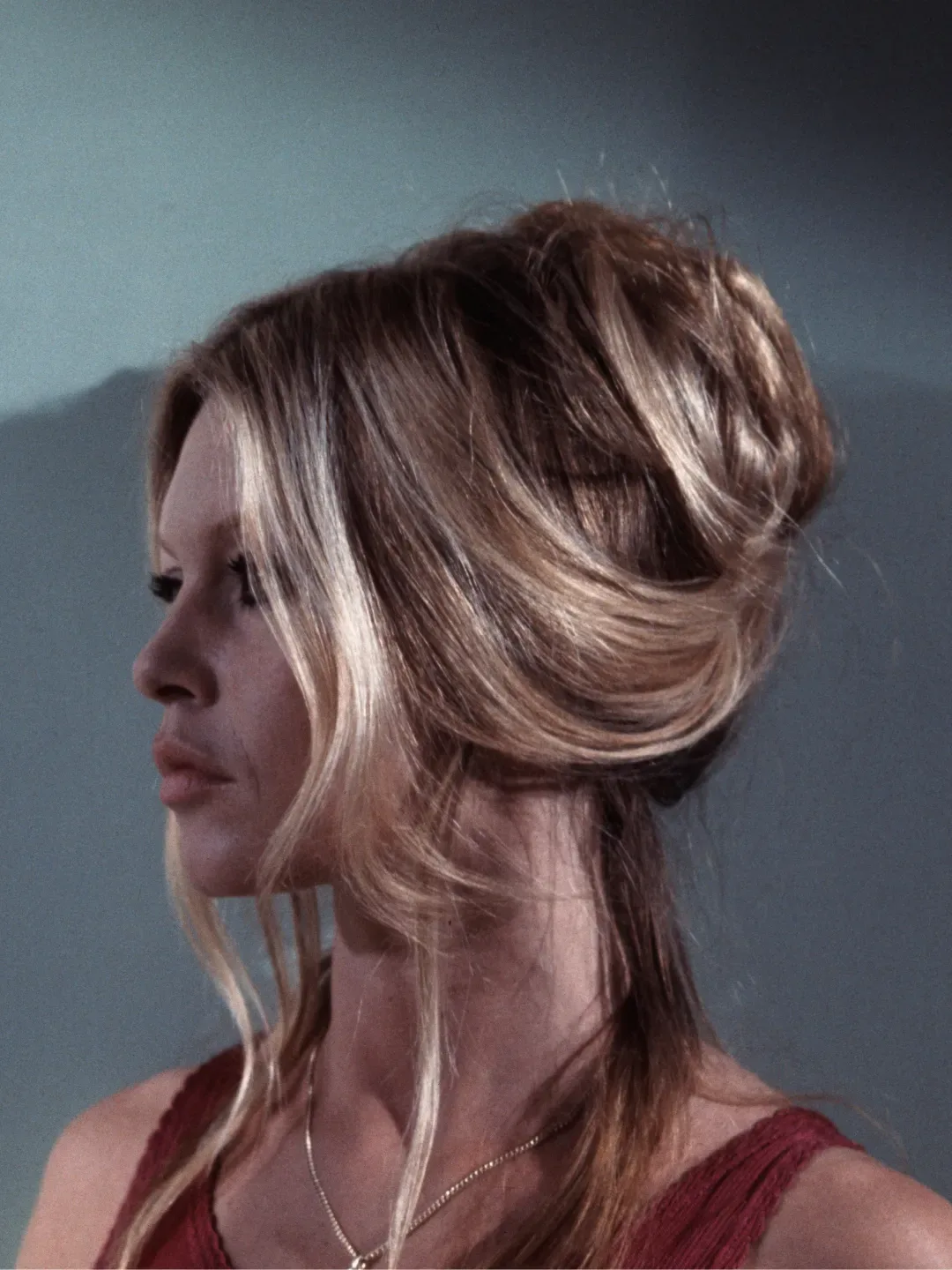
Brigitte Bardot wearing a textured, half-up bouffant hairstyle in 1970.
Key Differences: Modern Slick Bun vs. 1970s Ponytail
The contrast between recent red-carpet staples and this throwback updo comes down to structure, hold, and styling philosophy.
| Hairstyle Feature | Styling Impact |
|---|---|
| Crown Bouffant | Delivers soft vertical lift instead of a flat, pasted-down crown. |
| Center Parting | Divides the front hairline naturally before merging into teased crown hair. |
| Low Placement | Secures hair gently at the nape without intense tension on the scalp. |
| Natural Finish | Celebrates raw strand texture rather than heat-ironed, glassy sleekness. |
From Red Carpets to Archival Royalty
Ortega is not the first figure to embrace the effortless power of this profile. Archival moments show how versatile this hybrid of height and low-slung texture proved throughout the decade.
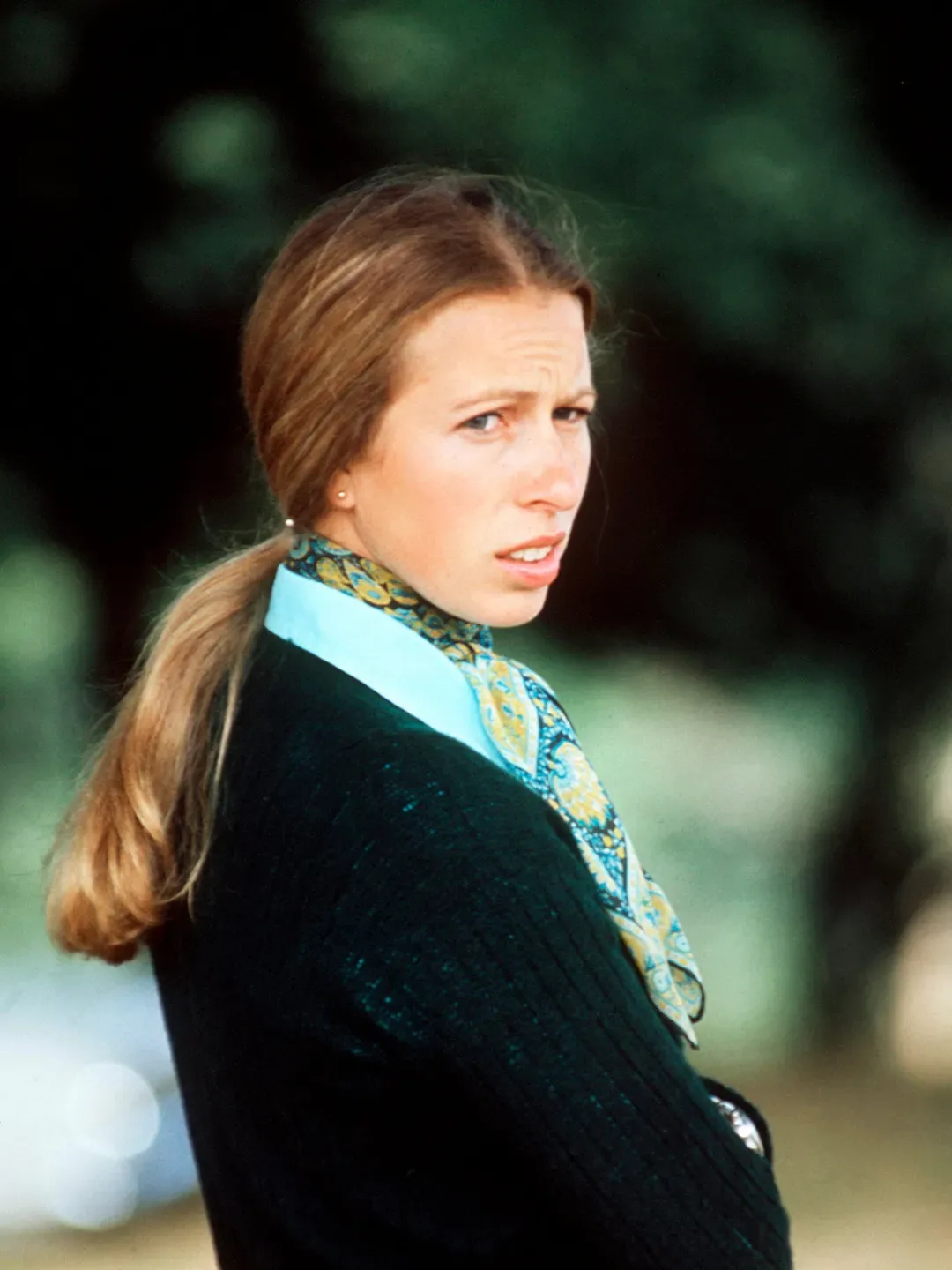
Princess Anne in 1975, showcasing classic 1970s hair height and soft texture.
From royalty like Princess Anne in 1975 to television mainstays like Jane Pauley in 1977, the balance of crown volume and low gathering became a defining silhouette across formal and casual spaces alike.
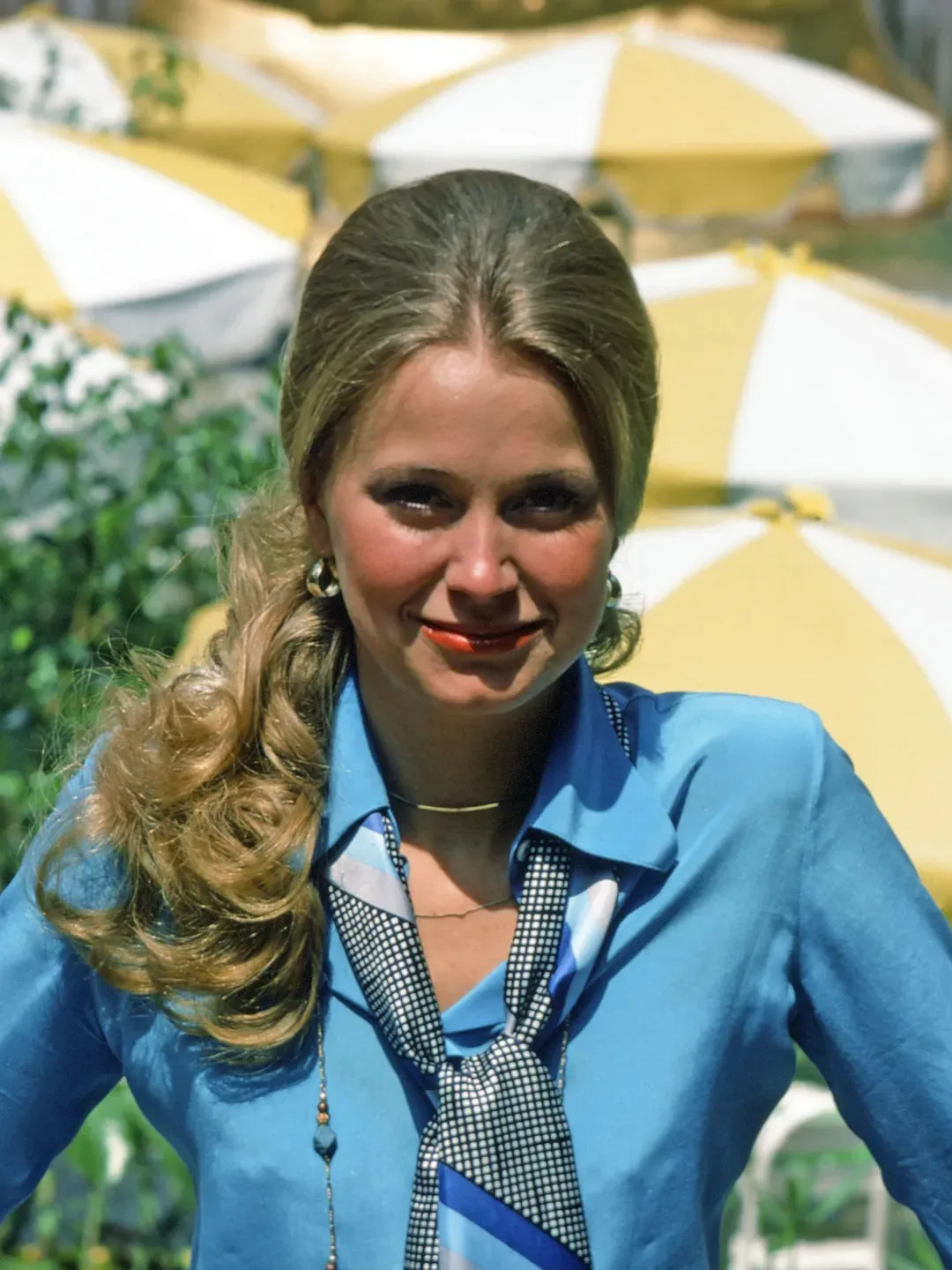
Jane Pauley in 1977 sporting soft crown volume and parted bangs.
By blending sixties structure with relaxed seventies softness, the revived 1970s ponytail offers an easy, low-maintenance antidote to strict styling routines.
✨ As retro beauty trends continue to overtake sleek minimalism, vintage volume is claiming the spotlight.
💬 Are you ready to ditch the slick bun for a textured, retro ponytail? Drop your thoughts in the comments below!
📱 Share this breakdown with anyone looking for effortless updo inspiration this season.
 1
 2
 3
 4
