
King Charles Confronts the Slave Trade on Caribbean Tour, Acknowledging “Horror” and “Profound Sorrow” Without an Apology

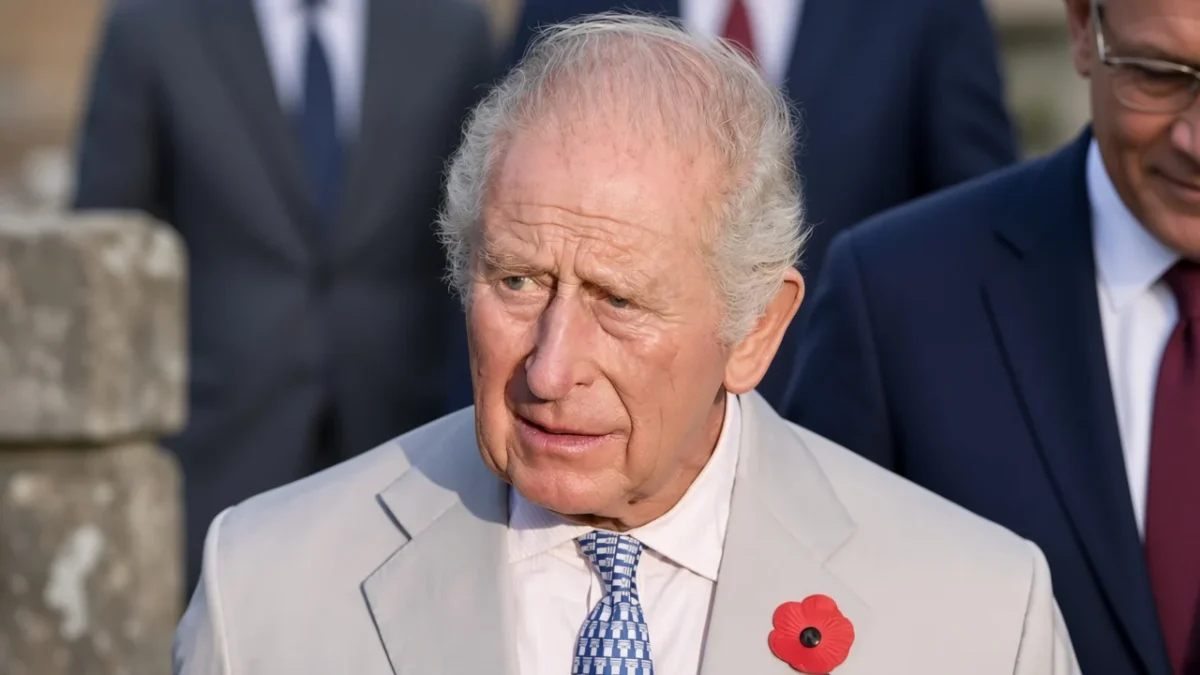
King Charles directly confronted Britain’s colonial legacy this week, telling leaders from 56 Commonwealth member states that the transatlantic slave trade fills his heart with “horror” and his soul with “profound personal sorrow.” Delivering a high-stakes keynote address in Antigua, the British monarch acknowledged the lasting scars of historic exploitation while noticeably stopping short of a formal state apology.
The speech marked a pivotal moment in his Caribbean tour, walking an intensely scrutinized diplomatic wire. While the monarch voiced deep personal anguish, leaders across the Caribbean continue pressing for direct financial reparations and an official apology from the British state.
The address opened the Commonwealth Heads of Government Meeting (CHOGM), setting off immediate debate across the assembly hall and beyond its barricaded perimeter.
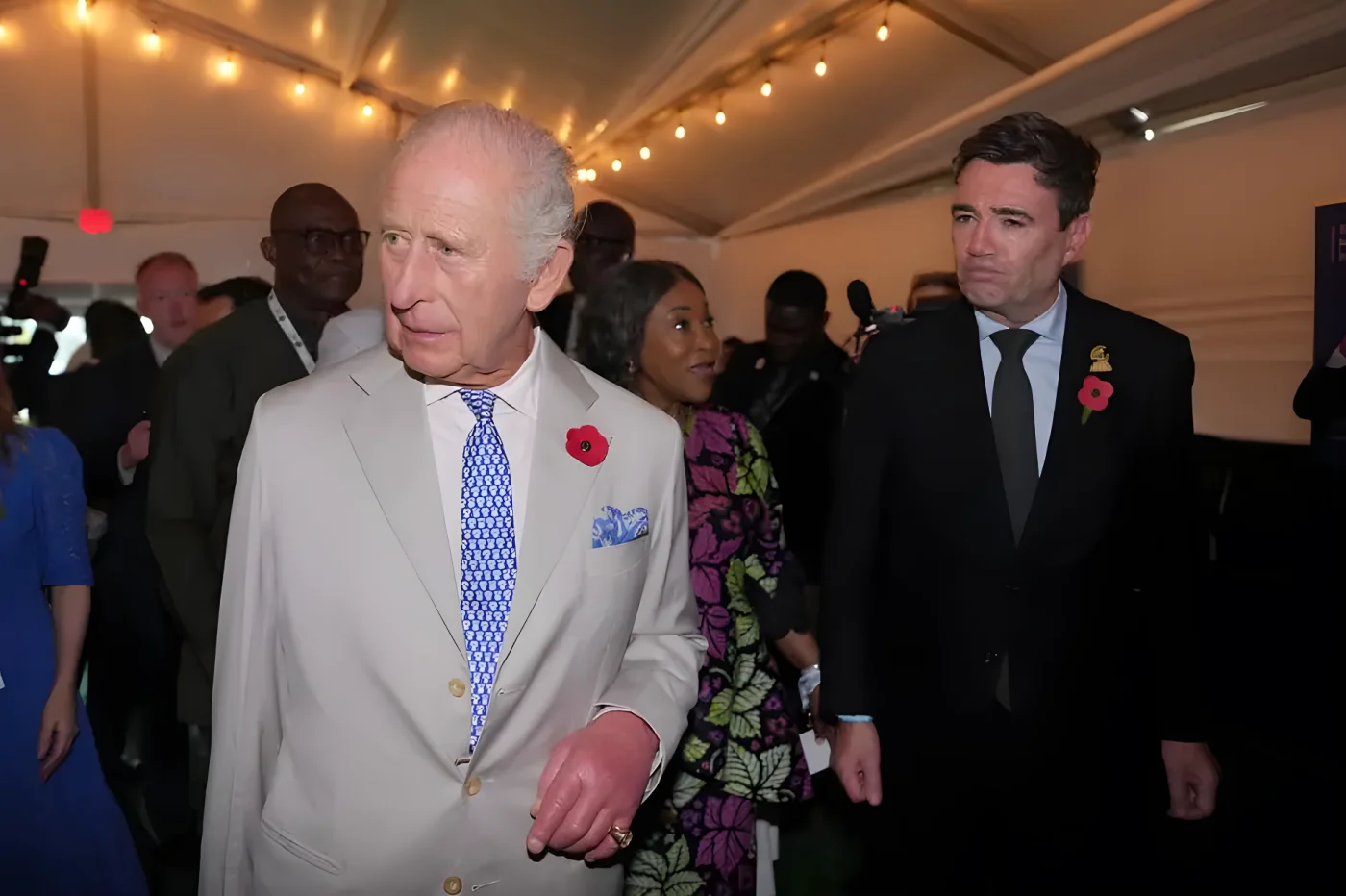
King Charles delivers his keynote address in Antigua.
What Did King Charles Say to Commonwealth Leaders?
Speaking at the National Performing Arts Centre of Antigua and Barbuda, Charles framed transatlantic slavery as an enduring wound across member nations.
“Our history inspires us, can appall us, yet it can always teach us,” Charles told the assembled heads of government. “We cannot change the actions of those who came before us. We can, however, learn from the past.”
“The transatlantic trade in enslaved persons still casts a shadow over these islands and other Members of our Commonwealth. As I have said before, that shameful chapter of history is one that fills my heart with horror and my soul with the most profound personal sorrow.”
Charles emphasized that learning from historical injustices requires active engagement rather than silence. He pointed out that while history exposes dark chapters, nations must discover common purpose to counter present crises.
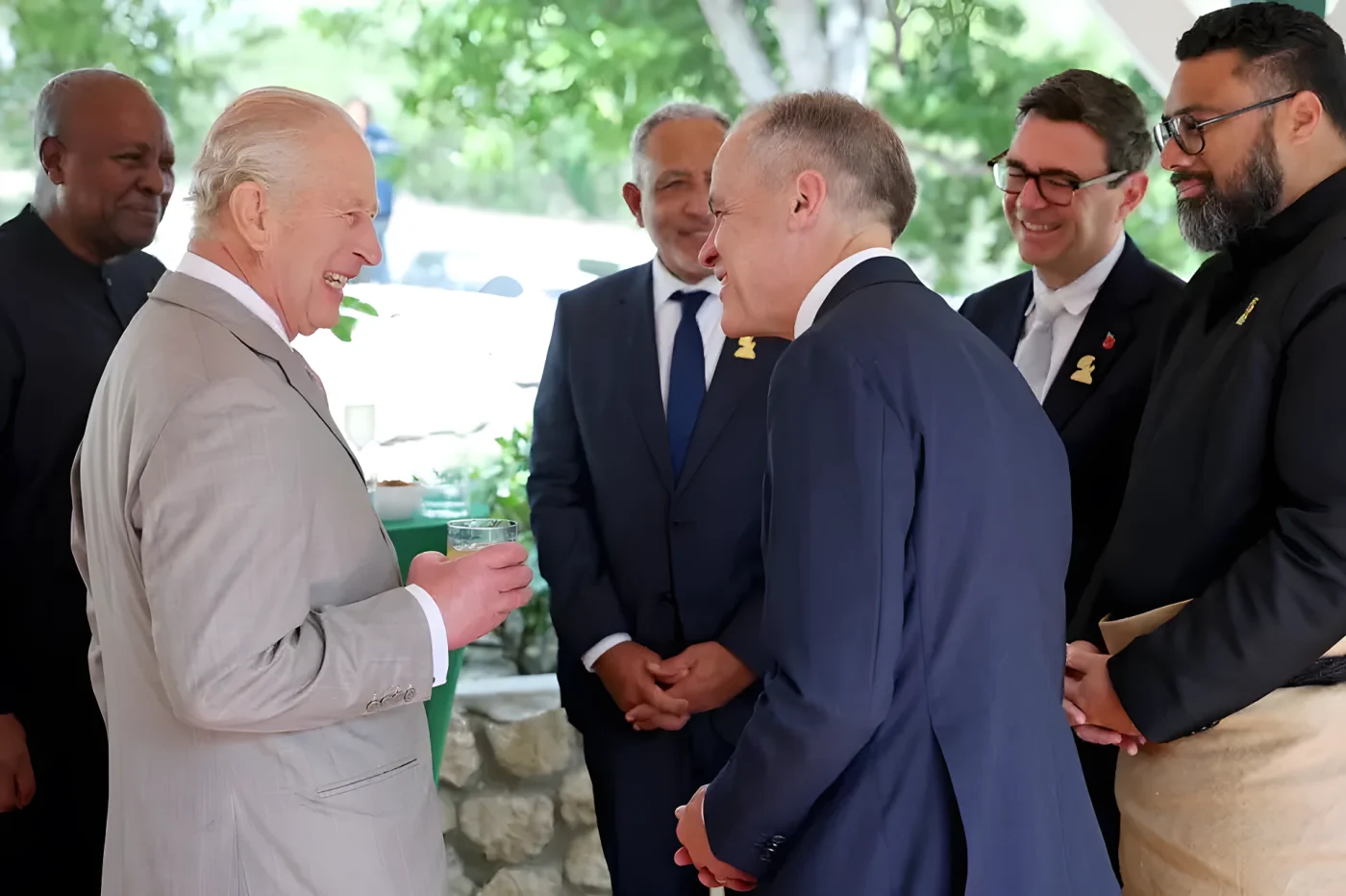
King Charles attends a reception for Commonwealth Heads of Government.
“The more I have furthered my own understanding of the issues, through listening, learning and looking, the more committed I have become to finding ways for us to work in modern partnership to address the wrongs of the past with action for the future,” he added.
Balancing Personal Regret with British Policy
Before the speech, Buckingham Palace made clear that Charles was operating under strict constitutional boundaries. Because he spoke as Head of the Commonwealth rather than crafting executive policy for the British government, direct political pledges were off the table.
Prime Minister Andy Burnham previously signaled an openness to enter structured dialogue regarding a formal apology, representing a shift in long-standing UK positioning. However, the British government firmly maintains that financial reparations are excluded from potential talks.
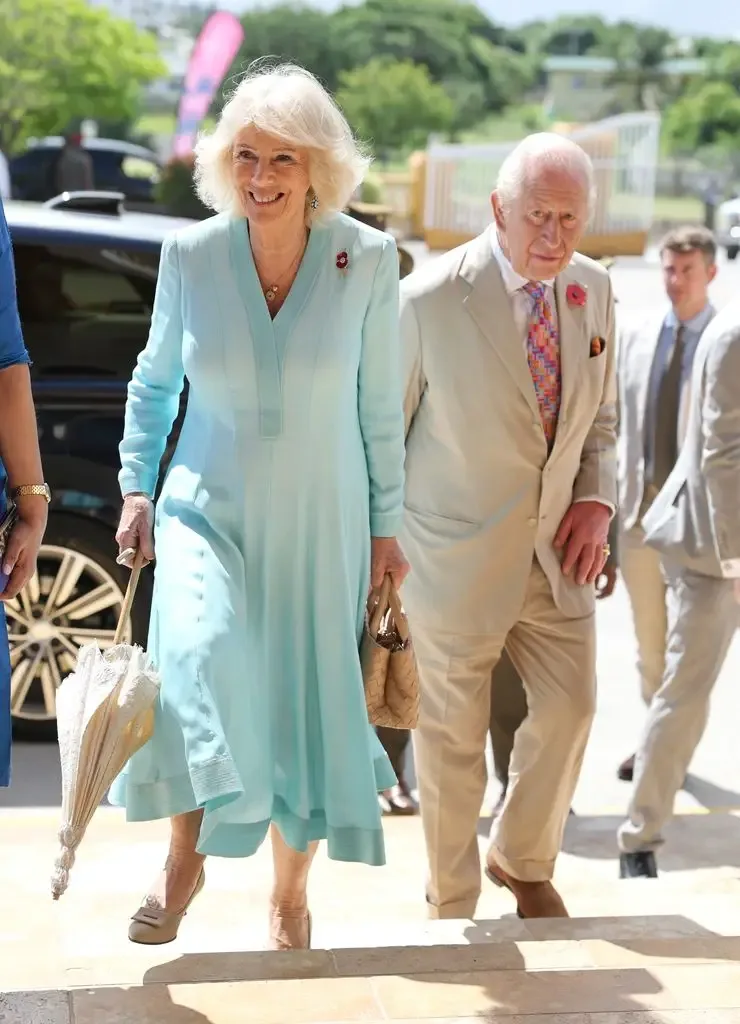
Queen Camilla and King Charles III arrive at an Anglican church service in Antigua and Barbuda.
Fact Check: Sorrow vs. Reparations
A widespread misconception is that expressions of royal regret are legally equivalent to a state apology or an admission of financial liability. In reality, British constitutional precedent draws a strict line between personal monarchical sentiment and executive government commitments.
| Topic | Official Position at CHOGM |
|---|---|
| Transatlantic Slave Trade | Described by the King as a shameful chapter evoking personal horror and sorrow. |
| Official Apology | Not delivered by the monarch; British government remains open to structured dialogue. |
| Financial Reparations | Explicitly ruled out by British policy despite repeated demands from CARICOM nations. |
| Dialogue on Past Wrongs | Commitment to address historical wrongs through modern Commonwealth partnerships. |
The gap between symbolic sorrow and material restitution remains the core point of contention for local advocates.
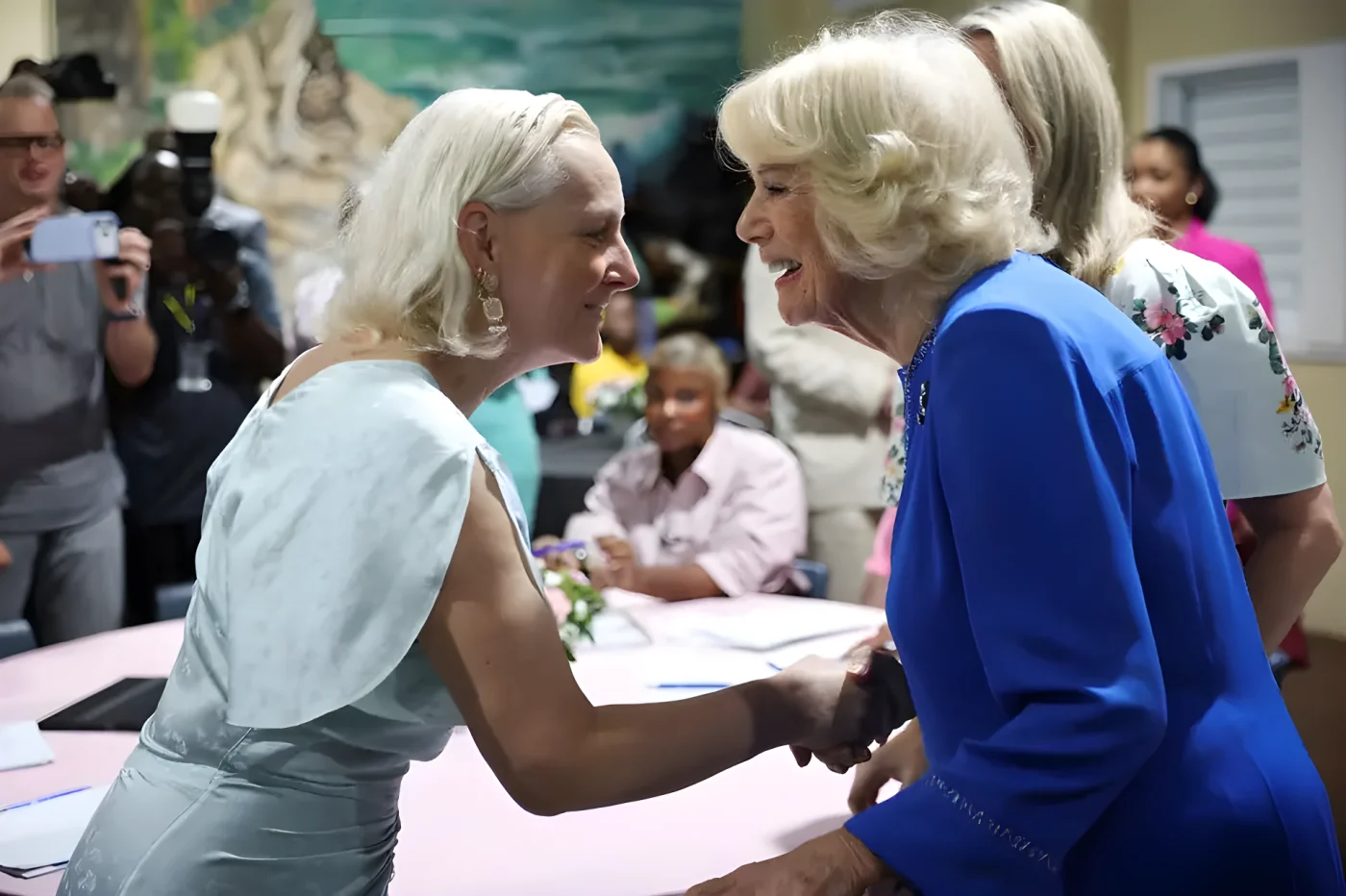
Queen Camilla visits Princess Margaret School alongside Marie Van Heel in Antigua.
Growing Pressure Across the Caribbean
The King’s remarks played out against visible tension outside the locked-down venue. Demonstrators lined the perimeter roads carrying signs demanding reparatory justice and full accountability for historic crimes against humanity.
Regional leaders are coordinating their efforts closely. St. Lucia’s Prime Minister Philip J. Pierre, serving as chairman of the 15-member Caribbean Community (CARICOM), indicated that the political and economic bloc stands ready to engage in structured discussions with London.
- Demands for accountability: CARICOM leaders continue pushing for formal apologies tied to concrete institutional action.
- Host nation stance: Antigua and Barbuda Prime Minister Gaston Browne, an outspoken reparations advocate, greeted the King cordially while holding firm on restitution goals.
- Public demonstrations: Perimeter protests showcased clear public appetite for binding reparatory frameworks rather than diplomatic rhetoric.
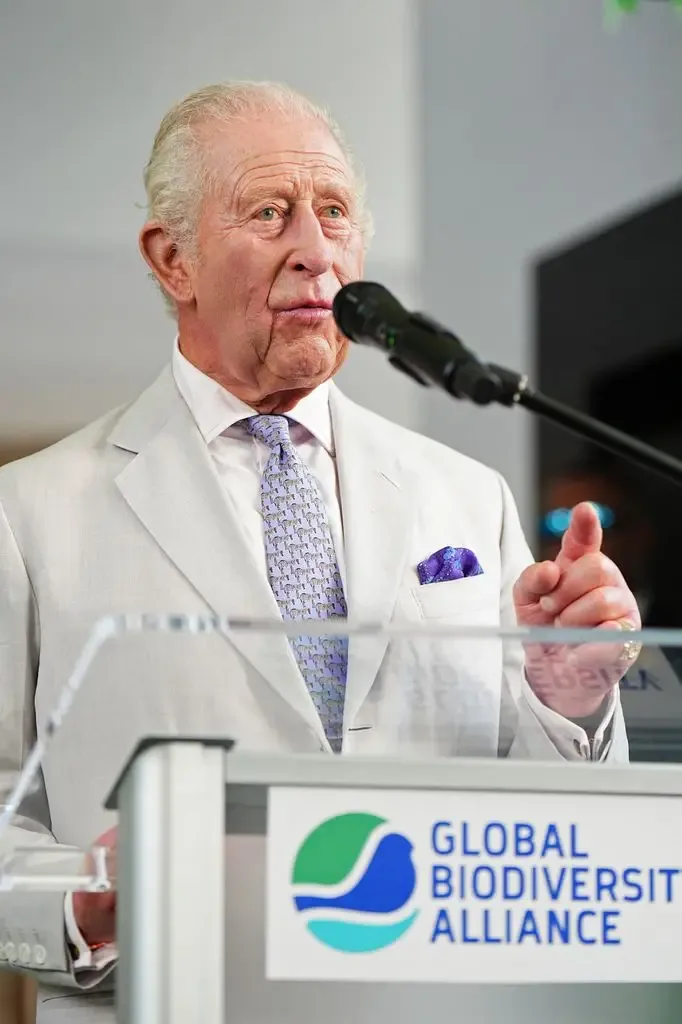
King Charles delivers remarks during a conference address.
Charles also utilized the platform to address broader global instability, highlighting regional climate risks, biodiversity loss, and fractured international alliances as immediate threats facing the 56 member nations.
After concluding the speech, the King joined delegates for the traditional Commonwealth family photograph, closing the final leg of an itinerary that also covered the Bahamas and Guyana.
💬 The divide between royal statements of sorrow and demands for reparations remains an urgent international debate.
✨ As Caribbean nations press for structured negotiations, diplomatic pressure on the British government continues to mount.
👇 Where do you stand on the debate over historical apologies and reparations? Share your reaction in the comments below.
 1
 2
 3
 4
