
Missing Zoo Capybara Spotted Alive and Well Months After Great Escape

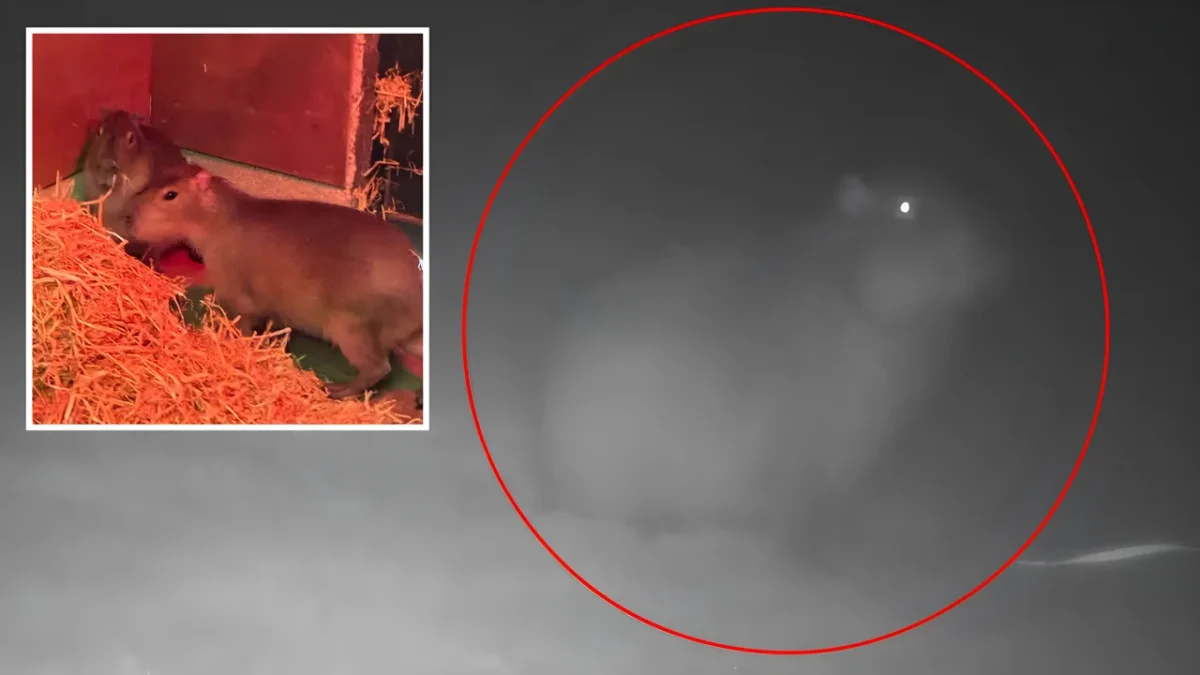
Samba the missing capybara is alive, healthy, and still outsmarting capture months after vanishing from her enclosure. Wildlife cameras placed on private land recently caught clear photographic proof of the one-year-old rodent thriving on her own, confirming she has successfully survived on the run since early spring.
The fugitive animal made global headlines when she slipped out of Marwell Zoo near Winchester in Hampshire, breaking free less than 24 hours after her arrival. Now, fresh footage reveals she has established a comfortable territory, prompting wildlife specialists to mount a delicate retrieval plan.
The discovery brings massive relief to tracking teams, yet it raises an obvious puzzle: how did a captive rodent known for lounging in water manage to evade capture across the English countryside for months?
How Samba Pulled Off Her Great Escape
Samba arrived at Marwell Zoo alongside her sister, Tango, placed together in a temporary holding pen to settle in. She spent less than a single day inside the enclosure before finding an exit on March 17.
While keepers managed to quickly secure Tango, Samba slipped past perimeter barriers and vanished into the surrounding landscape. The breakout ignited an international frenzy among animal fans captivated by the bold runaway.
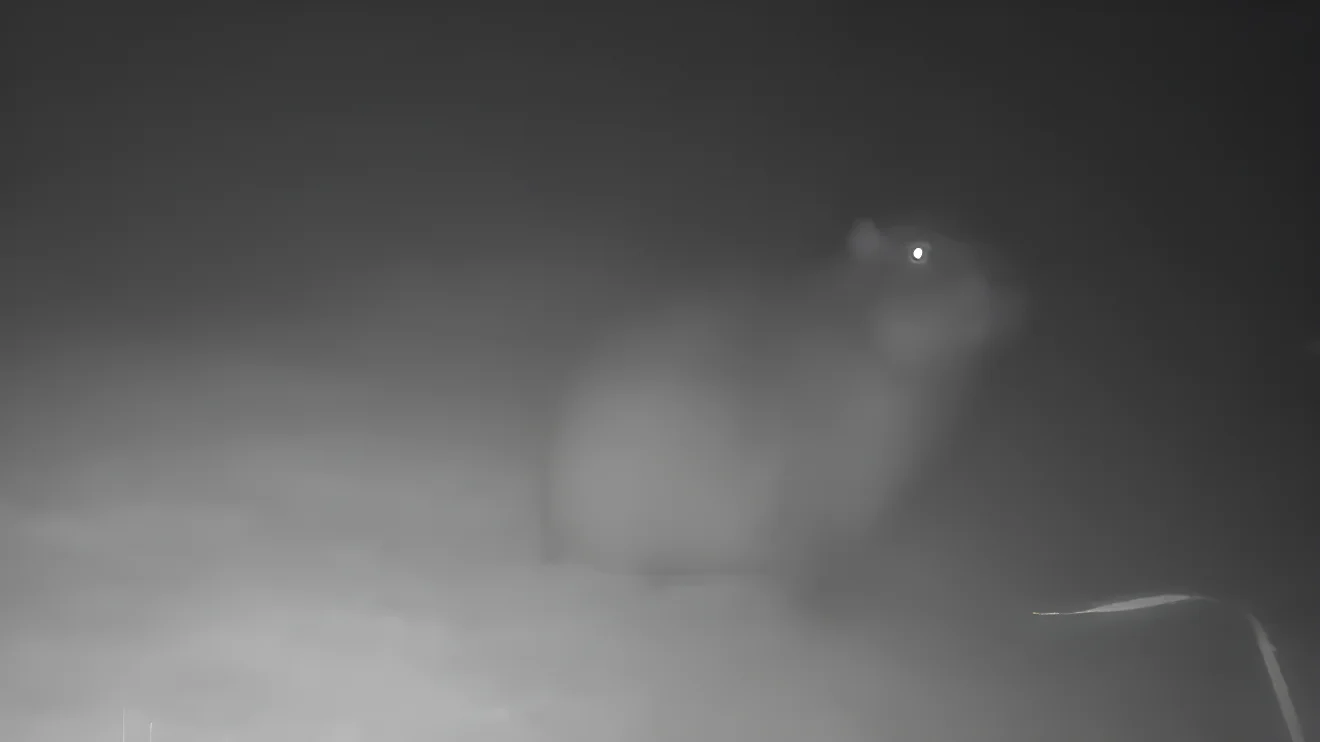
Samba was spotted on cameras set up by Marwell Zoo
Tracking the escapee proved exceptionally difficult. By May, search crews deployed thermal drone technology alongside extensive camera traps across dense woodlands and fields.
Sightings remained rare until August, when verified evidence placed her in a specific rural zone. That crucial lead prompted staff to carpet the vicinity with extra wildlife monitors, which finally captured new footage of her foraging undisturbed.
Why Zookeepers Aren’t Rushing In With Nets
Finding her location is only half the battle. Animal management teams are deliberately keeping her exact coordinates secret from the public to avoid crowds spooking her into unfamiliar, dangerous territory.
“Recovering Samba is a gradual and carefully managed process. Although we know the area she is in, it isn’t simply a case of being able to approach and collect her. It’s vital that we keep any stress to an absolute minimum, as frightening or disturbing her could cause her to move away from the area and make her safe recovery more difficult.”
Charging in with capture teams would almost certainly backfire. Sudden movements can cause prey animals to panic, flee their established food sources, or sprint across active roadways.
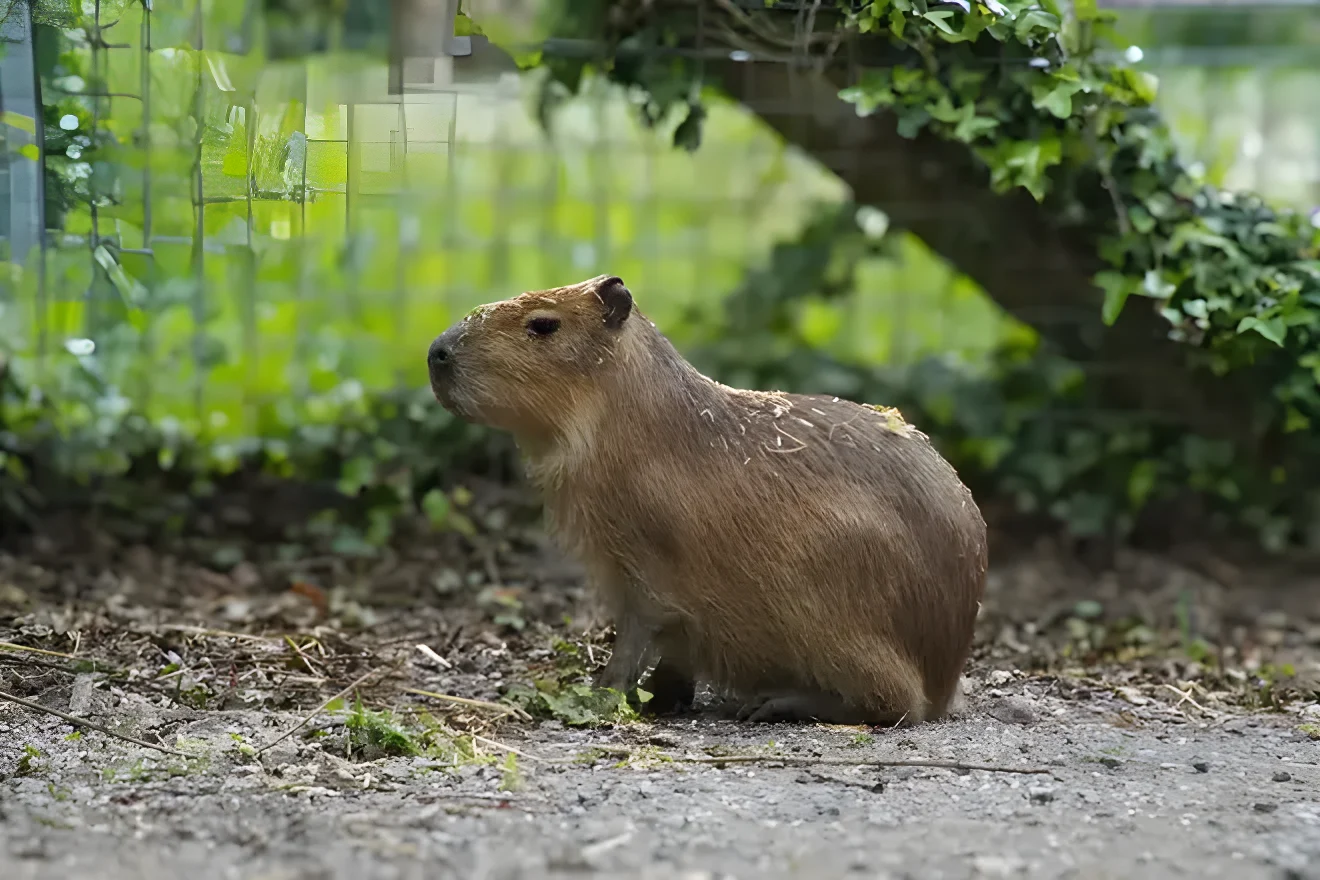
Tango the capybara in her private habitat
Life Back at the Zoo Habitat
While Samba roams free, life inside the zoo went through major changes. Keepers recognized that capybaras are highly social creatures that rely heavily on companionship.
To keep Tango from becoming isolated after her sister bolted, the wildlife team introduced a male capybara named Ripple to share her habitat in July. The pair bonded quickly while keepers kept their monitors trained on the outskirts.
Myth vs. Reality: Capybaras in the Wild
A widespread misconception paints capybaras as helpless, slow-moving couch potatoes that depend entirely on zookeepers for daily survival. Their viral reputation as the internet’s friendliest animal often obscures their genuine survival instincts.
In reality, capybaras are the world’s largest rodents, equipped with coarse brown coats, powerful swimming abilities, and sharp vigilance against threats. They graze efficiently on grasses and vegetation, which makes surviving off rural farmland far easier for them than for other captive species.
Wildlife cameras have been set up as part of the search efforts
Samba’s Escape and Search Timeline
| Event Milestone | Operational Details |
|---|---|
| Initial Breakout | Escaped temporary zoo enclosure less than 24 hours after arrival; sister Tango was immediately secured. |
| Tech Deployment | Search teams launched thermal imaging drones and automated camera traps across surrounding acreage. |
| Companion Introduction | A male partner named Ripple was paired with Tango inside the zoo to ensure social stability. |
| Camera Confirmation | Confirmed trail cam sightings verified Samba remains healthy, feeding, and active on private property. |
Wildlife experts are continuing their patient, low-stress operation to guide Samba back into secure care without causing injury.
💬 Capybaras continue to prove they are far more resourceful than their relaxed demeanor suggests.
✨ With wildlife teams monitoring her feeding zone, her long outdoor adventure may soon reach a safe, quiet conclusion.
📱 Are you rooting for Samba’s safe return, or are you secretly impressed by her survival skills? Drop your thoughts in the comments below!
Source: www.lbc.co.uk
 1
 2
 3
 4