
New York Early Voting Is Officially Open: Why Your Allocated Ballot Site Has Likely Changed And The Crucial Cut-Off Times You Cannot Afford To Miss

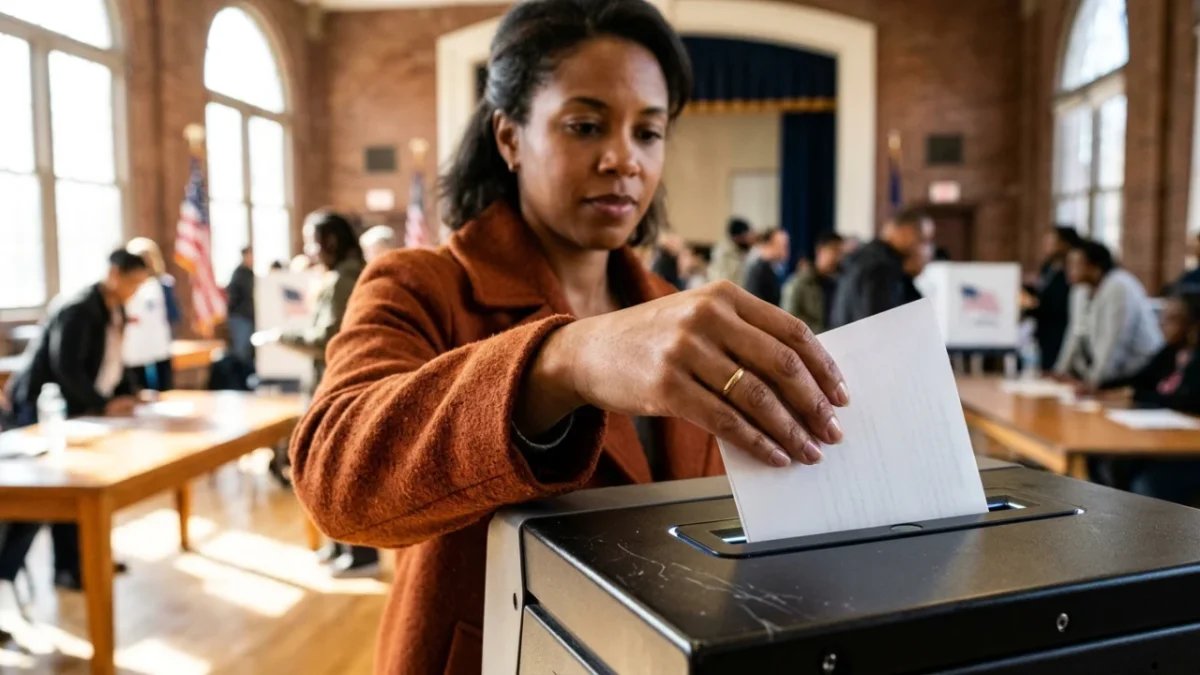
Early voting NYC polling stations have officially opened across the five boroughs, giving millions of electors a strictly timed ten-day window to cast their ballots before general polling day. Anyone planning to participate must verify their designated early polling location immediately, as the address allocated for early voting is frequently entirely different from standard Election Day stations.
Under statutory measures originally enacted in 2019 under former Governor Andrew Cuomo, registered voters across New York State receive ten consecutive days to cast an advance ballot. Doors opened at 9 a.m. for the initial session, setting in motion an intensive voting period that concludes strictly at 5 p.m. on Sunday, 1 November.
Today also serves as the final legal deadline for new voter registration, whether submitted online or completed in person directly at a designated polling venue. Missing this opening window permanently prevents unregistered residents from having their say in this cycle.
Checking Polling Locations And Daily Schedules Across The Five Boroughs
City election officials maintain a dedicated portal at vote.nyc, where electors can enter their home address to retrieve their allocated early ballot site. Attempting to attend your regular neighborhood polling venue could lead to unnecessary delays, as advance voting sites are organised regionally to manage turnout across broader districts.
Unlike standard polling day schedules, operating hours fluctuate each day throughout the advance window across the state. Electors must check their local board of elections timetable before travelling, ensuring they arrive well ahead of evening cut-offs.
- Saturday, 24 October: Early voting commences statewide from 9 a.m., marking the close of the general voter registration window.
- Sunday, 1 November: Early voting officially closes at 5 p.m.
- Monday, 2 November: Final day to lodge an in-person application for an absentee or postal ballot at county Board of Elections offices.
- Tuesday, 3 November: Election Day, with conventional polling sites open from 6 a.m. to 9 p.m. statewide. All postal ballots must be postmarked by this date.
Electors in nearby regions outside the metropolitan core face similar arrangements. In Erie County, nearly 40 regional locations are operational—including 11 designated centres within Buffalo—whilst Niagara County operates five dedicated polling sites.
High-Stakes Leadership Contests Dominating The 2026 Ballot
Voters checking in at polling booths face decisive choices that will reshape governance from Albany to Capitol Hill. At the summit of the ticket, incumbent Democratic Governor Kathy Hochul seeks a second full term, prioritising universal childcare funding, housing construction initiatives, and previous utility rebate distribution programmes.
Challenging her is Republican nominee Bruce Blakeman, the Nassau County executive. Blakeman has structured his campaign around rolling back income tax rates, reducing consumer energy bills, opposing sanctuary policies that limit cooperation with federal immigration officials, and dismantling state moratoria on massive data centres.
Statewide Executive Races And Enforcement Powers
The ballot extends across crucial executive offices with sweeping regulatory authority:
- Attorney General: Incumbent Democrat Letitia James, who has prioritised legal action against illegal firearms, predatory lenders, and federal policy overreach, faces Republican challenger Saritha Komatireddy, a former federal prosecutor who has pledged intensive investigations into street crime, narcotics rings, and public sector oversight.
- State Comptroller: Long-serving Democratic incumbent Tom DiNapoli highlights historic pension fund assets of $291 billion alongside rotated school district audits. Republican nominee Joseph Hernandez, a Wall Street investor, is advocating for aggressive reviews of state spending and the establishment of a $10 billion sovereign-style “Empire Opportunity Fund”.
- Congressional Representation: Highly contested federal seats, including suburban districts such as Northern Westchester and the Hudson Valley represented by Republican incumbent Mike Lawler, will directly dictate the balance of legislative power in Washington.
Deciding The Five Citywide Ballot Measures
Beyond party candidacies, voters in New York City are tasked with answering five pivotal policy questions positioned directly on the reverse side of the ballot sheet. Championed by Mayor Zohran Mamdani and drafted through a dedicated charter commission, the proposed reforms target municipal governance, procurement, and infrastructure development.
The measures seek voter authorisation to streamline administrative approvals for street infrastructure such as pedestrian ramps, seating, and outdoor dining patios. Other clauses aim to overhaul municipal procurement systems to assist independent commercial and charitable suppliers, accelerate vacant land redevelopment, speed up construction permits, and enforce mandatory reserve deposits to secure municipal savings during economic downturns.
Taking a few moments to review these civic questions before stepping inside the voting booth ensures you can complete both sides of the ballot paper efficiently.
💡 Have you already cast your advance ballot, or do you prefer voting on general election day? Share your voting experience in the comments below.
🔍 If you plan to head out this weekend, remember to check vote.nyc to confirm your specific site location, as neighbourhood assignments do not match standard district venues.
📌 Keep an eye on local queue updates and transit connections to ensure your voice is counted well before the early voting window closes on 1 November.
 1
 2
 3
 4