
NHS Bed Shortage Left Psychotic Bristol Mother Discharged Days Before Triple Tragedy, Court Exposes Systemic Failures Ahead of Safeguarding Review

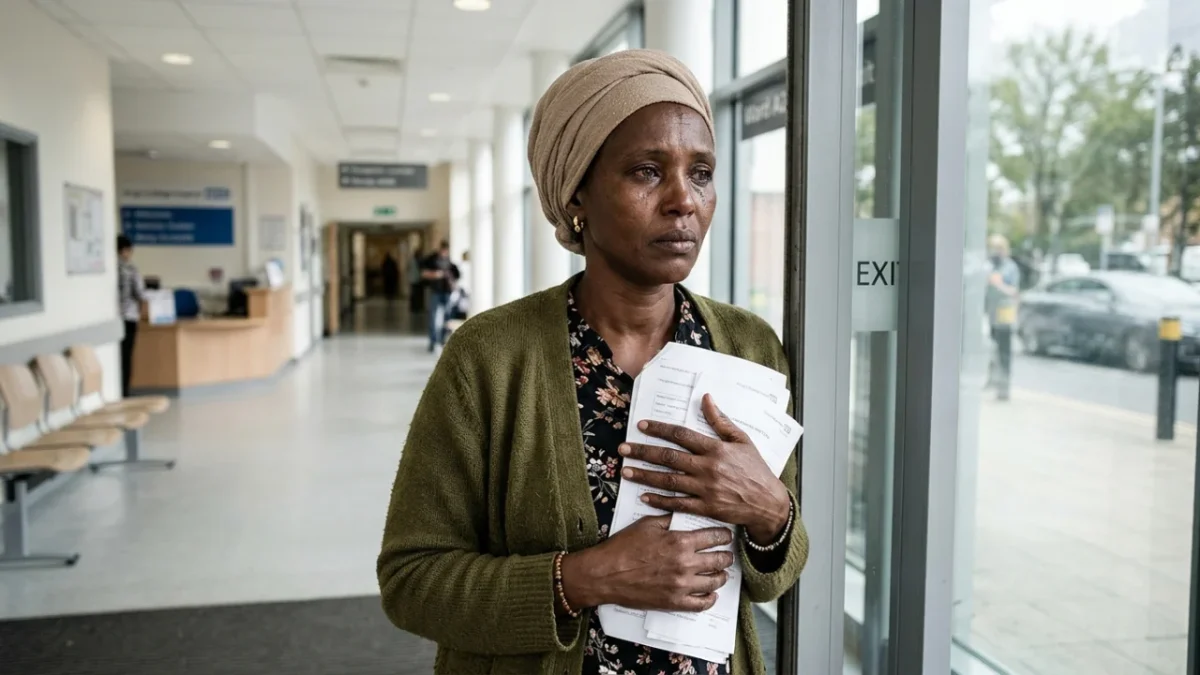
Days before 44-year-old Yasmeen Ali fatally attacked her three young children in their Sea Mills home, mental health services cancelled an urgent psychiatric assessment because there was no available hospital bed. The catastrophic oversight, formally acknowledged by the NHS at Bristol Crown Court, culminated in an indefinite hospital order for the mother and triggered urgent demands for accountability ahead of an impending independent inquiry.
Ali admitted three counts of manslaughter by reason of diminished responsibility following the deaths of seven-year-old Fares Bash, three-year-old Joury Bash, and nine-month-old Mohammed Bash in February 2024. Sentencing her, Mr Justice Linden made clear that her actions were almost entirely driven by undiagnosed, acute schizoaffective psychosis rather than malice.
The tragedy has exposed severe institutional fissures within emergency psychiatric care and multi-agency protection networks across the South West.
A Systemic Collapse Preceding the Tragedy
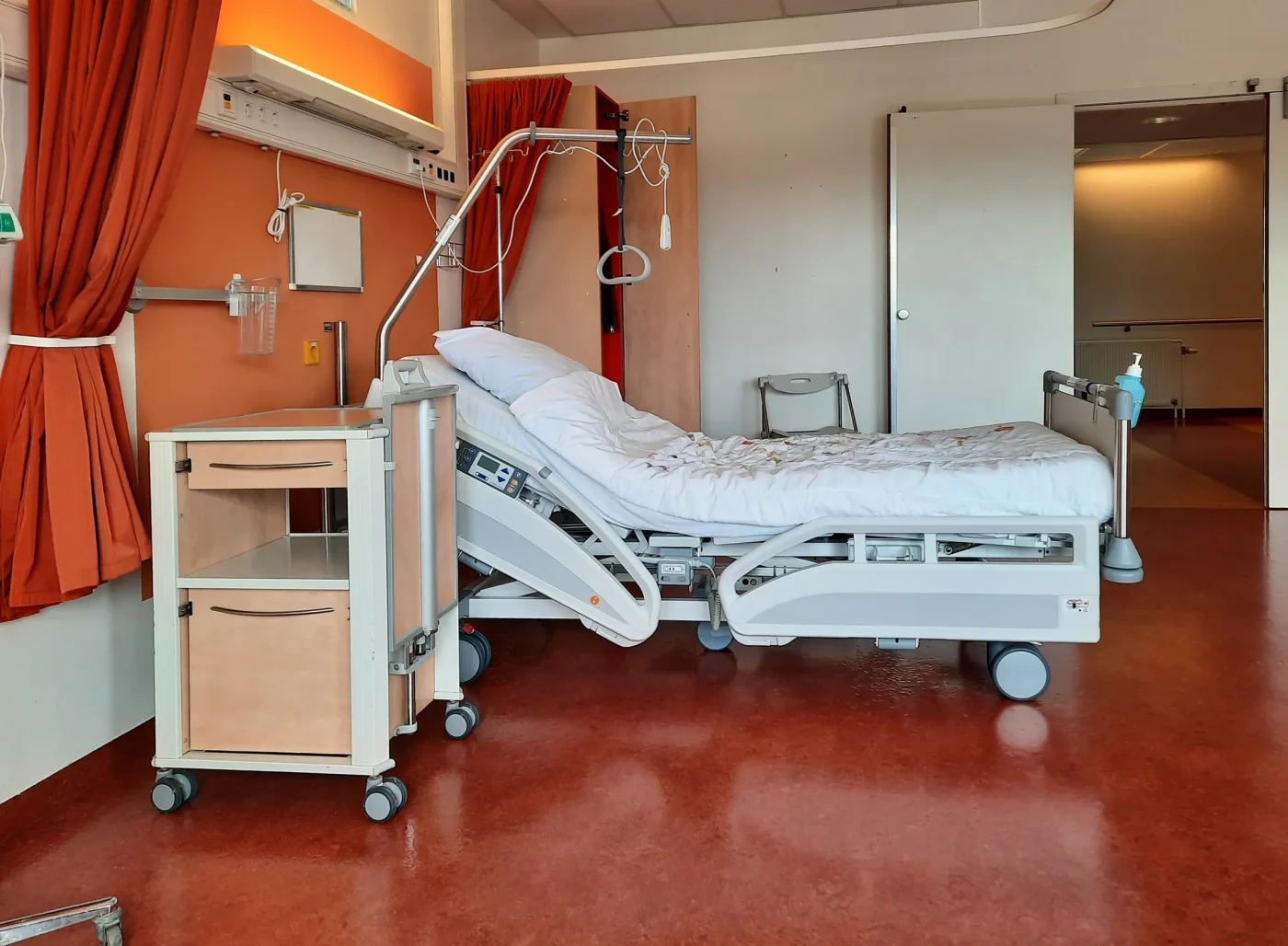
The court heard that clinical staff diagnosed Ali with an “acute stress reaction” and discharged her from care less than a week before the killings took place. Avon and Wiltshire Mental Health Partnership NHS Trust has since issued a formal written apology from its chief nursing officer, conceding grave shortfalls in her clinical supervision.
When professionals raised alarms about Ali’s deteriorating psychological state on 6 February 2024, clinicians initiated an assessment under the Mental Health Act 1983 to secure inpatient psychiatric admission. However, the procedure was abandoned on 9 February solely because the trust had no psychiatric bed available to hold her if detention were ordered.
Believing Ali seemed “a great deal better” when she stated she had returned to normal, clinicians officially discharged her on 12 February. Six days later, emergency services found her suffering from self-inflicted wounds alongside the bodies of her children.
Escalating Isolation and Domestic Volatility
Ali arrived in the United Kingdom from Sudan in 2018 on a spousal visa to live with her husband, Alfil Bash. Her immigration status left her with no recourse to public funds, rendering her wholly reliant on her husband and entirely vulnerable to isolation.
Court disclosures detailed a household under intense domestic and financial strain. In September 2023, primary school teachers flagged domestic violence concerns to local social services after Ali reported an assault while breastfeeding. In December 2023, police attended the residence to find Ali shaking behind officers, while young Joury demonstrated how hands had been placed around her mother’s neck.
Although Mr Bash was remanded in custody following that incident, Ali was left without household income, surviving on foodbanks and neighbourhood charity whilst facing threats of eviction and local pressure to withdraw complaints.
The Warning Signs Missed by Care Networks
The forthcoming statutory review led by the Bristol Safeguarding Board must resolve critical questions surrounding why warnings from schools, police, and neighbours failed to maintain a safety cordon around the vulnerable family.
- Bed Management Failures: The decision to abandon statutory intervention under the Mental Health Act 1983 due to infrastructure constraints rather than clinical recovery.
- Diagnostic Oversights: Misinterpreting profound, escalating schizoaffective disorder as simple circumstantial stress without ongoing monitoring.
- Siloed Agency Working: A collapse in cross-communication between domestic abuse officers, social services, and community psychiatric nurses.
- Immigration Precarity: The absence of tailored statutory safety nets for mothers subject to “no recourse to public funds” living in coercive domestic environments.
Defence counsel Andrew Langdon KC emphasised that Ali was experiencing profound detachment from reality, having heard auditory hallucinations commanding her to act, and did not understand her children were dead in the immediate aftermath.
Accountability Ahead of the Safeguarding Review

A spokesperson for Avon and Wiltshire Mental Health Partnership NHS Trust confirmed that detailed public commentary remains paused pending the formal release of the city’s safeguarding review. The findings, expected to be published within weeks, will scrutinise how statutory duties under child protection guidelines were executed across the council and health trusts.
Community leaders and safeguarding advocates have pointed out that bed shortages must never serve as justification for terminating mental health intervention when children are present in the household.
Mr Justice Linden noted that Ali had been a deeply affectionate mother whose sudden descent into psychosis came as a profound shock to those who knew her, underscoring the lethal cost of medical blind spots.
💡 The findings from the Bristol Safeguarding Board will undoubtedly reverberate across NHS crisis intervention teams nationwide, setting fresh benchmarks for emergency psychiatric provision.
🔍 When systemic bed shortages override clinical risk assessments, vulnerable families are left bearing the unimaginable burden of institutional failure.
📌 Robust multi-agency safeguards must be reinforced immediately to prevent administrative bottlenecks from jeopardising vulnerable children.
👇 Do mental health services have sufficient resources to manage acute domestic crises effectively? Share your thoughts and join the discussion below.
 1
 2
 3
 4