
She Lied About Being on Her Honeymoon for Free Hotel Perks—Then Walked Into a Massive 3-Room Japanese Suite

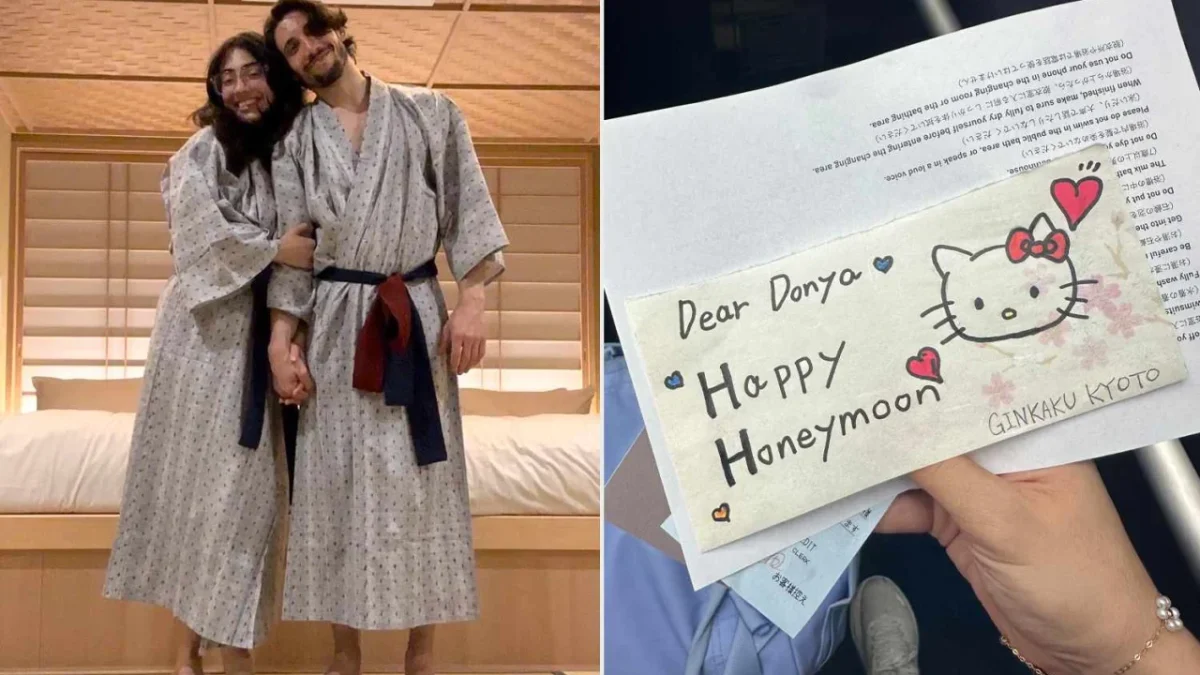
Donya Rahimi hoped for nothing more than a few complimentary chocolates or a folded towel swan when she checked the “honeymoon” box while booking a stay in Japan. Instead, the budget traveler walked straight into an extravagant three-room suite, a hand-drawn congratulatory card, and an unexpected wave of instant moral panic.
The couple was not married at all. They were simply celebrating their one-year dating anniversary on a tight budget.
What started as a cheeky booking trick quickly spiraled into an ethical standoff that took over TikTok, sparking a debate across the travel community about hospitality perks, karma, and the unspoken rules of hotel upgrades.
An Impulsive Booking Decision on a Shoestring Budget
Rahimi, an actor, travels somewhere new every year with her boyfriend, Nick. The couple funds their global trips using the money they earn working at a seasonal summer program in England.
Visiting a traditional Japanese inn, known as a ryokan, sat at the very top of their itinerary. Because traditional inns can be pricey, they reserved the cheapest single-night room available, planning to sleep on classic tatami floor mats.
Right before confirming the reservation, Rahimi made a split-second choice to test an age-old travel rumor.
“I’d heard so many stories about people saying it was their honeymoon or a special occasion when booking hotels, but I’d always been too afraid because I thought it was bad karma. But I was feeling impulsive when I made this booking, so I just did it, clicked submit, shut my laptop, and walked away before I could change my mind!”
Her goal was harmless. She figured the staff might leave a small treat or a fun amenity that would give Nick a quick laugh.
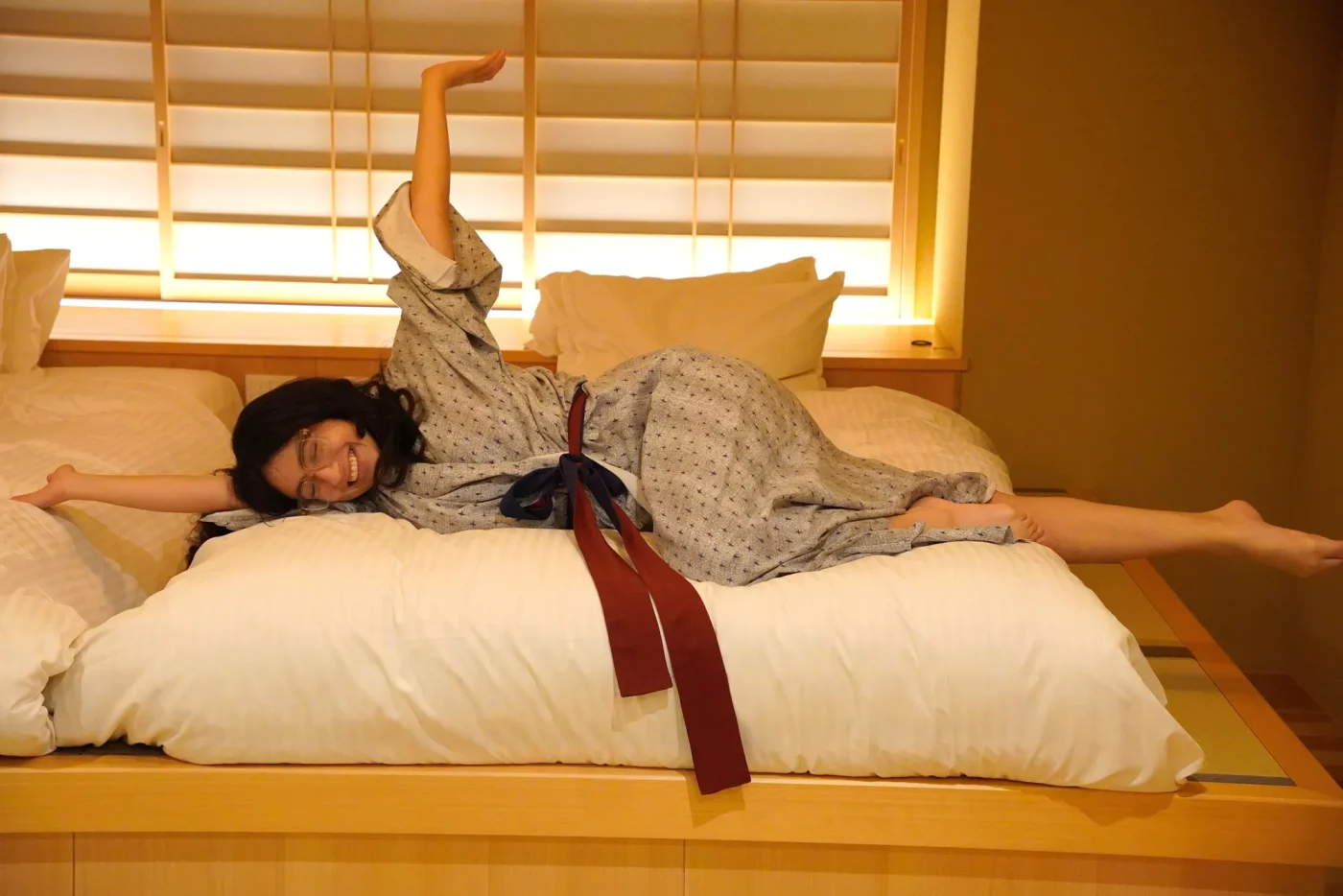
Woman Lies About Being on Her Honeymoon in Japan, Then Feels Guilty After Getting a Huge Room Upgrade
Check-In Shock: When a White Lie Delivers Too Much
Exhausted, soaking wet from the rain, and arriving late in the evening after hours on transit, Rahimi had completely forgotten about the note she slipped into the digital reservation.
The reception staff immediately greeted the soaked pair with extraordinary warmth. An employee presented Rahimi with a hand-drawn congratulatory card wishing them well in their new marriage.
Then came the announcement: the ryokan had upgraded their reservation.
The modest space they paid for vanished. In its place stood a sprawling traditional retreat featuring three separate rooms, Western-style beds, onsen baths, and lounge robes.
The sheer contrast between what they booked and what they received was staggering.
| Booking Expectation | Actual Ryokan Reality |
|---|---|
| Cheapest single room | Sprawling three-room luxury suite |
| Traditional floor sleeping mats | Full-sized Western beds |
| Standard check-in interaction | Personal hand-drawn card |
| Hoped-for perk: chocolates | Delivered perk: total property upgrade |
At first, adrenaline took over. The luxury was undeniable.
“At first, I was elated! I was like, ‘We could never afford a room like this!’”
Yet the euphoria faded almost as quickly as it arrived.
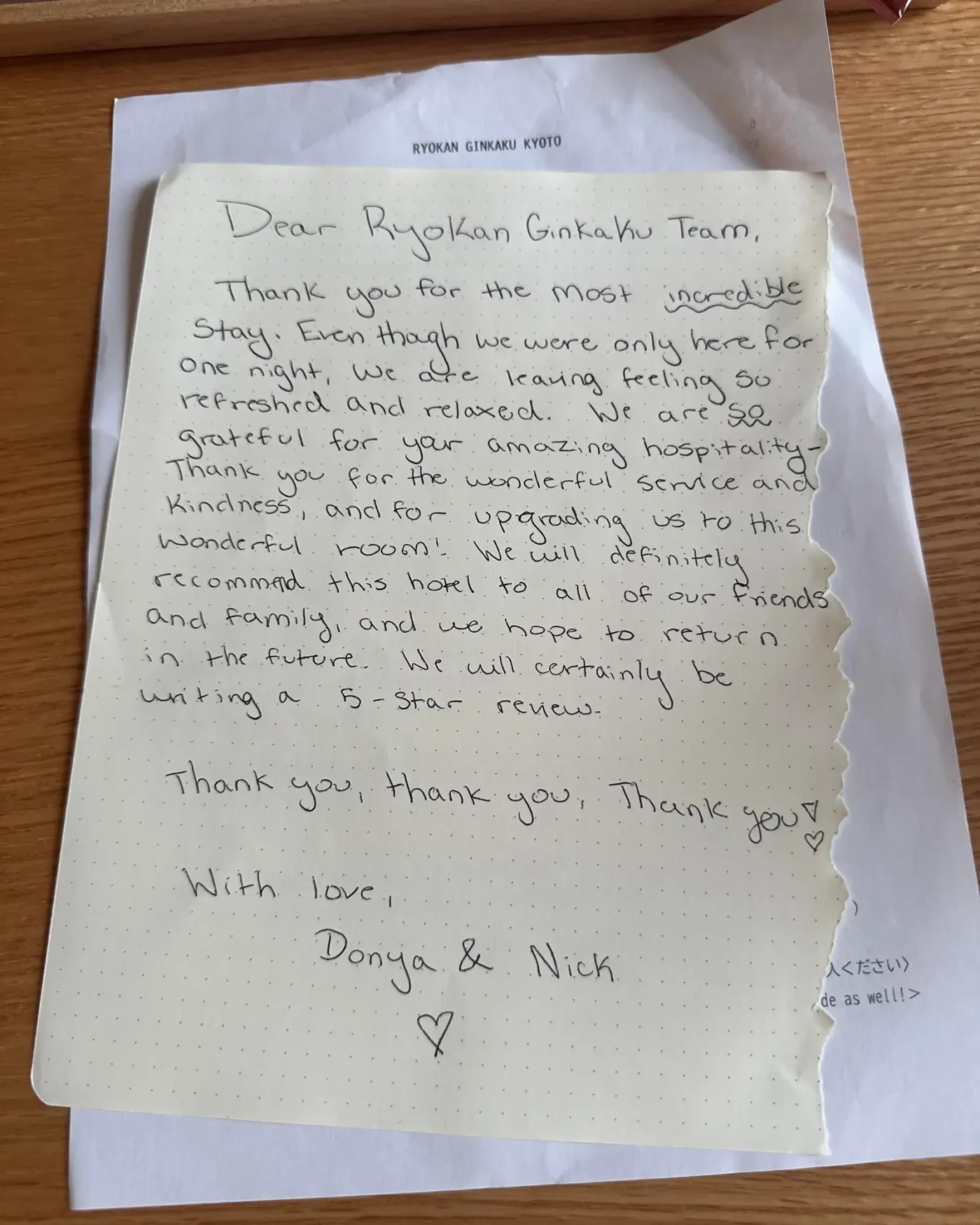
Woman Lies About Being on Her Honeymoon in Japan, Then Feels Guilty After Getting a Huge Room Upgrade
The Honeymoon Myth vs. Front Desk Reality
A widespread assumption among casual travelers claims that dropping words like “honeymoon” or “anniversary” into reservation notes is a harmless hack with zero downside.
Social media frequently portrays special-occasion notes as a victimless cheat code to bypass standard pricing.
The reality is that boutique properties and high-end hospitality venues treat milestones with intense personal care. Staff members often spend personal time crafting notes, arranging perks, or assigning limited inventory to genuine newlyweds.
When the upgrade is disproportionately generous, the psychological toll shifts back onto the guest.
FaceTime Councils and the Late-Night Moral Crisis
Staring at the sheer size of the suite, Rahimi spiraled into intense regret over her hotel honeymoon lie.
She immediately placed emergency FaceTime calls to her mom, dad, sister, and best friend. Every single confidant told her to stop stressing and enjoy the stay.
Nick, who had nothing to do with making the original reservation, found the entire debacle hilarious. With midnight approaching and both travelers running on empty, they abandoned the idea of confessing at the desk.
They spent the evening soaking in the onsens, wearing their provided robes, and marveling at a room they could never otherwise justify purchasing.
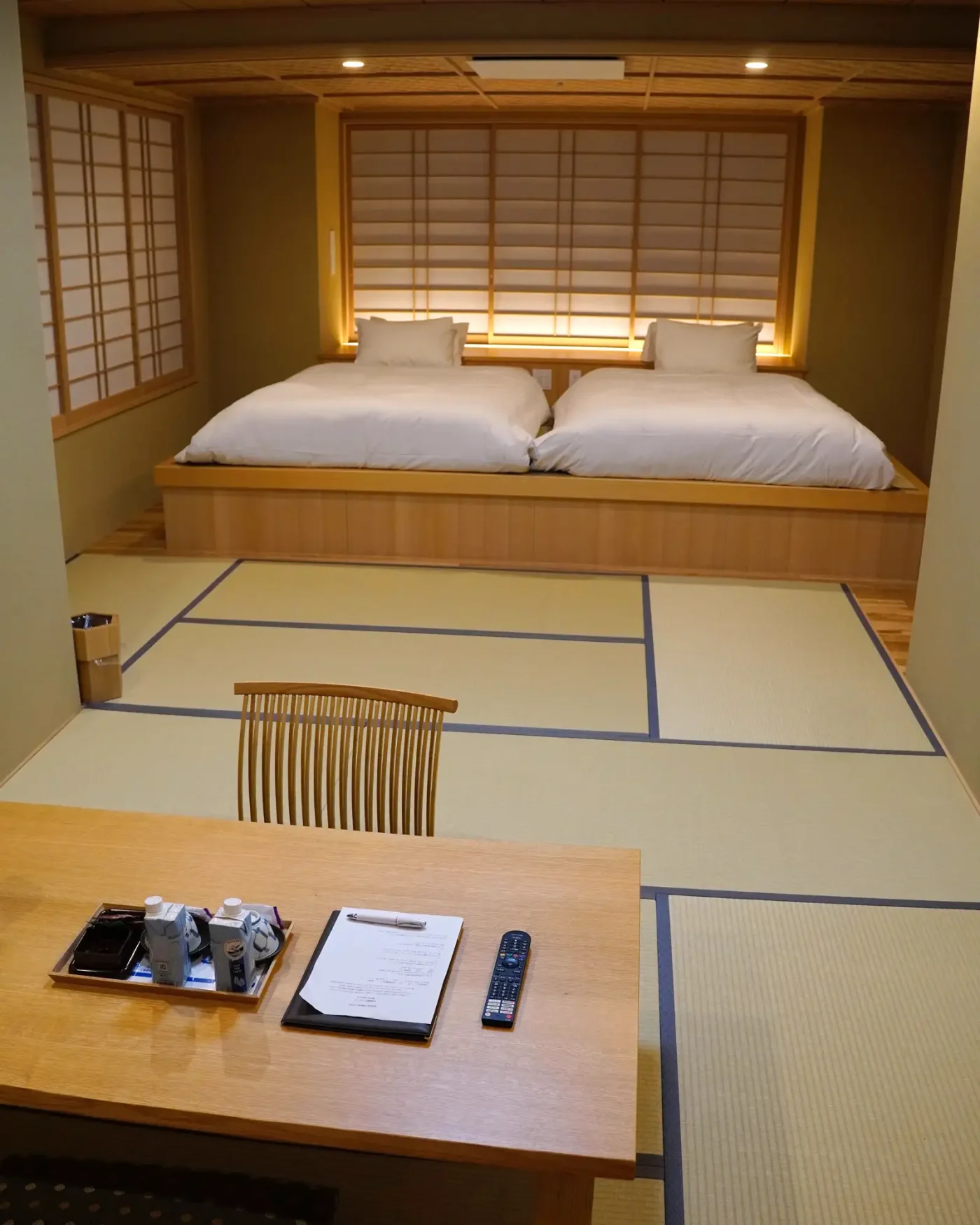
Woman Lies About Being on Her Honeymoon in Japan, Then Feels Guilty After Getting a Huge Room Upgrade
Repaying Kindness Before Checking Out
Even though the overnight stay turned into the highlight of their Asia itinerary, Rahimi could not leave without squaring her conscience.
Before packing up the following morning, she purchased chocolates and penned a heartfelt handwritten thank-you note to the ryokan team to acknowledge their exceptional hospitality.
While the trick paid off beyond her wildest imagination, Rahimi insists she has officially retired from the fake-milestone travel game.
“I obviously had an amazing experience, so I don’t want to be a hypocrite, but I also can’t be out here encouraging people to do it, haha! I’ll let everyone make their own decisions on that one. I got lucky, but I don’t want to accidentally start a trend that costs hotels money!”
💬 Special occasion notes can land you luxury accommodations, but they might also land you a heavy dose of travel guilt.
✨ When genuine cultural hospitality meets an impulsive online trick, the results can be far bigger than expected.
👇 Would you take the upgrade and stay silent, or confess at the desk? Drop your thoughts in the comments below!
 1
 2
 3
 4
