
The 1976 Aspen Shooting of Olympian Spider Sabich: How Botched Evidence Let Claudine Longet Walk Away With 30 Days in Jail

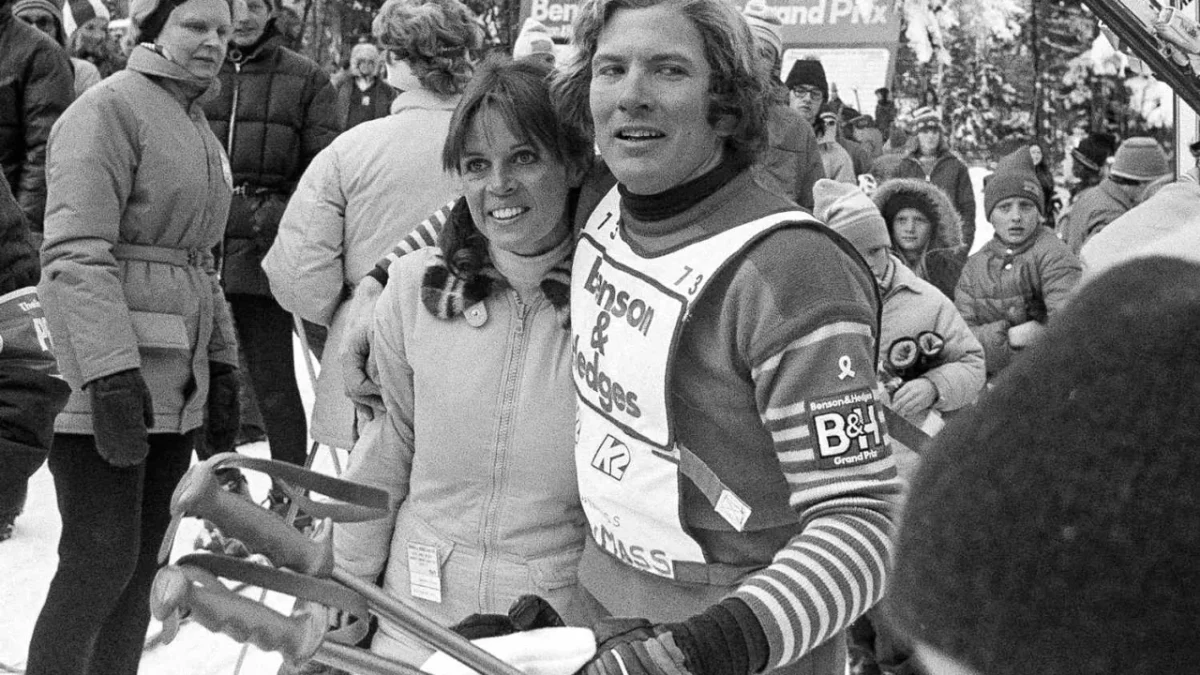
When French-born singer and actress Claudine Longet shot and killed Olympic skier Vladimir “Spider” Sabich in Aspen, Colorado, on March 21, 1976, prosecutors initially sought a felony conviction for reckless manslaughter. Yet, despite shooting Sabich point-blank in the abdomen, Longet served only 30 days in jail on a reduced misdemeanor charge after massive procedural errors gutted the state’s case.
Sabich was standing in the bathroom preparing to take a shower when Longet discharged an imitation World War II-era .22-caliber Luger pistol into his stomach. Longet called for an ambulance, but the 31-year-old alpine champion died from blood loss before reaching the hospital.
The tragedy ignited one of the most polarizing celebrity legal battles of the 1970s, pitting local law enforcement’s mishandling of physical evidence against a high-profile defense team funded by Longet’s famous ex-husband.
From Hollywood Stardom to Aspen Romance
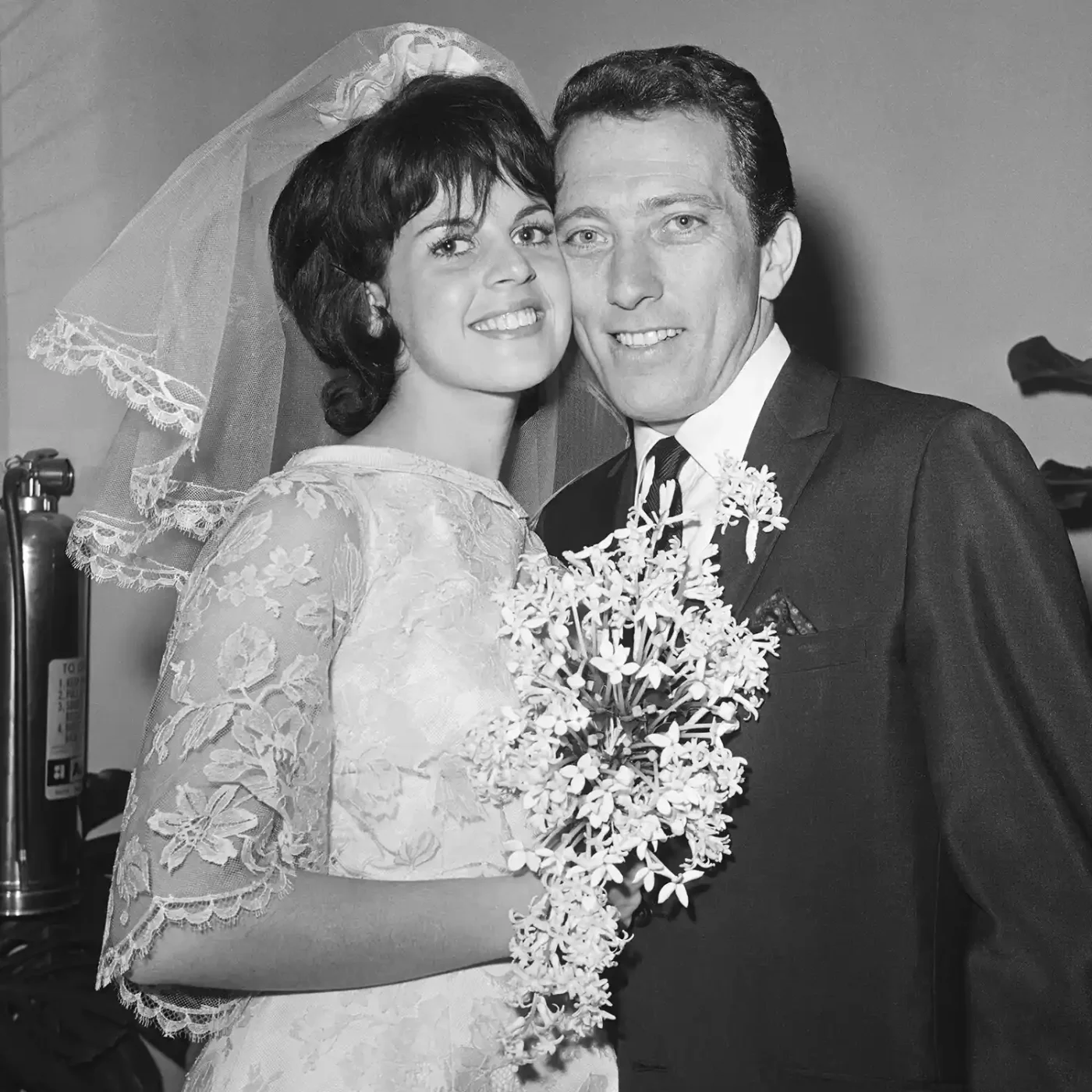
Andy Williams and Claudine Longet pictured following their marriage in December 1961.
Born in Paris, Longet moved to Las Vegas in 1960 to dance at the Tropicana casino. There, she met pop singer Andy Williams, host of The Andy Williams Show. The two married in December 1961 and had three children together: Noelle, Christian, and Bobby.
Williams helped launch Longet’s entertainment career in the United States, securing her appearances on his television show, a co-starring role in the 1968 comedy film The Party opposite Peter Sellers, and a recording contract. The marriage dissolved in 1970, concluding with a divorce in 1975.
In 1972, Longet met Sabich at a celebrity ski race in Bear Valley, California. Sabich’s close friend Moose Barrows recalled seeing Longet seated with Liza Minnelli, Clint Eastwood, and Robert Conrad before Sabich introduced himself. Longet eventually relocated with her children to Aspen to move in with the ski star.
The Charismatic Rise of Vladimir “Spider” Sabich
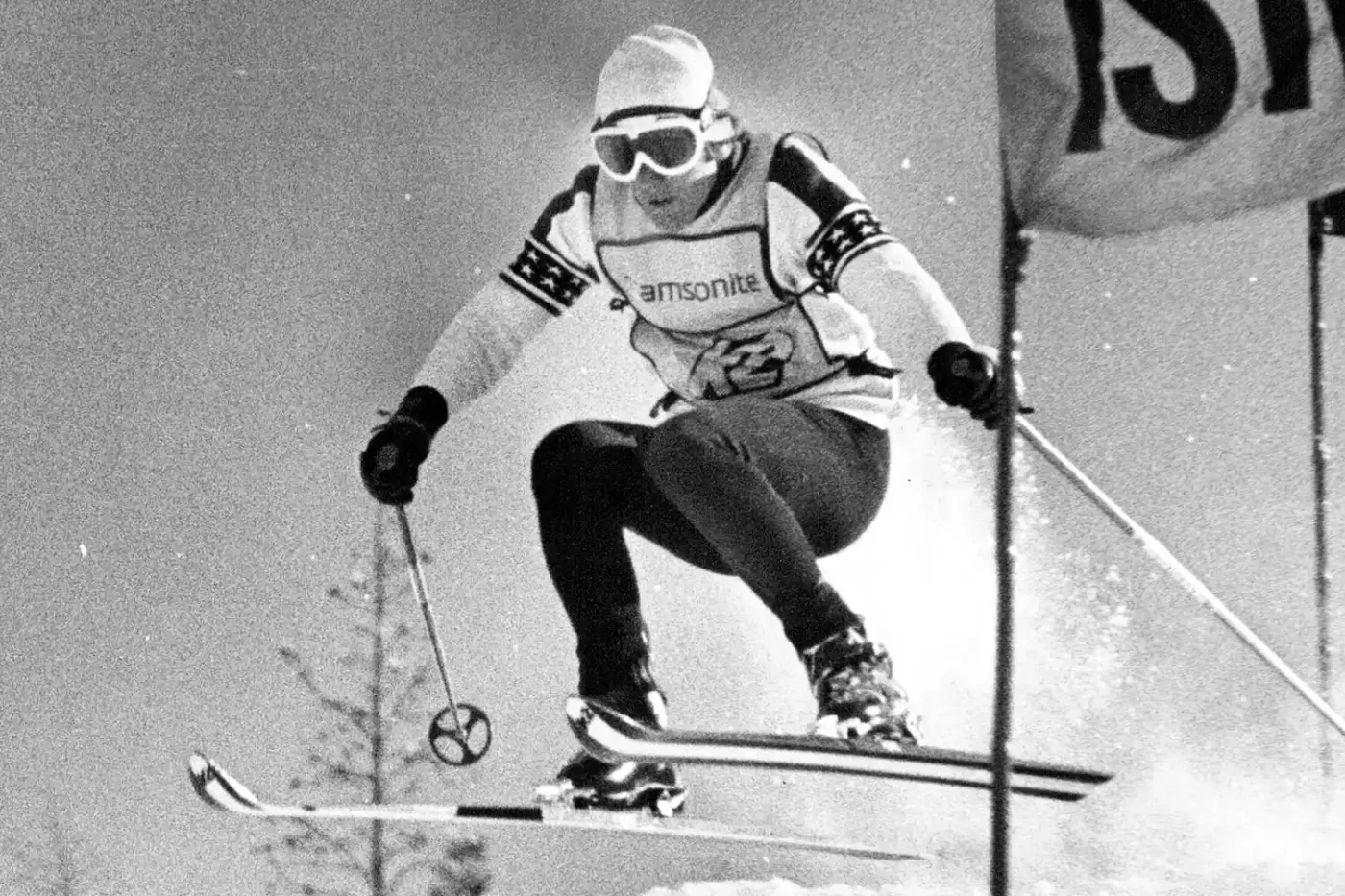
Spider Sabich competing in the Samsonite Classic.
Sabich was an elite athlete who represented the United States Ski Team during the World Cup’s first four seasons. He finished fifth in the slalom event at the 1968 Winter Olympics and won the World Cup slalom later that same year.
By 1971 and 1972, Sabich had captured consecutive pro ski racing championships. His magnetic personality and athletic career served as direct inspiration for Robert Redford and James Salter’s 1969 feature film Downhill Racer.
Despite his fame, Sabich faced career setbacks leading up to 1976. Severe knee and back injuries increasingly hindered his competitive performance, placing additional strain on his personal life.
The Fatal Confrontation on Starwood Drive
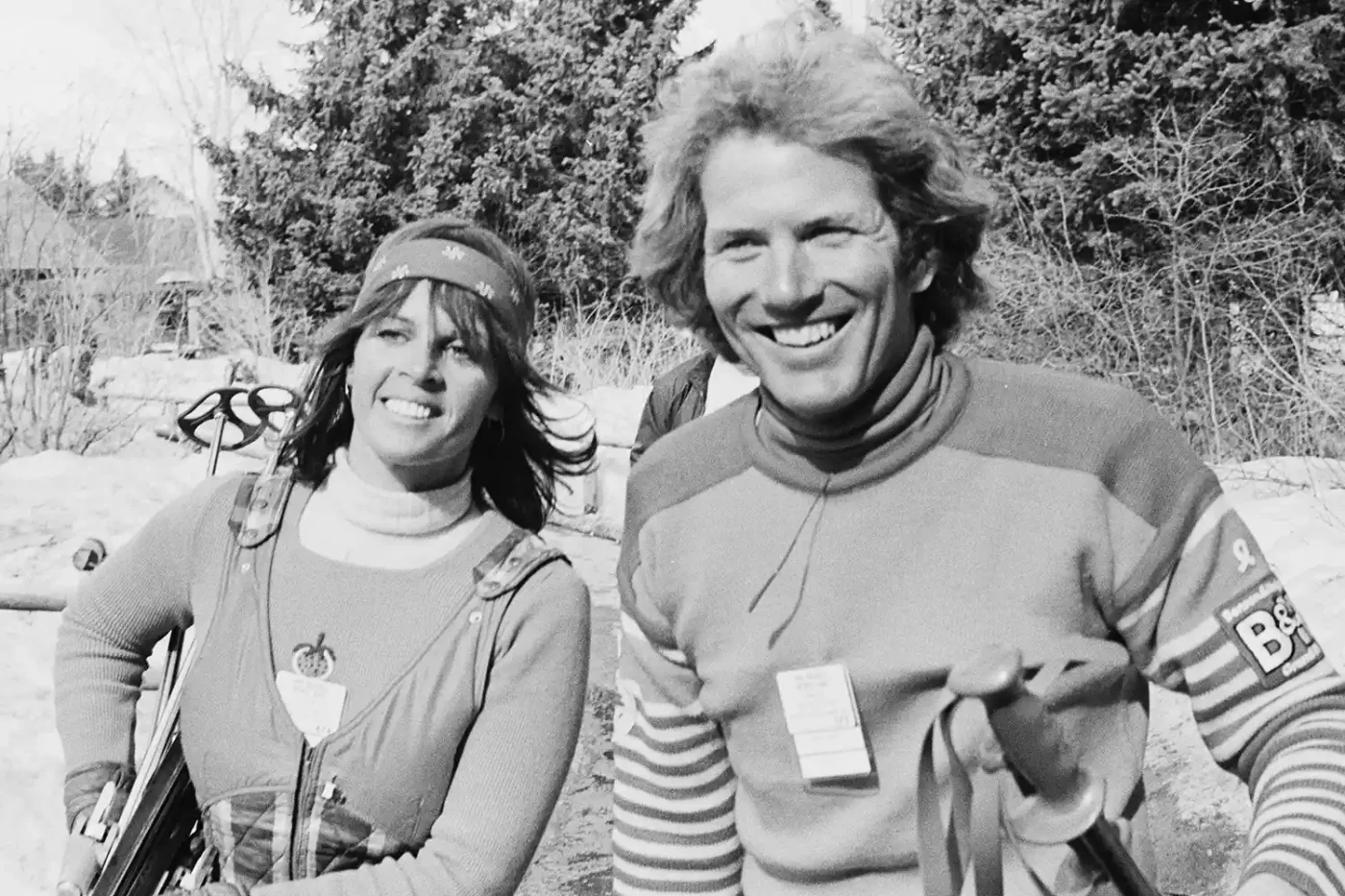
Claudine Longet and Spider Sabich attending the Pro-Am Lange Cup tournament in March 1974.
On the afternoon of March 21, 1976, Sabich returned home from a training session to change clothes before heading to dinner with ski coach Bob Beattie. While Sabich was undressing for a shower, the gun went off.
Aspen police detective David Garms testified that Longet initially told him she found the weapon and asked Sabich how to operate it for personal protection when home alone.
“I raised the gun and playfully went ‘Boom, boom,’ and it went off,” Garms testified regarding Longet’s initial account.
Taking the stand in her own defense, Longet disputed that she acted playfully, maintaining she never joked with firearms. She claimed the handgun simply discharged while Sabich demonstrated its mechanism.
“Spider called my name many, many times,” Longet testified. “He sort of slid down and I told him I would call the hospital and not to move. I told him to try to make it. He was fainting, and I tried to give him mouth-to-mouth resuscitation.”
Behind the Scenes: Unraveling the Relationship
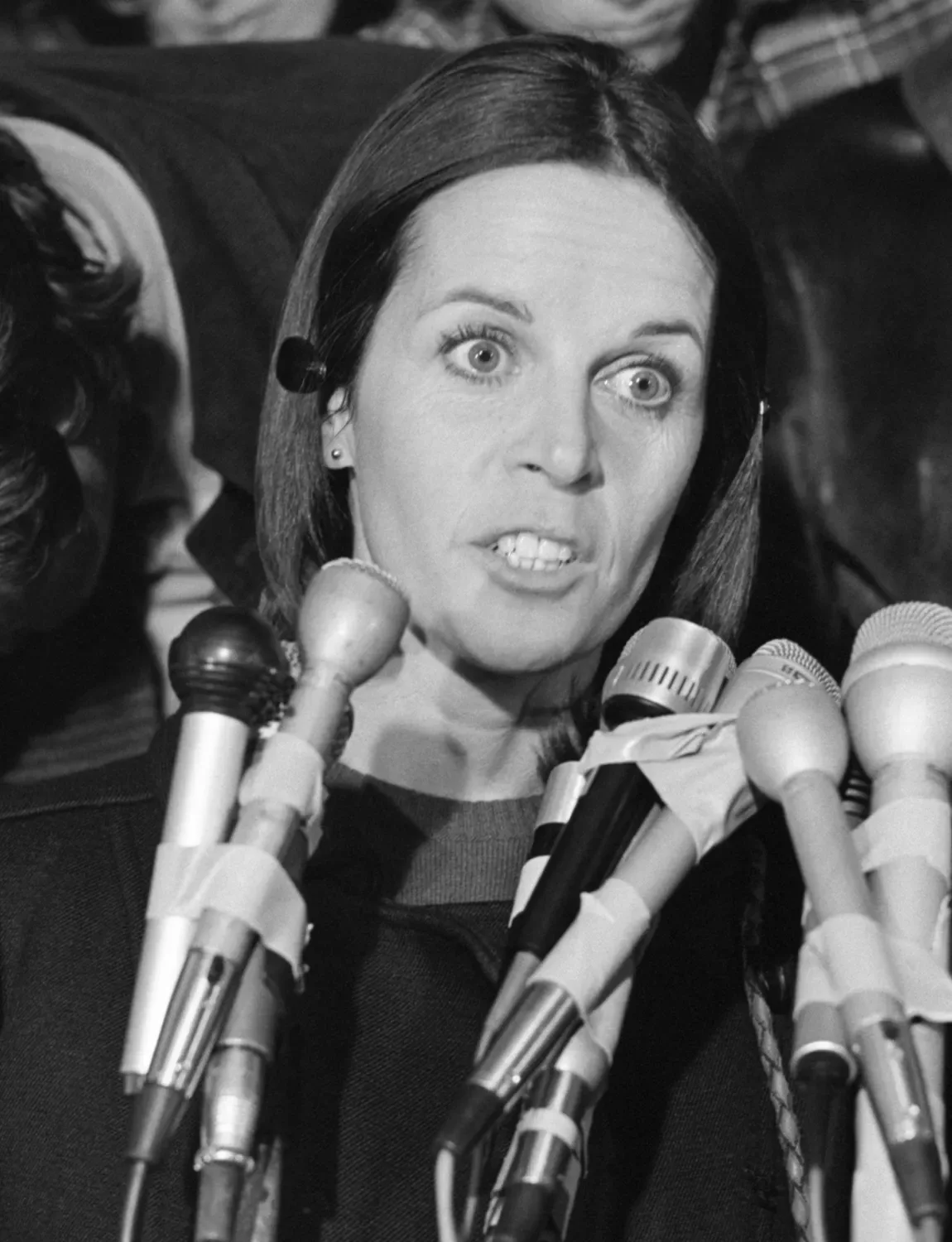
Claudine Longet speaking to reporters after the jury reached its verdict.
While Longet testified that the two loved each other deeply, witness testimony presented a volatile dynamic in the final weeks before Sabich died.
Sabich’s ex-girlfriend, Marty, shared that Sabich complained during a dinner date that he could not get Longet to leave the home and noted her explosive temper. Beattie likewise noted that the couple was on the verge of separating, and Longet acknowledged on the stand that she had been actively hunting for a new residence.
Myth vs. Fact: The Trial Evidence
Common Misconception: The public long believed prosecutors failed to secure a serious conviction because the shooting was proved beyond doubt to be an accidental mechanical malfunction.
The Legal Reality: The prosecution’s case fell apart due to constitutional violations and mishandled physical evidence by local investigators, forcing key materials out of the courtroom.
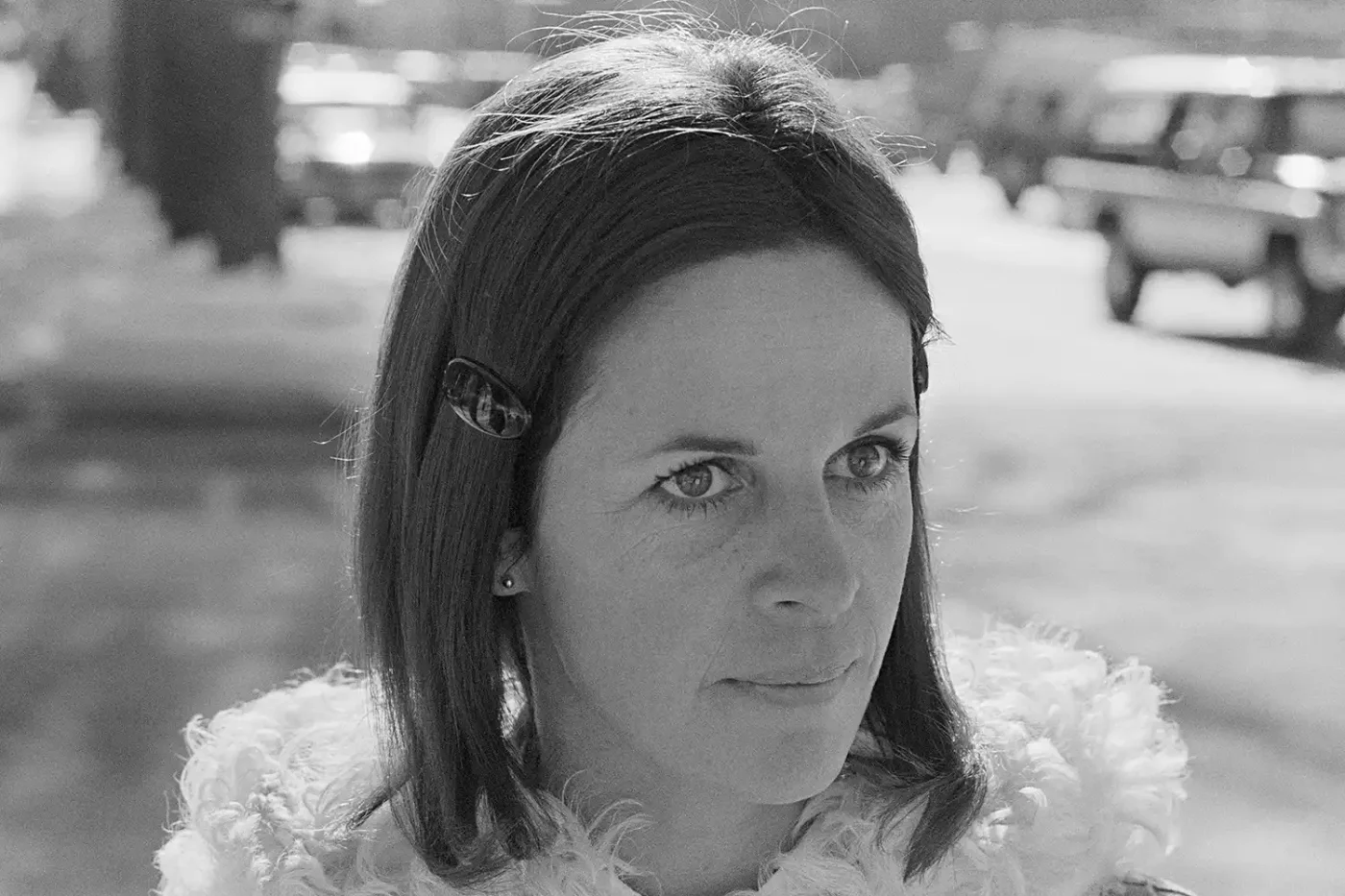
Claudine Longet leaving court during her manslaughter trial in Aspen, Colorado.
Pitkin County Sheriff’s deputies collected Longet’s personal diary alongside blood and urine samples without obtaining search warrants. Although prosecutors alleged her toxicology screen revealed cocaine, judges ruled the test results and diary entries inadmissible.
Furthermore, investigators wrapped the .22-caliber pistol in a towel and stored it inside a patrol car glove compartment for days rather than booking it into an evidence locker, exposing the state to defense claims of evidence tampering.
The Verdict and Settlement
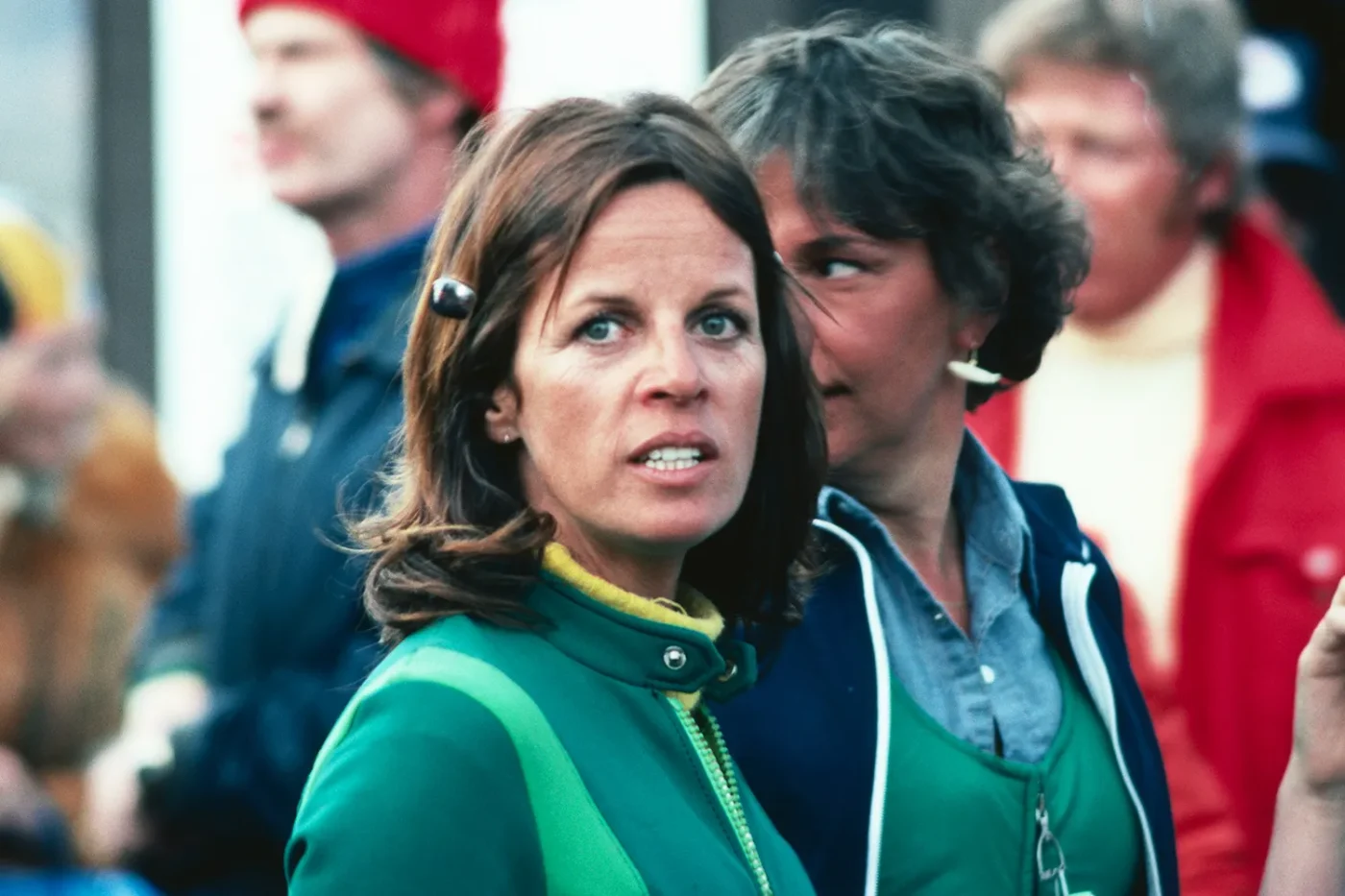
Claudine Longet on trial for the shooting death of Vladimir Sabich.
On January 14, 1977, the jury cleared Longet of felony reckless manslaughter, convicting her instead of misdemeanor negligent homicide.
| Legal Category | Case Outcome |
|---|---|
| Criminal Conviction | Misdemeanor negligent homicide |
| Criminal Sentence | 30 days in jail (served on weekends) plus 2 years probation |
| Administrative Fine | $25 probation report fee |
| Civil Litigation | $1.3 million lawsuit settled out of court with lifetime gag order |
The judge permitted Longet to serve her 30-day jail term on consecutive weekends at a time of her choosing, along with paying a $25 fee to cover probation documentation costs.
“There is not really very much to say,” Longet remarked following sentencing. “Only that I have too much respect for living things to do that. I’m not guilty.”
In May 1977, Sabich’s family brought a $1.3 million wrongful death civil lawsuit against Longet. The parties reached an out-of-court settlement requiring Longet to sign a confidentiality agreement barring her from ever writing a book or discussing the shooting publicly.
Longet remained largely out of the spotlight following the settlement and passed away at age 84.
💬 The Aspen trial of Claudine Longet remains one of the sharpest examples of how evidentiary mishandling can reshape a high-profile homicide verdict.
✨ From Olympic triumph to forensic error, Spider Sabich‘s untimely passing altered Colorado legal history forever.
👇 What do you think of the handling of the 1976 evidence? Drop your thoughts in the comments below!
 1
 2
 3
 4
