
The Dallas Cowboys Cheerleaders Have Filed Legal Action Over My Chemical Romance’s Hollywood Bowl Stunt After Stage Lookalikes Performed a Simulated Gun Battle in Iconic Uniforms

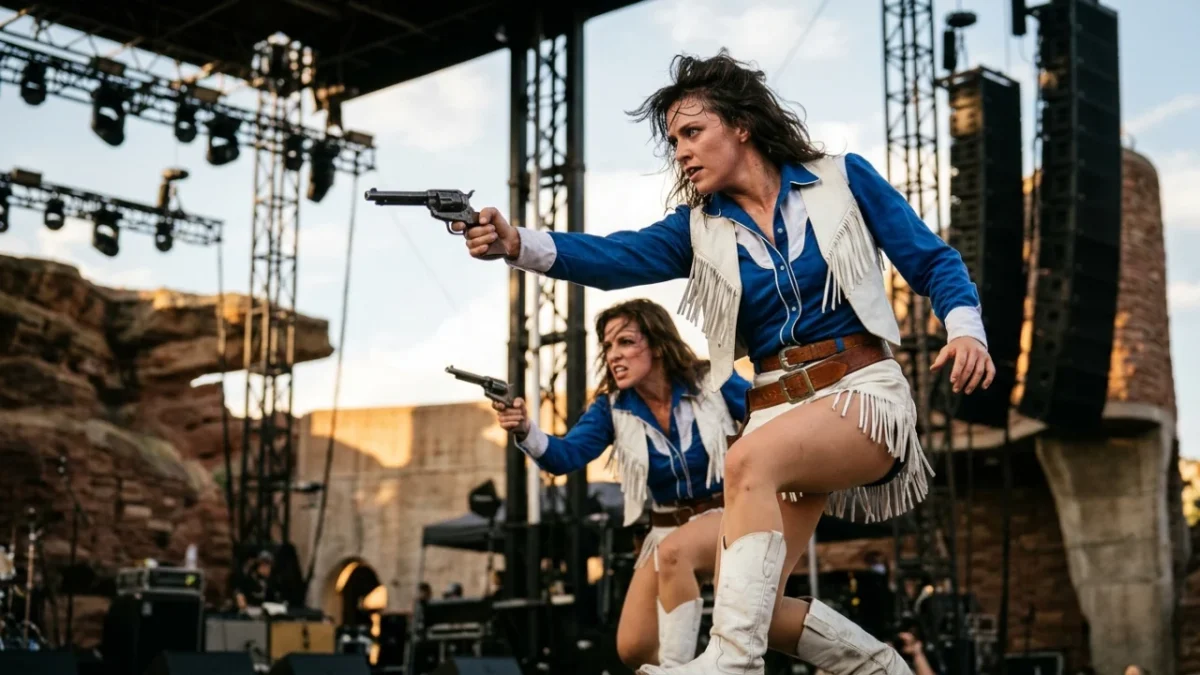
Rock heavyweights My Chemical Romance are facing formal legal action from the Dallas Cowboys Cheerleaders after deploying lookalike performers in signature squad outfits during a dramatic mock gun-battle routine at the Hollywood Bowl. The high-profile trademark dispute erupted after cease-and-desist filings—characterised in legal filings as seeking restraining orders—demanded an immediate halt to the visual mimicry on stage.
The confrontation thrusts the veteran alternative rock outfit directly into federal intellectual property territory, pitting theatrical rock satire against one of professional sport’s most aggressively defended commercial brands.
At the epicentre of the My Chemical Romance lawsuit is whether a touring theatrical production can legally parody a world-famous professional uniform, or whether pairing that image with simulated violence constitutes brand dilution and unauthorised commercial exploitation.
Inside the Hollywood Bowl Routine That Triggered Legal Action
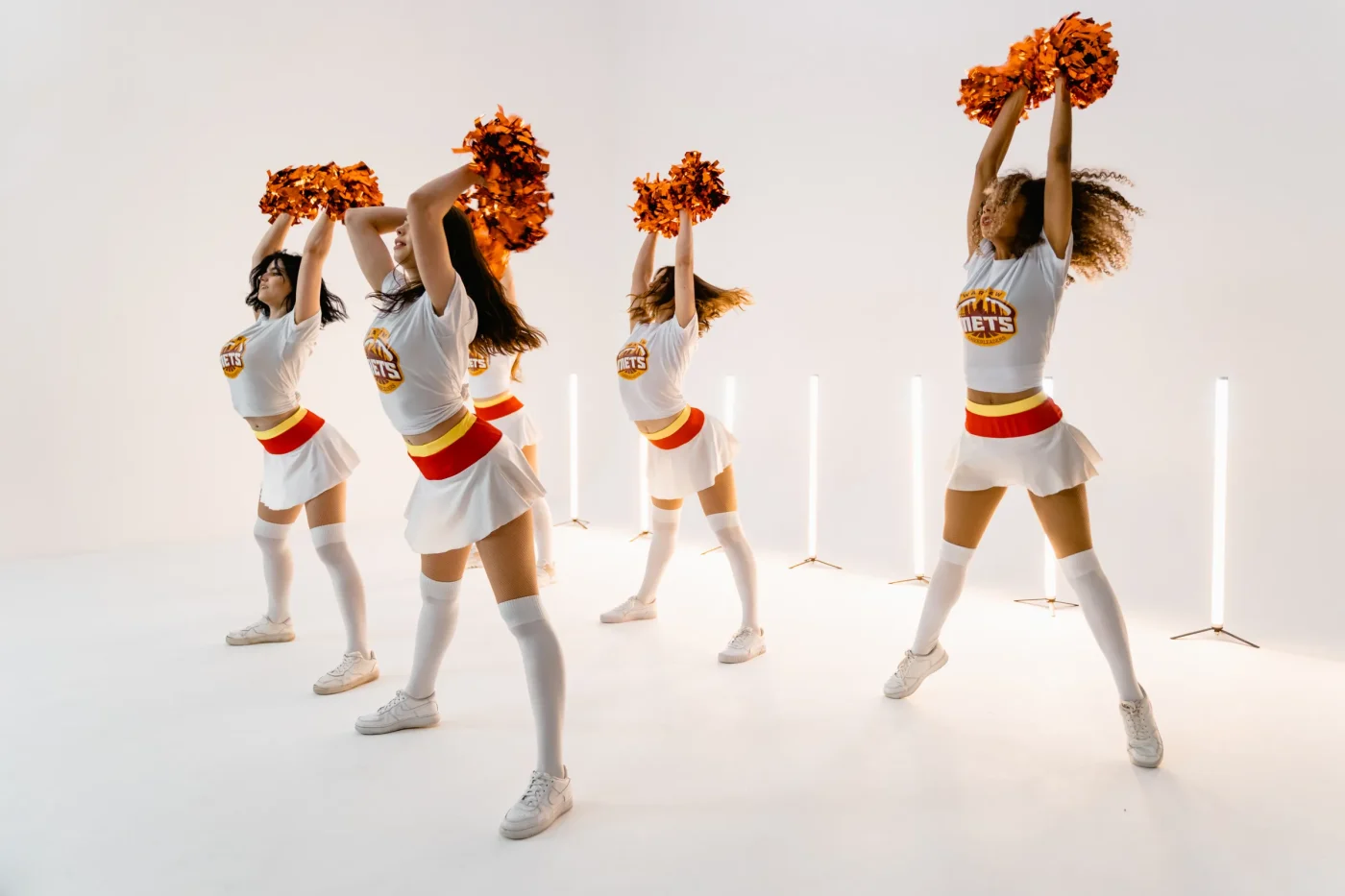
The controversy stems from an elaborate live segment during the band’s appearance at the historic Los Angeles venue. Rather than standard backing dancers, the performance introduced performers dressed in costumes bearing an unmistakable resemblance to the iconic blue-and-white Western aesthetic made famous by the National Football League squad.
The tension escalated rapidly when the choreography pivoted away from traditional cheer movements and plunged directly into a staged gun battle. Legal representatives for the cheerleading organisation moved quickly, arguing that the routine crossed the boundary from harmless costume mimicry into trademark infringement.
The core legal claims against the production focus on several distinct elements:
- Unauthorised Brand Imitation: Utilizing protected trade dress and visual aesthetics unmistakably linked to the professional squad without licencing agreements.
- Reputational Association: Tying a family-oriented, world-renowned dance brand directly to a simulated armed confrontation on a major public stage.
- Commercial Misrepresentation: Generating public ambiguity over whether the performance was sanctioned or endorsed by the franchise.
The sudden legal challenge immediately transformed a memorable concert spectacle into a high-stakes corporate showdown.
Former Squad Members Break Their Silence on Social Media

As news of the cease-and-desist action spread across the entertainment industry, former squad members entered the fray to clarify the situation to millions of followers online.
Prominent squad alumna Stephanie Roberts, who performed with the Dallas Cowboys Cheerleaders from 2015 to 2018, took to TikTok to address the escalating fallout directly. Roberts sought to establish an unambiguous boundary between the real dancers and the actors hired for the Hollywood stage spectacle.
“As a DCC alumni, I have a whole lot of nothing to say…,” Roberts noted in her video, before delivering a sharp clarification in her caption: “Let’s clarify one thing, the actual [Cowboys cheerleaders] were NOT present at this concert.”
That public distinction remains central to the dispute. The franchise’s legal strategy does not allege that actual squad members participated, but rather that the visual illusion staged by the band deliberately traded on decades of established goodwill.
Parody Defence Versus Trademark Protection
While concertgoers and online defenders argued that similar cheerleader garments are readily obtainable across mass retail channels, trademark attorneys recognise that commercial context dictates liability. Stage productions operating at arena scale cannot easily claim simple novelty dress when featured routines borrow distinctive trade dress so closely.
Federal intellectual property standards rigorously evaluate whether an audience might infer sponsorship, endorsement, or formal association. By placing lookalikes inside a combative stage sequence, the production created precisely the brand conflict that commercial trade dress doctrines are designed to police.
The outcome of the challenge now rests on how the court balances artistic expression against strict trademark enforcement.
💡 Live touring acts continue to push visual boundaries, but borrowing heavily protected corporate iconography carries immediate financial and operational jeopardy.
🔍 As both legal teams prepare their next filings, the industry is watching closely to see if the band will alter their stage wardrobe or mount a robust fair-use defence in federal court.
👇 Did the stage routine cross the legal line, or should artists have complete creative freedom with parody? Share your thoughts below.
 1
 2
 3
 4