
The Real Reason Pedro Pascal Places His Hand on His Chest in Public: How a Quiet Red-Carpet Habit Unveiled a Grounding Technique for Severe Anxiety

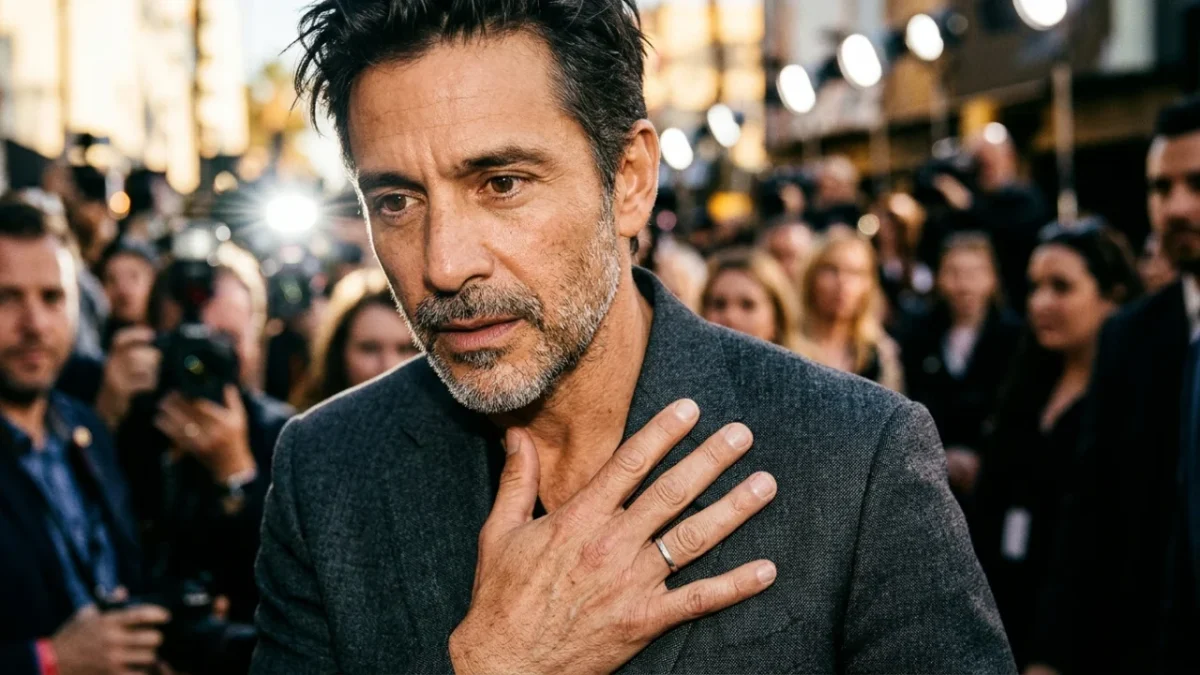
Whenever Pedro Pascal steps in front of flashing flashbulbs and thunderous crowds, the beloved screen star quietly rests his left hand flat against his chest to physically subdue sudden waves of acute anxiety. The instinctive posture, spotted repeatedly across global press junkets and premiere carpets, is not a choreographed pose or a dapper sartorial habit, but a conscious somatic grounding tool used to steady his nervous system under intense public pressure.
For months, spectators speculated whether the posture was a theatrical trademark, an unscripted habit, or a subtle homage to his on-screen characters. The reality proved far more human, sparking an international conversation about how high-functioning professionals manage hidden neurobiological stress in real time.
By bringing his palm directly over his sternum, Pascal taps into a deeply rooted physiological coping mechanism that clinicians widely recognise as an effective antidote to sensory overload.
The Red-Carpet Reveal: How an Unscripted Exchange Exposed the Truth
The mystery surrounding Pascal’s posture unraveled during a high-profile industry event when his co-star noticed his hand resting firmly across his solar plexus during a prolonged photocall. Leaning into the microphone, the actor candidly admitted the exact reason behind the gesture: “My anxiety is right here.”
That five-word confession instantly shattered the polished illusion of effortless celebrity poise. Far from feeling entirely at ease under the deafening shouts of photographers, the veteran performer was actively combating the physiological symptoms of a panic response.
Public exposure on that scale routinely triggers the human sympathetic nervous system, flooding the bloodstream with adrenaline and cortisol. For someone navigating chronic social discomfort, placing a warm hand against the upper torso creates an immediate, tactile circuit of self-assurance.
The Somatic Science Behind Resting a Hand on the Sternum
The practice of placing a palm against the chest is far more than a psychological comfort blanket; it is a direct intervention in human neurobiology. Clinical bodies, including the National Health Service (NHS), highlight somatic grounding techniques as fundamental self-help strategies for individuals experiencing acute panics and social phobias.
When panic strikes, breathing turns shallow and the heart accelerates, creating a tightening sensation across the chest wall that reinforces feelings of mortal dread. Interrupting that feedback loop requires rapid physical feedback.
- Tactile Biofeedback: Resting a hand flat on the sternum forces conscious awareness onto the rise and fall of the diaphragm, counteracting hyperventilation before it spirals into dizziness.
- Proprioceptive Anchoring: Physical pressure provides sensory clarity, helping the brain distinguish between real physical danger and situational overstimulation.
- Vagal Nerve Activation: Gentle pressure over the upper torso encourages the body to release oxytocin, shifting the brain away from fight-or-flight and into a restorative parasympathetic state.
- Slowing the Heart Rate: Focused warmth on the central chest wall encourages cardiac stabilisation, helping regulate blood pressure spikes caused by sudden stress.
Regulating the Vagus Nerve and Parasympathetic Tone
At the core of this technique sits the vagus nerve, the primary component of the parasympathetic nervous system that controls involuntary functions ranging from digestion to cardiac pace. Gentle, deliberate touch to the upper thoracic area provides mild pressure that stimulates vagal nerve endings, signaling to the brainstem that the environment is safe.
Clinical frameworks supported by the NHS recommend similar deep-pressure techniques, such as the butterfly hug or placing both palms over the heart, to manage acute episodes of distress. By deploying this simple somatic intervention openly on world stages, Pascal demonstrated how subtle bodily adjustments can defuse overwhelming psychological strain without disrupting professional duty.
Redefining Hollywood Vulnerability in the Public Eye
Pascal’s unvarnished honesty arrives at a pivotal cultural moment when high-profile figures are actively deconstructing the myth of unflinching celebrity confidence. Rather than concealing his discomfort behind rigid stoicism or avoiding public appearances altogether, the actor normalises living alongside chronic vulnerability while maintaining a demanding international career.
The entertainment industry frequently demands unrelenting extroversion, yet sustained sensory stimulation remains a recognised hazard for those predisposed to panic disorders. By publicly acknowledging the purpose behind his hand placement, Pascal transformed a private survival reflex into an empowering global talking point for millions experiencing everyday anxiety.
Managing psychological distress rarely requires elaborate rituals or hidden pharmaceutical solutions in the heat of the moment. Sometimes, the most potent shield against overwhelming chaos is simply remembering to place a steadying hand over your own racing heart.
💡 Finding manageable physical cues can dramatically reshape how anyone confronts sudden public or workplace stress.
🔍 Somatic grounding proves that regulating the body often unlocks the quickest path to calming an overwhelmed mind.
📌 Have you ever relied on a quiet physical grounding habit to navigate nerve-wracking moments? Share your thoughts and personal strategies in the comments below.
 1
 2
 3
 4