
They Bought an Abandoned $20,000 House Sight Unseen With No Siding and 6 Rotting Fridges: Here’s How This DIY Couple 10x’d Its Value


When Michigan couple Thomas and Kristin Fletcher placed a winning $20,000 tax auction bid on an uninspected rural home, they took the ultimate real estate gamble. By handling every single repair by hand without contractors, they spent just under $35,000 on materials and transformed an abandoned shell into a vacation rental that is now worth 10 times their initial purchase price.
Locked out by tax auction rules, the couple secured the two-acre property having seen only a brief description and a handful of exterior photos. All they knew before paying was that the exterior siding was missing, the front entry was practically impassable, and the interior was an unverified mystery.
With a baby on the way and priced out of traditional real estate listings, the couple decided that physical risk outweighed financial inaction. Once the deed transferred, they unlocked the doors to find out exactly what twenty grand had bought them.
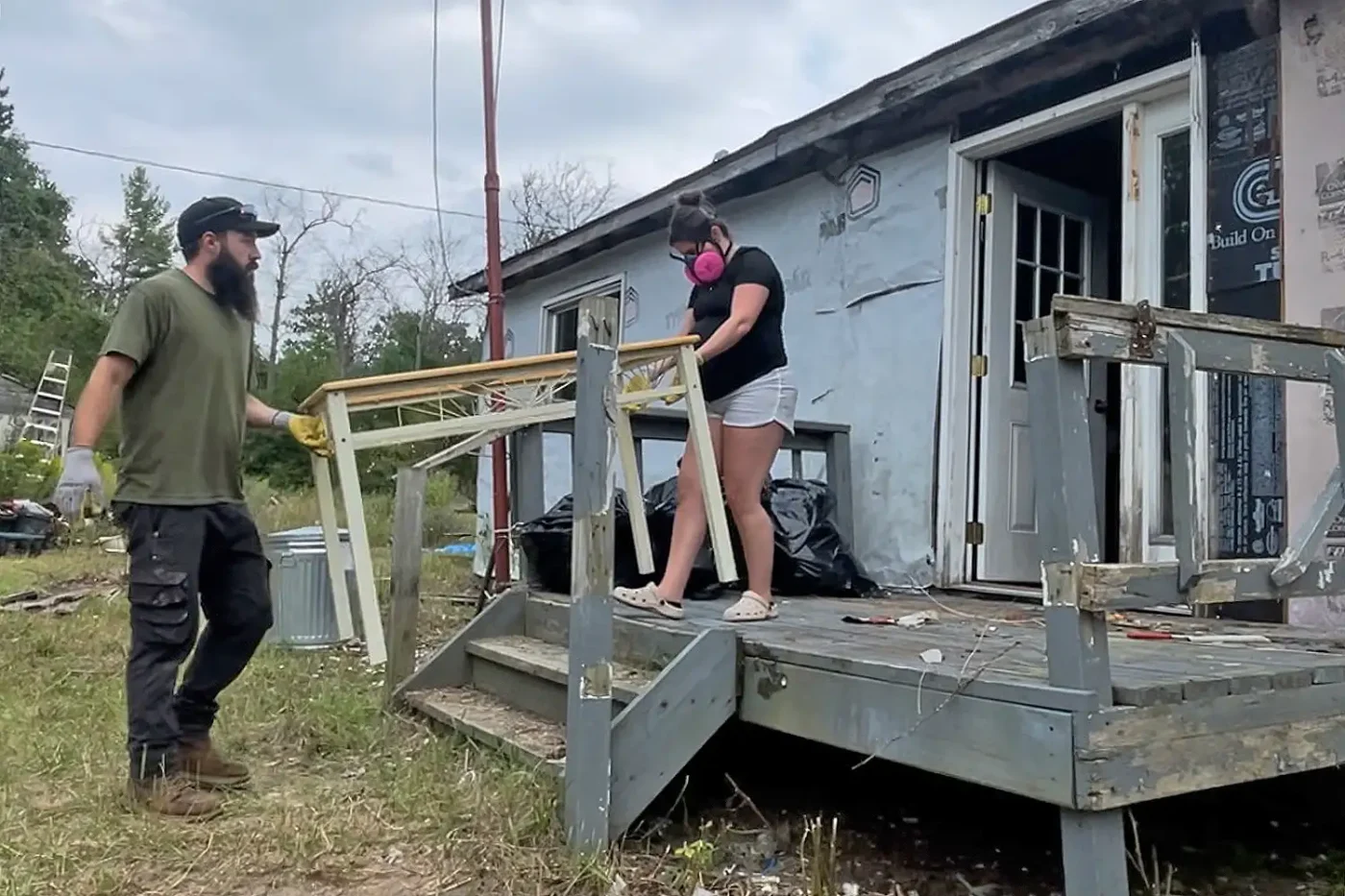
Fletch and Kristin during their home renovation project.
The Sight-Unseen Reveal: Rotting Groceries and Zero Mold
Walking through an abandoned tax auction house for the first time often uncovers severe structural failures. When the Fletchers stepped inside, their noses were hit first: the previous occupants had left behind six refrigerators full of spoiled food that had sat without electrical power for two years.
After hauling out heaps of rotting groceries and mountains of debris, the couple braced for the worst-case scenario. Instead, they uncovered an unexpected stroke of luck.
A widespread assumption in real estate auctions is that abandoned, siding-free properties hide catastrophic moisture damage and toxic black mold. In this case, the inspection reality defied the odds: every utility worked, the framing was structurally sound, and the interior was entirely free of mold.
“We were surprised at how good of shape it was actually in once we bought it and cleaned it out. All the utilities worked, the structural components were great, and no mold!”
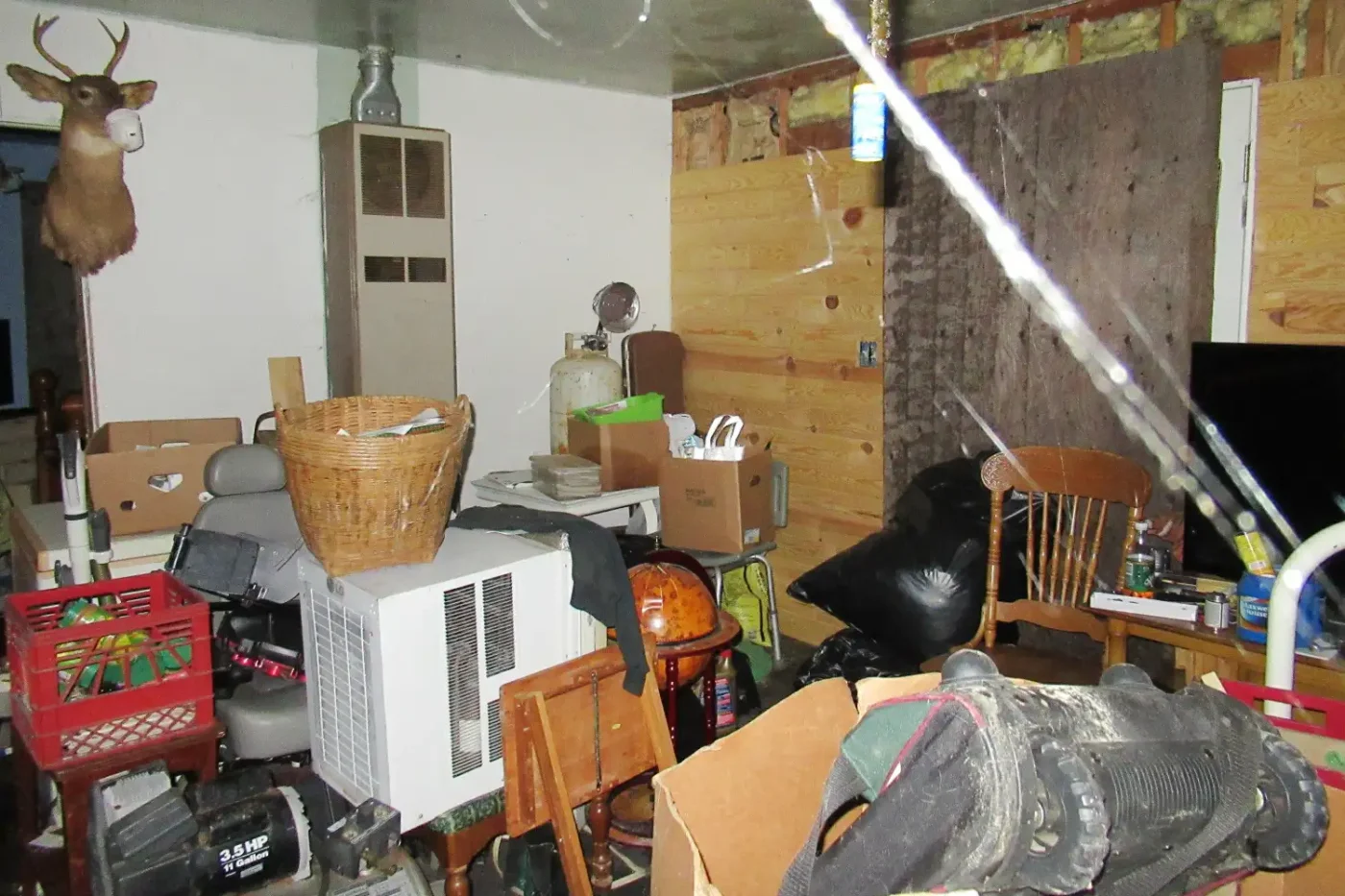
Renovation progress on the Michigan property.
Turning Sweat Equity into a Full-Scale Rebuild
The Fletchers originally mapped out a conservative $25,000 renovation budget. As structural repairs and material purchases added up, that figure climbed to just under $35,000, bringing their total investment to roughly $55,000.
Because their budget left no room for professional trades, hiring out framing, plumbing, or finish carpentry was out of the question. Kristin was pregnant when the purchase closed and later gave birth to their son, shifting the intense physical burden directly onto Thomas, known as “Fletch.”
Working room by room, Fletch tackled the exterior envelope, window installations, wall construction, interior doors, and new flooring entirely solo.
“Fletch did everything on his own. From the roof to the windows to the walls, to the floors, to the doors, room by room, he turned this into something beautiful.”
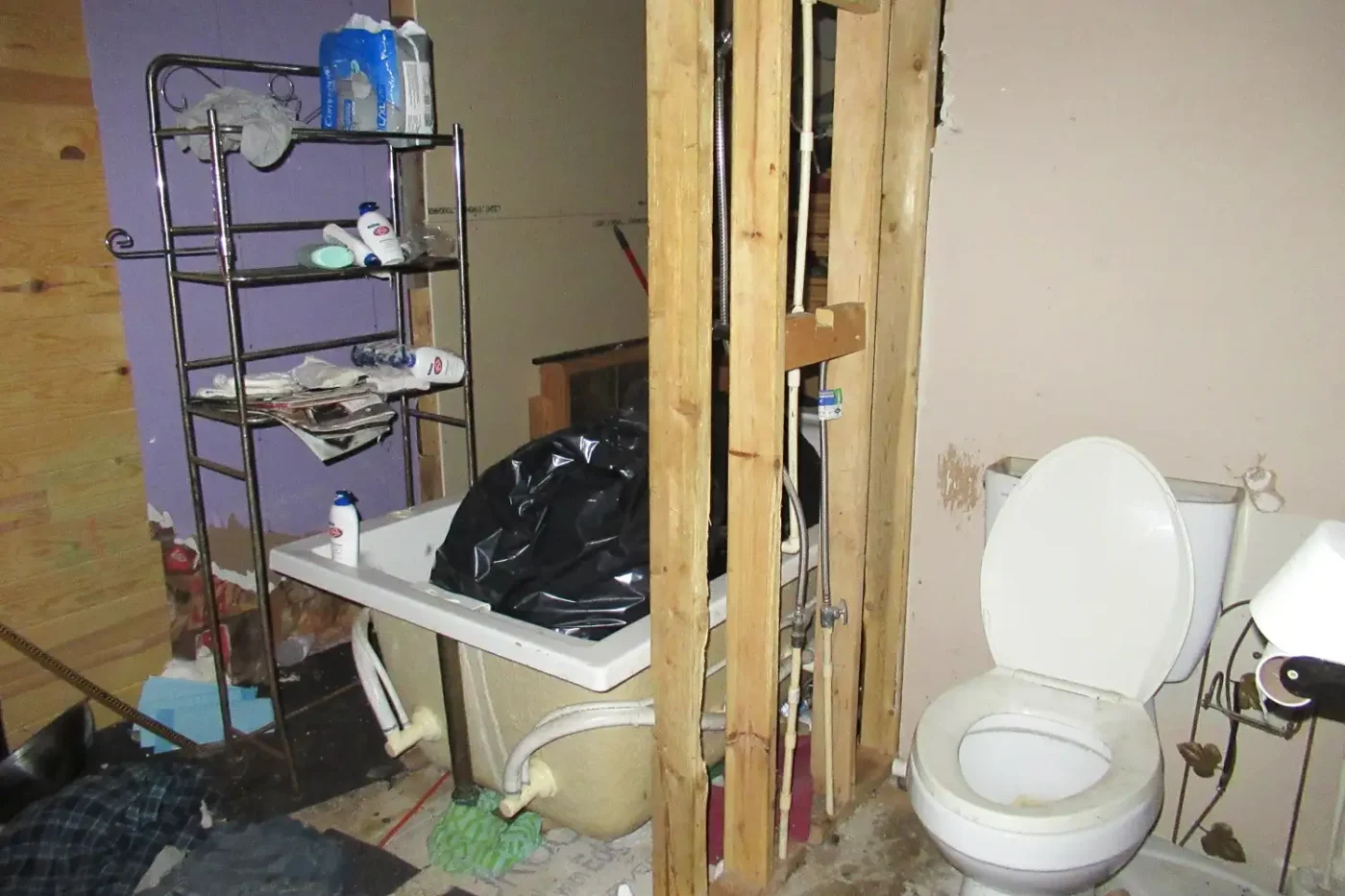
Interior remodeling underway during the solo DIY project.
Surviving a Michigan Winter Inside a Construction Zone
The rebuild spanned approximately eight months, stretching across a freezing Michigan winter. The couple typically spent those colder months in Florida, but the demands of the property kept them anchored north.
To eliminate daily commuting and stay together as a family with their newborn, they moved directly into the active construction site four months into the job. Living amid raw lumber and ongoing dust allowed Fletch to put in late-night labor without losing family time.
Once major framing and mechanical systems were dialed in, Kristin and the baby stepped away from the property to give Fletch room to handle landscaping, siding, and final trim.
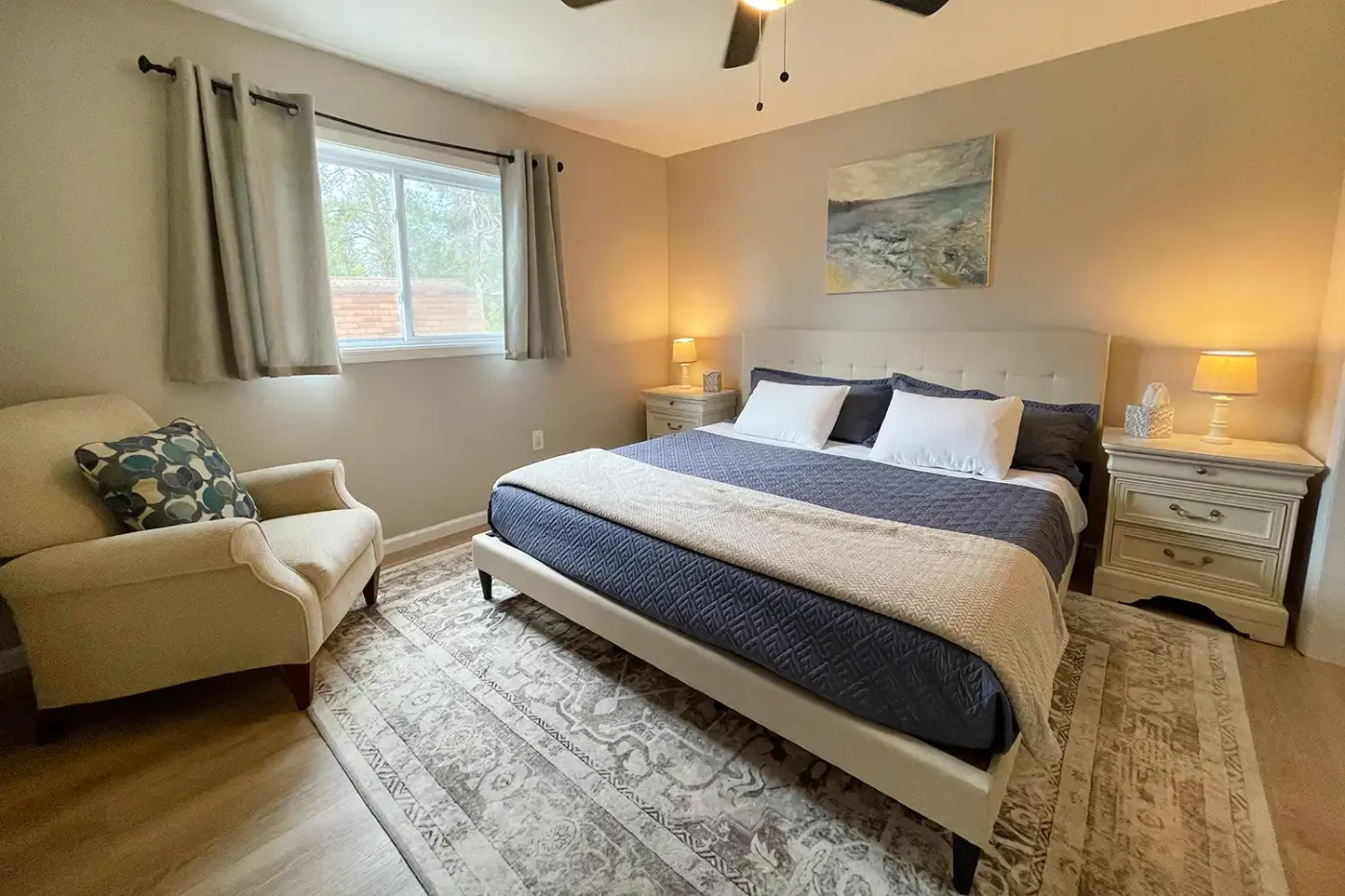
Completed living spaces inside the renovated cabin.
The Financial Realities of the Build
By relying entirely on personal labor, the couple avoided the costly contractor markups that often push entry-level real estate flips into negative equity. To complete the interior design, they paired essential retail purchases with thrifted decor to keep cash outlays low.
| Project Category | Financial Detail |
|---|---|
| Auction Purchase Price | $20,000 |
| Renovation Material Costs | Just under $35,000 |
| Total Capital Outlay | Just under $55,000 |
| Contractor Labor Expense | $0 (100% DIY) |
| Current Valuation Impact | Estimated at 10x purchase price |
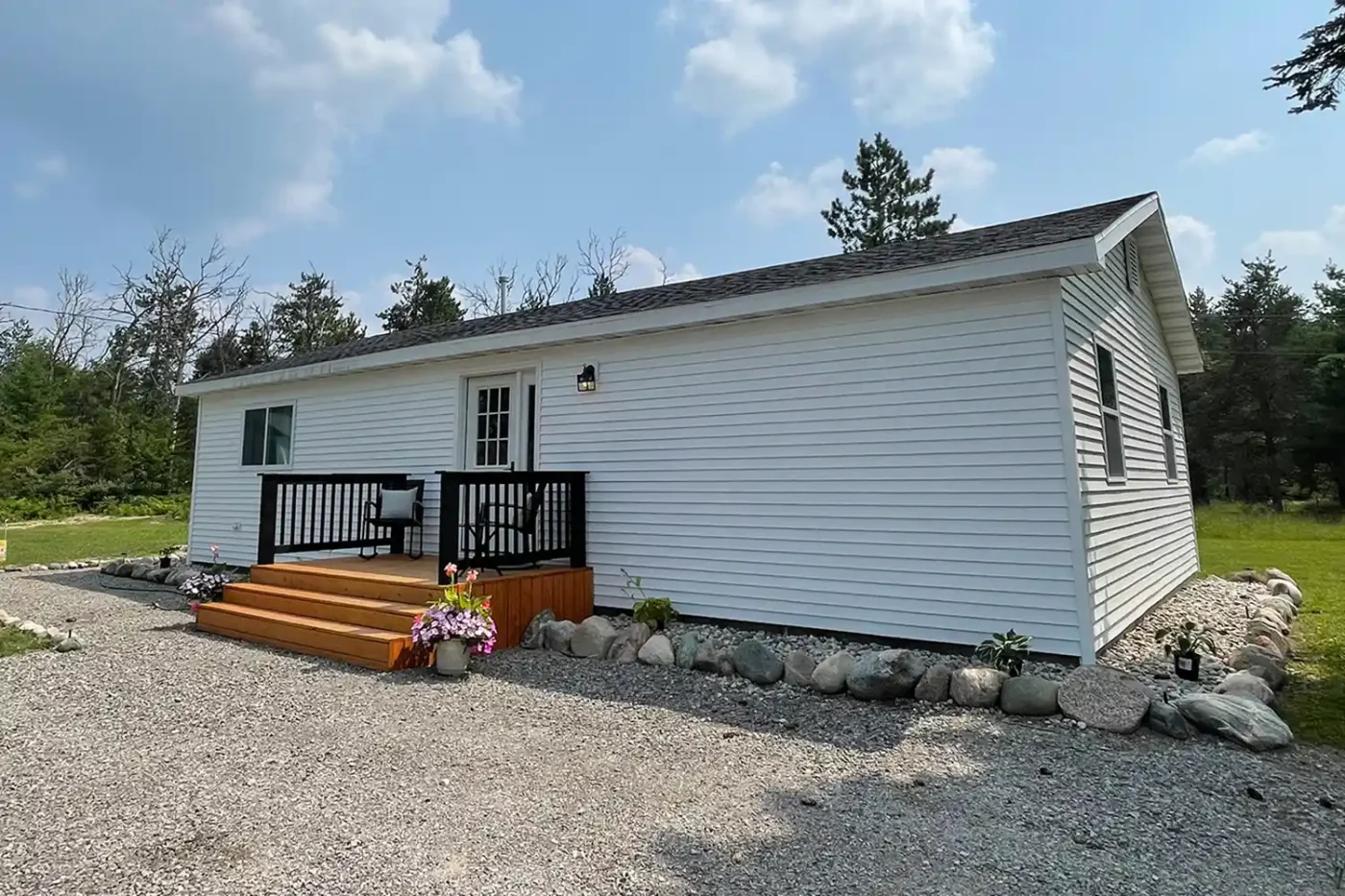
The completed exterior of the Fletcher family renovation.
Launching ‘The Comeback Cabin’ and Buying Round Two
Dubbed “The Comeback Cabin,” the renovated property opened its doors to short-term rental guests, validating months of cold-weather manual labor. The sweat equity invested into the structure pushed its market value well past its humble beginnings.
Rather than cashing out and stepping back, the couple dove straight back into the deep end. They acquired a second foreclosure property through an auction for just $8,500, preparing to apply the lessons learned from their first overhaul.
With firsthand knowledge of auction mechanics and structural salvage, their second run promises fewer surprises, even if the manual labor remains just as demanding.
💬 Blind auction buys carry real financial danger, but calculated sweat equity can bridge the gap when traditional housing feels completely out of reach.
✨ The Fletchers turned six ruined fridges, an uninsulated frame, and $55,000 into a six-figure real estate asset through pure grit.
📱 With their $8,500 follow-up property now in the pipeline, the couple is actively proving their first home run was not a one-off fluke.
👇 Would you ever bid on an uninspected tax auction house? Let us know in the comments below!
 1
 2
 3
 4
