
A Fake Sweepstakes Call Cost a Florida Senior $25,000 After a Flight Attendant Flew to Her Home and Hijacked Her Apple Card

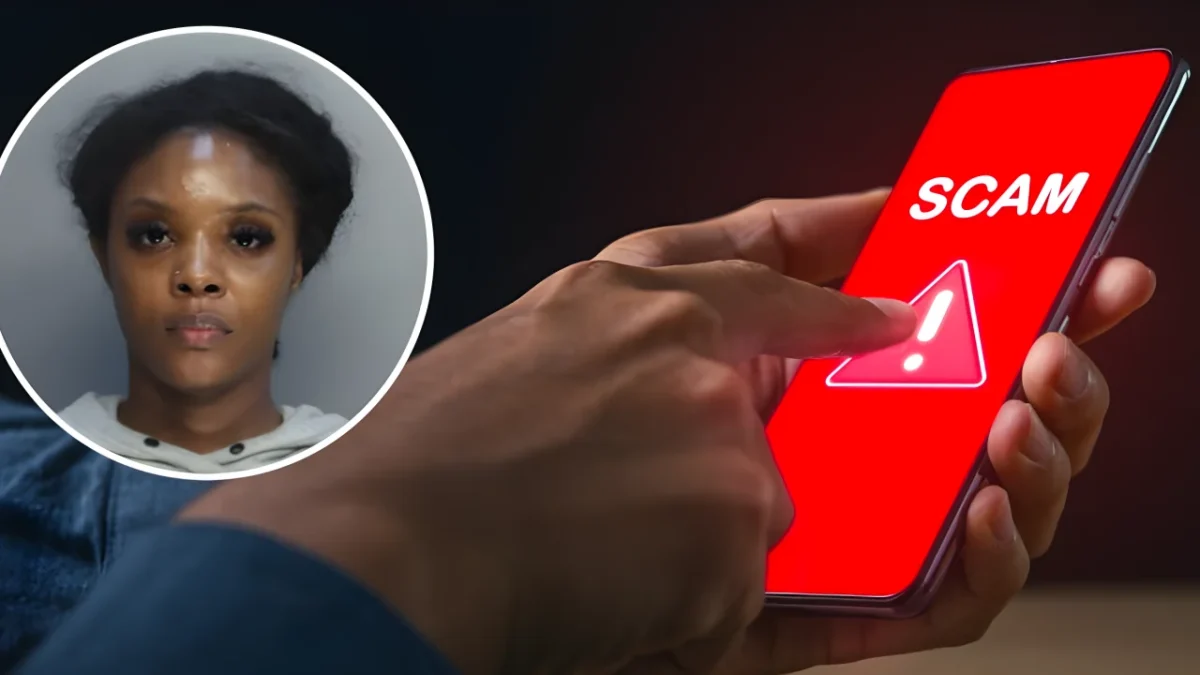
A 75-year-old Florida homeowner lost more than $25,000 after an elaborate sweepstakes scam escalated from a routine phone call into an in-person home infiltration. Investigators say a 24-year-old New York flight attendant exploited airline standby privileges to fly directly to the victim’s doorstep, gaining unauthorized control over the senior’s Apple Card account.
The scheme ended when authorities intercepted the suspect at Miami International Airport following an international flight. The case exposes how predatory imposter scams are moving beyond overseas call centers and turning into high-touch physical operations.
The Anatomy of a $25,000 Imposter Scheme
The operation began with a classic phone lure. A caller posing as a representative from Publishers Clearing House notified the Palm Coast resident that she had won a major prize. To unlock the payout, the caller instructed her to mail a $500 retail gift card to an address in Brooklyn, New York.
Concurrently, the victim found herself locked out of her primary email account. Investigators with the Flagler County Sheriff’s Office revealed that the perpetrator altered the account password and rerouted communications through a lookalike email address.
Within days, the financial demands escalated rapidly. The victim withdrew over $14,000 from her personal bank account, with $14,220 funneled directly to suspect Destiny Blake through cash drop-offs and digital Zelle transfers.
Then came the physical breach.
“Legitimate sweepstakes don’t charge winners to collect a prize. If someone asks for a gift card, cash, a wire transfer, or your financial information, you can be pretty confident that the prize isn’t what they say it is.”
From Standby Flights to an In-Person Infiltration
Blake allegedly tapped into her American Airlines employee travel perks to fly standby from New York to Daytona Beach. She then booked an Uber to a local hotel in Palm Coast.
The following morning, an Uber dropped Blake off at the 75-year-old victim’s home. She spent approximately 15 minutes inside the residence before leaving.
During that brief window, Blake became an authorized user on the senior’s Apple Card. A relative later uncovered a handwritten script left in the house explicitly directing the victim to contact her financial institution and claim Blake was her granddaughter who had full permission to spend.
Over the subsequent weeks, authorities logged 88 separate unauthorized transactions totaling $10,590.30. The purchases spanned high-end retail, including:
- Direct charges for Apple hardware products
- An eBay order shipped to Blake’s residence in Brooklyn
- T-Mobile mobile phone bills and Ugg apparel purchases
- Personal salon services and repeated Uber rides
In total, the victim suffered $25,310 in documented losses before the unauthorized activity was halted.
Myth vs. Reality: The Mechanics of Prize Claims
Elder fraud operations rely on convincing administrative illusions. Victims frequently mistake high-pressure instructions for legitimate regulatory protocols.
| Widespread Misconception | Documented Reality |
|---|---|
| Sweepstakes winners must pay processing fees or taxes before funds are released. | The Federal Trade Commission (FTC) states authentic prize contests never require upfront fees or gift cards. |
| Adding an authorized user shares account debt equally between both parties. | The primary account holder remains legally responsible for 100% of the charges incurred. |
The Dangerous Fine Print of Authorized Users
Adding someone as an authorized user gives them the ability to swipe their own card, but it leaves all legal liability on the primary owner. The credit line belongs exclusively to the original account holder, meaning every charge appears on the same monthly statement.
While families often use this feature to build a teenager’s credit profile or share household expenses, scammers leverage it to siphon thousands without opening new accounts under their own names.
The Federal Trade Commission stresses that prize issuers will never demand secondary account access. If an outside party urges you to alter your credit agreements to process a payout, immediate intervention is mandatory.
Critical Steps to Safeguard Financial Accounts
- Hang up on fee-based prize notifications: Authentic lottery organizations never request wire transfers, cash deliveries, or prepaid gift cards.
- Verify through independent channels: Never dial numbers provided in handwritten notes or incoming text alerts; look up the official contact details printed directly on the reverse side of your physical credit card.
- Establish family financial safeguards: Monitor older relatives’ banking accounts for sudden lookalike email redirects, unexplained Zelle activity, or unexpected digital wallet additions.
Blake was taken into custody on felony warrants charging her with grand theft over $20,000, organizing a scheme to defraud a victim aged 65 or older, and fraudulent use of personal identification of an individual 60 or older. She was subsequently released on a $30,000 bond pending trial proceedings.
💬 Imposter schemes targeting household finances continue to exploit personal credit lines and family relationships.
📱 Keeping close tabs on account notifications and authorized user alerts remains the strongest defense against sudden exploitation.
👇 Have you or an older relative encountered aggressive prize phone calls recently? Let us know in the comments below.
 1
 2
 3
 4
