
Why Daylight Saving Time Won’t Die: The Real Reason America Is Still Trapped in the Biannual Clock Change

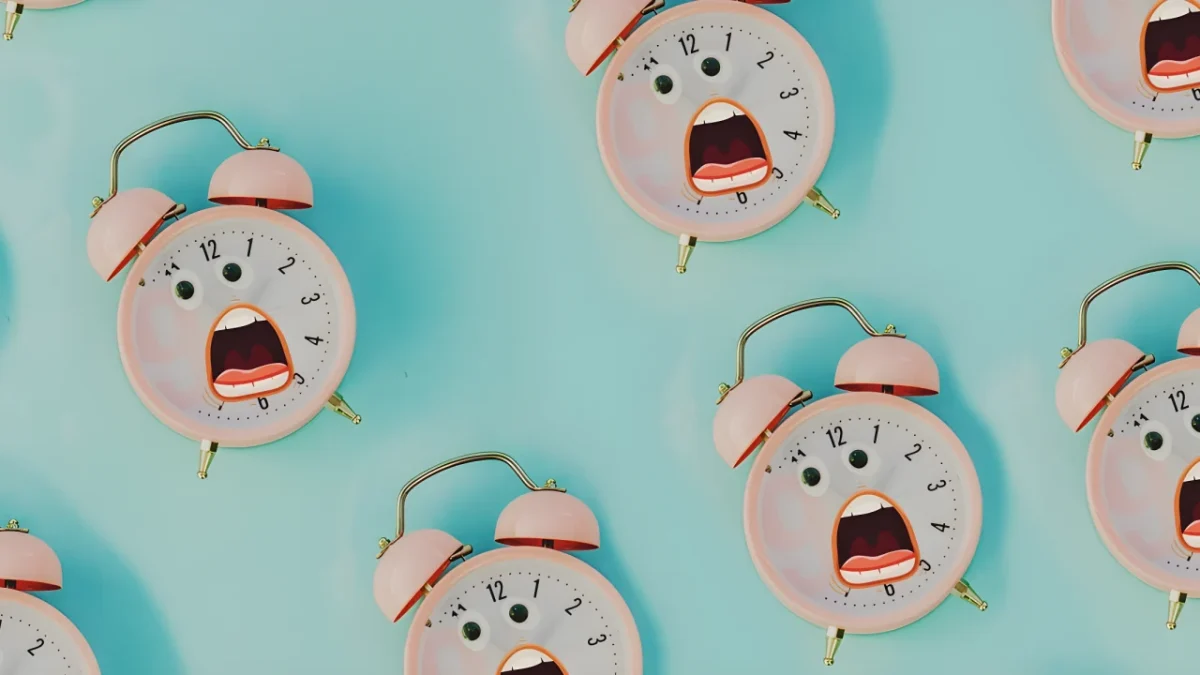
Every biannual time change sparks the same intense debate across America, yet federal law continues to keep the country locked in a cycle of switching clocks back and forth. Despite overwhelming public exhaustion, the push to make daylight saving time permanent remains completely paralyzed in Washington.
The core roadblock is not a lack of interest, but an irreconcilable conflict over which clock to lock: the evening sun favored by retail commerce, or the morning light required for human health. While states have pushed hard to end the disruption, federal inaction keeps the nationwide ritual alive year after year.
That persistent stalemate leaves millions of Americans facing disrupted routines, darker morning commutes, and the recurring shock of a shifting schedule every spring and fall.
The Bipartisan Push to “Lock the Clock”
Discontent with resetting clocks has reached the highest levels of the federal government. The United States Senate took historic action by passing the Sunshine Protection Act, aiming to make daylight saving time our permanent reality.
Lawmakers from both sides of the political aisle have pushed aggressively to abandon the twice-a-year disruption entirely.
“This ritual of changing time twice a year is stupid. Locking the clock has overwhelming bipartisan and popular support. This Congress, I hope that we can finally get this done.”
Former President Donald Trump also signaled support for ending the practice, labeling the biannual time shift both “inconvenient” and “costly.” Across the country, at least 19 state legislatures have passed resolutions or legislation seeking year-round daylight saving time, according to the National Conference of State Legislatures.
Yet state-level victories mean nothing without federal intervention. Current federal law prohibits individual states from adopting year-round daylight saving time without an act of Congress, leaving state resolutions completely powerless.
The Hidden War: Retail Profits vs. Public Sleep
The push to alter how America tracks time is heavily influenced by powerful economic forces. When the sun stays out longer in the evening, consumer spending habits shift dramatically.
Retailers strongly support year-round daylight saving time because prolonged evening daylight encourages people to leave home after work. Research confirms that consumer activity drops noticeably when clocks fall back, hitting grocery stores, malls, and fuel stations directly.
The Disputed Myth of Massive Energy Savings
For decades, proponents claimed that shifting the clock yields massive energy reductions across the country. That assumption has faced increasing skepticism from economic and policy analysts.
Nick Loris, an economist and VP of public policy at C3 Solutions, noted that while longer daylight reduces household lighting demands, modern consumer behavior cancels out those benefits. When people drive to restaurants or shopping centers during brighter evenings, gasoline consumption rises.
Furthermore, energy-efficient appliances have slashed everyday household electricity consumption, making the traditional conservation argument largely outdated.
| Proposed System | Documented Public & Economic Trade-Offs |
|---|---|
| Permanent Daylight Saving Time | Delivers more evening sun to curb seasonal distress and boost retail spending, but causes pitch-black winter mornings that create commuter and student safety hazards. |
| Permanent Standard Time | Provides natural morning daylight aligned with circadian biology, favored by sleep physicians, but brings early evening darkness that depresses retail commerce. |
Why Medical Experts Push for Standard Time Instead
While retailers and sunshine advocates lobby for permanent evening light, health authorities strongly disagree with their approach. Medical consensus highlights serious safety risks when daylight is forced into later hours.
Dark winter mornings create dangerous hazards for commuters and school-aged children heading to bus stops in pitch-black conditions. Parents have repeatedly voiced strong safety concerns regarding morning travel under extended daylight schedules.
“Current evidence best supports the adoption of year-round standard time, which aligns best with human circadian biology and provides distinct benefits for public health and safety.”
According to the American Academy of Sleep Medicine, standard time is the only system that properly mirrors natural human biology. Pushing morning darkness later into the day disrupts natural internal rhythms, while standard time protects essential circadian functions.
Only two states—Arizona and Hawaii—currently avoid the biannual disruption by choosing to remain on permanent standard time throughout the entire year.
Why Washington Stalls Every Single Year
The legislative effort to resolve the time change issue reliably hits an invisible wall in the House of Representatives. Despite quick Senate momentum, the Sunshine Protection Act failed to cross the finish line.
The debate routinely explodes for two weeks every spring and autumn, dominating social media feeds and news broadcasts. But once communities adjust to the time shift, congressional urgency completely evaporates.
Because retail lobbies want permanent daylight time while medical groups demand permanent standard time, lawmakers find themselves trapped between opposing factions. Until Congress chooses one specific schedule over the other, the nation remains anchored to its biannual routine.
💬 The biannual time debate shows no signs of disappearing as long as federal legislation remains stalled on Capitol Hill.
✨ Until lawmakers break the deadlock between evening sunshine and morning health, Americans will continue resetting their clocks every spring and fall.
📱 Do you prefer permanent daylight saving time or permanent standard time? Drop your thoughts in the comments below.
 1
 2
 3
 4
