
Archaeologists Unearth a 2,000-Year-Old Wooden Chest in Pompeii Packed With 38 Bronze Coins and an Intricate Child Talisman

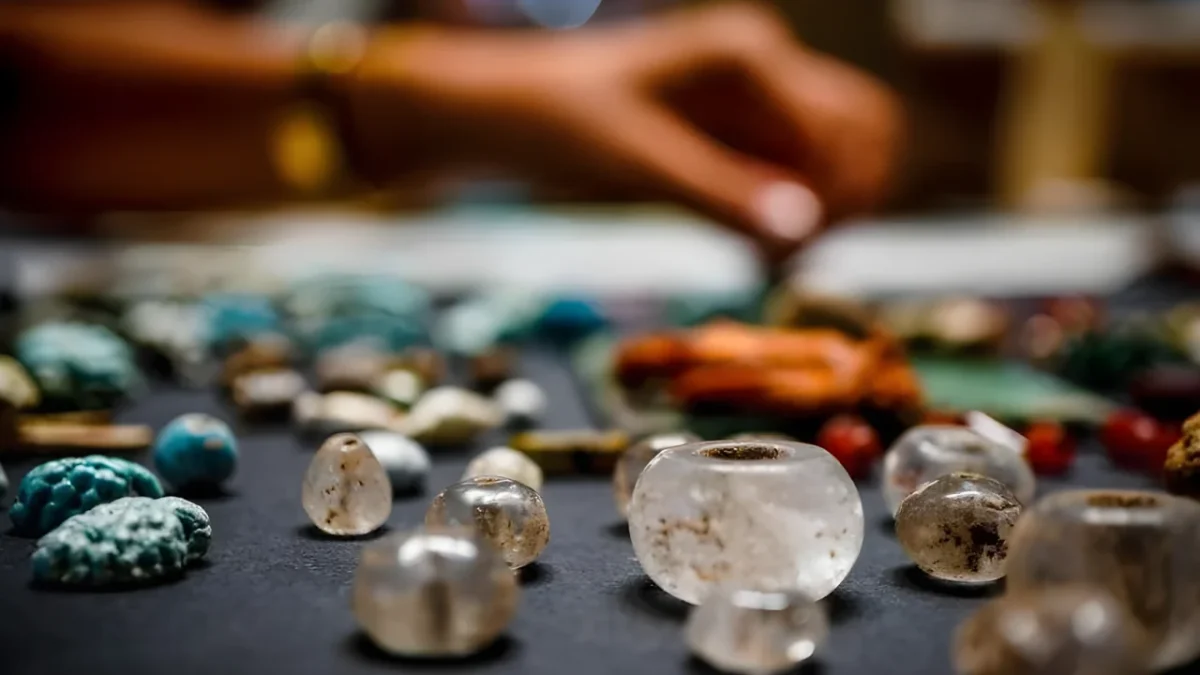
Archaeologists excavating the ruins of ancient Pompeii have unearthed a 2,000-year-old wooden storage chest packed with untouched household treasures, including 38 bronze coins, luxury cosmetic tools, and an intact protective child’s necklace. Sealed under thick layers of volcanic ash since Mount Vesuvius erupted in 79 AD, the container offers a rare glimpse into the possessions a family abandoned in their final moments.
The discovery was made in a residential property situated along the Via dell’Abbondanza, historically recognized as one of the busiest thoroughfares in the commercial heart of the ancient city.
While the residence is traditionally associated with a Roman citizen named Cornelius Maxim, researchers note that the definitive ownership of the estate remains unconfirmed.
Untouched Relics Sealed Under Volcanic Ash
Although the original wooden cupboard did not survive completely intact, excavators successfully reconstructed its form from structural fragments and the precise positions of the items left inside.
The contents reveal that the piece of furniture functioned as both a storage unit for daily grooming essentials and a safe repository for domestic valuables.
Among the personal hygiene and beauty artifacts, excavators retrieved a pair of fine tweezers, an instrument engineered for grinding and blending cosmetic pigments, an incense burner, and an intact glass vial designed to store perfume or scented oils.
Surrounding the cabinet lay ceramic and glass tableware, standard cooking pots, an oil lamp crafted from bronze, and a decorative jug adorned with a raised pine-scale relief.
“Such discoveries enable us to study not only architecture and works of art, but also people’s everyday habits, work and personal memories,” stated Gabriel Zuchtriegel, director of the Archaeological Park of Pompeii.
Commercial Secrets and Daily Challenges
Beyond domestic grooming tools, the team recovered a wooden box filled with lead weights, directly linking the home’s occupants to active trade and measurement practices in the bustling market district.
Excavations also uncovered physical evidence of structural renovation work underway shortly before the volcanic disaster struck.
In an unexpected find, researchers discovered the preserved skeletal remains of two young mice trapped inside an ancient amphora, highlighting the sanitation challenges urban Romans confronted daily.
| Discovered Object | Archaeological Significance |
|---|---|
| 38 Bronze Coins | Emergency funds left behind in a woven basket during the 79 AD evacuation. |
| 24-Amulet Necklace | A protective rattle-charm (crepundia) made of bone, glass, and rock crystal. |
| Box of Lead Weights | Direct material proof connecting the household to commercial trade. |
| Cosmetic Mixing Tool & Tweezers | High-status personal grooming items used for preparing cosmetic pigments. |
| Glass Perfume Bottle | Luxury personal care container preserved beneath the pumice layers. |
The Mystery of the Protective Child Talisman
The most distinctive find inside the cabinet is an intact necklace constructed from at least 24 individual amulets.
Crafted from bone, faience, rock crystal, and glass paste, the charms feature intricate carvings representing Roman and foreign deities alongside symbolic natural icons:
- Figures of the Roman god Mercury, associated with commerce and travel.
- Depictions of the Egyptian deity Bes, revered as a domestic guardian of children and mothers.
- Miniature carved human hands and feet.
- Symbols of abundance and nature, including pine cones and bunches of grapes.
In ancient Roman custom, such charm necklaces were classified as crepundia. Parents gave them to young children as protective wards against illness and misfortune.
These pieces also served a practical purpose: the trinkets produced a distinct chiming sound as the child moved, allowing adults to track their whereabouts around the home.
Separating Fact From Fiction in Pompeii’s Disaster
A widespread misconception is that Roman valuables preserved in Pompeii were deliberately buried underground in secret vaults to hide them from thieves.
In reality, this Pompeii treasure chest was a standard piece of household furniture standing in a living area, demonstrating that the residents were caught completely off-guard by the catastrophe.
The 38 bronze coins were stored inside a woven basket made from organic plant fibers, indicating they were kept readily accessible for day-to-day transactions rather than buried for safekeeping.
Whether the occupants successfully escaped without their life savings or perished in the violent pyroclastic surges remains an open historical question.
What remains clear is that the rapid accumulation of volcanic ash froze an authentic snapshot of middle-class Roman life that survived undisturbed for almost two millennia.
✨ Discoveries like this show how thin the line was between ordinary daily life and complete preservation in the ancient world.
💬 The blend of Egyptian and Roman gods in a single child’s talisman proves how culturally connected Pompeii really was.
📱 Drop your thoughts in the comments below: do you think the owners managed to escape with their lives, or were they overtaken before they could return for their savings?
 1
 2
 3
 4
