
Audi Pours $4 Billion into a Massive American SUV Plant in Georgia Even as Parent Giant Volkswagen Slashes 100,000 Jobs Worldwide

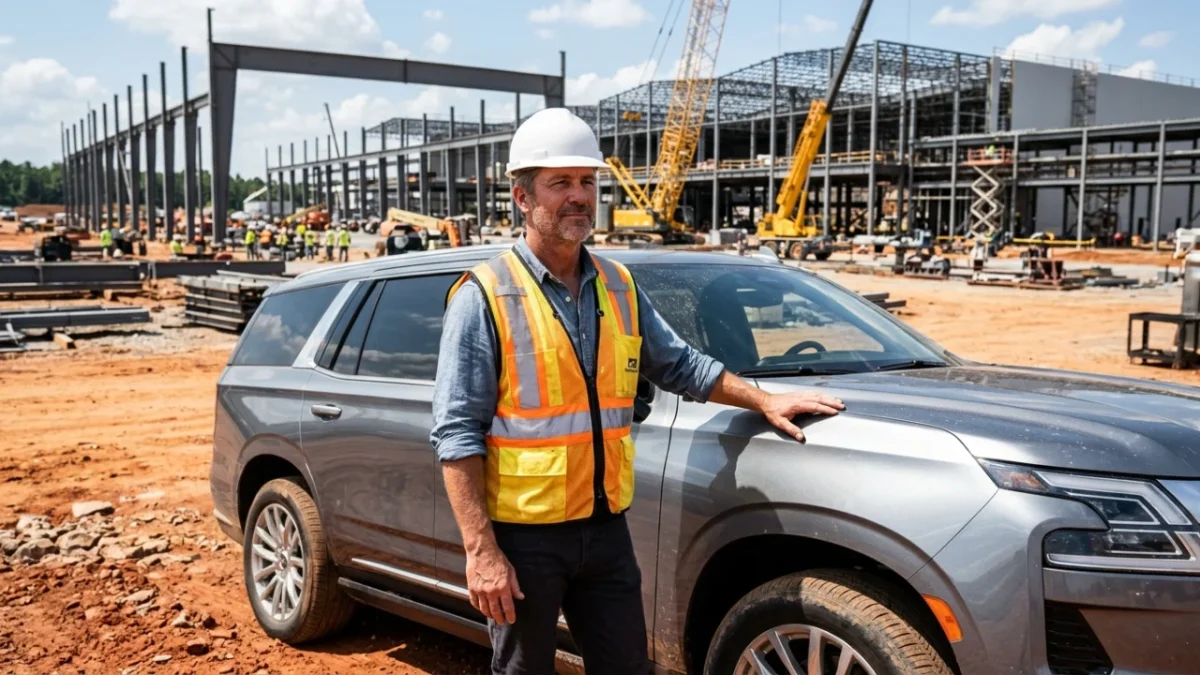
Audi is committing up to $4.2 billion to construct an expansive new SUV manufacturing plant in Georgia, defying brutal cost-cutting across its parent company to establish a permanent industrial foothold on American soil.
The aggressive expansion represents a dramatic geographic pivot for the Volkswagen Group. While luxury assembly prepares to break ground in the American South, the automotive conglomerate is dismantling operational capacity across Europe at a scale unseen in modern corporate history.
Behind the multi-billion-dollar American bet lies an escalating crisis in Wolfsburg.
The Transatlantic Divide: Billions for America, Austerity for Europe
The decision to build Audi sport utility vehicles directly in Georgia comes in response to steep trade tariffs and shifting commercial fortunes that have hammered imported German luxury marques. By localising assembly within the United States, the brand secures immediate shelter from import duties while attempting to catch up with domestic manufacturing rivals.
BMW and Mercedes-Benz have operated vast, highly profitable assembly hubs in the US for decades. Volkswagen itself currently produces only the Atlas SUV at its facility in Chattanooga, Tennessee, leaving its high-margin premium brands exposed to sudden trade barriers.
Establishing full-scale manufacturing in Georgia marks the German luxury badge’s most decisive push into US production since corporate sister operations attempted manufacturing in Pennsylvania decades ago.
Yet the capital expenditure contrasts sharply with the group’s global balance sheet.
- A plunging bottom line: Volkswagen Group saw its operating profit collapse from €22.6 billion in 2023 to €8.9 billion in 2025, with expectations for the current year dropping by an additional half.
- Drastic factory closures: The company is proposing to shut as many as four factories across Germany to eliminate surplus domestic capacity.
- A global headcount purge: Executive leadership plans to eliminate up to 100,000 jobs globally over the next four years, alongside domestic reductions of 50,000 staff.
- Radical portfolio trimming: Plans are underway to discontinue half of the entire existing vehicle model lineup to lower overhead expenses by €11 billion.
These severe measures are aimed at generating €20 billion in savings across the entire value chain through 2030.
Labour Clashes and the Battle Over Cancelled Contracts
The domestic cost-cutting push has triggered fierce pushback from organised labour in Germany, setting up a confrontation with direct consequences for international operations.
Volkswagen leadership terminated existing wage provisions agreed with powerful union IG Metall, ending terms that governed holiday allowances, working hours, and wage baselines for over 100,000 German employees. Human resources director Arne Meiswinkel insisted the action was critical to keep the enterprise solvent, noting that deteriorating financial realities required immediate structural adjustments.
Union leaders have responded with fury.
IG Metall negotiator Thorsten Groeger labelled the move an intolerable blow to the workforce, warning that full industrial action will commence once contractual no-strike obligations expire. The union set a firm deadline of 31 October for management to withdraw its termination notice.
Formal collective bargaining sessions are scheduled to open in Emden on 24 November, with a secondary negotiation round slated for 15 December in Zwickau.
A Worldwide Pay Freeze on 660,000 Workers
Works council leader Daniela Cavallo revealed that corporate executives plan to freeze the salaries of 660,000 personnel across the globe until 2030. Cavallo sharply criticised corporate leadership, demanding that top management bear responsibility rather than penalising shop-floor employees.
To soften the workforce reduction, company officials intend to lean heavily on voluntary departure packages and publicly funded external transfer schemes designed to retrain redundant staff for alternative employment markets.
While domestic operations face severe retrenchment, company representatives also clarified that foreign sites remain indispensable, confirming that manufacturing facilities in Mexico continue to represent a vital pillar in regional supply chains regardless of changing political rhetoric.
💡 For American drivers and automotive workers alike, the arrival of domestic Audi assembly highlights how international trade friction and market demand are pulling automotive investment directly into the United States, even as historical European manufacturing centres face unprecedented retrenchment.
🔍 As luxury production moves closer to domestic showrooms, consumers may see significant shifts in supply availability, vehicle specification, and dealership pricing across the popular SUV segment.
📌 The coming months will reveal whether the Georgia investment can insulate the brand from wider corporate turmoil, or whether labour disputes overseas will disrupt the broader roll-out.
👇 What do you think of Audi building its flagship SUVs on American soil while cutting tens of thousands of jobs overseas? Share your thoughts below.
 1
 2
 3
 4