
Bill Clinton Quotes the Quran in Florida to Confront Rising Religious Vitriol Across America: “I’m Tired of People Denigrating Muslims”

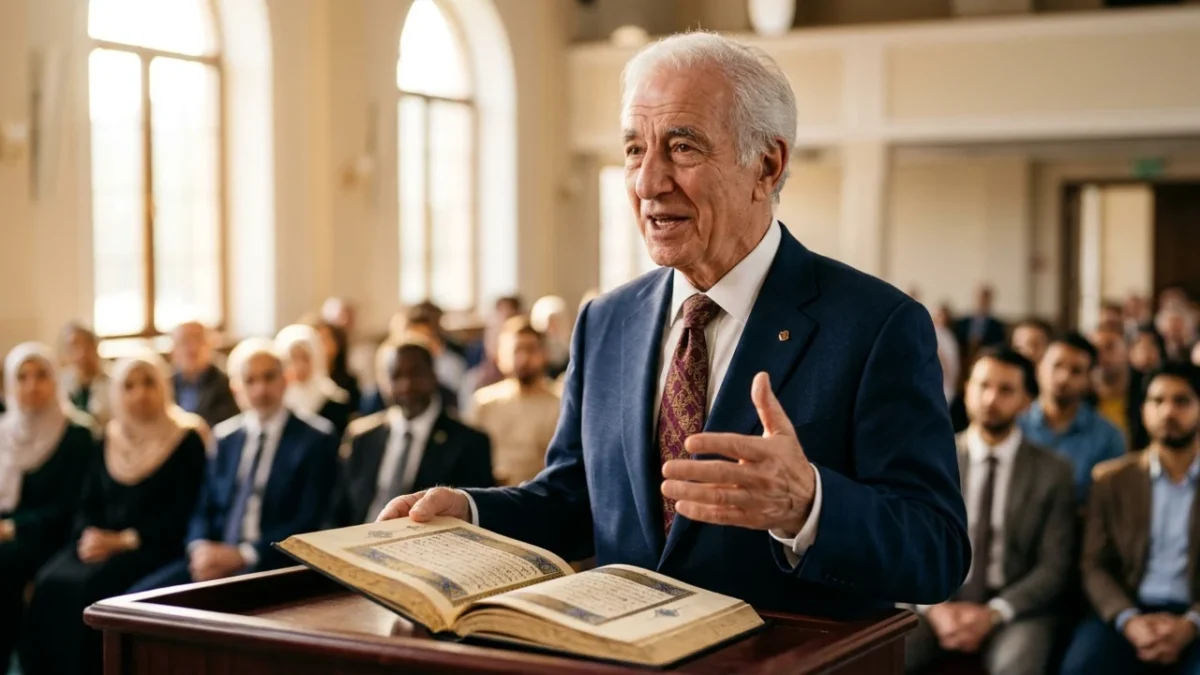
Former US President Bill Clinton took the platform at a Florida church gathering to mount an impassioned defence of Islamic communities, openly citing the Quran to confront surging anti-Muslim rhetoric across the American political landscape.
Speaking before a packed audience at the Koinonia Worship Centre during the “Multiple Faiths, One Florida” conference, the 42nd president delivered a blunt verdict on the country’s cultural climate.
“I’m tired of people denigrating Muslims for being Muslims,” Clinton said, challenging public figures who weaponise religious identity for partisan advantage.
The veteran statesman shared a personal narrative, revealing that his daughter, Chelsea Clinton, first introduced him to the Islamic holy book after reading it completely at the age of 15. Her deep interest in the text prompted him to study its pages himself.
The Scriptural Call for Understanding Over Hostility
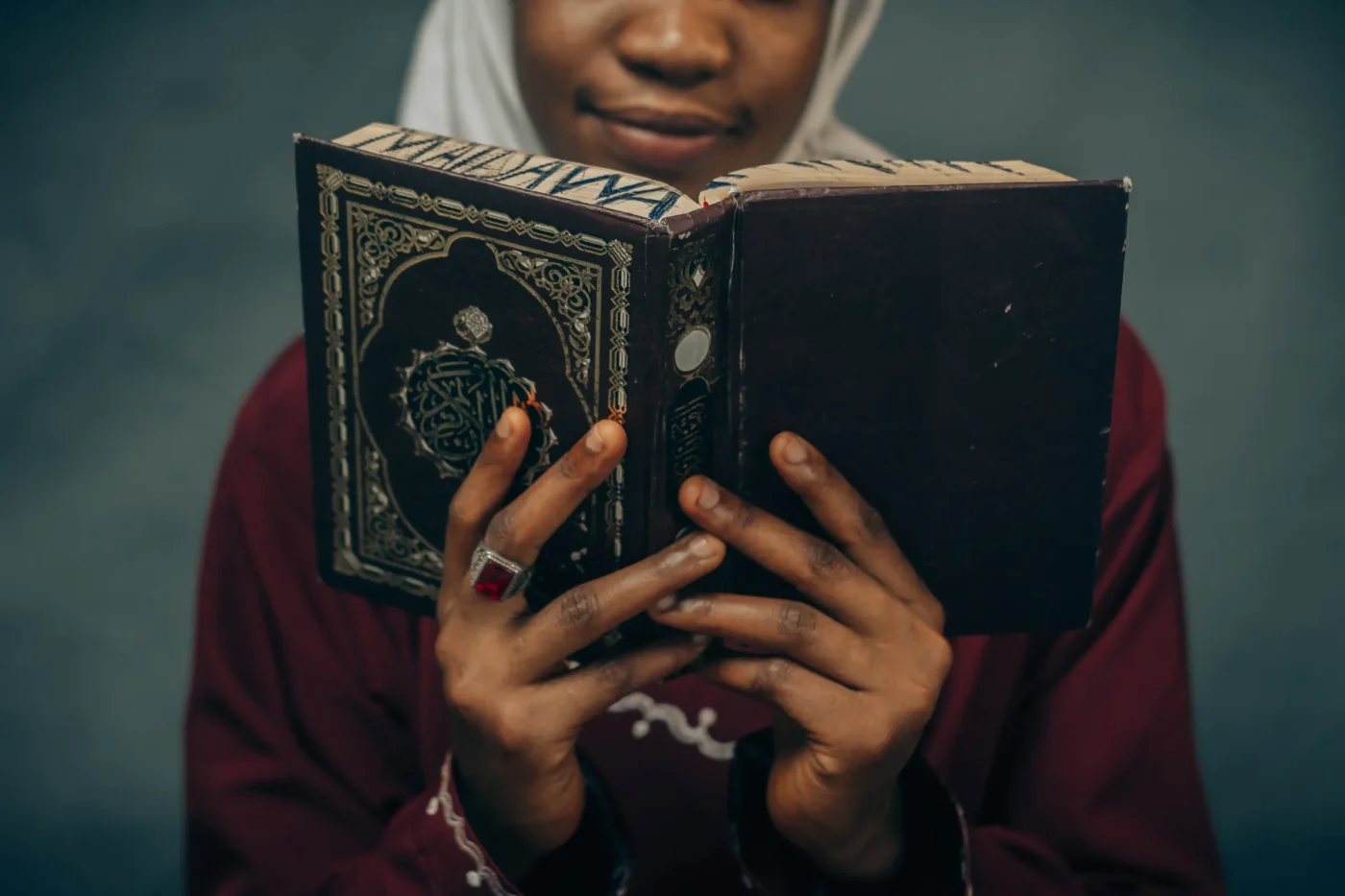
Addressing the interfaith assembly directly, Clinton grounded his critique in verse 13 of Surah Al-Hujurat, a pivotal chapter of the Quran that addresses universal human kinship.
The passage highlights that humanity was purposely fashioned into distinct peoples and tribes so that individuals might seek to know and learn from one another rather than foster division.
Clinton underscored that religious variance should serve as an open door for shared civic life, not an excuse for animosity.
“There are bad actors in every faith because we’re all flawed human beings,” he observed, reminding the congregation that no single tradition holds a monopoly on virtue or wrongdoing.
By contrasting the scripture’s message of coexistence with the current rhetoric circulating through campaign stops, Clinton positioned faith as a bridge rather than a political battleground.
Electoral Tensions and the Battle for Michigan

Clinton’s intervention lands at a volatile moment in American electoral politics, marked by sharp personal attacks against prominent Muslim leaders seeking high federal office.
Attention has centred on Michigan, where Democratic candidate Abdul El-Sayed is campaigning to secure a historic seat in the United States Senate.
If successful, the physician and former Detroit public health director would become the first Muslim ever elected to the upper chamber of Congress.
However, El-Sayed has faced relentless hostility from political rivals attempting to tie his candidacy to foreign ideological groups.
Former President Donald Trump recently inflamed the contest by using racially and religiously charged language against El-Sayed, publicly dubbing him “Mohammed” and branding him a “jihadist.”
El-Sayed has repeatedly rebuffed attempts to misrepresent his civic allegiance, firmly denouncing overseas fundamentalist factions, including the Egyptian-founded Muslim Brotherhood, while keeping his platform anchored to public health and domestic reform.
Key Dimensions of Clinton’s Interfaith Rebuke
- Direct Scriptural Grounding: Clinton utilised Surah Al-Hujurat (49:13) to demonstrate that the Quran intrinsically promotes mutual recognition among diverse societies.
- Universal Accountability: The former president insisted that moral failings exist across all global religions because human nature itself is imperfect.
- Rejection of Collective Guilt: The remarks directly targeted the practice of smearing entire religious groups over the actions of isolated extremists.
- Protection of Political Pluralism: The intervention provides heavyweight pushback against efforts to disqualify candidates based solely on their Muslim heritage.
Clinton maintained that the resilience of constitutional democracy depends on preserving the ability of citizens of all backgrounds to enter public service without having their faith weaponised against them.
He urged voters and civic leaders alike to view pluralism as America’s distinct advantage, arguing that hostility towards any group erodes the democratic foundation that protects every community.
💡 The clash highlights how faith representation remains one of the sharpest flashpoints in modern American campaigns.
🔍 As the contest for the US Senate intensifies, national figures are increasingly being forced to take a public stand on where legitimate political debate ends and religious discrimination begins.
📌 How communities navigate these debates will shape the boundaries of political participation for years to come.
👇 Do you believe interfaith interventions from veteran leaders like Bill Clinton can help bridge deep political divides? Share your view below.
 1
 2
 3
 4