
California Insurance Race Ignites: What Jane Kim’s $25 Billion Wildfire Public Option Actually Costs Homeowners

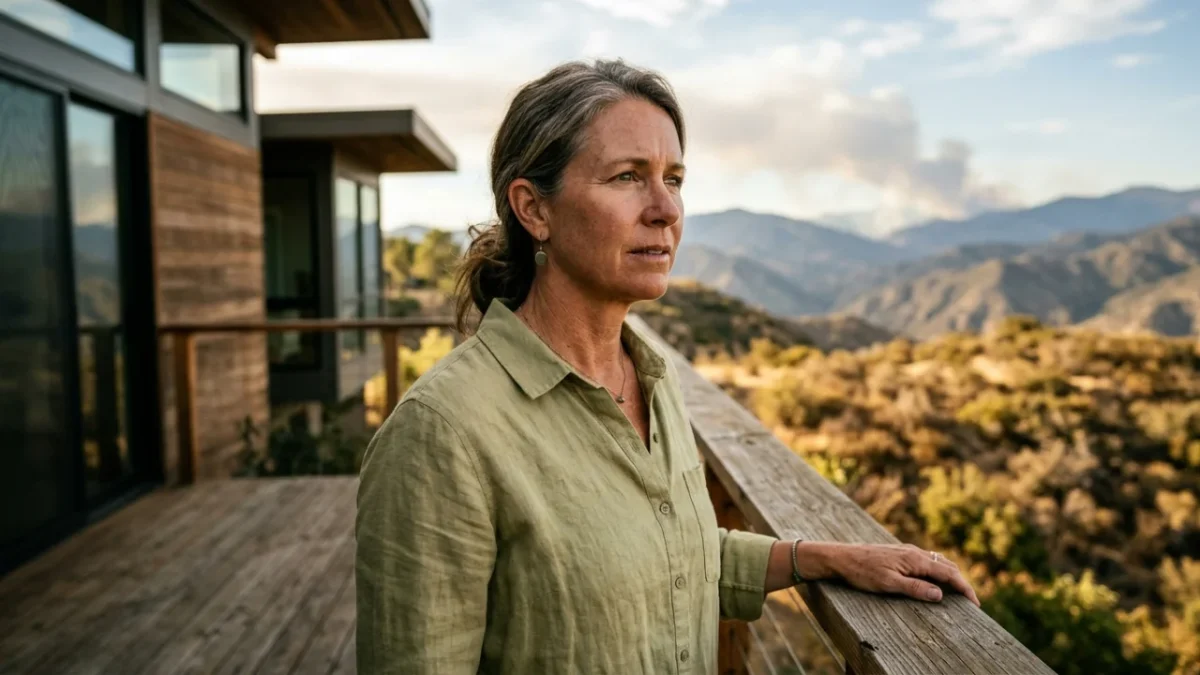
California insurance commissioner candidate Jane Kim has proposed a sweeping, state-backed wildfire insurance program to stabilize the state’s fractured property market, triggering a fierce clash over whether homeowners will face new mandatory fees. Under Kim’s blueprint, a state-run catastrophic pool backed by reinsurance would protect homeowners from carrier departures, costing policyholders an estimated $150 to $230 per year.
Her opponent in the statewide Democratic contest, state Sen. Ben Allen, has attacked the proposal, alleging the system could levy thousands in extra assessments against everyday residents. The dispute has turned the final stretch of the insurance commissioner election into an intense policy showdown over California pocketbooks.
Kim insists her rival is weaponizing raw projections to mislead voters about how catastrophic risk pooling actually works.
Inside the $25 Billion Blueprint: How the Public Option Works
Kim’s platform treats wildfire insurance as an essential public service rather than an unregulated private commodity. Her policy brief draws directly from a model studied by the California Earthquake Authority, outlining how a public entity could absorb severe fire risks that commercial insurers increasingly refuse to touch.
Under the proposal, private carriers would collect a wildfire premium from property owners and transfer it into a dedicated state-managed pool. The state would require roughly $25 billion in liquidity to cover claims resulting from a destructive wildfire year.
Two Tiers of Homeowner Premiums
Rather than charging a flat, punishing rate across the board, the Jane Kim wildfire insurance plan splits coverage into two distinct layers:
- Risk-Adjusted Primary Premium: One portion correlates directly to a property’s specific fire hazard score, rewarding homeowners who invest in structural hardening and brush clearance.
- Universal Catastrophic Pool: A secondary, smaller fee capped across all California policyholders to ensure the state fund can handle extreme, multi-county fires.
To keep the system solvent without tapping state general funds after a blaze, the program would purchase reinsurance on the global market at an estimated cost of $2 billion to $3 billion each year.
The Myth-Busting Clash Over the $2,000 Surcharge
A widespread misconception circulating through campaign advertisements suggests that Kim’s plan automatically hits every property owner with a $230 annual fee on top of an immediate $2,000 emergency surcharge. That portrayal conflates two mutually exclusive scenarios analyzed in the baseline fiscal study.
The state-run model outlines that an estimated $150 to $230 annual payment buys global reinsurance protection, which prevents massive assessments on consumers following a catastrophe. The $1,900 to $2,000 assessment represents an alternate, fallback scenario where the state chooses not to purchase reinsurance and experiences a once-in-a-century catastrophic fire season, spreading unpaid recovery costs across several years.
“Either he is being intellectually disingenuous, or he doesn’t know how to read a policy brief,” Kim said.
Allen’s campaign spokesperson, Joe Arellano, stood by the campaign’s original claims, arguing the financial exposure poses too great a risk to California homeowners already battling high living costs.
Comparing the Costs: Reinsurance vs. Direct Assessment
The core dispute centers on how the proposed state fund would handle major disaster payouts. The figures derived from state analyses highlight two very different cost paths:
| Funding Mechanism | Projected Homeowner Impact |
|---|---|
| Standard Reinsurance Model | $150 to $230 per year added to policies |
| No Reinsurance (Catastrophic Season) | $1,900 to $2,000 assessment spread over several years |
Campaign Finance Battles and the Race to November
While Kim champions a public option to counter carrier desertion, Allen advocates focusing heavily on physical wildfire mitigation, home hardening, and forest management to lower insurance risks naturally. Both candidates have sought to demonstrate total independence from corporate influence, trading sharp barbs over their mutual pledges to refuse donations from insurance industry executives and political action committees.
With thousands of residents trapped in non-renewals or pushed into high-cost temporary coverage, Kim’s bid to establish an aggressive public option has turned the typically low-profile insurance commissioner race into one of the most critical decisions facing California voters.
💬 The future of California homeownership could hinge entirely on which insurance vision wins out at the ballot box.
✨ Whether a state-backed public option can stabilize skyrocketing premiums remains a defining question for communities in high-risk burn zones.
📱 Do you support a state-run wildfire insurance pool, or should California rely on private market incentives? Drop your thoughts in the comments below.
 1
 2
 3
 4
