
California’s High-Stakes Clash Over Proposition 43: How the Battle Over Two-Thirds Voting Thresholds Could Reshape Local Tax Measures

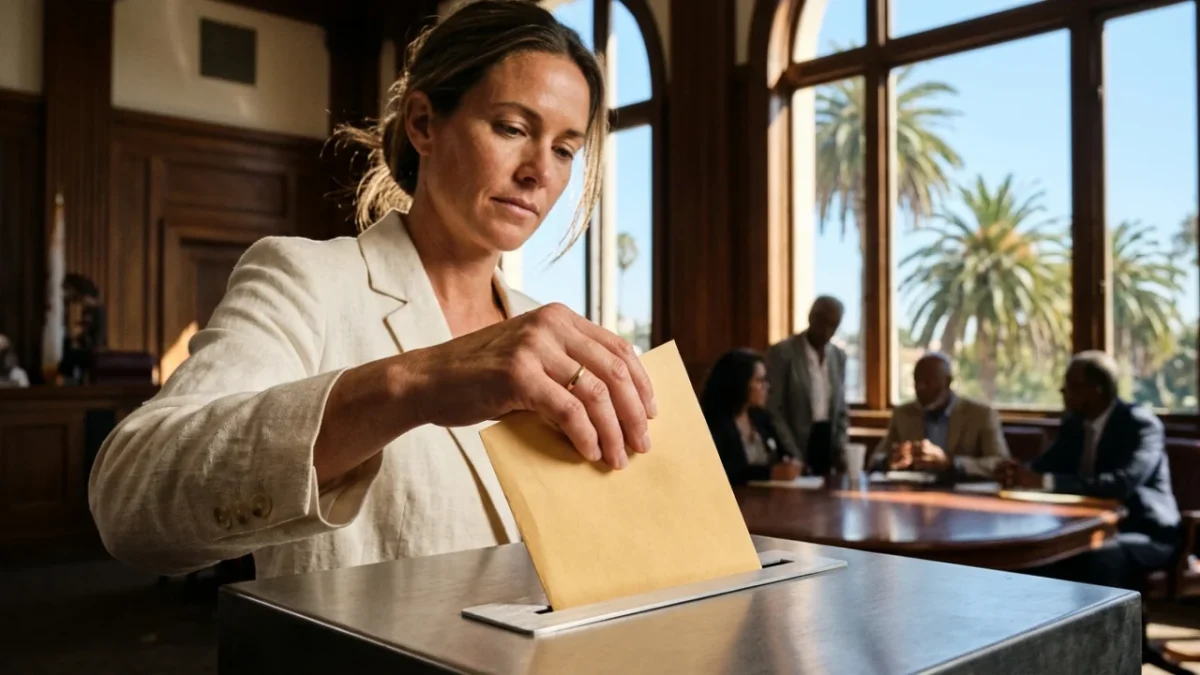
California voters face a pivotal decision on Proposition 43, a high-stakes ballot initiative designed to mandate a strict two-thirds supermajority vote for citizen-led local tax measures dedicated to specific public programs. Passing the measure would instantly lift the approval bar from a simple majority to 66.6%, fundamentally altering how cities, transit agencies, and school districts secure dedicated revenue.
The showdown centers on what qualifies as broad community consensus versus minority veto power. Under current regulations shaped by a 2017 California Supreme Court ruling, local special taxes put on the ballot by citizen signature petitions require only a 50% plus one vote to pass, whereas measures proposed directly by local elected officials require a two-thirds majority. Proposition 43 aims to eliminate that split standard entirely.
Campaign cash has poured into the fight from across the state, reflecting enormous financial stakes for commercial developers, taxpayer associations, and labor unions. The contest has turned into a $29.4 million financial duel over the future of local government finance.
The Battle Over the Two-Thirds Special Tax Hurdle
Supporters of the measure argue that the existing legal framework created an unfair loophole that allows special-interest groups to bypass long-standing constitutional tax safeguards. By organizing petition drives, campaigns can currently enact parcel taxes, sales surcharges, or real estate transfer taxes with a bare majority.
“I think it’s really wrong that a wealthy nonprofit can do things like that and be allowed to have a 50% plus one voter approval threshold,” said Becky Steinbruner, an Aptos resident and local policy advocate who supports Prop 43.
Opponents counter that requiring a 66.7% supermajority enables a minority of voters to block critical funding for urgent municipal services. When tight municipal budgets leave infrastructure and transit systems underfunded, civic groups frequently rely on citizen initiatives to fund local solutions.
Capitola City Councilmember Melinda Orbach warned that under the proposed rules, a clear public preference can be completely overturned:
Under Prop 43, if a tax won more than 50% approval but less than 66.6%, “the majority would lose.”
Tracking Campaign Contributions Behind the Measure
Campaign filings logged with the California Secretary of State reveal deep financial divisions between the business sector and public-sector labor organizations.
- Support Campaign ($17.5 Million Total): Backed primarily by the California Business Roundtable ($10.6 million), the Howard Jarvis Taxpayers Association ($1.0 million), Kilroy Realty, LP ($1.0 million), Douglas Emmett Properties ($1.0 million), and 1800 Capital, Inc. ($584,300). Additional endorsements include the California Republican Party and the California Taxpayers Association.
- Opposition Campaign ($11.9 Million Total): Led by labor unions and local governance coalitions, including SEIU California ($2.5 million), the California Professional Firefighters ($846,300), the California Teachers Association ($500,000), the North Coast States Regional Council of Carpenters ($500,000), and the Southern California Partnership for Jobs ($500,000). The coalition is joined by the California Democratic Party and the California State Association of Counties.
How Proposition 43 Modifies Voting Requirements
The core mechanism of Proposition 43 targets only special taxes—levies earmarked for a designated program such as parks, transit, or housing—rather than unrestricted general funds.
| Tax Measure Mechanism | Required Approval Rate |
|---|---|
| General taxes for unrestricted municipal use | Simple majority (50% + 1) |
| City- or county-sponsored special-purpose taxes | Two-thirds supermajority (66.6%) |
| Citizen-initiated special taxes (Current Law) | Simple majority (50% + 1) |
| Citizen-initiated special taxes (Under Prop 43) | Two-thirds supermajority (66.6%) |
The distinction between general and special taxes marks a common point of public confusion. General taxes, which flow into a city’s general fund for unrestricted spending, will remain subject to a simple majority regardless of the outcome.
Real-World Impacts on Local Public Services
Across regional transit agencies and municipal housing authorities, the outcome carries immediate operational consequences. In Santa Cruz County, a citizen coalition gathered petition signatures for a sales tax initiative aimed at the June 2028 ballot to subsidize Santa Cruz Metro bus operations and preserve free passes for youth after a state grant expires.
Santa Cruz Metro CEO Corey Aldridge cautioned that a two-thirds threshold “would be a very, very high bar in any situation, so we hope it does not pass,” emphasizing that grassroots signature drives could see years of volunteer work dismantled.
Future extensions of existing taxes will also fall under the higher standard. The City of Santa Cruz’s Measure C—a dedicated parcel and property transfer tax for affordable housing and homelessness services—passed with 56.1% voter approval. Under Proposition 43, renewals of similar measures would fail if they do not clear the supermajority benchmark.
💬 How should communities balance taxpayer protection against funding needs for local services?
📱 Drop your thoughts in the comments below and share this breakdown with other local voters tracking ballot updates.
👇 Weigh in on whether simple majorities or supermajorities should decide dedicated tax policies in your neighborhood.
 1
 2
 3
 4
