
Ginger Rogers Walked Down the Aisle Five Times Only to Spend Her Final Decades Alone: Inside the Heartbreak, Betrayals, and Her Candid Choice on Motherhood

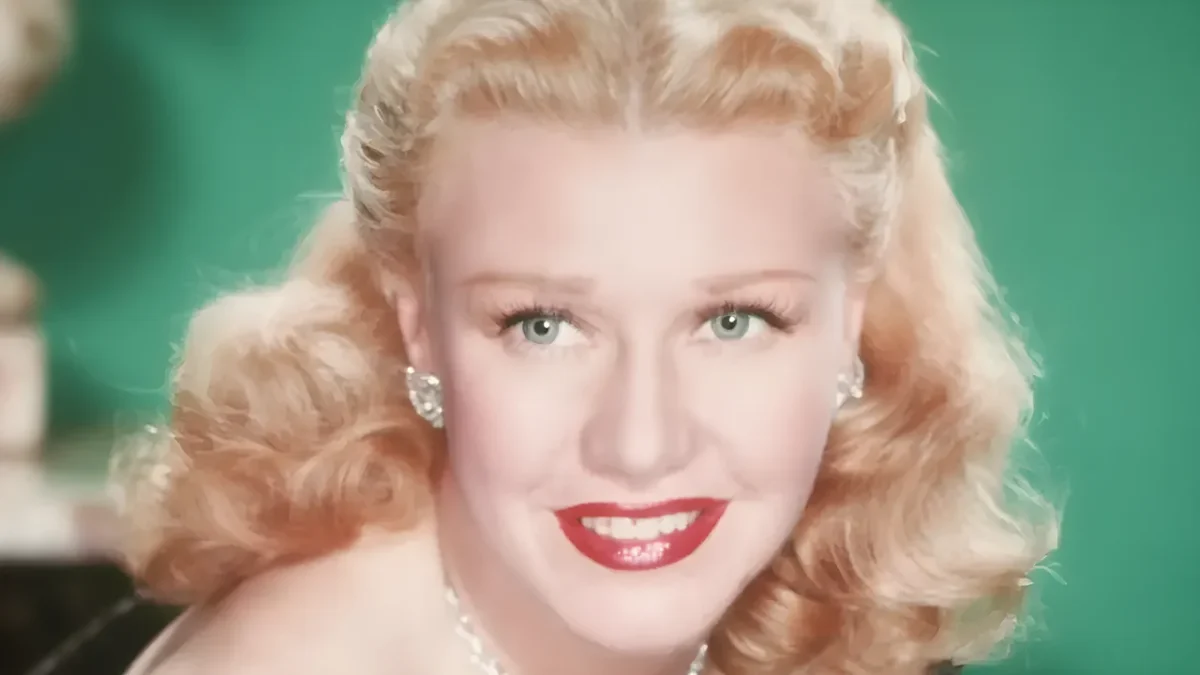
Ginger Rogers walked down the aisle five separate times across four decades, yet the Hollywood legend chose to live the final twenty-six years of her life entirely on her own terms. Despite soaring to global fame alongside Fred Astaire and securing an Academy Award for Kitty Foyle, her domestic life was defined by short-lived romances, infidelities, and the destructive toll of alcohol.
The screen icon never had children, an intentional outcome driven by the sheer instability of her high-profile unions and the gruelling schedule of an elite Hollywood career. While cinema audiences revered her effortless glamour, the reality behind closed doors told a vastly different story.
With contemporary audiences set to rediscover her life through a new Fred Astaire biopic—featuring Sabrina Carpenter as Rogers alongside Tom Holland—interest in her turbulent private life has surfaced once more.

Ginger Rogers will return to cinema screens in an upcoming Fred Astaire biopic.
The Early Vaudeville Nuptials and Sudden Box-Office Success
Rogers entered her first marriage in 1929 at just 17 years of age, wedding vaudeville performer Jack Pepper, a man nearly a decade older whom she had known since childhood. The couple formed an onstage double act dubbed “Ginger and Pepper”, attempting to turn their personal bond into a sustainable stage career.
The partnership unraveled within months, culminating in a swift divorce finalised in 1931. Despite the collapse of their brief romance, both remained on cordial terms, with Pepper later remarrying in 1935 and staying with his wife until his death in 1979.

American actress, dancer, and singer Ginger Rogers in a studio portrait from 1930.
Her second chance at love came swiftly in 1933 after meeting fellow actor Lew Ayres on the set of the feature Don’t Bet on Love. Sparks flew behind the cameras, and the co-stars married in 1934.
Professional friction and intense pressure soon intervened. While the marriage was separated by 1936 and formally dissolved in 1940, Rogers saw her fame explode into an international sensation.
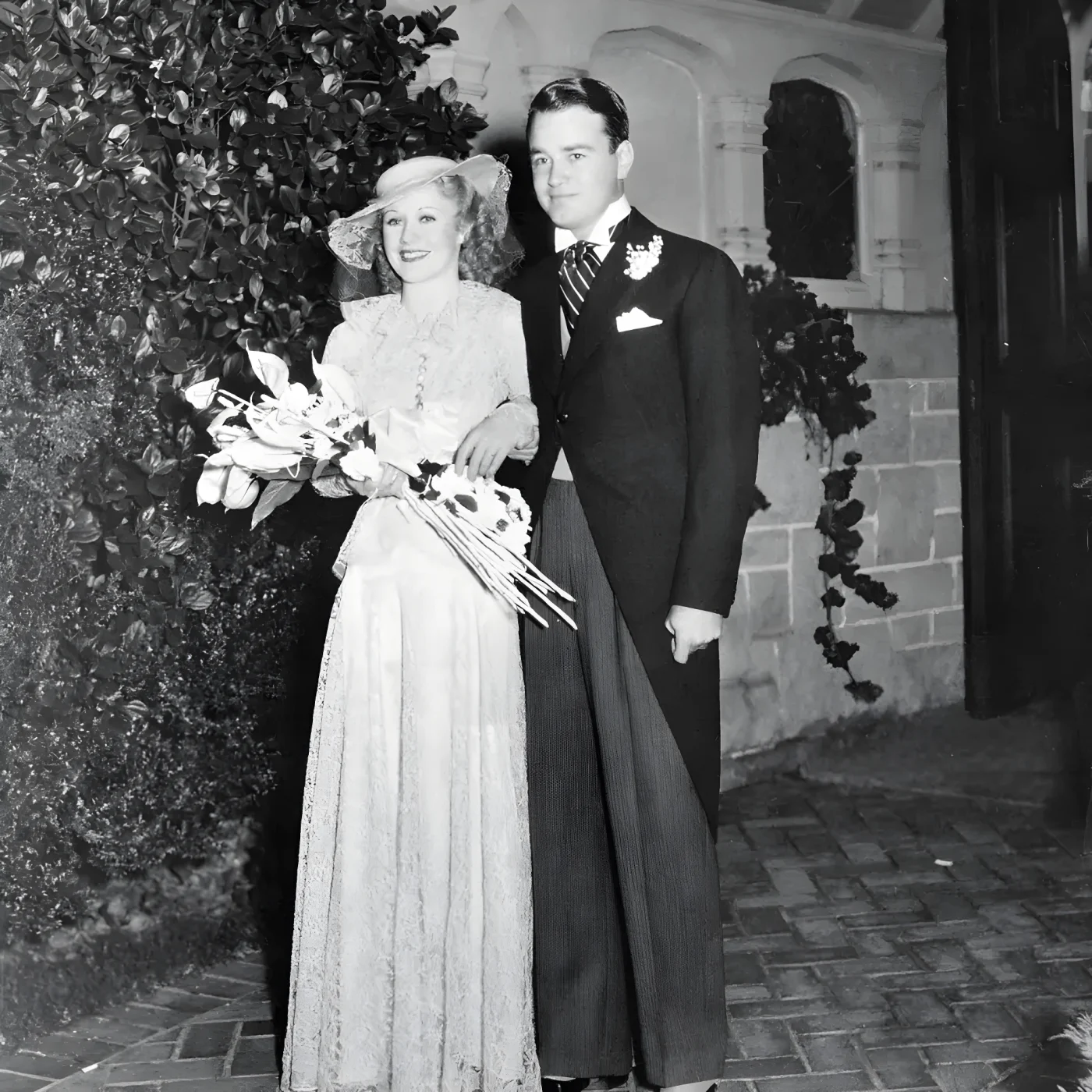
Ginger Rogers and her second husband, actor Lew Ayres, on their wedding day.
During the six years between her wedding and final decree with Ayres, Rogers filmed nine historic features alongside Astaire, transforming into one of the most lucrative box-office draws in cinema history.
Wartime Romances and European Heartbreak
By the time the Second World War engulfed the globe, Rogers was an established titan of the industry, yet her private search for stability persisted. While touring military installations, she was assigned an escort at Camp Elliot in San Diego: actor turned US Marine Corps Private First Class Jack Briggs.
The couple tied the knot in 1943, presenting an image of wartime unity to the public. Behind closed doors, the post-war transition proved devastating to their relationship.
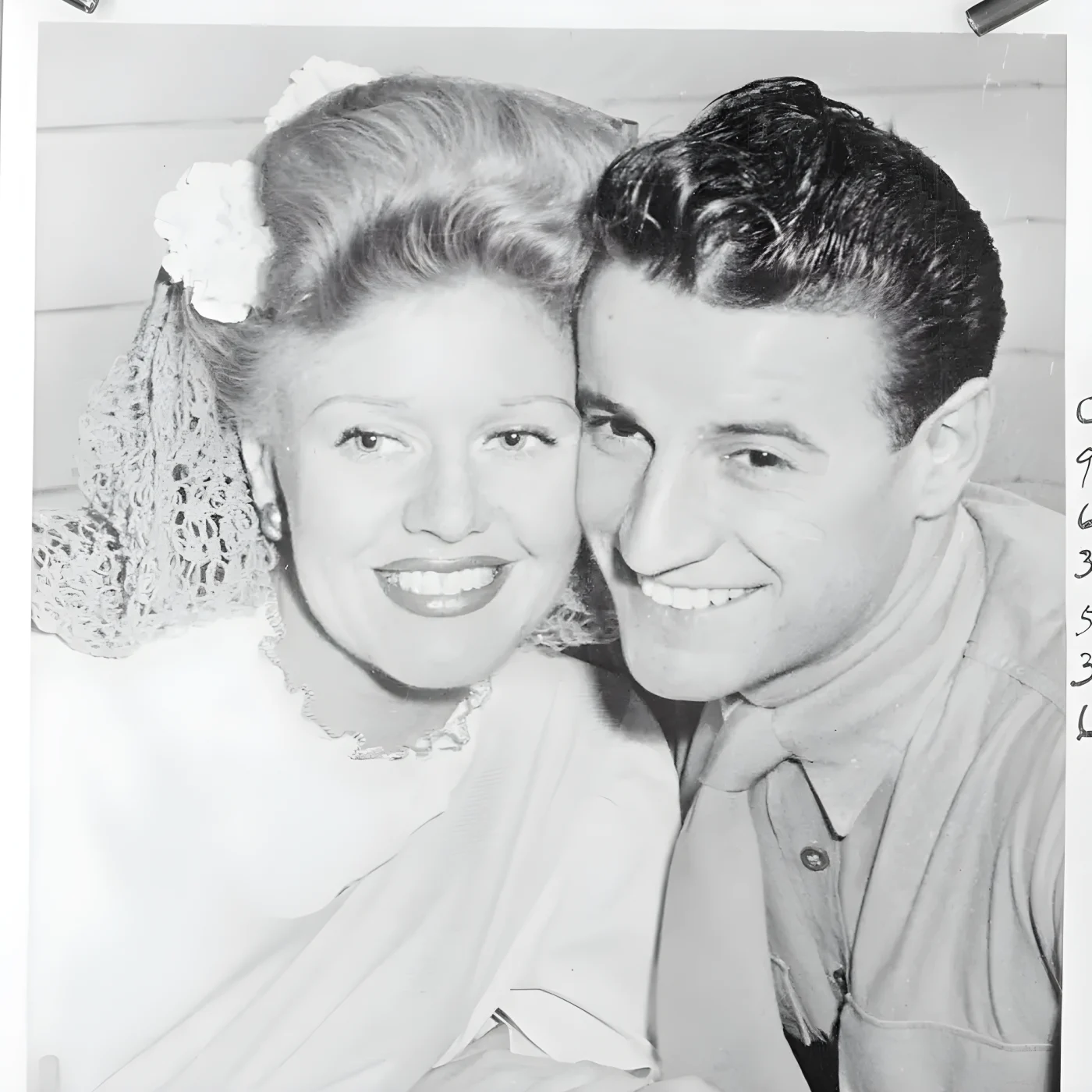
Ginger Rogers and husband Private Jack Briggs of the US Marine Corps following their honeymoon.
Rogers documented the downward spiral in her personal memoir, revealing that Briggs faced dwindling acting opportunities and severe alcoholism upon leaving military service. The union dissolved into divorce in 1949.
Seeking solace abroad, Rogers travelled to France, where she met Jacques Bergerac, a charismatic law student nearly 16 years her junior. The pair wed in 1953, with Bergerac moving to California to launch an acting career that included roles in Twist of Fate and Gigi.

Ginger Rogers and French-born husband Jacques Bergerac visiting New York in 1953 before travelling to London.
The European romance concluded abruptly in 1957. Rogers detailed discovering his unfaithfulness firsthand, writing that she was deeply hurt by the betrayal, though the former spouses maintained civil public relations in subsequent years.
A Final Attempt at Marriage and the Decision on Children
In 1961, Rogers made her fifth and final trip to the altar, marrying director, producer, and bandleader William Marshall. The union endured for eight years, becoming the longest marriage of her life.
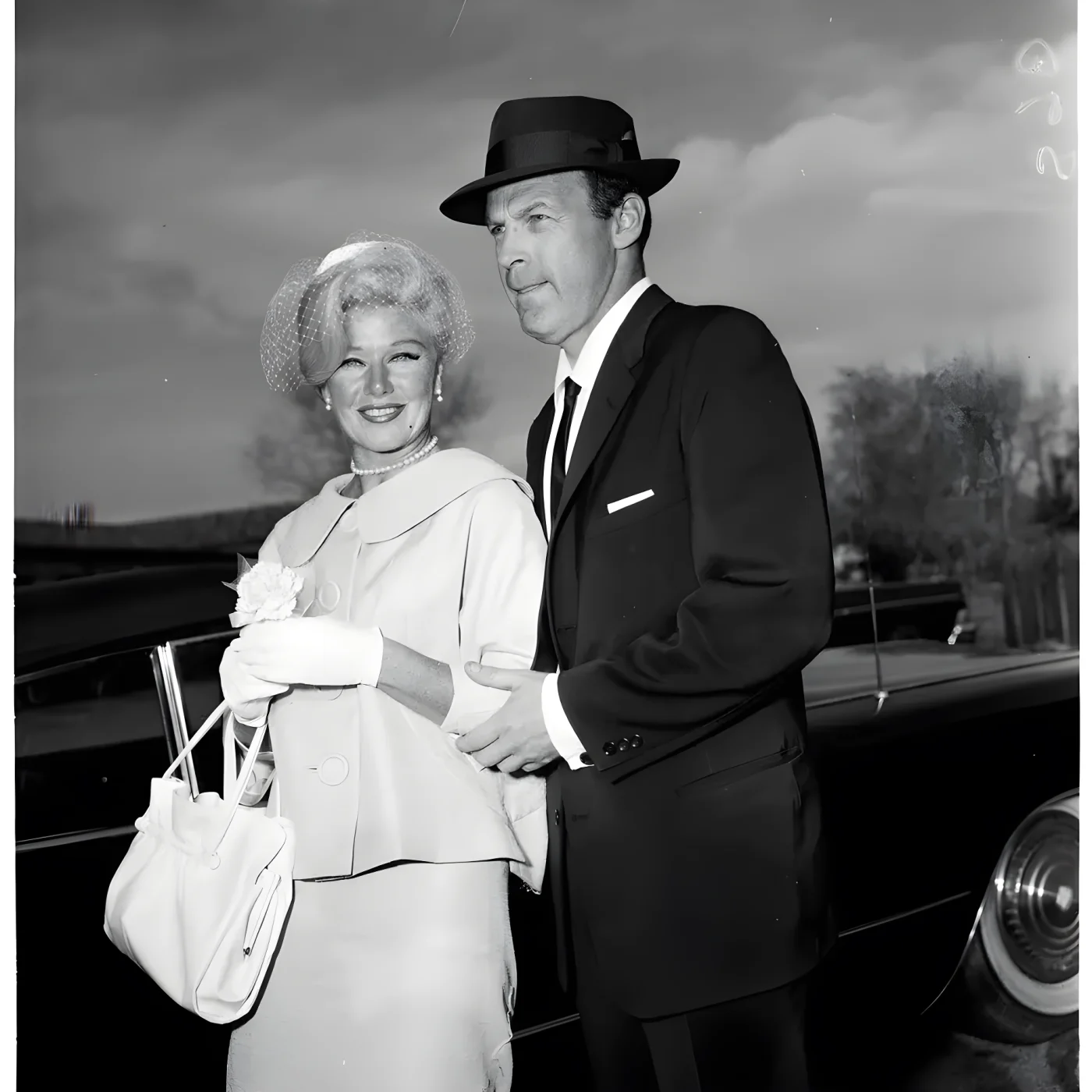
The wedding of Ginger Rogers and William Marshall on 16 March 1961, alongside best man Michael Marshall.
Marshall’s severe alcohol dependency ultimately fractured the home. Rogers reflected candidly on the painful realisation in her published writings, admitting she had previously left relationships due to alcohol and mistakenly believed she could save this one.
Following her 1969 divorce from Marshall, Rogers chose permanent independence, never marrying again until her death in 1995 at age 83.
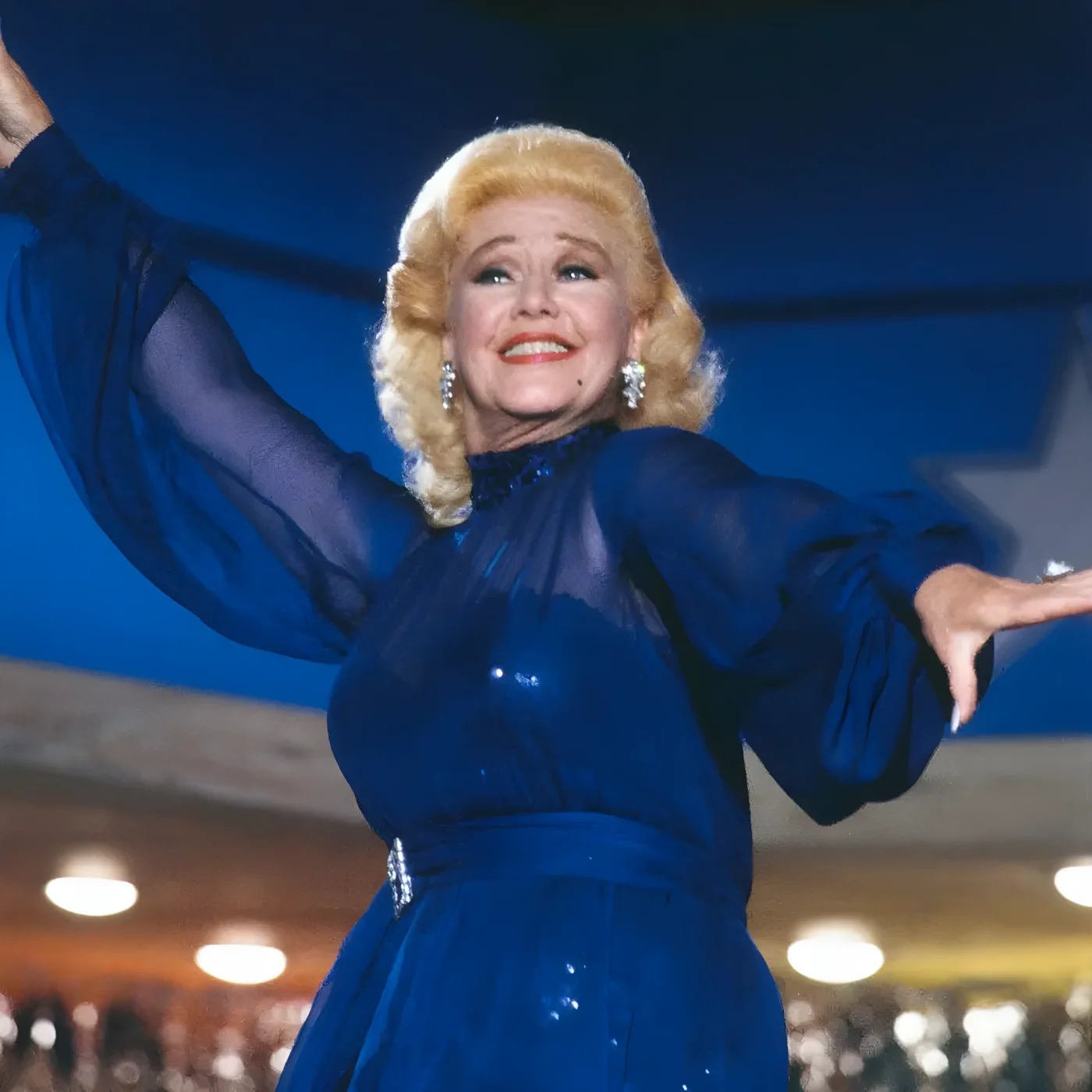
Ginger Rogers performing in Hollywood, California, in October 1979.
Why Rogers Chose Mentorship Over Motherhood
Throughout her career, public speculation persisted regarding why the star never started a family. Rogers acknowledged that two clear realities shaped this outcome:
- Domestic instability: The recurring breakdown and volatility of her five marriages left little room to raise a family securely.
- Career demands: The intense physical requirements of her craft as a leading dancer and dramatic actress required total focus.
- Alternative fulfillment: Rogers actively channelled her maternal instincts into mentoring young industry newcomers.
During an appearance on television with Joan Rivers in 1984, Rogers spoke with striking honesty about her life choices. While admitting she felt “sorry on occasion” about not raising children, she rejected lingering regret.
She explained that young performers routinely sought her out for advice and affection, providing a profound sense of maternal purpose that defined her later decades.
💡 The silver-screen icon proved that a fulfilled life does not depend on conforming to traditional societal expectations, finding contentment in her craft and mentorship after decades of romantic turmoil.
🔍 As a new generation prepares to see her story dramatised in cinemas, her resilience off-screen remains just as formidable as her talent on it.
📌 Did Ginger Rogers make the right decision to prioritise her independence in later life? Share your view in the comments below.
Source: www.hellomagazine.com
 1
 2
 3
 4