
If You Talk to Your Dog or Cat Like a Person, Psychology Reveals You Share 6 Surprising Emotionally Healthy Habits


Holding full, unfiltered conversations with your dog or cat is far from eccentric behavior—it is a direct marker of high emotional intelligence. Having casual dialogue with an animal actively strengthens your relational bond, elevates mood-boosting neurochemicals, and reflects a well-regulated mind.
Far from being a childish quirk, behavioral researchers recognize that people who communicate with four-legged companions as if they were peers possess distinct psychological advantages. Interacting with an animal without fear of judgment translates directly into superior social resilience, personal authenticity, and daily stress control.
This communication style shapes human interactions and emotional wellness in ways most pet parents never realize.
The Hidden Psychological Blueprint of Pet Conversations
Treating animals as empathetic listeners provides an outlet rarely found in standard adult life. When you recap your workday to a pet on the living room rug, your nervous system processes real-world tension in a remarkably safe environment.
Clinical data highlights that physical and verbal interactions with companion animals noticeably reduce cortisol, the primary human stress hormone. The act serves as an organic sounding board, offering a therapeutic effect without the anxiety of social critique.
Talking to an animal provides a non-judgmental ear, functioning like a natural sounding board to help unpack complicated feelings after a demanding day.
6 Emotionally Healthy Habits You Likely Possess
1. Radical, Unfiltered Authenticity
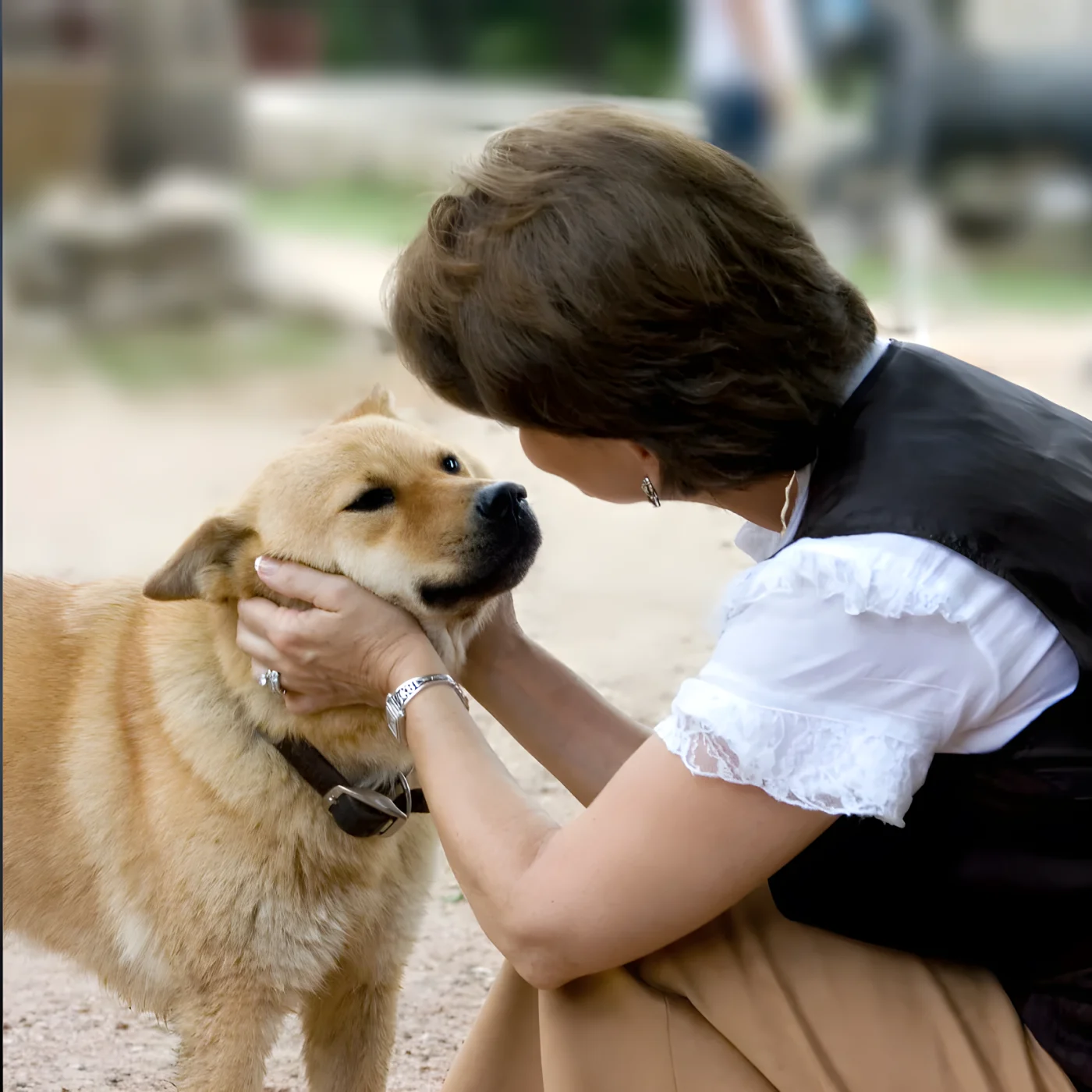
Genuine woman talking to her happy dog.
Pets never cut you off mid-sentence, question your motives, or offer unsolicited advice. Speaking to them allows you to be completely candid, stripping away the social masks required in workplace or public settings.
This regular release valve strengthens your general communication skills. By practicing completely honest emotional expression at home, you become far more direct and genuine with human partners, friends, and colleagues.
2. Elevated Empathy and Compassion
Caring for an animal requires interpreting subtle physical cues rather than spoken language. Studies show pet caregivers demonstrate significantly higher empathy levels than non-owners, an effect that is particularly pronounced among men.
Because you are already tuned into your animal’s non-verbal comfort, you naturally spot unspoken distress signals in friends and family members. You anticipate others’ needs before they have to articulate them.
3. A Natural, Protective Nurturing Instinct
Speaking to an animal in an attentive, conversational tone builds enduring caregiving reflexes. This protective, attentive mindset spreads across every interpersonal relationship you maintain.
Even individuals who were once hesitant about animal adoption often undergo a mindset shift once they start engaging with a pet. It brings out a protective instinct that makes them more reliable, supportive partners and friends.
4. Accidental Mindfulness and Presence
Domestic animals do not fixate on past regrets or obsess over tomorrow’s deadlines. As veterinary experts at Stevenson Village Veterinary Hospital note, dogs and cats live entirely in the immediate present.
When you stop to speak directly to your pet, your focus mirrors theirs. The sensory focus required pulls your brain out of anxiety spirals and anchors you squarely in the room.
It acts like an effortless form of daily meditation. Your immediate problems suddenly feel manageable.
5. Playful Humility and the Ability to Laugh at Yourself

Woman with playful energy playing with her cat.
Inventing nicknames, asking questions in varied tones, and speaking for your pet requires letting your guard down entirely. It requires leaning into complete silliness.
Psychologists note that the capacity to laugh at yourself and embrace absurdity is a core pillar of mental health. People who can be playfully silly around animals rarely take daily inconveniences too seriously.
6. Resilient Emotional Regulation
Decompressing out loud is an established psychological tool for working through complex feelings. Verbalizing your day’s frustrations to a loyal pet prevents emotional buildup that would otherwise trigger outbursts or chronic stress.
Because animals offer steady, non-judgmental companionship, they serve as grounding anchors during life transitions, grief, or professional setbacks. You leave the conversation grounded and recalibrated.
Busting the “Odd Habit” Myth: Stigma vs. Reality
Cultural stereotypes once painted talking to household animals as a sign of isolation or mild eccentricity. Modern psychological research shows the exact opposite reality.
| Common Perception | Documented Psychological Reality |
|---|---|
| Indicates social awkwardness or loneliness | Signals high interpersonal empathy and social intelligence |
| A childish or irrational habit | Lowers biological cortisol and promotes active mindfulness |
| One-sided communication without value | Strengthens interspecies bonding and aids emotional processing |
| Inability to relate to other people | Builds authentic communication skills carried into relationships |
How to Lean Into This Mental Health Boost
You can actively channel this daily habit to enhance your mental clarity and lower stress levels throughout the week:
- Conduct an evening debrief: Instead of replaying work stressors in your head, summarize the core challenges aloud to your pet while settling down for the evening.
- Match their present focus: When interacting with your dog or cat, leave your phone in another room to capture the full grounding benefits of the moment.
- Embrace unfiltered speech: Use these private moments to clarify what you really feel about a difficult situation before bringing it up in human conversations.
💬 Next time you find yourself asking your dog or cat how their nap went, skip the self-consciousness. Your mind and body are simply using one of the most effective, accessible wellness routines available.
✨ It turns out that treating your companion like family is not just good for them—it is one of the clearest signs of a grounded, empathetic, and resilient mind.
📱 Do you hold full conversations with your pets throughout the day? Drop your best pet stories in the comments below!
 1
 2
 3
 4
