
Snickers vs. Milky Way: The Real Differences Behind America’s Two Favorite Chocolate Bars

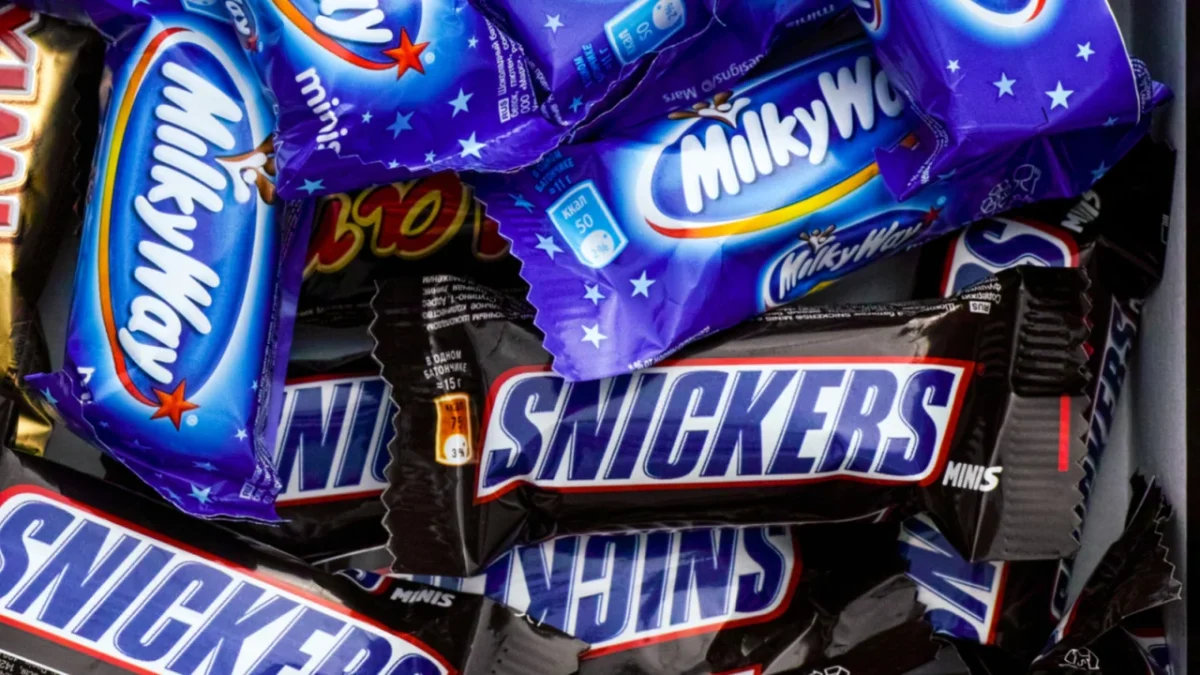
The core difference between a Snickers and a Milky Way is far more than just a handful of peanuts. While both iconic candy bars share a foundation of milk chocolate, nougat, and rich caramel, their distinct textures, nutritional footprints, and century-old origins set them completely apart on retail shelves.
Manufactured by candy giant Mars, these two staples dominate checkout lanes across the United States. Yet behind the wrapper lies a deliberate design contrast engineered to deliver two entirely different snacking experiences.
Origins and Flavor: Malted Milkshakes vs. a Champion Racehorse
Milky Way holds the senior title between the two, having debuted first in 1924. Contrary to popular belief, the bar was not named after the galaxy above, but was inspired by the malted milkshakes wildly popular in American soda fountains during the roaring twenties.
Six years later, in 1930, Mars introduced Snickers. The company took an unconventional route for its branding, naming the treat directly after a beloved family racehorse.
In terms of recipe, the structural blueprint is nearly identical except for one pivotal inclusion. Snickers features whole roasted peanuts layered over nougat and caramel before being enrobed in milk chocolate.
Milky Way strips away the nuts entirely, resulting in a significantly softer, pillowy texture. Snickers delivers a firm, dense crunch that requires active chewing, creating two distinct sensory profiles for candy lovers.
Nutrition and Craveability: Why the Numbers Favor the Peanut
Sales and brand recognition data from Statista consistently highlight Snickers as the front-runner in overall American popularity. Industry analysts often attribute this competitive edge to the satiating power of the peanut.
That extra crunch translates directly into meaningful nutritional differences between the two bars:
- Protein count: A standard Snickers bar packs 5 grams of protein compared to just 2 grams in a standard Milky Way.
- Sodium levels: Snickers carries nearly double the sodium of its peanut-free counterpart, enhancing the sweet-and-salty contrast.
- Fat distribution: While Snickers contains slightly more total fat overall due to the legumes, it actually contains less saturated fat than a Milky Way.
The addition of whole roasted peanuts completely transforms the macronutrient breakdown, delivering more protein and lower saturated fat than a classic nougat-heavy bar.
Head-to-Head Comparison: Snickers vs. Milky Way
When evaluated side-by-side, the contrast between these confectionery siblings becomes stark:
| Feature | Snickers vs. Milky Way |
|---|---|
| Debut Year | Milky Way arrived in 1924; Snickers followed in 1930 |
| Name Origin | Snickers: a racehorse; Milky Way: a malted milkshake |
| Key Ingredient Difference | Snickers includes roasted peanuts; Milky Way does not |
| Protein Content | Snickers offers 5 grams; Milky Way contains 2 grams |
| Texture Profile | Snickers is crunchy and dense; Milky Way is soft and airy |
| Walmart Retail Price | Both share-size bars retail at $2.78 |
Flavor Spin-Offs and Shelf Innovation
Neither brand has rested on its heritage recipe to survive modern consumer trends. Over the decades, Mars has rolled out numerous limited-edition and permanent line extensions to keep shoppers engaged.
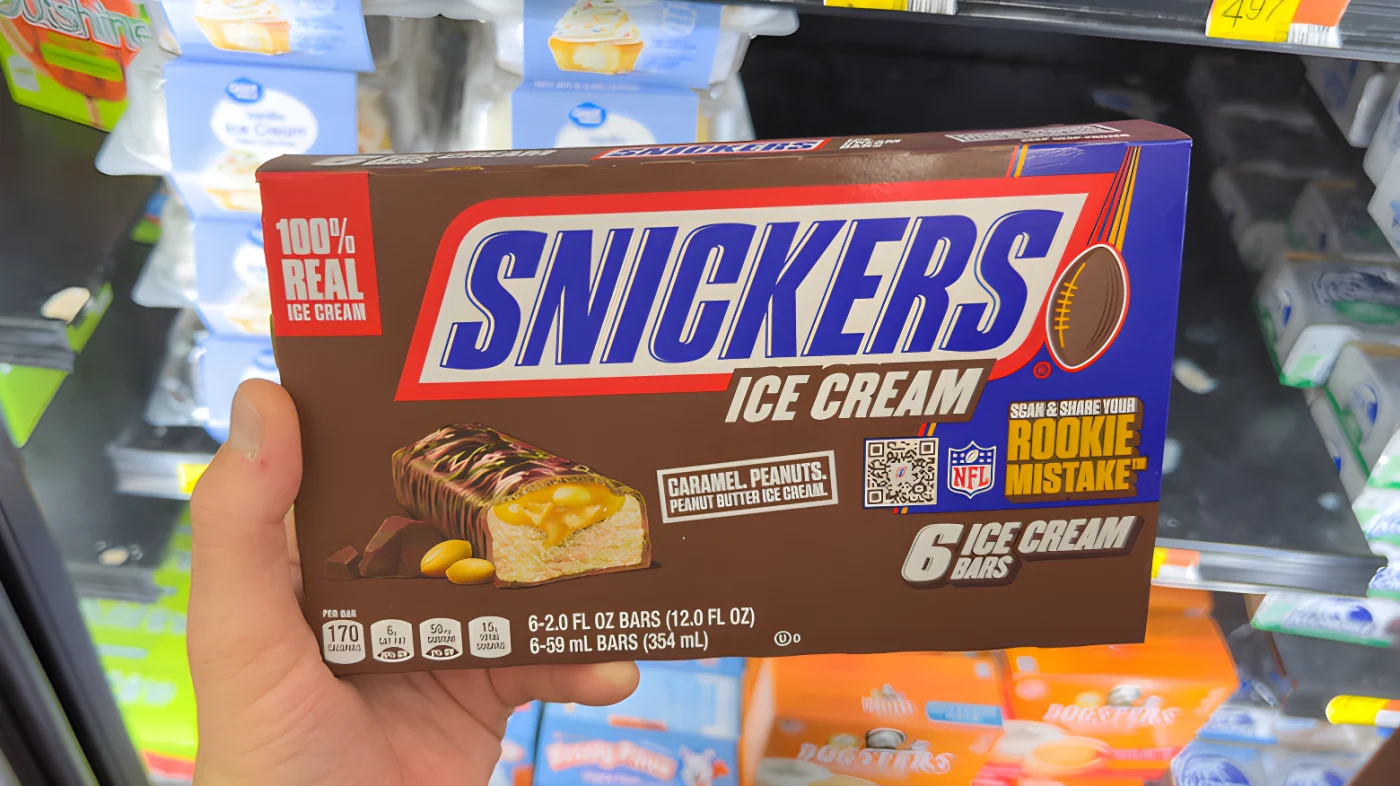
A hand holds a Snickers ice cream bar box.
Snickers has developed a massive spin-off portfolio, including an almond variety, peanut butter fillings, and a widely popular frozen ice cream bar. Milky Way has similarly pushed boundaries with a cookie dough edition, dark chocolate coatings, and its own ice cream bar adaptation.
The Final Value Equation at the Register
Despite their recipe divergences, pricing parity remains virtually locked between the two brands. At major retailers like Walmart, a 3.29-ounce share-size Snickers and a 3.63-ounce share-size Milky Way both command identical price tags of $2.78.
Shoppers effectively pay the exact same price at the register, leaving personal preference between chewy malt nougat and salty, crunchy peanuts as the ultimate deciding factor.
🍫 Choosing between them comes down to whether you want light, fluffy sweetness or a heavy, protein-backed crunch.
✨ Both recipes have anchored American snack culture for nearly a century without losing their distinct identities.
💬 Which one wins your vote at the checkout aisle? Drop your thoughts in the comments below!
 1
 2
 3
 4
