
Inside the Clayface Movie Box Office Numbers: How DC’s Psychological Body Horror Conquered North American Theatres Despite a Summer of Doubts

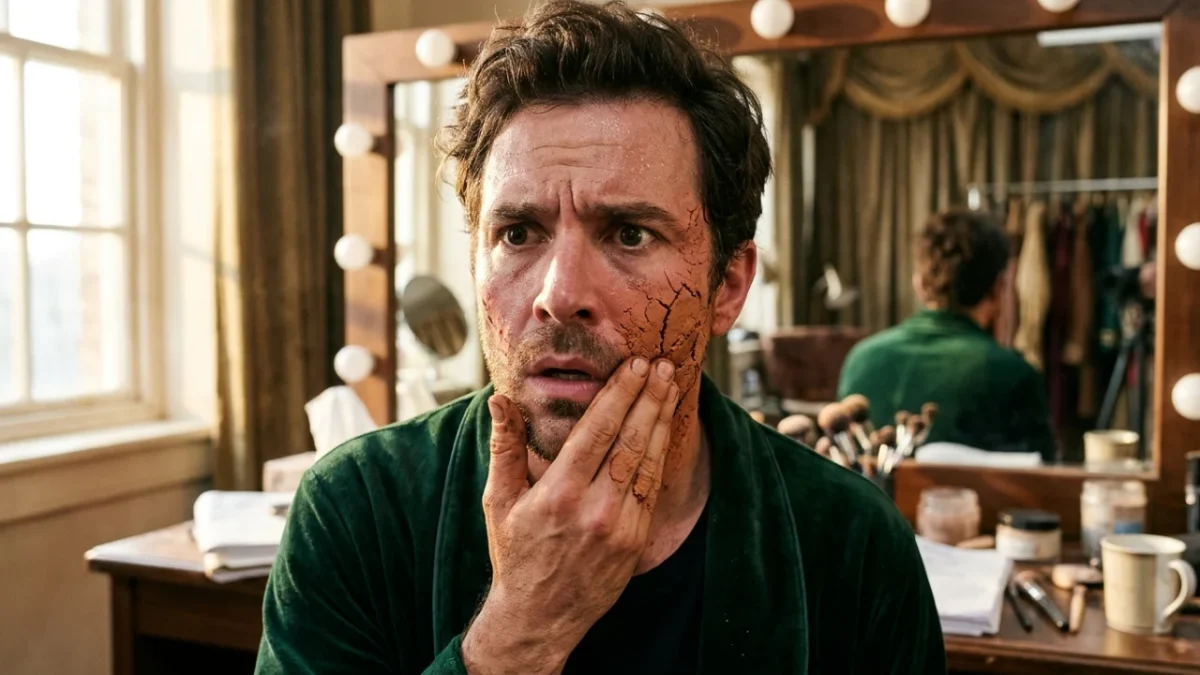
DC’s psychological horror release Clayface has decisively defied nervous industry forecasts, seizing the number one spot at the North American box office with an opening day gross of $10.4 million across 3,458 theatres and tracking towards a commanding weekend total above $24 million.
That initial haul includes a crucial $3.5 million collected during Thursday evening previews, reassuring studio executives after pre-release tracking had painted an uncertain picture.
The film arrived at an anxious moment for the franchise, following an uneven summer that had unsettled distributor expectations.
Early presales had fluctuated wildly, yet opening-day audiences shifted the momentum overnight.
Behind the $10.4 Million Opening: Overcoming Pre-Release Scepticism
The momentum behind the Clayface box office trajectory proves that studio bets on targeted genre cinema can overcome soft pre-release tracking. Prior to theatrical rollout, analysts openly questioned whether a classic Batman antagonist could draw mainstream cinema crowds without an appearance from the Dark Knight himself.
Those worries dissolved when Friday ticket receipts placed the title firmly in first place, comfortably outperforming mid-tier expectations across major multiplex circuits.
While the film does not match the astronomical gross of standard four-quadrant superhero tentpoles, its targeted budget and distinctive horror branding have shielded it from the bloat that damaged past franchise entries.
Audiences turned out in force to witness a dramatic, transformation-heavy narrative rather than an assembly-line superhero spectacle.
The Fierce Box Office Duel: DC’s Creature Feature Versus High-Profile Documentaries
The victory at the top of the chart did not happen in a vacuum. Right behind the creature feature, Lance Oppenheim and Nathan Fielder‘s acclaimed Elizabeth Holmes documentary You Can See Everything surged towards a projected $20 million opening weekend.
Securing the biggest documentary debut in thirteen years, the non-fiction entry expanded screens rapidly, applying genuine box office pressure to the DC thriller throughout its first forty-eight hours.
Meanwhile, the broader marketplace delivered sharp contrasts in theatrical health.
Laika’s animated fantasy Wildwood struggled to find traction, leaving ticket sales polarised between adult-skewing prestige releases and dark genre entertainment.
Inside the Creative Reinvention: A Descent Into Psychological Body Horror
Directed by James Watkins, the film reframes the classic comic villain through an unsparing psychological lens. Rather than staging conventional metropolis brawls, Watkins leans into a claustrophobic character study chronicling an actor’s catastrophic transformation.
British actor Tom Rhys Harries stars as the rising Hollywood talent whose quest for glory disintegrates into vengeance, loss of identity, and monstrous mutation. He is backed by an accomplished ensemble, including Naomi Ackie, David Dencik, Max Minghella, Eddie Marsan, and Nancy Carroll.
Behind the lens, cinematographer Rob Hardy, editor Jon Harris, and composer Volker Bertelmann construct a tense, visceral atmosphere that distinguishes the project from conventional studio adaptations.
- Opening Day Revenue: $10.4 million across North America, inclusive of $3.5 million from preview screenings.
- Screen Footprint: 3,458 domestic locations, leading daily admissions nationwide.
- Projected Domestic Debut: $24 million or higher across its initial three-day frame.
- Direct Competition: Outpacing You Can See Everything ($20 million estimate) while Wildwood lags behind.
Global Footprint and the Shifting Economics of Comic Book Cinema
International receipts are also beginning to register across key overseas territories. Tracking data compiled by Sacnilk indicates that in India, the film generated a gross collection of ₹2.51 crore across its first three days, supported by dual screenings in English and Hindi.
Occupancy patterns in major metro areas such as Chennai reflected early audience intrigue, even as regional circuits demonstrated varying levels of footfall.
These numbers highlight a broader strategic evolution across cinematic universes. By decoupling specific villains from bloated interconnected storylines, studios can manage financial exposure while delivering singular cinematic experiences.
The performance confirms that focused adult storytelling remains a dependable draw when handled with genuine creative conviction.
💡 The solid opening for Watkins’ horror reinterpretation signals that character-driven darkness still commands reliable multiplex loyalty.
🔍 As the title wraps its debut weekend, attention turns to whether word-of-mouth can sustain weekday holds against intense documentary competition.
📌 For fans of unconventional comic book adaptations, this grim transformation tale represents a welcome departure from standard franchise formulas.
👇 Did the horror-centric approach work for this villain origin, or do you prefer traditional superhero blockbusters? Join the discussion below.
 1
 2
 3
 4