
Inside the Surging “Beauty Receipts” Phenomenon: Five Women Reveal What High-Tech Facials, Injections, and Aesthetic Maintenance Actually Cost

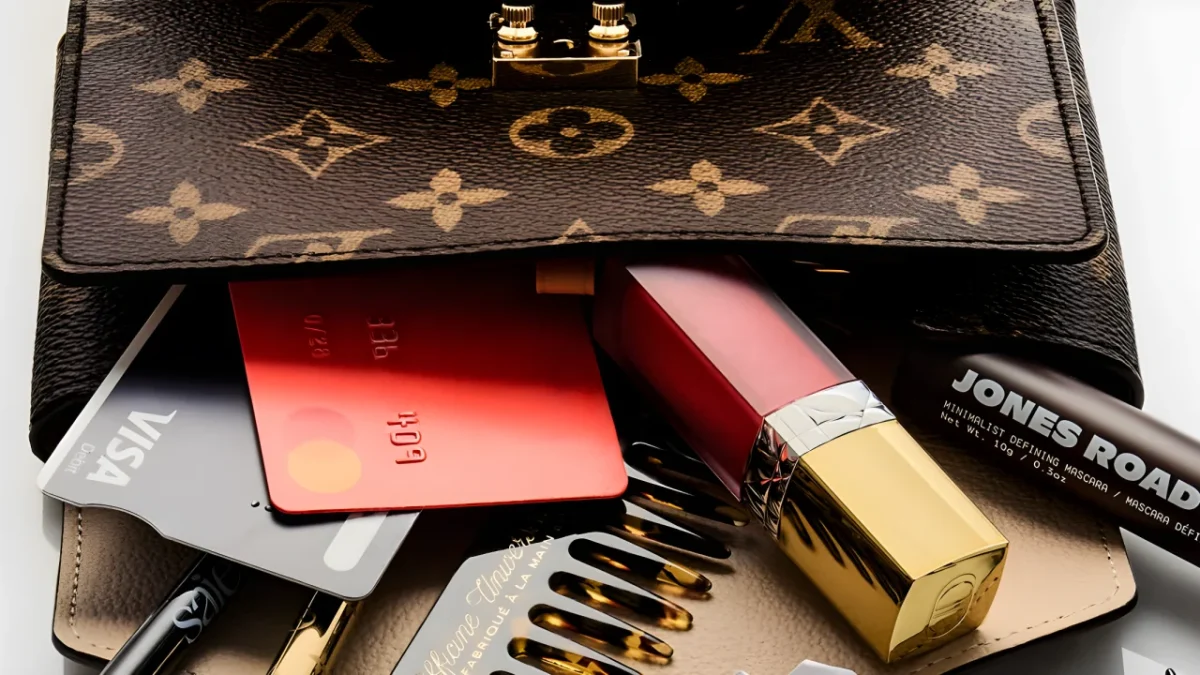
Personal beauty maintenance has reached unprecedented spending levels, with consumer ledgers expanding rapidly despite broad economic pressures. Banking data from Monzo documents a dramatic 30% jump in spending across major beauty and wellness retailers, climbing from £305 million to £398 million in year-over-year figures.
At the same time, the British Beauty Council projected in its Value of Beauty 2026 report that consumer spending on beauty products and services will climb by another 3.9%, following an industry contribution of £28.3 billion to gross domestic product. While social feeds debate viral aesthetics like TikTok’s “beauty-maxxers” and minimalist “Frugal Chic” regimens, real bank statements tell a story of uncompromising investment.
From £1,200 ultrasound tightening sessions to transatlantic aesthetic flights, five women opened their itemized ledgers to show where the money actually goes—and why they refuse to cut back.
The High-Ticket Ledger: What Five Women Spend on Maintenance
Personal care budgets are no longer limited to standard haircuts and drugstore cosmetics. Today’s receipts reflect complex blends of non-invasive clinical technology, injectables, fitness memberships, and bespoke treatments tailored to professional life.
The Corporate Marketeer: £4,645 on Maintenance and Longevity
Earning an annual income of £60,000, this 36-year-old professional views personal grooming through the lens of preventative health and recovery. Her primary allocations focus on long-term skin health and structured wellness routines rather than quick-fix makeup trends.
- Profhilo injectable hyaluronic acid: £600 (administered twice a year)
- Fragrance collection: £2,000 annually
- Hydrafacial with LED therapy: £200 (three times yearly)
- At-home infrared sauna blanket: £380
- Gym membership (1Rebel for Pilates and boxing): £150 monthly
- Hair color and root touch-ups: £200 every four to six weeks
- Skincare and body care products: £375 monthly
- Nutritional supplements (Holland & Barrett): £150 every two to three months
Rather than conventional dermal fillers or neurotoxins, she opts for collagen-stimulating bio-remodeling to keep skin resilient. Her routine also incorporates daily wellness staples like magnesium, zinc, fish oil, and black-seed oil.

person carrying multiple shopping bags outdoors.
The Nutritionist and Author: High-Tech In-Office Over Expensive Creams
With an annual income of £400,000, this 31-year-old allocates approximately 5% of her earnings directly to aesthetic preservation. Having entered the modeling industry at 18, she prioritizes clinical hardware and targeted muscle conditioning over commercial topical formulas.
- Reformer Pilates: £5,000 annually (attending four sessions per week)
- Forehead Botox: £1,200 (three times per year)
- HIFU (High-Intensity Focused Ultrasound): £1,200 (twice per year)
- LED light panel for home use: £818
- Dyson Airwrap styling tool: £579.99
- Ukrainian gel manicures and pedicures: £195 monthly combined
- Lash lifts: £75 every two weeks
- Topical skincare and cosmetics: £50 monthly
Her routine demonstrates a deliberate split between professional machines and affordable over-the-counter maintenance, even mapping and tinting her own brows between appointments using budget kits.
beauty shopping feature
The Management Consultant: £9,260 on Surgical and Semi-Permanent Upgrades
Balancing corporate consulting with digital content creation at age 26 on a £90,000 salary, this professional approaches beauty as a protective uniform. Her largest line item was a surgical breast lift totaling £7,500, selected after consulting four private surgeons.
- Surgical breast lift: £7,500
- Botox maintenance: £200 every three to four months
- Semi-permanent lip blushing and eyebrow microblading: £600 combined
- Keratin smoothing hair treatments: £300 every six months
- Full-body laser hair removal: £100 every three months
- Clinical skincare (Skinceuticals and Medik8): £50 monthly
- Gym and community Pilates classes: £90 monthly combined
She views makeup brands like Rhode and Refy as essential confidence armor, noting that feeling put-together directly reinforces her presence in professional spaces.
The Company Director: £3,595 on Bespoke Formulations and Custom Wigs
At age 42 with an annual income of £240,000, this executive brings a background in private healthcare to her self-care strategy. She rejects injectables entirely, directing roughly 10% of her income into luxury Swiss skincare and bespoke hair design.
- Dr Burgener Swiss facial protocols: Up to £450 every three months
- High-end topical skincare: £1,000 monthly
- Custom-made human hair wigs: Starting from £1,200 up to £2,500 each
- Full-body therapeutic massage: £375 monthly
- Nail extensions and pedicure care: £300 every two weeks
Owning a rotation of 13 tailored wigs from specialists like Chrissy Bales and Janet Joshua, she treats luxury self-care as an earned reward that requires zero compromise.

a back view of an unrecognizable latin female with shopping bags standing on the street after being at the shopping mall.
The Arts Curator: £9,554 on Targeted Aesthetics and Global Care
For this 33-year-old trans woman earning £154,000, maintaining her appearance is directly tied to comfort, safety, and navigating high-profile professional events. She maintains an average monthly beauty and wellness baseline of approximately £1,800 (€2,200).
- Seoul clinical trips (Nana Plastic Surgery, ReOne Skin): £6,000 per visit
- Emface muscle-stimulation therapy: £342 every two weeks
- Ultherapy deep ultrasound lifting: £1,280 to £2,140 as needed
- Embody body contouring: £214 three times monthly
- Skin booster micro-injections: £256 to £428 per session
- Laser hair removal protocols: £128 every four to six weeks
Her strategy focuses entirely on subtle, regenerative techniques over extreme alteration, ensuring her presentation matches her identity without masking her natural features.
The Skincare Myth: Do Luxury Creams Outperform Hardware?
A widespread misconception across consumer beauty culture suggests that expensive designer serums yield proportional anti-aging results. High-income spenders are increasingly abandoning four-figure moisturizer jars in favor of active ingredients paired with clinical hardware.
“I have not seen better results on the £100 serum than I have the £20 one. A good, consistent skincare routine at home can be far more powerful, especially when you use active ingredients like retinol.”
Rather than sinking capital into unverified topical promises, experienced consumers direct their budgets toward deep-layer tissue stimulation like ultrasound, radiofrequency, and focused clinical facials.
Comparing Spending Philosophies Across Incomes
While the overall totals run into thousands of pounds, how women allocate those funds changes drastically depending on their career demands and personal goals.
| Career Profile | Primary Financial Focus |
|---|---|
| Corporate Marketeer (£60k Income) | Preventative skin boosters (Profhilo) and recovery tools |
| Nutritionist & Author (£400k Income) | Ultrasound tightening (HIFU) and boutique Pilates training |
| Consultant & Creator (£90k Income) | Surgical optimization and long-lasting semi-permanent makeup |
| Company Director (£240k Income) | Custom wig collections and luxury Swiss active facials |
| Curator & Journalist (£154k Income) | International clinical treatments and deep tissue maintenance |
Across every tax bracket, the consensus remains remarkably unified: beauty spending is no longer treated as disposable luxury, but as non-negotiable personal infrastructure.
📱 As clinical treatments become standard routine, personal budgets are permanently reshaping how we value personal upkeep.
✨ From at-home devices to medical-grade clinic appointments, the definition of basic maintenance continues to shift higher.
👇 Which treatment on your receipt do you consider an absolute non-negotiable? Drop your thoughts in the comments below.
Source: www.elle.com
 1
 2
 3
 4