
Lula da Silva Shatters Latin American Right-Wing Surge to Win Historic Fourth Presidential Term in Dramatic Brazilian Election Runoff

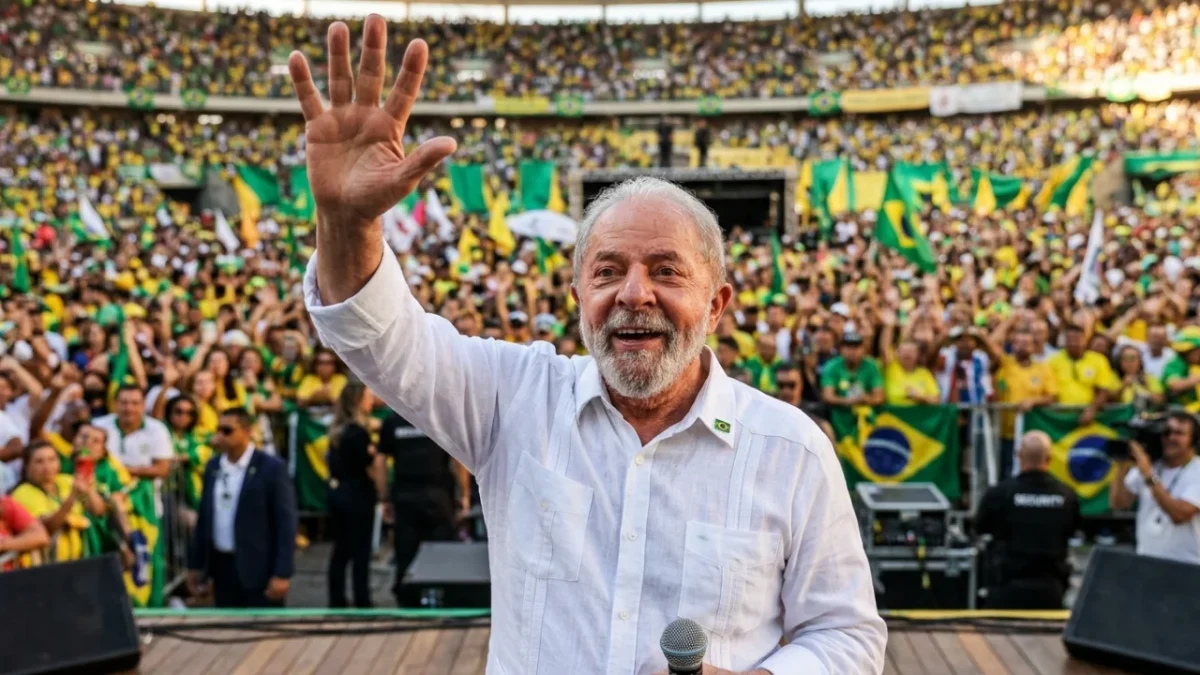
Veteran Brazilian leader Luiz Inácio Lula da Silva has secured an unprecedented fourth term as president after defeating right-wing senator Flávio Bolsonaro in a knife-edge runoff, halting a relentless wave of conservative victories across Latin America.
Official preliminary results from Brazil’s supreme electoral authority show the 80-year-old incumbent took 51.8 per cent of the vote against 48.2 per cent for his 45-year-old rival, with 99.9 per cent of ballots tabulated.
The 3.6-point margin cemented an extraordinary political turnaround. Lula da Silva became the first candidate since Brazil’s return to democracy in the 1980s to lose the opening round and claw back victory in the decisive runoff.
An Unprecedented Comeback in a Fractured Nation
Addressing an ecstatic sea of supporters draped in green and yellow in São Paulo, the president framed his triumph as an essential defence of democratic institutions.
“I would like to thank the Brazilian people for the generosity they have shown me for a long time,” he told the chanting crowd. “And, in this second round, I want to thank the generosity of the Brazilian youth, who took to the streets to defend democracy.”
The race carried immense geopolitical weight. The younger Bolsonaro ran as a proxy for his father, former president Jair Bolsonaro, who was barred from running after being convicted of plotting a coup following his 2022 defeat and sentenced to 27 years under house arrest.
The contest broke a formidable string of momentum for right-wing leaders across the hemisphere. Conservative candidates had captured seven consecutive presidential elections across Colombia, Chile, Honduras, Bolivia, Peru, Ecuador, and Costa Rica.
Voting Chaos, Floods, and Midnight Drama
The path to victory was marked by sharp administrative friction and legal tension that pushed polling stations well past their standard closing times.
Brazil’s judiciary ordered polling venues to remain open for two additional hours following widespread logistical turmoil. Both campaigns lodged urgent requests as delays mounted:
- Severe weather conditions: Heavy flooding swept through southern regions where Bolsonaro enjoyed strong support, prompting calls for emergency extensions to prevent disenfranchisement.
- Transport disruptions: Lula’s campaign accused regional authorities of deliberately slowing transit networks in working-class bastions to depress turnout among lower-income voters.
- Conflicting field orders: Local precinct workers across central São Paulo received mixed signals, with municipal staff attempting to close doors at 5 p.m. before top electoral judges enforced late re-openings.
The judicial intervention briefly halted ongoing counts, triggering fears of formal challenges before preliminary returns sealed the outcome.
The High-Stakes Battle for the Supreme Court
Beyond regional diplomacy and economic stewardship, this mandate awards Lula da Silva the constitutional authority to nominate four justices to Brazil’s powerful 11-member Supreme Federal Court.
Those appointments will influence the country’s legal landscape for decades, establishing judicial boundaries on environmental protections, public security measures, and prosecutions related to organised crime.
The veteran trade unionist, who first won the presidency in 2002 after three unsuccessful campaigns, now faces the urgent task of unifying a sharply divided nation of 215 million people with a razor-thin governing mandate.
🔍 The outcome signals a vital pivot point for regional alliances, economic trade pacts, and international environmental commitments across the Amazon basin.
💡 Latin America’s diplomatic balance now shifts noticeably, setting up complex negotiations between Brasília and international capitals over trade policies, regional security, and climate action.
📌 How do you see this historic Brazilian election impacting broader global markets and regional stability? Share your perspective in the comments below.
 1
 2
 3
 4