
Marcus Wareing Breaks Silence on Gregg Wallace’s BBC Sacking as the MasterChef Franchise Navigates Its Most Turbulent Era

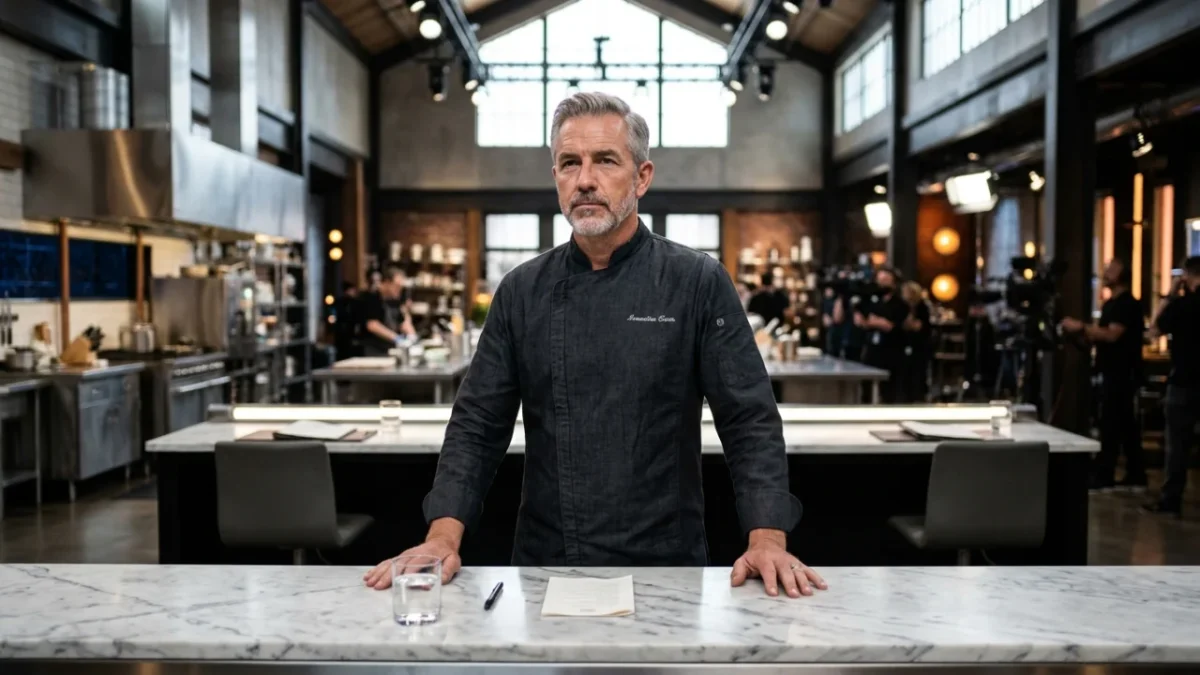
Marcus Wareing has broken his silence on the boardroom turmoil that dismantled the long-standing presenting lineup of MasterChef, confirming that disgraced former co-host Gregg Wallace is finally “moving on” following his abrupt dismissal by the BBC.
The veteran chef, who has served as a judge on MasterChef: The Professionals since 2014, addressed the dramatic fallout that severed ties with the network’s two most prominent culinary figures. While acknowledging the personal toll the collapse took on those involved, Wareing firmly distanced himself from the crisis, stating the circumstances were “nothing to do with me.”
His intervention comes after a seismic restructuring of the flagship television property, triggered when historic misconduct inquiries brought an abrupt end to decades of prime-time dominance.
The Long Road After the BBC Sacking
Wallace stepped away from his presenting commitments across the culinary franchise in November 2024 while independent investigators scrutinised historic workplace allegations. The crisis reached its zenith in July 2025, when the BBC officially fired the 62-year-old broadcaster after an exhaustive inquiry substantiated 45 separate allegations against him.
The findings cited inappropriate sexual language alongside an incident of unwelcome physical contact. While Wallace apologised for “any distress caused”, he maintained that the inquiry had cleared him of what he termed the most sensational accusations.
In a simultaneous shock to viewers, co-star John Torode was also sacked in July 2025 after an allegation regarding the use of an extremely offensive racist term was upheld. Torode stated at the time that he had no recollection of the event and expressed shock and sadness over the finding.
Speaking to The Sunday Times, Wareing offered a rare glimpse into the fractured personal dynamics left in the wake of the departures.
“We’re always there,” Wareing said when questioned on whether he remained in contact with Wallace. “I think with Gregg, what I’ve felt is life goes on and you find yourself, when you look back at your last messages, which I can’t remember…”
He observed that Wallace now appears to be rebuilding privately away from television studios: “I see Gregg on social media from time to time and he’s moving on now. I think constant communication with the people of the past is that constant reminder. He looks really well and I’m pleased for him.”
Legal Battles and the Set Culture Defence
The aftermath of the dismissals triggered protracted tension between the former presenter and the national broadcaster. Wallace launched legal action against the BBC in October 2025, alleging distress and harassment over data disclosure failures, before dropping the lawsuit in February.
Earlier this year, Wallace sought to explain his conduct in a 1,000-word post published on Substack. While expressing regret for an earlier dismissal of complainants as “middle-class women of a certain age”, he argued that the atmosphere on set had been shaped from the top down.
Wallace claimed his use of double entendre was standard industry practice, comparing his language to that featured on rival programming such as Channel 4’s The Great British Bake Off.
- Substantiated findings: 45 allegations upheld in the independent report, involving inappropriate sexual remarks and physical contact.
- The Torode dismissal: Long-term judge removed after an investigation upheld an allegation concerning a deeply offensive racial term.
- Litigation dropped: Wallace withdrew his legal claims against the BBC regarding personal data handling.
- Industry reflection: Former hosts defended their language as expected light entertainment banter, claiming production culture actively encouraged innuendo.
A Shifting Focus Across British Food
As the legacy production reckons with past workplace practices, other prominent voices within the franchise are keeping audiences anchored in modern culinary craft.
Food critic and fellow presenter Grace Dent recently turned public attention back to grassroots British gastronomy, celebrating Scotland’s thriving independent dining scene. Writing in The Guardian, Dent highlighted Outlier, an art space and bakery on London Road in Glasgow established by Steven Turner in 2022.
Singling out what she termed “frankly ridiculous” sandwiches, Dent praised a three-inch-thick beef shin toastie loaded with smoked cheddar and fennel jam, alongside a hefty fried chicken thigh served on a milk bun with red harissa and lemon mayonnaise.
The contrast between ground-level kitchen innovation and boardroom crisis highlights the crossroads facing the broadcast brand. While the old guard attempts to move past damaging operational fallout, the show’s broader network continues striving to retain public trust across the culinary landscape.
💡 The operational fallout from the past two years has reshuffled prime-time broadcasting, pushing television networks to tighten workplace oversight across multi-million-pound production slates.
🔍 As former presenters forge separate paths away from the BBC, audiences are left watching how flagship programming balances entertainment value with modern employment accountability.
👇 Can legacy television institutions successfully reinvent themselves after losing their most recognisable faces? Share your thoughts below.
 1
 2
 3
 4