
Devon Tenants Face Eviction as Prince William Breaks 700-Year Royal Pact to Sell Historic 3,000-Acre Bradninch Estate

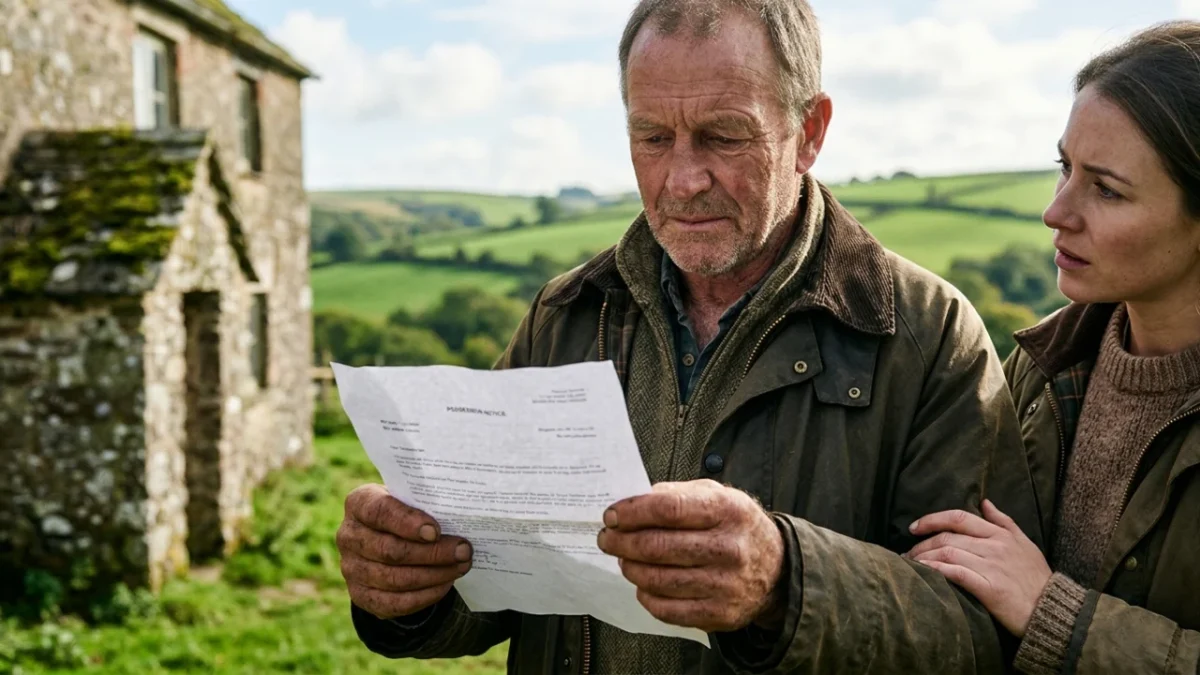
Tenants across Devon’s historic 3,000-acre Bradninch Estate have been served formal possession orders after Prince William opted to sell off centuries-old Duchy of Cornwall holdings to fund broader social initiatives, leaving multi-generational farming families with just six months to buy their properties or vacate.
The sudden move has sparked fierce fury across the rural parish nestled between Dartmoor and Exmoor, where residents long believed their royal tenancy guaranteed lifelong security. Instead, renters and agricultural workers now face the looming threat of displacement, pointing out the stark contradiction between the royal landlord’s public campaigns on housing vulnerability and the reality unfolding on their doorsteps.
The disposals form part of a sweeping portfolio review designed to free up capital for royal priorities, including initiatives addressing climate change and rough sleeping.
A Seven-Century Royal Bond Shattered
The Bradninch Estate has formed part of the Duchy of Cornwall since 1337, when Edward III established the private estate to provide an independent income for his son and subsequent heirs to the throne. For nearly seven centuries, that relationship shaped local civic life, from the Guildhall bearing the coat of arms of the Baron of Bradninch to local children attending the Duchy primary school.
That generational continuity unspooled when formal possession orders arrived through letterboxes across the Devon estate. Tenants who had expected to pass tenancies down to their children were suddenly handed a six-month deadline to purchase their freeholds or prepare to hand back their keys.
For several agricultural families, the land has formed their sole livelihood across five generations.
“I thought this was something that could never happen,” one tenant farmer explained. “There was always an understanding that we had a home for the rest of our lives. The Duchy has become more commercial. Ruthless is the word I would use.”
Mary Ryan, a former GP and palliative care consultant who has lived on the edge of the estate for 36 years and researches mental health and suicide prevention, expressed alarm over the human toll on the parish.
“People draw attention to the irony of Prince William talking about his concern for mental health and for homelessness while at the same time very badly affecting the mental health of people who live and work here and potentially making families homeless,” Ryan said. “It’s pitting neighbour against neighbour and dividing the community. People are grief-stricken and frightened.”
Financial Squeeze: Allegations of Inflated Valuations and ‘Double-Charging’
The operational execution of the land disposal has drawn sharp criticism from tenants and independent property advisers. The sale process is being handled by rural property agency Sworders, but tenant farmers argue that the figures on the table are detached from agricultural realities.
- Inflated Appraisals: Farmers report that the Duchy’s valuations sit roughly 30% above open-market rates, with some residential parcels priced even higher.
- Contested Capital Investments: Tenants who poured hundreds of thousands of pounds of their own capital into farm buildings and structural improvements feel they are effectively being forced to pay twice to retain what they built.
- Nominal Discounts: While the Duchy offered sitting tenants discounts between 10% and 20%, farmers state that these adjustments fail to bridge the gulf created by elevated valuations.
- Severe Lending Hurdles: Agricultural profit margins leave working tenants unable to secure and service the substantial multi-million-pound commercial mortgages required to buy their holdings outright.
John Palmer, a retired surgeon and husband of Mary Ryan, highlighted the structural impasse confronting local producers. “One farmer said to me, ‘You know, I’m a tenant farmer for a reason – I can’t afford to buy a farm.’ Farmers don’t make a huge amount of money and they would have difficulty servicing what would be a considerable loan.”
The bitterness has eroded historic loyalties, with lifelong royalists voicing raw anger at the sharp shift in Duchy management since King Charles passed the estate to William.
Community Assets at Risk
The commercial divestment extends beyond working farms to encompass vital communal spaces that anchor village life. Parishioners have been compelled to organise emergency fundraising drives simply to retain public access to community amenities.
The properties put up for financial settlement include the town’s local football pitch, public allotments, and regional wetland habitats. While the Duchy originally sought more than £100,000 for these communal assets, public pushback forced administrators to reduce that figure to roughly a quarter of the opening demand.
The Broader Duchy Shake-Up Under Prince William
The disposals across the Bradninch Estate represent only the opening phase of a profound restructuring of the Duchy of Cornwall. Prince William, who receives an annual income of approximately £23 million from the estate, is moving to liquidate roughly a fifth of the total agricultural land inherited from King Charles in 2022.
The Duchy’s 135,000-acre landholding, historically scattered across 21 English and Welsh counties, is being concentrated into five designated geographic zones:
- The Isles of Scilly
- Cornwall
- Dartmoor
- Bath
- Kennington in south London
Will Bax, chief executive of the Duchy of Cornwall, has defended the portfolio overhaul, stating that the Prince of Wales intends for the private estate not merely to exist to own land, but to prioritise having an active, positive impact on society.
Yet for the Devon farmers receiving possession notices after centuries of faithful stewardship, the high-level strategy feels like cold abandonment in favour of urban headline causes.
💡 The sudden clash between ancestral agricultural tenancies and modern corporate asset management reveals how delicate the social contract remains across Britain’s great landed estates.
🔍 As the Duchy concentrates its resources into core regional hubs, rural communities that sustained royal revenues for hundreds of years now question what custodial duties the monarchy owes to the people working its soil.
📌 With the six-month eviction window narrowing, the battle in Bradninch is poised to become a defining benchmark for how hereditary land holdings manage the transition between tradition and commercial modernisation.
👇 Should historic royal estates prioritise philanthropic transformation or protect hereditary tenant rights? Share your perspective in the comments below.
 1
 2
 3
 4