Michigan Senate Shock: Abdul El-Sayed Faces Stunning Defection as Democratic Discord Upends High-Stakes Battle

The race for Michigan’s open U.S. Senate seat has erupted into open intraparty warfare, leaving Democratic nominee Dr. Abdul El-Sayed locked in a volatile contest against Republican Mike Rogers. With national Senate control hanging on a knife’s edge, an unprecedented defection has scrambled the competitive landscape.
Tensions reached a breaking point when Democratic Representative Haley Stevens, who lost to El-Sayed in the primary three months ago, publicly aligned with Rogers outside a Detroit church. The move delivered a direct blow to what had originally been planned as a Democratic unity gathering, turning a routine campaign weekend into high political drama.
Strategists from both parties have targeted Michigan as the single best opportunity for Republicans to pick up a Senate seat. Democrats face a strict map where they must flip four seats elsewhere while defending every incumbent and open hold just to secure a narrow majority.
How Primary Feuds Spilled into the General Election
The fissure dividing Michigan Democrats centers on foreign policy stances and controversial campaign messaging. Stevens called on El-Sayed to disavow an advertisement funded by an independent left-wing group that linked foreign aid decisions to rising domestic prices.
El-Sayed rejected calls to continue debating primary issues, emphasizing that outside advertising does not represent his official campaign platform.
“I’ve already been clear that that ad was not made by me, and I do not agree with the contents of that ad,” Dr. El-Sayed stated.
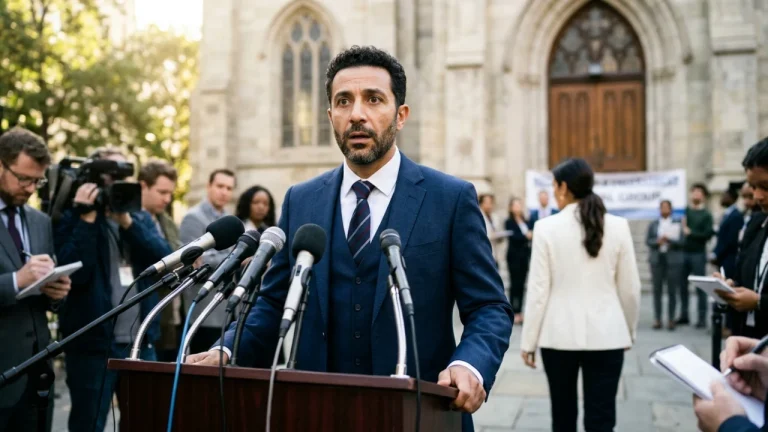
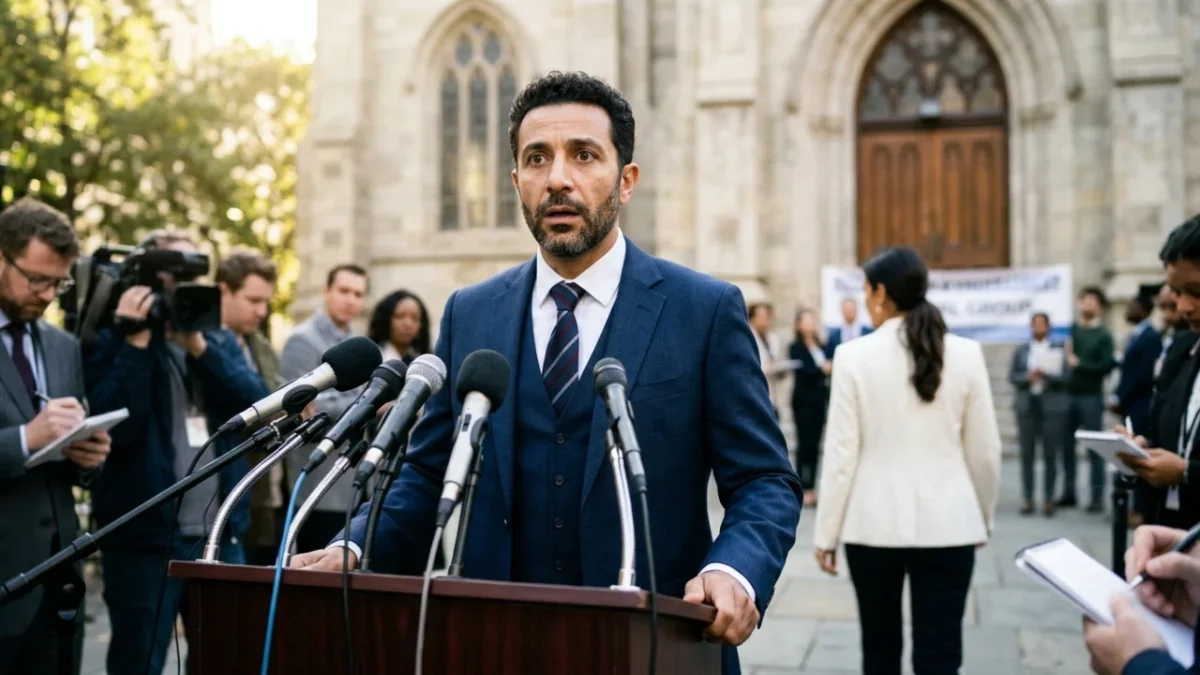
Before the scheduled church service in Detroit, El-Sayed made it clear that public distractions would not help his closing argument against his Republican opponent.
“I don’t want any distractions,” Dr. El-Sayed told reporters. “It seems as though other folks are more interested in making this race about things that it’s not about.”
The Push for Key Suburban Battlegrounds
Both campaigns focused their closing arguments within miles of each other across Macomb County. The suburban voting bloc remains one of the state’s most critical bellwethers for any statewide candidate trying to assemble a winning coalition.
To maintain momentum through unpredictable general election turns, campaigns rely on strict tactical priorities:
- Mobilizing the core base: Relying on strong urban turnouts across major metro precincts.
- Defending suburban margins: Persuading undecided moderates in divided industrial and suburban counties.
- Countering high-profile defections: Preventing rival endorsements from shifting independent voters.
The Core Contrast in Michigan’s Senate Showdown
A common myth in late-cycle congressional politics is that bitter primary rivalries naturally mend once the general election begins. In reality, deep ideological disagreements over policy and campaign rhetoric can persist, creating late vulnerabilities that opposing parties quickly exploit.
| Candidate Dynamics | Strategic Focus |
|---|---|
| Abdul El-Sayed (Democrat) | Mobilizing progressive turnout and defending Democratic control of the seat amid internal party division. |
| Mike Rogers (Republican) | Capitalizing on Democratic discord to flip a critical seat and secure a path to a Senate majority. |
The national stakes extend far past Michigan’s borders. With federal races across the country showing razor-thin margins, both parties are watching the fallout from Detroit to see whether local division changes the balance of the upper chamber.
💬 Will party friction alter the outcome, or will the base hold the line? Drop your thoughts in the comments below.
📱 Share this breakdown with anyone tracking Michigan’s critical Senate battle.
👇 Have you seen candidate momentum shift in your area? Let us know what you are seeing on the ground.
 1
 2
 3
 4