
Never-Ending Cruise Abruptly Strands 200 Passengers in Cambodia After Asking Residents for Emergency Loans to Stay Afloat

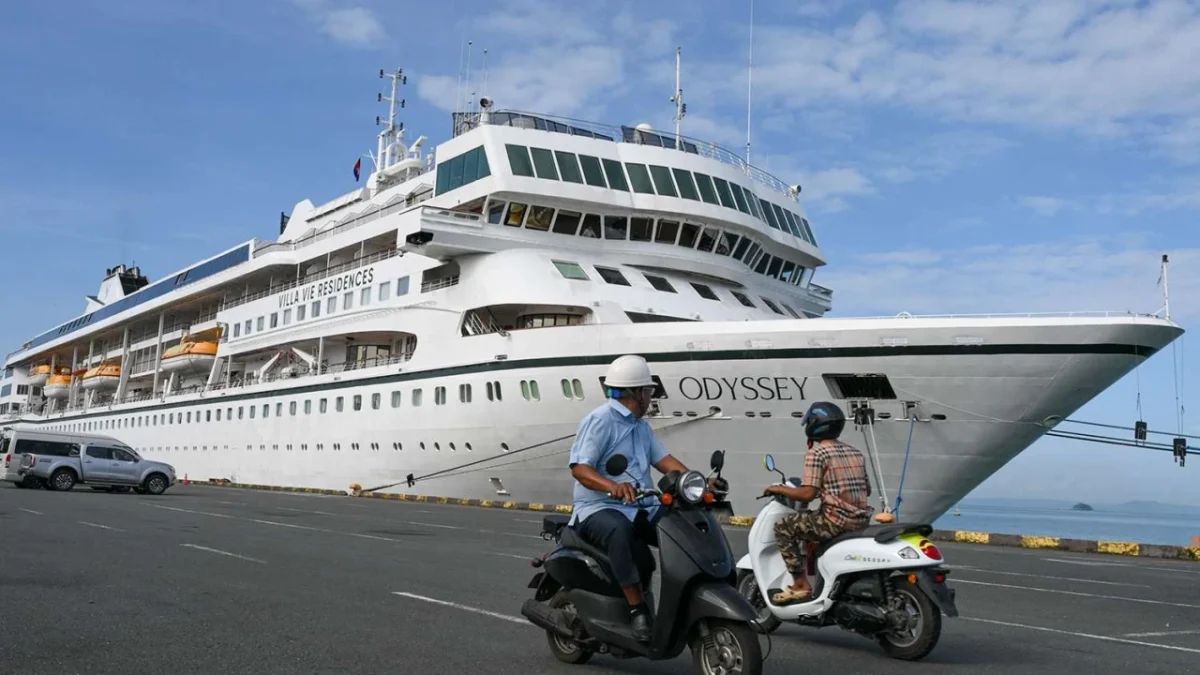
A multi-year dream voyage around the world came to an abrupt halt when Florida-based startup Villa Vie Residences gave nearly 200 passengers less than 24 hours to pack their belongings and leave its flagship vessel, the Odyssey, in Sihanoukville, Cambodia. The sudden shutdown brought an unceremonious conclusion to an ambitious residential venture that sold cabins priced up to $439,999.
The company originally marketed the ship as a permanent, globe-trotting community scheduled to visit 147 countries across three years. Instead, residents found themselves disembarking thousands of miles from home after management halted daily operations entirely, citing impossible overheads and a severe cash crunch.
Company founder and executive chairman Mikael Petterson acknowledged the collapse, admitting that he “messed up” while attempting to navigate escalating mechanical and geopolitical complications. According to Petterson, a combination of operational snags and unprecedented marine fuel expenses quickly overwhelmed the small operator’s balance sheet.
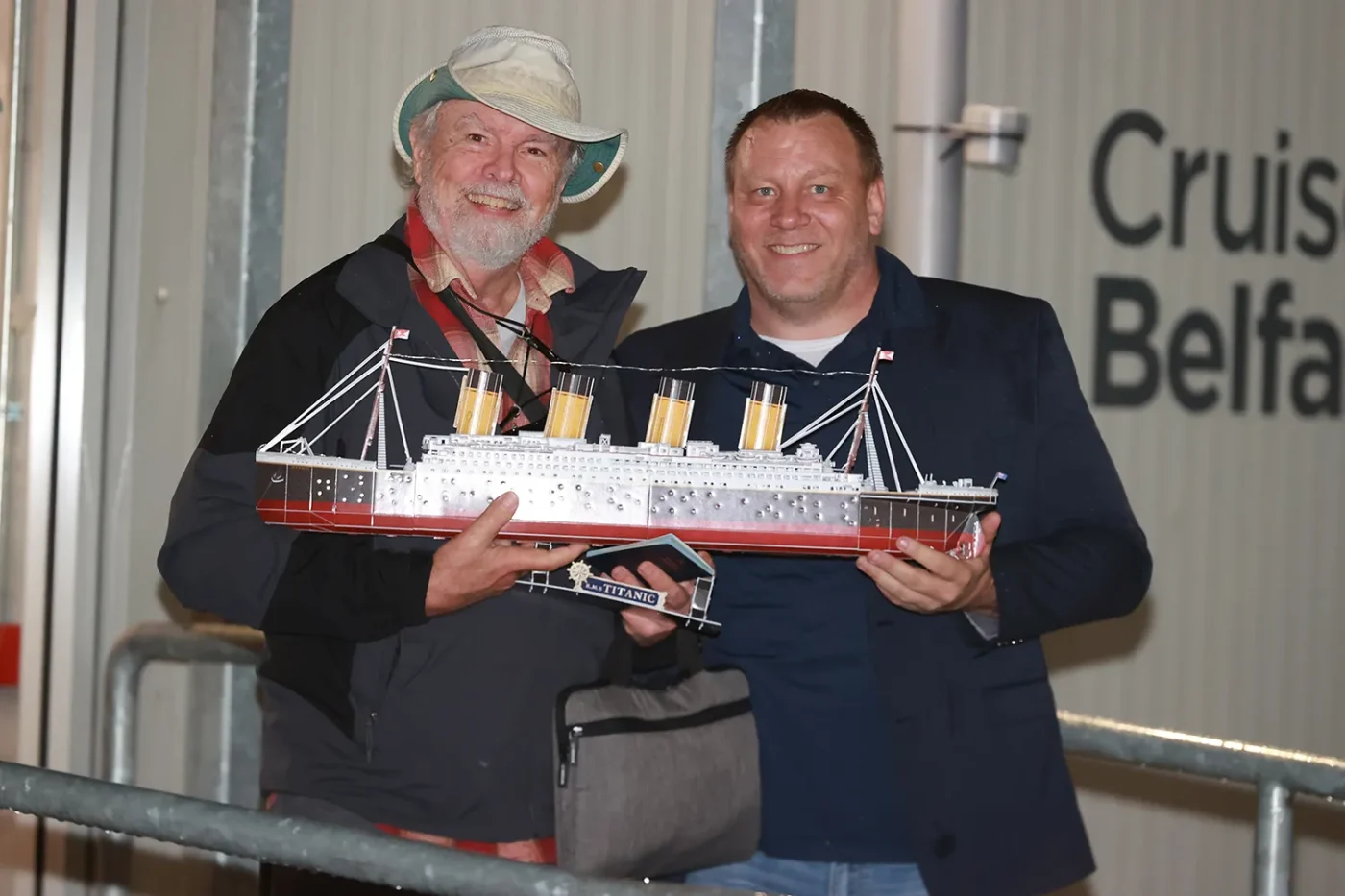
CEO of Villa Vie Residences Mikael Petterson with passenger Andy Garrison.
Soaring Fuel Costs and Financial Turbulence
Petterson pointed directly to the global fallout from the U.S. conflict with Iran as the catalyst for the venture’s financial spiral. The Odyssey relies on marine gas oil (MGO) to power its journey across international waters, a commodity whose cost spiked dramatically during the voyage.
Villa Vie initially budgeted and paid between $600 and $700 per metric ton of MGO. By the time the ship reached Singapore, prices surged near $2,000 per metric ton, eventually reaching approximately $2,200 per metric ton once the vessel docked in Cambodia.
“Nobody that’s tried residential cruising has succeeded, and we’ve gone further than anyone else. But I think we would have been absolutely fine — and we would have seen this through — if there was no Iran war.”
While massive commercial cruise operators frequently hedge their fuel contracts to protect against price spikes, Petterson stated that Villa Vie lacked the capital scale to employ those risk mitigation strategies. To reduce its burn rate, the crew slowed its sailing schedule and extended stays in port, but the operational savings failed to offset the steep market increases.
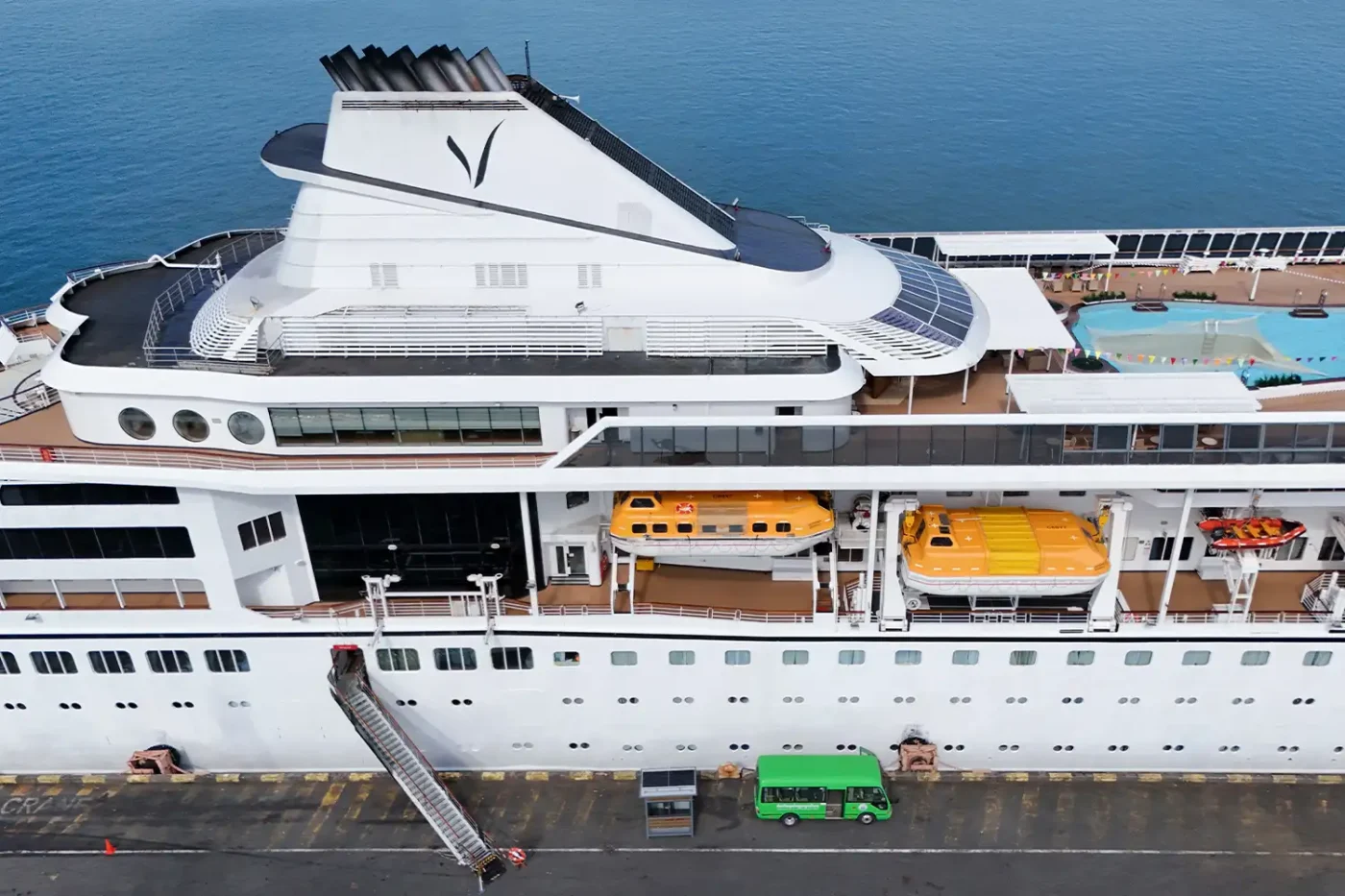
An aerial view of the Villa Vie Residences cruise ship Odyssey docked in Cambodia.
Emergency Loans and Behind-the-Scenes Struggles
Before the operation ceased in Cambodia, internal efforts were underway to solicit immediate financial lifelines from the very people paying to live aboard the ship. The company offered high-yield debt notes to cabin holders as operational costs mounted.
- High-Interest Resident Borrowing: The cruise operator approached passengers for loans, offering return rates between 12% and 24% to keep daily operations funded.
- Emergency Port Funding: Company leadership held an internal meeting requesting $1 million from cabin owners just to clear harbor expenses and depart Ha Long Bay, Vietnam.
- Secondary Market Cabin Offloading: As word of financial instability spread through the ship, alarmed residents began selling their cabins, dampening company efforts to sell remaining open inventory.
The Harsh Reality of Residential Cruising
A widespread assumption among prospective buyers is that purchasing a residential cabin functions identically to owning traditional real estate, providing a secure, fixed-cost asset. In reality, floating residences remain completely tied to maritime operating overheads, volatile bunker fuel prices, and the ongoing solvency of the managing company.
| Projected Offering | Actual Operational Outcome |
|---|---|
| Continuous 3-year voyage spanning 147 global nations | Voyage halted with passengers evicted in Sihanoukville, Cambodia |
| Fuel budgeted at $600 to $700 per metric ton | Fuel spiked to $2,000 in Singapore and $2,200 in Cambodia |
| Stable cabin ownership valued between $119,999 and $439,999 | Owners solicited for emergency loans of $1 million to depart port |
| Turnkey permanent residential cruise lifestyle | Vessel laid up pending court restructuring or total liquidation |
What Happens Next to the Odyssey?
With operations suspended, Petterson confirmed that the priority is preserving the physical asset while determining whether the business can survive. The company is evaluating two potential legal paths: an organized, court-supervised restructuring that allows leadership to retain operational control, or complete corporate liquidation.
“We just don’t have the financial ability to sustain normal operations for the time being. So we’re protecting the asset and laying it up until we can find a solution going forward.”
For now, the vessel remains stationary in Cambodia while passengers navigate travel arrangements back home, leaving the long-term viability of the residential cruise concept once again in question.
💬 The collapse of this global voyage highlights the extreme operational hurdles of full-time residential cruising.
✨ Have you ever considered selling everything to live aboard a cruise ship full-time? Drop your thoughts in the comments below.
📱 Share this story with fellow travelers who follow the changing world of extended international voyages.
 1
 2
 3
 4