
Never-Ending Cruise Abruptly Strands 200 Passengers in Cambodia After Failed CDC Inspections and Mounting Lawsuits

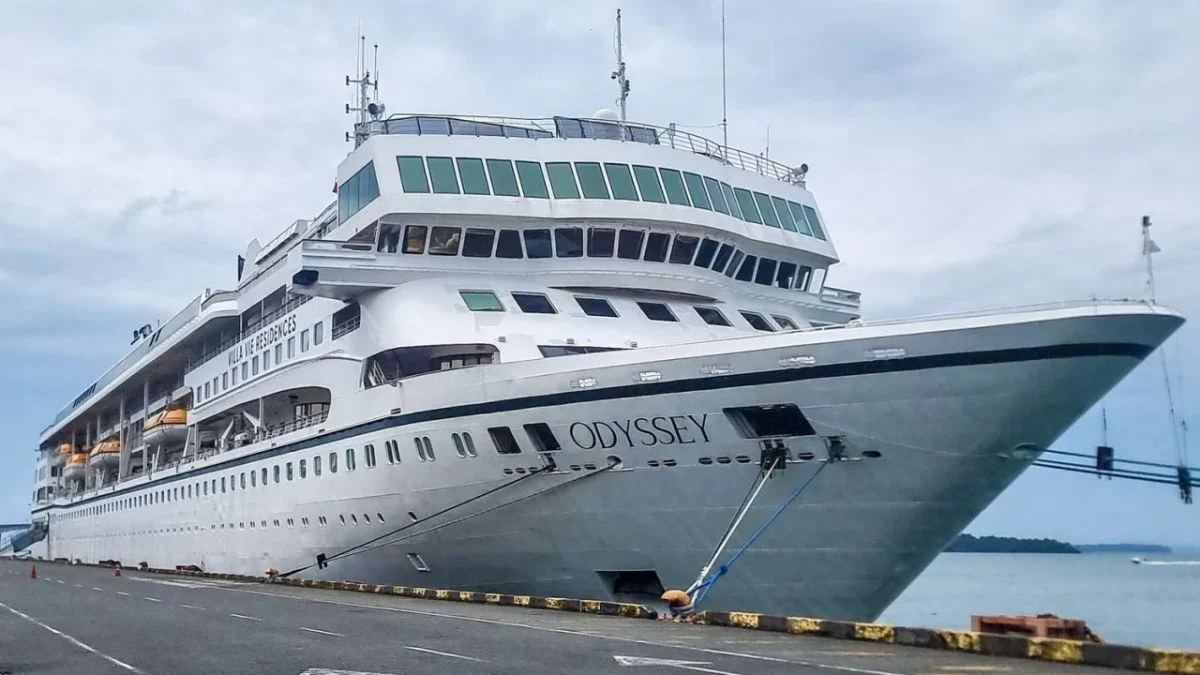
Passengers living aboard a permanent round-the-world voyage were given less than 24 hours to evacuate when Florida-based Villa Vie Residences abruptly suspended operations in Sihanoukville, Cambodia. The sudden shutdown stranded 200 residents thousands of miles from home, cutting short an ambitious 3.5-year journey across 147 countries that cost buyers up to $439,999 per cabin.
While management pointed to skyrocketing global fuel costs as the primary catalyst for halting the voyage, court records and federal inspection databases reveal that the cruise line’s flagship vessel, the Odyssey, was battling significant legal and operational headwinds long before dropping anchor in Southeast Asia.
From unresolved employee wage disputes to a failed federal health inspection, the dream of perpetual luxury living at sea rapidly disintegrated into an international travel nightmare.
Inside the Sudden Shutdown in Sihanoukville
The company announced its operational shutdown on Tuesday, Oct. 27, informing roughly 200 passengers docked in Cambodia that they had under a day to pack their lives and disembark. The Florida-based startup pitched the Odyssey as a floating residential haven where owners could wake up in a new country without ever leaving their personal living rooms.
Instead, residents who invested life savings into long-term cabin ownership now face confusing logistical hurdles and uncertain financial recovery in foreign territory.
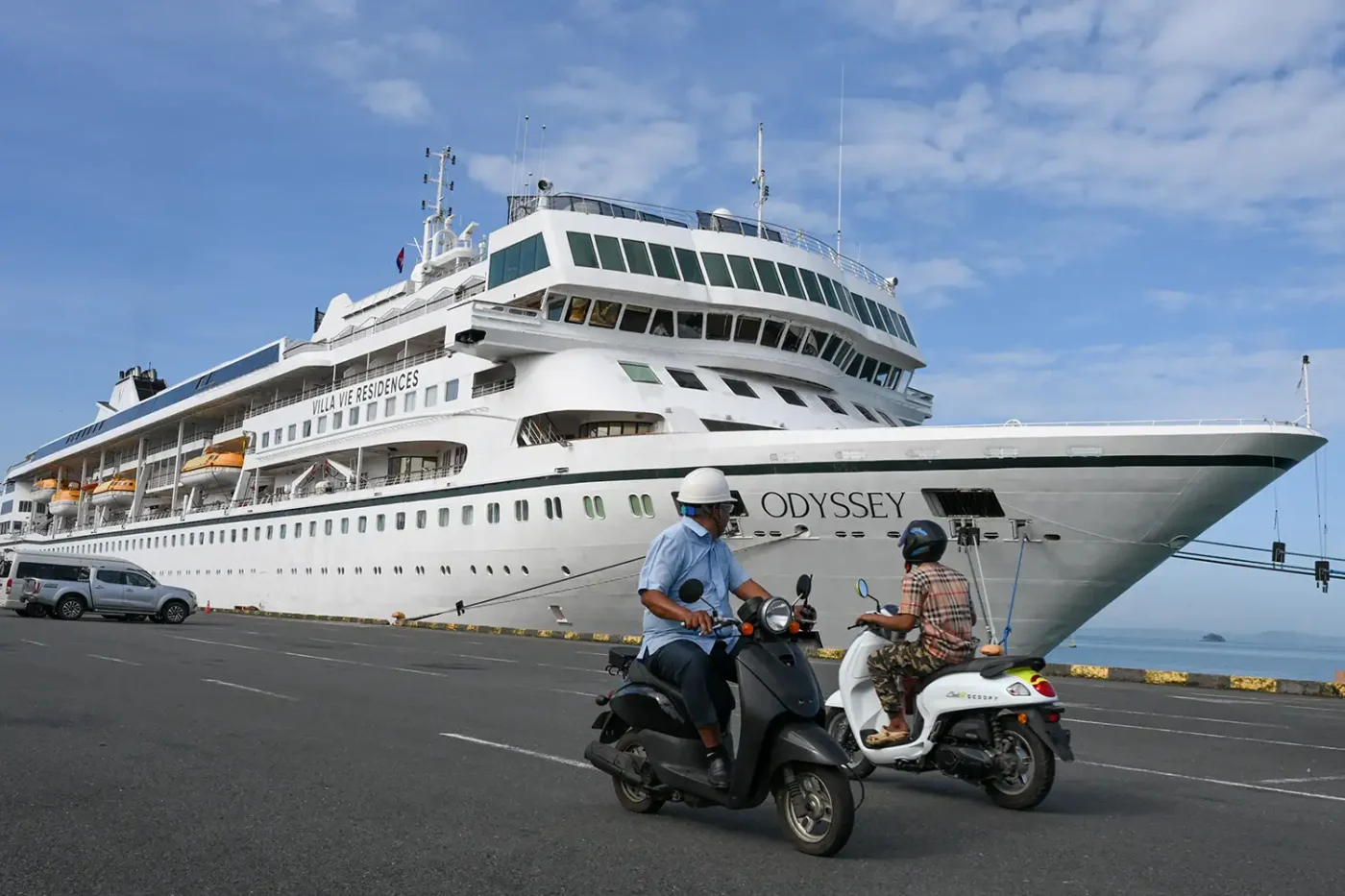
Motorists riding past the Villa Vie Residences Odyssey in Sihanoukville Port.
Villa Vie Residences CEO Mikael Petterson acknowledged the severe impact on travelers, admitting that a potential Chapter 11 bankruptcy filing may be required to pursue a recapitalized restructuring plan aimed at rescuing the asset.
“I feel awful. They’re counting on me to make the decisions here, and there’s nothing else I’m focused on. I’m the villain in the story, but I’m doing everything I can to support the residents on a solution.”
Mounting Lawsuits and Operational Turmoil
The sudden stoppage follows months of escalating pressure behind the scenes. Founded in 2023, the startup launched the Odyssey out of Belfast, Northern Ireland, in October 2024 after facing repeated mechanical and logistical delays.
Within a year of setting sail, the company faced multiple legal actions filed by both employees and passengers. Court dockets detail allegations encompassing contract terminations, breach of contract, and claims of unpaid overtime wages.
Petterson cited geopolitical turmoil affecting fuel markets as the tipping point that broke the company’s operating budget, claiming the project would have survived under stable economic conditions.
“Nobody that’s tried residential cruising has succeeded, and we’ve gone further than anyone else. But I think we would have been absolutely fine — and we would have seen this through — if there was no Iran war.”

CEO of Villa Vie Residences Mikael Petterson speaks to Donna Martemucci as passengers prepare to board the Villa Vie Odyssey cruise ship at Belfast Port.
Failed Federal Inspections: The CDC Sanitation Report
Beyond legal battles and fuel overhead, official federal records show that the Odyssey ran into severe regulatory problems regarding onboard living conditions. A routine sanitation audit by federal authorities documented widespread compliance failures across basic shipboard operations.
The Centers for Disease Control and Prevention (CDC) manages the Vessel Sanitation Program, evaluating commercial passenger ships that call on U.S. ports to ensure basic health standards. In July 2025, federal inspectors issued the Odyssey an unsatisfactory inspection score of 81.
Under official CDC guidelines, any score of 85 or lower is classified as failing. The inspection documented 44 individual violations aboard the vessel.
| Inspection Area | Documented Issue |
|---|---|
| Overall Sanitation Score | 81 points (Failing grade; CDC threshold requires 86 or higher) |
| Violation Count | 44 documented health and sanitation infractions |
| Food Storage Controls | Potentially hazardous food items improperly stored in refrigeration |
| Temperature Regulation | Improper food refrigeration practices documented on board |
| Water Infrastructure | Low chlorine concentration levels inside shipboard water systems |
What Happens Next for Stranded Travelers?
Residential cruising has long struggled to turn high-concept marketing into sustained maritime execution. While consumers view these ventures as seamless real estate alternatives, operating an ocean vessel requires navigating fuel volatility, maritime labor law, and strict international sanitation guidelines.
For the passengers left on the docks in Sihanoukville, the priority shifts from circling the globe to securing return transit and determining if cabin investments can be recovered through impending corporate restructurings.
💬 The collapse of residential cruises raises critical questions about passenger protections on multi-year voyages.
📱 Would you ever trust an extended cruise line with your primary residence?
👇 Drop your thoughts in the comments below and share your take on this unfolding story.
 1
 2
 3
 4
